
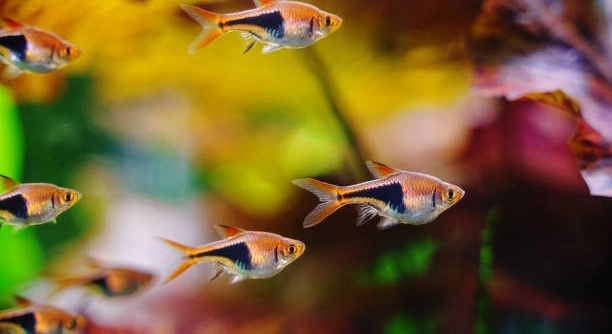
Rasboras are small, lively fish that often brighten up home aquariums with their striking colors. Their shimmering scales can instantly attract attention and make a tank feel vibrant and full of life. Observing them can be very calming.
The brightness of rasboras’ colors is primarily influenced by genetics, diet, and environmental conditions. High-quality nutrition rich in carotenoids, proper lighting, and clean water all contribute to enhancing their natural pigmentation and overall health.
Learning how these factors interact will help you maintain vibrant, healthy rasboras. Their beauty is not random but shaped by care and environment.
Diet and Nutrition for Vibrant Colors
The food rasboras consume plays a key role in their coloration. A diet rich in natural pigments, such as carotenoids, helps bring out their reds, oranges, and yellows. Flake foods, frozen or live foods like brine shrimp and daphnia, can support healthy coloration. Over time, regular feeding of high-quality food allows their scales to develop a consistent shine. It is also important to provide variety in their diet to ensure they get all essential nutrients. Poor nutrition often leads to dull colors, weakened immunity, and slower growth. Even if the tank is well maintained, lacking proper food will prevent the fish from displaying their full potential. Observing your rasboras during feeding can help determine if they are getting enough nutrition, as active fish with strong appetites are more likely to show bright colors naturally. A balanced diet not only enhances appearance but also supports overall well-being.
High-quality food can transform dull rasboras into brightly colored, healthy fish that stand out in any aquarium setup.
Maintaining a proper feeding routine is equally important. Overfeeding can cause water quality issues, while underfeeding deprives the fish of vital pigments. Rotating types of food and including occasional live or frozen options can maximize color development. Proper portions and timing contribute to consistent, vibrant scales that reflect good health.
Lighting and Environment
Proper lighting significantly affects how rasboras’ colors appear in the tank.
Natural-looking light that mimics daylight enhances the fish’s scales and highlights subtle color patterns. Dim or poor-quality lighting can make even the most colorful rasboras look faded. Full-spectrum LED or fluorescent lights are ideal, with a consistent daily schedule to support their natural rhythms. Adjusting the light intensity and placement can help certain colors become more visible, while plants and decorations can add contrast that makes bright hues stand out. Maintaining stable water conditions with appropriate temperature, pH, and cleanliness also strengthens coloration, as stress from environmental changes can dull scales. Tank layout influences color perception, so using darker substrates or background elements can make bright tones appear more vivid. Combining proper lighting with good water quality and enrichment ensures rasboras show their best colors consistently. Understanding these environmental factors allows for long-term maintenance of their vibrant appearance.
Genetics and Color Potential
Genetics determine the natural range of colors in rasboras. Some species naturally display brighter reds or oranges, while others may show more subdued tones. Even with perfect care, genetics set the baseline for how vibrant a fish can appear.
Selective breeding over generations has enhanced certain colors in rasboras. Specific strains, like the harlequin rasbora, are known for deep red patches, while others may develop a metallic sheen or richer orange hues. Genetic makeup influences how pigments are deposited in the scales, meaning two fish of the same species can look different despite identical care. Recognizing the genetic limits of your fish helps set realistic expectations for their appearance.
Understanding genetics also helps when pairing rasboras in a tank. Mixing strains with complementary colors can create a visually striking display. Breeding within certain lines can further enhance desired traits over time, though it requires attention to health and diversity to avoid weakening the population. Genetics combined with proper care ensures the brightest possible colors for each individual.
Stress and Color Dulling
Stress can quickly reduce the vibrancy of rasboras’ colors. Poor water quality, aggressive tankmates, or sudden environmental changes all contribute to dulling.
Chronic stress impacts pigment cells, causing scales to lose brightness. Even minor fluctuations in temperature or pH can trigger stress responses, making colors appear muted. Overcrowding or incompatible tankmates adds social stress, which further diminishes coloration. Providing hiding spots, stable water conditions, and a calm environment supports optimal color display.
Monitoring behavior is key to preventing stress. Healthy, active rasboras are more likely to maintain their bright hues, while lethargic or skittish fish often show fading. Consistent feeding, regular tank maintenance, and avoiding sudden changes in lighting or decorations help sustain vibrant coloration. Ensuring a peaceful and balanced tank environment allows the natural beauty of the fish to shine.
Water Quality and Color Intensity
Clean water is essential for rasboras to show their best colors. High levels of toxins or debris can make scales appear dull and lifeless. Regular water changes maintain clarity and support healthy pigmentation.
Stable temperature and pH also affect coloration. Sudden fluctuations cause stress, which reduces brightness. Consistent monitoring ensures the fish remain vibrant and active, reflecting good health.
Tank Companions and Social Environment
The presence of other fish can influence how rasboras display their colors. Peaceful, compatible tankmates allow them to remain relaxed and show natural hues. Aggressive or overly active species can stress rasboras, causing temporary fading.
A balanced social environment encourages confidence and natural behavior. Grouping rasboras with others of the same species enhances color display as they swim together. Providing hiding spots and open swimming areas reduces stress and allows their true colors to shine. Choosing compatible species and maintaining proper group sizes supports both their social and visual well-being.
Lighting Duration and Spectrum
Proper lighting duration helps rasboras maintain vibrant colors. Too much or too little light can dull their appearance. Maintaining a consistent light schedule of 8-10 hours per day promotes stable coloration.
Substrate and Background Effects
The color of the tank substrate and background can impact how bright rasboras appear. Darker backgrounds often make their colors stand out more, enhancing visual contrast.
FAQ
How can I make my rasboras show brighter colors?
Providing a balanced diet rich in natural pigments, such as carotenoids, is essential. Foods like high-quality flakes, frozen brine shrimp, or daphnia help enhance reds, oranges, and yellows. Maintaining stable water conditions, proper lighting, and minimizing stress also contribute to brighter, healthier scales.
Does tank size affect coloration?
Yes, tank size can impact the overall well-being and color intensity of rasboras. Overcrowded tanks increase stress and reduce space for swimming, which can lead to duller colors. A properly sized tank allows them to display natural behaviors and vibrant hues.
Can water temperature influence color?
Water temperature directly affects metabolism and pigment expression. Temperatures outside the optimal range for your rasbora species can cause stress, slow growth, and reduce color intensity. Keeping a stable temperature within recommended limits helps maintain natural coloration.
How often should I feed rasboras to improve color?
Regular, controlled feeding is important. Feeding small amounts 1-2 times daily ensures they get enough nutrients without overloading the tank. Incorporating variety in diet supports pigmentation and overall health, helping their colors stay vibrant over time.
Do tank decorations impact how colors appear?
Yes, substrate and background colors can enhance or diminish how bright rasboras appear. Darker substrates and backgrounds create contrast, making their natural colors pop, while lighter or overly bright surroundings may make them appear less vivid.
Can stress permanently affect coloration?
Prolonged stress from poor water quality, aggressive tankmates, or sudden environmental changes can cause long-term color fading. Short-term stress usually results in temporary dulling, but maintaining a stable, calm environment allows colors to recover fully.
Are all rasboras equally colorful?
No, coloration varies by species and genetics. Some, like harlequin rasboras, naturally display deeper reds and metallic shades, while others are more muted. Genetics set the baseline for potential color, which is enhanced through proper care and nutrition.
Does lighting type matter for color enhancement?
Yes, lighting significantly affects visual coloration. Full-spectrum LED or fluorescent lights mimic natural daylight, bringing out subtle tones in scales. Consistent daily light schedules prevent stress and support pigment development, ensuring rasboras appear vibrant.
Can water quality changes affect color quickly?
Absolutely. High ammonia, nitrite, or nitrate levels, along with dirty water, can stress fish and dull their scales almost immediately. Regular water changes, proper filtration, and monitoring parameters help preserve bright coloration.
Is it necessary to breed rasboras to get the brightest colors?
Breeding is not required for vibrant colors, but selective breeding can enhance certain traits over generations. In general, a healthy, well-maintained environment and proper nutrition are sufficient to bring out the natural brightness in most rasboras.
Do live plants help with coloration?
Live plants improve water quality, reduce stress, and provide natural hiding spaces, all of which indirectly support bright colors. Additionally, plants add contrast that makes scales appear more vivid in a tank environment.
How long does it take to see improved colors?
With proper care, noticeable improvement can occur within weeks. Consistent feeding, stable water conditions, and stress reduction gradually enhance pigmentation. Patience is key, as natural color development takes time and cannot be rushed.
Can I use supplements to improve color?
Color-enhancing supplements containing carotenoids or spirulina can boost pigmentation. They should be used alongside a balanced diet, not as the main food source. Overuse of supplements can disrupt nutrition and water quality, so moderation is important.
Do juvenile rasboras have different color intensity than adults?
Yes, young rasboras often have duller colors. Pigmentation develops gradually as they mature, especially with proper nutrition and stable tank conditions. Adult fish generally display more consistent and vibrant coloration compared to juveniles.
Can tankmates influence color directly?
Aggressive or overly dominant tankmates can stress rasboras, causing temporary color fading. Peaceful, compatible species allow the fish to swim confidently and display natural hues, while providing a calm environment supports long-term color health.
Is there a difference between wild-caught and tank-bred rasboras in color?
Wild-caught rasboras may display slightly more subdued colors due to natural environmental factors. Tank-bred fish often have more consistent and intensified coloration, as selective breeding and controlled care enhance pigment expression over generations.
How does age affect coloration?
Older rasboras may show slight fading as metabolic and pigment production slows. Younger adults usually have the brightest scales, but maintaining optimal care helps preserve color throughout their lifespan.
Do seasonal changes impact color?
Seasonal variations in water temperature or lighting in home aquariums can affect pigmentation. Keeping conditions stable regardless of season ensures colors remain vibrant and minimizes stress-induced dulling.
Can stress from transportation reduce color?
Yes, transportation is stressful for rasboras and can temporarily dull their colors. Allowing them time to acclimate in a stable, quiet tank after moving restores natural vibrancy within days to weeks.
What is the easiest way to maintain bright colors long-term?
A combination of stable water quality, a balanced diet, proper lighting, peaceful tankmates, and minimal stress consistently supports vibrant coloration. Monitoring the tank environment and addressing issues quickly ensures rasboras maintain their natural brilliance over time.
This FAQ provides practical steps and explanations for maintaining the bright, attractive colors of rasboras. Attention to diet, environment, and stress management is key to achieving and preserving their full visual potential.
Rasboras are small but striking fish that can bring life and color to any aquarium. Their bright scales and active swimming patterns make them enjoyable to watch, and their colors often reflect the care they receive. Maintaining vibrant coloration requires attention to several factors, including diet, water quality, lighting, and social environment. Each of these aspects works together to support the fish’s health and appearance. By providing high-quality food, consistent water conditions, and a stable environment, rasboras can show their full range of colors, adding a lively and natural look to your tank.
Proper nutrition is one of the most important factors in color development. Foods rich in natural pigments, like carotenoids, help bring out reds, oranges, and yellows in their scales. Offering a variety of foods, including flakes, frozen, or live options, ensures they receive all essential nutrients for growth and color expression. Consistency in feeding is also important, as overfeeding or underfeeding can cause stress and affect coloration. When combined with clean water and a well-maintained tank, a balanced diet allows rasboras to display their natural brilliance over time.
Environmental conditions and stress management are equally essential. Stable water temperature, proper pH levels, and adequate lighting all influence how bright their colors appear. Stress from aggressive tankmates, overcrowding, or sudden changes can cause scales to fade temporarily or even over the long term. Providing hiding spaces, calm surroundings, and compatible companions supports confidence and natural behavior, which also enhances visual appeal. Genetics play a role as well, setting the baseline for potential colors, but proper care and a well-managed environment allow each fish to reach its fullest expression. With attention to these factors, rasboras will remain healthy, active, and colorful, making them a rewarding addition to any aquarium.

Hello,
If you enjoy the content that we create, please consider saying a "Thank You!" by leaving a tip.
Every little bit helps us continue crafting quality advice that supports the health, happiness, and well-being of pets around the world, for pets of all shapes, sizes, and species.
We really appreciate the kindness and support that you show us!