
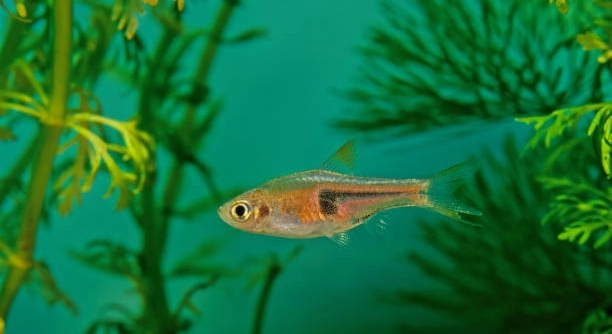
Rasboras are small, peaceful fish that often swim in groups. Their movements appear coordinated, making them seem like they follow a leader naturally. Observing them can be calming and surprisingly fascinating in a home aquarium setting.
Rasboras follow the leader due to social behavior and survival instincts. They rely on group cohesion to reduce predation risks and coordinate movement, with individual fish responding to visual cues and the actions of nearby members within the school.
Learning how rasboras interact provides insights into their behavior patterns. This knowledge can improve tank setups and enhance the overall well-being of these lively, social fish.
How Leadership Emerges in Rasboras
In a group of rasboras, leadership is not fixed. Certain fish take the lead depending on their confidence, energy, or position in the school. When exploring new territory, one fish often moves first while others follow. This behavior helps them navigate safely through the tank. Watching them, I noticed that the lead fish doesn’t act aggressively but simply moves with purpose. Others react instantly to its movements, adjusting speed and direction to stay together. This synchronization reduces stress and helps the group avoid potential danger. The behavior also ensures that food is discovered efficiently. In smaller tanks, leadership can shift frequently, with different fish taking turns at the front. Over time, it becomes easier to predict which individuals will take initiative, although this can change with age or health. Observing these subtle dynamics makes caring for rasboras more engaging and insightful.
Rasboras rely on visual cues to maintain group order. They watch each other closely to stay coordinated.
The patterns in a school are striking. When one fish accelerates or changes direction, others respond almost instantly. This creates a fluid, wave-like movement that seems effortless. Leadership is temporary and context-dependent, influenced by confidence, curiosity, and energy. Even shy fish may lead occasionally, especially when exploring a safe area or approaching food. Watching this gives a deeper appreciation for their intelligence and social instincts. Their coordination isn’t random—it is a finely tuned system that ensures survival, comfort, and efficient exploration of their environment.
The Role of Environment in Schooling
Tank size and layout affect how rasboras follow a leader. A cramped tank may limit movement, while plants and decorations provide visual reference points.
Environmental factors significantly shape their behavior. Open spaces encourage exploration, giving the lead fish room to move confidently. Dense plants or obstacles create natural paths that influence the school’s direction. Lighting also plays a role; brighter conditions can make fish more active, while dim areas encourage cautious movement. Temperature and water quality affect energy levels, indirectly determining which fish takes the lead. Even subtle currents from filters or water movement influence positioning within the school. Providing hiding spots reduces stress and allows weaker or shy fish to participate in the group more comfortably. By observing their interaction with the environment, I learned that small changes in tank setup can dramatically alter leadership patterns and schooling behavior, making each day watching them slightly different and continuously engaging.
Communication Among Rasboras
Rasboras communicate mainly through movement and body orientation. Slight changes in speed or direction signal the group to follow or adjust their position. These subtle cues keep the school synchronized.
Watching them closely, I realized that even minor gestures matter. A fish leaning slightly to one side can prompt the entire group to shift direction. Rapid movements signal excitement or alertness, while slower, steady swimming indicates calm. Over time, I noticed that certain individuals’ signals carry more weight, often those with higher confidence or familiarity with the environment. Their nonverbal communication forms a complex, silent language that ensures the school stays coordinated and safe. It’s fascinating to see how much they rely on these tiny signals to maintain order without vocalization or aggressive displays.
The coordination extends beyond movement. Rasboras use spacing and alignment to communicate readiness, caution, or interest. Each fish constantly monitors neighbors, adjusting rhythm and proximity. Leadership shifts smoothly based on these silent signals.
Benefits of Following the Leader
Following a leader reduces stress for the group. The school feels safer when one fish takes initiative.
I noticed that rasboras following a lead fish show less erratic swimming and fewer collisions. The leader guides the school toward food or safer areas, reducing uncertainty. Young or shy fish benefit the most, learning about the tank layout and acceptable boundaries. Over time, they gain confidence and sometimes take turns at the front. This dynamic ensures that all members experience both guidance and opportunity. Leadership also strengthens social bonds, as each fish learns to interpret signals and react appropriately. Observing this in my tank, I could see the subtle ways safety and efficiency are maintained, making the school’s behavior more predictable and easier to manage.
Predation and Safety
Following a leader helps rasboras avoid predators. The coordinated movement makes it harder for a predator to single out one fish.
The leader often senses threats first and signals the group through rapid changes in direction or speed. The school reacts almost instantly, staying together for protection.
Food Discovery
Rasboras depend on leaders to find food efficiently. A fish that spots food first moves toward it, and others quickly follow. This behavior ensures that even the shyest or slower fish get access to meals without constant searching, reducing competition and stress.
Energy Conservation
Swimming in a school behind a leader helps rasboras conserve energy. They take advantage of hydrodynamic benefits by reducing drag, especially in longer tanks where continuous swimming is needed.
Social Learning
Younger or less experienced rasboras learn from observing leaders. Following a confident fish helps them understand safe paths, feeding spots, and tank boundaries.
Why do rasboras always seem to follow one fish?
Rasboras follow a single fish because it often acts as the most confident or experienced member of the school. By observing its movements, the group maintains coordination, avoids obstacles, and reacts faster to potential threats. In my tank, I noticed that the leader is not always the biggest fish, but usually the one most familiar with the environment.
Can leadership change in a school of rasboras?
Yes, leadership in rasboras is fluid. A shy fish may become the leader if the usual leader is stressed, distracted, or exploring new areas. I’ve watched smaller or younger fish take the lead during feeding times, showing that leadership is based on confidence and situation rather than size or age.
How do rasboras communicate while schooling?
Rasboras communicate silently through movement, spacing, and speed changes. A slight turn or acceleration by the leader signals the rest to follow or adjust. I often notice the subtle shifts in position and direction that trigger the school to respond almost instantly, keeping the group synchronized.
Does following a leader reduce stress for rasboras?
Following a leader helps reduce stress by providing guidance and security. When one fish takes initiative, others can follow without making risky decisions alone. In my tank, fish that are less confident swim calmer when they can rely on a lead fish to navigate the environment.
Do rasboras learn from watching the leader?
Yes, younger or less experienced rasboras learn by observing the lead fish. They pick up on safe paths, feeding routines, and how to avoid obstacles. Over time, these fish gain confidence and occasionally take turns leading, which strengthens their skills and social bonds.
Does tank size affect following behavior?
Tank size and layout influence how rasboras follow a leader. In smaller tanks, movement is restricted, and leadership may shift more often. In larger tanks, the lead fish has more room to guide the school efficiently, allowing the others to practice coordination and develop a stronger sense of spatial awareness.
How do environmental changes impact leadership?
Environmental changes, like added plants or decorations, affect which fish takes the lead. A confident fish will explore new areas first, signaling the group to follow. I noticed that changes in water flow or lighting also impact movement patterns, sometimes temporarily shifting leadership to a more adventurous fish.
Are there health benefits to following a leader?
Following a leader indirectly benefits health by reducing stress, conserving energy, and ensuring equal access to food. In my experience, schools that maintain strong coordination show fewer signs of fatigue or aggression, and even the shyest fish thrive when they can rely on a lead fish for guidance.
Can leadership be influenced by feeding times?
Yes, feeding times often influence which fish leads. The most food-motivated fish usually moves first, and the others follow quickly. Watching this, I realized that even minor differences in appetite can temporarily change who takes the lead, ensuring that all members of the school stay well-fed.
Do rasboras ever fight over leadership?
Fights over leadership are rare. Rasboras generally avoid conflict by following whichever fish moves first. I’ve seen subtle competition where two fish approach the front simultaneously, but they usually adjust without aggression, showing that maintaining group harmony is more important than asserting dominance.
How does following a leader affect schooling efficiency?
Following a leader keeps the school coordinated, reducing collisions and wasted energy. In my tank, the fish swim in smooth, wave-like patterns when a confident leader is present, making movement more efficient. This also helps with exploring the tank, finding food, and avoiding stress from sudden changes.
Do shy fish ever become leaders?
Shy fish can lead under the right circumstances, especially in calm or familiar conditions. I noticed that a fish that is usually hesitant may move first toward food or a safe area, prompting others to follow. This shows that leadership is flexible and influenced by confidence, opportunity, and environmental context.
Does following a leader help rasboras survive in groups?
Yes, following a leader improves survival by reducing exposure to threats, conserving energy, and providing guidance. In my observation, the school reacts faster to perceived danger when a lead fish initiates movement, showing that coordinated behavior directly contributes to safety and well-being.
How long does a leadership role last?
Leadership duration varies. A fish may lead for a few minutes or longer depending on the task, environment, and energy levels. I often watch leadership shift naturally during exploration, feeding, or when reacting to disturbances, reflecting the dynamic and situational nature of rasbora social behavior.
Can a leader fish influence the personality of the group?
A confident leader tends to make the group more active and exploratory. When a bold fish takes charge, even shy members move with more assurance. I’ve seen the group become calmer and more cohesive under a consistent leader, which improves overall harmony in the tank.
Do rasboras use leaders for navigation only?
Leaders influence more than navigation. They help with finding food, avoiding danger, and maintaining group cohesion. In my tank, I observed that leadership also provides learning opportunities for younger fish, helping them understand tank structure, safe zones, and social dynamics without direct interaction or instruction.
How does following a leader affect feeding behavior?
Following a leader ensures that all fish reach food efficiently and reduces competition. When a lead fish moves toward food, others follow in a coordinated manner, making feeding times calmer and more structured. I noticed this prevents stress-related aggression and ensures everyone gets an adequate share.
Can following behavior be disrupted?
Yes, disruptions such as sudden movements, strong currents, or new tank mates can temporarily affect following behavior. I’ve seen the school scatter briefly when startled, but they usually reorganize quickly, often resuming normal leader-follower patterns once the environment stabilizes.
Is leadership important for social bonding?
Leadership reinforces social bonds by creating trust and coordination. Rasboras learn to interpret signals, respond appropriately, and rely on one another. In my experience, a well-functioning leader-follower system reduces stress and promotes a more harmonious group dynamic, which benefits both active and shy fish.
Do leaders always swim at the front?
Leaders usually swim at the front during exploration or feeding, but they may take other positions depending on the situation. I observed that a lead fish sometimes moves through the center or along the edges to guide the group, showing that leadership is about influence, not fixed placement.
How can tank owners encourage healthy leadership behavior?
Encouraging healthy leadership involves providing a spacious, well-planted environment, stable water conditions, and multiple hiding spots. I learned that giving fish room to explore safely allows confident individuals to emerge naturally, helping the school maintain coordination while reducing stress for everyone.
Can following behavior indicate fish health?
Yes, strong following behavior usually indicates healthy fish. If a lead or follower shows erratic movement or fails to respond, it can signal stress or illness. Observing these patterns in my tank helps identify potential problems early, ensuring timely care and maintaining overall group health.
Does leadership affect breeding behavior?
Leadership can influence breeding by guiding fish to safe or favorable areas. Confident leaders often explore territories or plants suitable for spawning, which allows others to follow and reproduce in a secure setting. I’ve noticed that following leaders during this time reduces stress and enhances breeding success.
Can environmental enrichment improve leadership skills?
Yes, adding plants, rocks, or safe hiding spaces encourages exploration and gives confident fish opportunities to lead. In my tank, I saw that these changes allowed different individuals to take initiative, promoting flexible and dynamic leadership while keeping the school engaged and active.
Does group size impact leadership?
Larger groups may have more frequent leadership changes, while smaller schools tend to have consistent leaders. I observed that in bigger tanks, the lead fish must signal more clearly to maintain cohesion, making leadership a more noticeable and essential role for the school.
Is leadership behavior instinctive or learned?
Leadership is a combination of instinct and learning. Confidence, energy, and prior experience shape which fish take charge. I’ve seen new fish gradually learn tank layout by following leaders, showing that both natural instincts and observation contribute to effective schooling behavior.
Do rasboras always need a leader to swim together?
While a leader improves coordination, rasboras can swim together without a single guide. The school still reacts collectively, but movement may be less smooth and more cautious. I’ve noticed that without a confident fish leading, the group takes longer to explore or reach food efficiently.
Can leadership prevent bullying or aggression?
Yes, following a leader reduces aggressive encounters by establishing clear movement patterns. In my experience, when fish follow a confident lead, they are less likely to compete aggressively for space or food, creating a calmer and safer environment for the entire school.
How do leaders influence shy or timid fish?
Leaders help shy fish gain confidence. By following a bold fish, timid individuals learn safe routes, feeding spots, and group behavior. I often saw formerly hesitant fish move more freely once they trusted the leader, which improved overall social balance in the tank.
Do leaders ever make mistakes?
Yes, leaders can misjudge situations, like moving toward a less safe area or missing food. I’ve observed that when this happens, the group quickly adapts, showing flexibility in leadership and reinforcing the importance of responsiveness over rigid following behavior.
Can following a leader improve tank harmony?
Following a leader promotes harmony by reducing stress, competition, and collisions. In my experience, a well-coordinated school feels calmer, moves smoothly, and shows fewer signs of agitation, creating a more enjoyable and manageable environment for both the fish and the observer.
Observing rasboras and how they follow a leader gives a lot of insight into their natural behavior. These small, peaceful fish rely on group cohesion to feel safe and navigate their environment efficiently. Leadership in a school is flexible and situational, with different fish taking initiative depending on confidence, curiosity, and familiarity with the tank. I noticed that even the shyest or smaller fish can sometimes lead when conditions are right, showing that leadership is not about size or dominance, but about timing and awareness. Following a leader allows rasboras to move in harmony, reducing stress and helping them respond quickly to potential threats. Their synchronized swimming is not random; it is a well-coordinated pattern that makes the school more secure and efficient. This behavior becomes more noticeable when feeding, exploring new areas, or adjusting to changes in the tank, making it easier to appreciate how much thought seems to go into even the smallest movements.
The environment plays an important role in how rasboras establish and maintain leadership. Tank size, decorations, plants, and water flow all affect which fish takes the lead and how smoothly the group moves. In my experience, providing open spaces for exploration and some hiding spots for shy fish helps the school maintain balance while giving different individuals opportunities to take charge. Changes in lighting, temperature, or tank layout can temporarily shift leadership, encouraging fish to adapt and respond to new conditions. This interaction between environment and behavior shows that rasboras are observant and responsive creatures. Following a leader is not only about staying together but also about learning and adapting to the surroundings. Younger or less confident fish benefit the most, as they can learn safe routes, feeding locations, and how to move with the group. Over time, these learning experiences help all members of the school gain confidence and maintain a strong sense of social order.
Following a leader also has benefits beyond coordination and safety. It reduces competition, conserves energy, and improves feeding efficiency. When a confident fish moves first, others follow in a calm, organized manner, which minimizes stress and ensures all fish have access to food. Observing this behavior over time reveals subtle social cues, like changes in speed, body orientation, and spacing, which the school uses to communicate silently. Leadership fosters trust and social bonding, creating a more harmonious environment for everyone in the tank. Watching rasboras work together so effortlessly provides a deeper appreciation for their intelligence and instincts. Their behavior is simple yet remarkably effective, showing how even small fish have complex social systems that allow them to thrive. By paying attention to leadership, schooling patterns, and environmental influences, it becomes clear that following a leader is central to the well-being and balance of a rasbora community.

Hello,
If you enjoy the content that we create, please consider saying a "Thank You!" by leaving a tip.
Every little bit helps us continue crafting quality advice that supports the health, happiness, and well-being of pets around the world, for pets of all shapes, sizes, and species.
We really appreciate the kindness and support that you show us!