
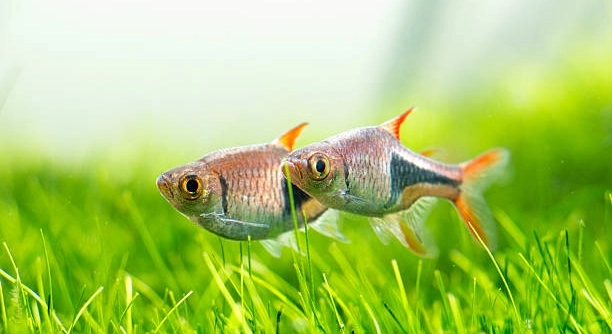
Rasboras are small, lively fish that often attract attention in home aquariums. Observing them as they swim together in tight circles can be both calming and fascinating. Their movements seem deliberate and purposeful in their environment.
Rasboras circle one area primarily due to social behavior, environmental stimuli, and perceived safety. Clustering together allows them to communicate, reduce stress, and respond to potential threats effectively while maintaining group cohesion in confined spaces.
Understanding why they form these circles can improve aquarium care and fish well-being. Observing their behavior closely reveals patterns that guide proper tank management.
Why Rasboras Form Tight Circles
Rasboras often swim in tight circles as a natural social behavior. They feel safer when moving in groups, which helps reduce stress in unfamiliar or new environments. In aquariums, this behavior can be more pronounced because the space is limited, making them stay closer together. Circling allows them to monitor each other while staying alert to changes in their surroundings. Sometimes, they focus on one area because of light, plants, or decorations that attract their attention. Food placement can also encourage this pattern, as they anticipate feeding spots and gather where they expect nutrients. Observing these movements provides insight into their social dynamics and helps owners maintain a comfortable habitat. Over time, the pattern becomes predictable, showing how they adapt to space, companions, and stimuli in the tank.
This behavior is mostly harmless and reflects natural instincts. It shows their need for safety, interaction, and environmental awareness.
Watching rasboras circle can be surprisingly calming. Their synchronized swimming demonstrates how instinct and environment guide small fish behavior. By noting the factors influencing their movement, you can create a more suitable and enriching tank layout, ensuring their health and comfort. Adjustments in plant placement, lighting, or feeding routines can enhance their activity and reduce stress, making the aquarium more engaging for both the fish and observer. Each cluster has subtle social cues, showing dominance, submission, or curiosity. Understanding these cues helps maintain balance and harmony in the tank, allowing the fish to thrive naturally.
Environmental Factors Influencing Circling
Tank layout significantly affects rasbora behavior. A confined space, placement of decorations, and lighting can guide where they prefer to circle.
Proper tank design ensures rasboras stay active while minimizing stress. Water flow, plant density, and hiding spots all contribute to their movement. Fish are drawn to areas where currents are gentle, and cover is accessible, helping them feel secure. Bright lights or reflective surfaces can trigger repetitive circling, as they investigate or respond to perceived threats. Feeding habits also shape these patterns; they often return to areas where food is regularly provided. Temperature consistency and water quality influence energy levels, encouraging more predictable swimming routes. Observing and adjusting these environmental factors can promote natural behavior and reduce unnecessary stress, creating a balanced and engaging habitat for rasboras to thrive peacefully.
Social Behavior and Group Dynamics
Rasboras are schooling fish, relying on group movement for comfort and safety. Circling together strengthens social bonds and helps them feel secure. Individual fish are less likely to explore alone, so tight circles provide reassurance and coordination within the group.
Schooling reduces stress and improves survival instincts. By moving in circles, rasboras can communicate subtle signals about danger, feeding times, or territory. These behaviors are instinctual, inherited from their natural habitats. Observing their patterns reveals how dominant and submissive individuals interact, with some leading the group while others follow. Group cohesion is essential for maintaining balance in the aquarium. Disruption of this dynamic, such as sudden changes in tank mates or environment, can lead to erratic swimming or hiding, showing how sensitive they are to social and environmental changes.
Tight circling also allows rasboras to share space efficiently. By keeping close, they reduce conflicts and create predictable movement patterns. This coordination ensures that all fish can access food and shelter without stress. In small tanks, this behavior is more visible, but it mirrors natural instincts found in larger, open waters. Monitoring their social interactions helps maintain harmony and prevents bullying or isolation among individuals, supporting overall health and vitality in the aquarium.
Influence of Feeding Patterns
Rasboras often circle where food is expected, showing anticipation and routine. Regular feeding times reinforce their swimming patterns, keeping them in familiar areas.
Predictable feeding schedules can encourage repeated circling behavior. Fish learn where and when food appears, forming habits that influence daily movement. Even subtle changes in feeding location or timing can redirect their swimming patterns, demonstrating their adaptability and learning capacity. Over time, rasboras associate certain spots with nourishment, which can create tight group formations as they await feeding. Feeding behavior also interacts with social dynamics, as dominant fish may access food first while others follow, reinforcing established hierarchies. Careful observation of these patterns helps manage tank health, prevent overfeeding, and ensure all fish receive adequate nutrition.
Food type and delivery method further affect circling. Floating flakes or sinking pellets change how and where they swim. Fast-moving or small groups of fish can trigger more energetic movement around feeding areas. By experimenting with distribution, owners can encourage natural foraging behavior while minimizing competition. Ensuring consistent water conditions and clean feeding zones maintains health, prevents stress, and reduces unnecessary circling driven by anxiety or overcrowding. Understanding these connections allows for better tank management and a more comfortable environment for all rasboras.
Safety and Shelter
Rasboras circle near areas that provide cover, such as plants or rocks. Staying close together in these zones reduces stress and creates a sense of security.
Open spaces make them feel vulnerable, so they naturally gravitate toward protective spots. Circling near shelter helps them monitor surroundings while avoiding threats.
Light and Reflection
Bright lights or reflective surfaces can trigger repeated circling. Fish respond to changes in lighting, sometimes investigating reflections as if they were other fish. Adjusting tank lighting and minimizing reflective surfaces can reduce unnecessary stress and promote calmer swimming patterns.
Water Flow
Moderate water currents influence circling behavior. Rasboras often swim in loops where flow is gentle, allowing controlled movement without excessive effort.
Health Indicators
Changes in circling patterns can signal stress or illness. Monitoring swimming habits helps detect early issues and maintain fish well-being.
FAQ
Why do rasboras circle one area constantly?
Rasboras circle one area due to a combination of social behavior, environmental stimuli, and safety instincts. They feel more secure when moving in groups, especially near shelter or predictable feeding spots. Limited tank space and consistent water flow also encourage repetitive movement patterns.
Is this behavior normal or a sign of stress?
In most cases, circling is normal. It reflects natural schooling instincts and the need for security. However, if the movement is frantic, erratic, or paired with loss of appetite, it could indicate stress, poor water conditions, or illness. Observing other signs helps determine the cause.
Can tank size affect circling behavior?
Yes, tank size plays a significant role. Smaller tanks make circling more noticeable because space is limited. In larger tanks, rasboras may spread out more, but they often still form small groups for social comfort. Tank layout and decoration also influence where they prefer to swim.
Do other fish influence this behavior?
Other fish in the tank can impact circling. Compatible species may swim alongside rasboras, while aggressive or territorial fish can cause tighter or more defensive patterns. Observing interactions helps ensure all species coexist comfortably without creating stress-induced circling.
Does feeding routine affect where they circle?
Yes, feeding routines heavily influence movement. Rasboras learn where food is consistently provided, which reinforces circling in those areas. Adjusting feeding location or method can encourage exploration, reduce competition, and prevent over-concentration in one spot.
Can lighting or reflections trigger circling?
Bright lights or reflective surfaces can cause rasboras to investigate repeatedly, leading to circling. They may mistake reflections for other fish or perceive bright areas as activity zones. Adjusting light intensity and minimizing reflections can reduce unnecessary or stress-related circling.
How does water flow affect their swimming patterns?
Water currents influence energy expenditure and comfort. Rasboras prefer gentle flows, often circling in areas with moderate currents that allow controlled swimming. Too strong a current may cause erratic movement or fatigue, while stagnant areas can reduce activity and social interaction.
When should I be concerned about circling behavior?
Concerns arise when circling is accompanied by unusual behavior, such as lethargy, hiding, loss of appetite, or abnormal coloration. These signs may indicate poor water quality, disease, or stress. Regular monitoring and maintaining stable water conditions prevent most issues.
Can tank decoration change their circling habits?
Yes, plants, rocks, and hiding spots influence where rasboras circle. Dense plants provide security and encourage calmer movement, while open areas may promote tighter group formations. Rearranging decorations can redirect patterns and help balance exploration with comfort.
Is this behavior more common in certain rasbora species?
Some species, like harlequin rasboras, are more prone to tight circling due to strong schooling instincts. While most rasboras exhibit group behavior, the intensity and location of circling may vary depending on species, temperament, and environmental factors.
Does temperature affect circling activity?
Temperature impacts metabolism and activity. Fish in cooler water may circle more slowly, while warmer temperatures increase movement. Maintaining species-appropriate water temperature ensures healthy activity levels and predictable swimming patterns.
How can I encourage more natural movement?
Providing adequate space, consistent feeding routines, gentle water flow, and proper shelter encourages balanced swimming. Avoiding sudden changes in light, decoration, or tank mates reduces stress-related circling. Observing their behavior allows adjustments that support social interaction and comfort in the aquarium.
Can circling indicate dominance within the group?
Yes, subtle social hierarchies influence movement. Dominant individuals may lead or guide circling, while others follow. This behavior is natural and helps maintain group cohesion, preventing conflict and ensuring efficient access to food and shelter.
What role does stress play in repeated circling?
Stress amplifies circling behavior. Sudden environmental changes, aggressive tank mates, or poor water quality can cause tighter or more frantic patterns. Recognizing stress triggers allows timely adjustments to reduce anxiety and maintain a healthy, balanced school of rasboras.
Are there ways to monitor and document circling behavior?
Observing and noting patterns, feeding responses, and reactions to environmental changes helps track normal versus abnormal circling. Video recording or regular logs provide insights into social dynamics, health, and the effects of tank adjustments, ensuring informed care decisions.
Final Thoughts
Rasboras are small fish with surprisingly complex behaviors. Their tendency to circle one area is a combination of natural instincts, social habits, and environmental influences. Observing them can provide a lot of insight into how they interact with their surroundings and each other. These tight swimming patterns are usually normal and reflect the ways they feel secure and connected to their group. By paying attention to where and how often they circle, you can better understand their needs and comfort levels. The movement is rarely random, and each pattern usually has a purpose, whether it’s related to feeding, safety, or interaction with other fish. Recognizing this behavior as part of their social structure helps in creating a supportive environment where rasboras can thrive.
Environmental factors play a crucial role in shaping this behavior. Tank size, layout, water flow, lighting, and decorations all influence where rasboras prefer to swim. Tight circling often occurs near shelters, plants, or areas with gentle water flow because these spaces provide security and comfort. Feeding patterns also affect where they concentrate their swimming. Fish learn to anticipate feeding spots and often return to the same area, reinforcing repeated movement. Even reflections or bright lights can trigger circling, as the fish respond instinctively to visual stimuli. Adjusting these factors can help balance activity levels, reduce stress, and encourage more natural exploration. Observing the fish closely allows you to notice small changes in behavior that may signal environmental discomfort or other issues, which makes it easier to respond before any problems arise.
Social dynamics are equally important. Rasboras are schooling fish, which means their behavior is strongly influenced by the presence and actions of other fish. Circling provides a sense of unity and coordination within the group. Dominant fish often guide the movement while others follow, and this helps maintain balance and reduces conflict. Stress, illness, or environmental disruptions can change circling patterns, signaling that attention is needed. Understanding these interactions supports proper tank management and helps maintain harmony. By creating a safe, consistent, and stimulating environment, you can ensure that rasboras feel comfortable and secure. Paying attention to these small details ultimately leads to healthier fish and a more enjoyable aquarium experience, highlighting the importance of careful observation and thoughtful care.

Hello,
If you enjoy the content that we create, please consider saying a "Thank You!" by leaving a tip.
Every little bit helps us continue crafting quality advice that supports the health, happiness, and well-being of pets around the world, for pets of all shapes, sizes, and species.
We really appreciate the kindness and support that you show us!