
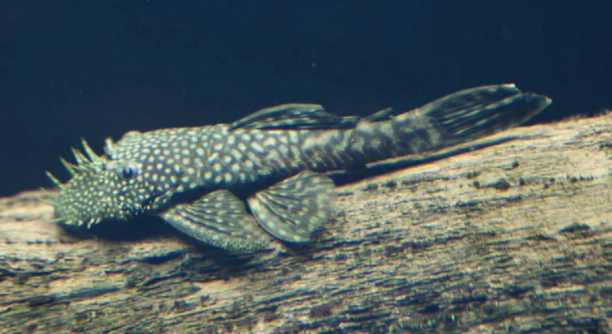
Plecostomus, also known as “suckermouth catfish,” are popular aquarium fish due to their algae-eating habits. However, there are instances when they jump from tanks, which can be alarming for owners. Understanding the reasons behind this behavior is important.
Plecostomus may jump from tanks for various reasons, including water quality issues, stress, and the need for more space. Poor water conditions, such as high ammonia levels or low oxygen, can trigger distress, causing them to leap out.
Knowing the causes of this behavior helps in making the necessary adjustments to create a safer environment for your fish. Keep reading for practical tips to ensure your Plecostomus stays happy and secure in its tank.
Why Do Plecostomus Jump?
Plecostomus are typically peaceful fish that thrive in well-maintained aquariums. However, sudden jumps from the tank can raise concerns. One common reason for this behavior is water quality. If the water is polluted or not properly oxygenated, these fish may seek a better environment by jumping. It is crucial to monitor ammonia, nitrate, and nitrite levels in the tank to avoid unhealthy water conditions.
Besides poor water quality, the tank’s size and environment can contribute to stress. Plecostomus can grow large, and if they are confined to a cramped space, they may feel anxious, prompting them to jump out. A tank that’s too small or lacks adequate hiding spaces can increase stress and lead to undesirable behaviors.
To address this, ensure that your Plecostomus has ample space to swim freely and that the water quality is consistently good. Regular water changes and a well-maintained filtration system can keep your fish comfortable and reduce the likelihood of them leaping from the tank.
How to Prevent Jumping
Creating a stable and secure tank environment is key to preventing jumping. It’s important to provide proper filtration and perform regular water changes to maintain high water quality. Adding live plants, caves, and other hiding spots helps your Plecostomus feel secure.
Consider using a tank lid or mesh cover if you have a jumping problem. This simple step can save your fish from falling out and getting injured. A lid prevents escape while allowing proper air circulation and light for your aquarium’s ecosystem.
Stress Factors for Plecostomus
Stress is one of the leading causes behind a Plecostomus jumping from the tank. These fish are sensitive to changes in their environment, especially if there is sudden noise, vibrations, or strong lights. A calm and quiet area is ideal for their well-being.
In addition to external stressors, overcrowding can lead to frustration and discomfort for your fish. Plecostomus require space to move around and establish their territory. Without enough room, they can become stressed and might attempt to escape.
Also, sudden changes in water temperature can shock them, making them more likely to jump. Avoid drastic fluctuations by using a reliable heater and checking temperatures regularly. Keeping the tank stable minimizes the chances of stress-induced jumping.
Space Requirements
Proper tank size plays a significant role in preventing jumping. As Plecostomus grow, they need larger tanks to feel comfortable. A small, cramped tank limits their movement and increases anxiety. It’s recommended to keep them in tanks of at least 50 gallons for a single fish.
When choosing a tank size, consider the species’ maximum size, which can be up to 24 inches. Providing sufficient swimming space is essential for their physical and mental health. A spacious environment allows Plecostomus to swim freely, reducing the need to escape. Proper tank size will also help in maintaining water quality, which can affect their behavior.
Water Quality
Maintaining water quality is crucial for Plecostomus. Poor water conditions can cause them to jump out of the tank. Ammonia, nitrate, and nitrite levels should be closely monitored to avoid toxicity. Regular water changes help keep these levels in check.
Using a high-quality filtration system ensures the water stays clean and well-oxygenated. Plecostomus need stable water parameters to thrive. Fluctuations in water temperature or chemistry can stress them out, making them more likely to leap. Keep an eye on the water quality to maintain a healthy and secure environment for your fish.
The Right Tank Lid
A proper tank lid can prevent accidental jumps. If your Plecostomus tends to escape, consider securing a lid or mesh cover over the tank.
This simple solution will protect your fish and keep them safely contained in the aquarium. A lid also helps maintain consistent humidity and prevents debris from entering the tank.
Stress from Tankmates
Tankmates can also contribute to stress for Plecostomus. Aggressive fish or those that crowd the space can make them feel threatened. Keeping peaceful species alongside Plecostomus helps create a calm environment.
By choosing the right companions, you ensure your Plecostomus isn’t put under unnecessary stress, reducing their desire to jump.
FAQ
Why do Plecostomus jump from the tank?
Plecostomus are more likely to jump if they are stressed, uncomfortable, or facing poor water conditions. Common triggers include high ammonia or nitrate levels, inadequate space, or insufficient hiding spots. When water quality is compromised, Plecostomus may leap out to find a better environment. Stress from aggressive tankmates or sudden environmental changes can also cause jumping.
How can I stop my Plecostomus from jumping?
To prevent jumping, ensure the tank is large enough and provides adequate hiding spots. Regularly check water parameters, especially ammonia, nitrate, and nitrite levels. Installing a lid or mesh cover will keep your Plecostomus from escaping. Reducing stress through a peaceful tank environment also helps minimize jumping.
Is my Plecostomus unhappy if it jumps?
Jumping can be a sign that your Plecostomus is unhappy or stressed. It could be responding to poor water conditions, a lack of space, or aggressive tankmates. If you notice this behavior, it’s important to assess and improve their environment to ensure they feel secure and comfortable in the tank.
What size tank does a Plecostomus need?
Plecostomus require a tank of at least 50 gallons, especially as they can grow quite large. A bigger tank provides more space for swimming and reduces stress. It’s essential to provide plenty of room for your fish to move freely, which also supports a healthy environment for them.
Can poor water quality cause Plecostomus to jump?
Yes, poor water quality is one of the leading causes of jumping. High levels of ammonia, nitrate, or nitrite, along with low oxygen levels, can cause stress in your Plecostomus. Regular water changes, proper filtration, and monitoring water parameters can help maintain healthy conditions and reduce the risk of jumping.
Should I add a lid to my tank to prevent jumping?
Adding a lid to the tank is a good idea if your Plecostomus has jumped before. A lid can help contain the fish, prevent escapes, and ensure the tank’s environment stays stable. It also keeps the tank clean by preventing debris from falling in.
Do Plecostomus need a filter?
Yes, Plecostomus benefit greatly from having a good filter in their tank. These fish require clean, well-oxygenated water to thrive. A filter removes waste and toxins, ensuring the water remains healthy and reduces the risk of stress, which can lead to jumping.
Can tankmates cause my Plecostomus to jump?
Tankmates can contribute to stress, which may lead to jumping. If your Plecostomus is kept with aggressive or overly active fish, it can feel threatened. It’s best to house Plecostomus with peaceful, non-aggressive species to reduce stress and avoid unwanted jumping behavior.
How often should I change the water in my Plecostomus tank?
Water changes should be done regularly, usually once a week or biweekly, depending on the tank size and filtration system. Regular changes help maintain water quality, which is essential for the health of your Plecostomus. Monitor water parameters between changes to ensure the environment remains stable.
Can temperature fluctuations make my Plecostomus jump?
Yes, sudden changes in water temperature can stress your Plecostomus, leading them to jump. To prevent this, ensure the tank temperature remains stable. Use a reliable heater and thermometer to monitor and adjust the temperature gradually if needed. A stable environment is essential for preventing jumping.
How do I know if my Plecostomus is stressed?
Signs of stress in Plecostomus include erratic swimming, hiding more than usual, and jumping out of the tank. If you notice these behaviors, check the water quality, tank size, and tankmates. Stress can be reduced by addressing the underlying causes, such as overcrowding or poor water conditions.
Are Plecostomus more likely to jump at night?
Yes, Plecostomus are often more active during the night, which could make them more likely to jump if they are stressed. It’s important to keep the tank environment as stable as possible at all times, including during the night. Ensure the water quality and space are optimal, especially when the lights are off.
What is the best way to prevent water quality issues?
Regular maintenance is key to preventing water quality problems. Perform consistent water changes, test the water regularly for ammonia, nitrate, nitrite, and pH levels, and ensure your filter is working properly. A well-maintained filtration system and stable water conditions will help reduce the likelihood of issues that may cause your Plecostomus to jump.
Can adding live plants help with jumping?
Yes, adding live plants can help reduce stress and create a more comfortable environment for your Plecostomus. Plants provide hiding spots, encourage natural behavior, and help improve water quality by absorbing excess nutrients. This makes the tank environment more secure, reducing the chances of jumping.
Is it normal for Plecostomus to jump occasionally?
Occasional jumping can be normal, especially if the fish is exploring its surroundings. However, frequent jumping may indicate stress or discomfort. It’s important to assess the environment and ensure that water quality, space, and tankmates are appropriate for the health and well-being of your Plecostomus.
Can I prevent jumping by using a larger tank?
Yes, a larger tank can help prevent jumping. Plecostomus need space to swim and establish their territory. A cramped tank can cause stress and lead to jumping behavior. Providing a larger tank ensures your fish has plenty of room, which will help reduce stress and the chances of jumping.
Do I need to adjust the pH for Plecostomus?
Plecostomus prefer a neutral to slightly acidic pH, typically around 6.5 to 7.5. If your tank’s pH is outside this range, it can cause stress and potentially lead to jumping. Regularly check the pH levels, and make gradual adjustments if necessary to create a stable environment.
Final Thoughts
Keeping a Plecostomus can be a rewarding experience, but it requires attention to detail. These fish thrive in stable environments, where water quality is consistently monitored, and where they have enough space to swim and hide. The more you understand their needs, the easier it will be to provide a healthy and comfortable habitat. It’s important to consider not just their size, but also the behavior of their tankmates. A peaceful, low-stress environment is key to preventing jumping and ensuring they remain healthy.
Water quality plays a significant role in the well-being of your Plecostomus. Regular water changes and the use of an efficient filtration system can help maintain clean, oxygen-rich water. Ammonia, nitrate, and nitrite levels should always be kept in check, as these can quickly build up and cause stress. Stable water temperature is equally important, as sudden fluctuations can also lead to jumping or other signs of distress. Maintaining a consistent routine for water testing and cleaning will go a long way in preventing issues.
Lastly, don’t overlook the importance of a tank lid. If your Plecostomus is prone to jumping, a secure lid can keep them from escaping and protect them from potential injury. Creating a safe and comfortable environment includes providing enough hiding spots, maintaining clean water, and ensuring proper tank conditions. By staying proactive with water maintenance, monitoring tankmates, and securing the tank, you can reduce the likelihood of jumping and provide a better overall experience for your Plecostomus.

Hello,
If you enjoy the content that we create, please consider saying a "Thank You!" by leaving a tip.
Every little bit helps us continue crafting quality advice that supports the health, happiness, and well-being of pets around the world, for pets of all shapes, sizes, and species.
We really appreciate the kindness and support that you show us!