
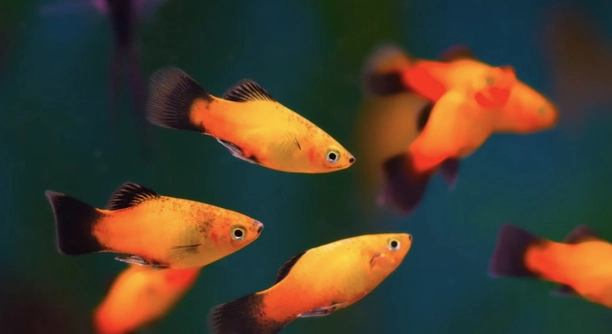
Platies are small, colorful fish that many people enjoy keeping in their home aquariums. Sometimes, these fish seem to disappear for long periods, staying hidden away rather than swimming openly. Understanding their behavior can help keep them healthy and comfortable.
Platies hide all day primarily due to stress, poor water conditions, or the presence of aggressive tank mates. These factors cause them to seek shelter to feel safe and avoid threats, which is essential for their survival and well-being in captivity.
Knowing why platies hide helps aquarium owners create a better environment for these peaceful fish. Learning about their needs can improve their behavior and overall health.
Common Causes of Platies Hiding
Platies often hide because their environment isn’t ideal. Poor water quality, such as high ammonia or nitrite levels, can stress them and make them seek shelter. Sudden changes in temperature or pH can also upset them. Aggressive tank mates are another reason platies stay hidden; if bigger or more active fish chase or bully them, hiding is their way to avoid harm. Lack of hiding spots in the tank may also cause stress, as these fish need places to feel secure. Overcrowding increases competition for space and resources, leading to more hiding behavior. Providing plants, decorations, or caves can make them feel safer and encourage more natural swimming activity. Paying attention to these details helps keep platies calm and visible.
Maintaining a peaceful community tank and good water conditions greatly reduces hiding behavior in platies.
Understanding these factors can help create a calm and welcoming aquarium environment where platies feel safe and comfortable. Ensuring stable water parameters with regular testing is important because platies are sensitive to water changes. Adding plenty of plants and structures offers shelter and reduces stress. Avoid keeping aggressive or overly active fish with platies to prevent intimidation. When platies feel secure and not threatened, they are more likely to explore and display their bright colors. Watching them swim freely is more enjoyable and indicates a healthy tank. By managing tank conditions carefully and providing hiding spots, you support platies’ natural behaviors without constant fear. This balance makes the aquarium a better place for both the fish and the keeper.
Signs Your Platies Are Stressed
When platies hide all day, it is often a sign of stress or discomfort.
Stress can show in changes in appetite, slow movements, or staying in one spot for too long. Other signs include clamped fins or loss of color. Watching these signs early helps prevent more serious health issues. If platies suddenly stop swimming around or eating, check the tank conditions and tank mates.
Stress in platies can stem from several sources. Poor water quality is the most common cause. High ammonia or nitrate levels irritate their gills and make breathing difficult. Sudden temperature changes shock their systems and cause hiding. The presence of aggressive fish may force platies to stay in hiding to avoid attacks. Lack of plants or caves leaves them feeling exposed and unsafe. Overcrowding creates competition and stress. Even loud noises or vibrations near the tank can disturb them. It is important to test water regularly, keep the tank clean, and avoid overcrowding. Introducing gentle, peaceful species reduces conflict. Providing plenty of hiding spots offers refuge and comfort. Observing fish behavior often helps spot stress early and allows quick adjustments. When stress is minimized, platies will be more active, healthy, and visible.
How to Improve Your Platies’ Environment
Providing a clean and stable environment helps platies feel safe and less likely to hide. Regular water changes keep harmful chemicals low. Adding plants and decorations gives them places to rest and explore.
Maintaining water quality is crucial. Test for ammonia, nitrites, and nitrates weekly to ensure safe levels. Temperature should stay steady, ideally between 72°F and 78°F, since fluctuations cause stress. Soft, gentle lighting mimics their natural habitat and reduces hiding. Decorations like plants and caves create hiding spots but also areas for swimming. Avoid overcrowding the tank, as too many fish can cause stress and increase hiding behavior. Balancing the tank’s ecosystem with peaceful species promotes harmony and encourages platies to be active and visible.
In addition, feeding them a balanced diet supports their health and energy. High-quality flakes or pellets, supplemented with occasional live or frozen foods, provide necessary nutrients. Overfeeding should be avoided because leftover food pollutes water, worsening hiding behavior. Observing your platies regularly allows quick responses to any changes in behavior or environment. Small improvements in the tank setup often lead to big changes in how comfortable and happy your platies feel.
Adjusting Tank Mates to Reduce Stress
Choosing compatible tank mates is key to reducing stress and hiding in platies. Avoid aggressive or overly active fish that chase or nip at them.
Platies are peaceful fish that thrive with other calm species. Good companions include tetras, mollies, and small catfish. Aggressive fish like cichlids or large barbs may intimidate platies and cause them to hide constantly. Observing interactions can help spot trouble early. If aggression occurs, separating fish or rearranging the tank can reduce conflict. Sometimes, simply adding more hiding spots lessens stress from tank mates. Keeping the community balanced and peaceful helps platies feel safe, encouraging them to swim openly rather than hide away.
Importance of Hiding Spots
Hiding spots help platies feel safe and reduce stress. Plants, caves, and decorations offer refuge when they feel threatened or shy.
Without enough hiding places, platies may stay hidden all day, afraid to explore their tank. Providing these spaces encourages natural behavior and comfort.
How Lighting Affects Platies
Lighting plays a big role in platies’ comfort. Too bright light can stress them, causing them to hide more often. Soft, natural lighting is best. It simulates their natural environment and makes them feel secure. Using a timer to keep a regular day-night cycle helps regulate their activity and keeps stress low.
Monitoring Water Temperature
Keeping water temperature stable between 72°F and 78°F is important for platies. Sudden changes can make them stressed and withdrawn.
Feeding Tips for Active Platies
Regular feeding with quality food keeps platies healthy and active. Avoid overfeeding to maintain good water quality.
FAQ
Why do platies hide more at certain times of the day?
Platies often hide during the brightest parts of the day because strong light can make them feel exposed and vulnerable. They tend to be more active during softer lighting, like early morning or late afternoon. Providing shaded areas or floating plants can help them feel safe to swim around anytime.
Can poor water quality cause platies to hide all day?
Yes, poor water quality is a major reason platies hide. High ammonia, nitrite, or nitrate levels irritate their gills and cause discomfort. This makes them seek shelter to avoid stress. Regular water testing and changes are essential to keep their environment safe and encourage natural activity.
Do aggressive tank mates affect platies’ behavior?
Aggressive or overly active fish can intimidate platies, forcing them to hide frequently. This stress affects their health and happiness. It’s best to keep platies with peaceful species to reduce hiding and encourage social behavior.
How many hiding spots does a tank need for platies?
A good rule of thumb is to provide several hiding spots, like plants, caves, or decorations, spread throughout the tank. This way, platies can retreat anywhere they feel threatened. The exact number depends on tank size but more hiding places usually means less stress.
Is it normal for platies to hide during breeding?
Yes, female platies often hide more during breeding times to protect themselves from males or other fish. Males may also seek cover to avoid competition. This is a natural behavior and usually passes once breeding is over.
Can sudden changes in water temperature cause hiding?
Sudden drops or spikes in temperature shock platies and make them hide. Stable water temperature between 72°F and 78°F is best. Using a heater and thermometer helps maintain a comfortable environment.
Does feeding frequency affect platies’ hiding?
Feeding platies regularly with quality food keeps them healthy and less likely to hide. Overfeeding can pollute the tank and cause stress, increasing hiding. Feeding small amounts twice daily is usually ideal.
Are platies more likely to hide if the tank is overcrowded?
Yes, overcrowding causes competition for space and food, stressing platies and pushing them into hiding. Maintaining an appropriate fish population based on tank size helps keep platies confident and active.
What signs show that platies are stressed besides hiding?
Besides hiding, stressed platies may lose color, have clamped fins, eat less, or swim sluggishly. These signs should prompt checking water quality, tank mates, and environment to reduce stress.
Can adding live plants reduce hiding behavior?
Live plants provide natural hiding spots and improve water quality, making platies feel safer and less stressed. Plants also offer a more natural environment, encouraging platies to explore and swim freely instead of hiding.
Final Thoughts
Platies are peaceful and colorful fish that can bring a lot of joy to an aquarium. When they hide all day, it usually means something in their environment is making them uncomfortable. It’s important to remember that hiding is a natural behavior for platies when they feel stressed or unsafe. This can happen for many reasons, including poor water quality, aggressive tank mates, or a lack of proper hiding spots. Understanding these factors helps you create a better home for your fish and encourages them to swim freely and show their true colors.
Keeping the water clean and stable is one of the best ways to help platies feel comfortable. Regular water tests and changes keep harmful chemicals low and maintain the right temperature and pH. Providing plenty of plants and decorations gives platies places to hide when they want to, but also enough open space to swim when they feel safe. Choosing peaceful tank mates and avoiding overcrowding reduces stress and makes a big difference in how often your platies come out of hiding. Watching your fish’s behavior closely lets you catch problems early and make changes to improve their wellbeing.
Patience is key when caring for platies that hide a lot. Changes in behavior don’t always fix overnight, but small improvements add up. Making sure your fish have a stable, peaceful environment will help them feel more secure over time. The goal is to create a balanced aquarium where platies can thrive and show off their bright colors. With attention and care, your platies will spend less time hiding and more time swimming actively, bringing life and beauty to your tank.

Hello,
If you enjoy the content that we create, please consider saying a "Thank You!" by leaving a tip.
Every little bit helps us continue crafting quality advice that supports the health, happiness, and well-being of pets around the world, for pets of all shapes, sizes, and species.
We really appreciate the kindness and support that you show us!