
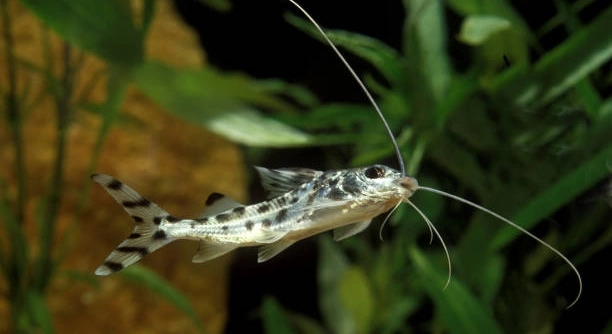
Pictus catfish are known for their ability to blend into their surroundings, often disappearing from sight in home aquariums. Their natural habitat encourages this behavior, making them experts at staying out of view. Many fishkeepers appreciate this quiet, elusive trait.
Pictus catfish are good at hiding due to their spotted patterns, nocturnal habits, and preference for shelter among plants or decorations. These adaptations help them avoid predators and reduce stress in their environment.
Learning how pictus catfish use their environment can help owners provide better care and create a comfortable space for these shy fish. Their hiding skills are more than just survival—they reflect their natural behavior.
Natural Camouflage and Patterning
Pictus catfish have a distinct spotted pattern covering their bodies. These spots break up their outline, helping them blend into the gravel, plants, and shadows in their environment. This natural camouflage makes it harder for predators to spot them. In the wild, they live in rivers with lots of plants and debris, which adds to their ability to stay hidden. Their silver-gray body with black spots matches well with the dappled light underwater, enhancing their concealment. This patterning also helps them approach prey quietly without being noticed. When kept in aquariums, providing similar backgrounds with plants and hiding spots allows them to feel secure and act naturally. The combination of pattern and habitat is key to their effective hiding skills. It is a simple but important aspect of their survival and comfort.
Their spotted bodies serve as a natural disguise in both the wild and home tanks, reducing visibility.
Creating an environment that mimics their natural surroundings supports their health. Dense plants, rocks, and driftwood provide shadows and hiding spaces, making pictus catfish more confident. Without enough cover, they can become stressed and shy, often hiding for long periods. Proper tank setup encourages natural behavior and reduces their need to stay hidden constantly. These fish also prefer dim lighting or subdued aquarium lights. This setting reduces stress and makes their camouflage even more effective. Knowing this helps fishkeepers keep pictus catfish comfortable and less prone to illness.
Nocturnal Behavior and Hiding Habits
Pictus catfish are mostly active at night, spending daylight hours resting or hiding. This nocturnal behavior means they seek shelter during the day, often under plants, rocks, or tank decorations. By avoiding bright light and staying in shaded areas, they protect themselves from predators and stress. Their eyes are adapted to low light, giving them an advantage when hunting or moving around at night. This behavior is instinctive and important for their well-being in captivity. Fishkeepers who understand this tend to provide dim lighting or create quiet hiding spots for their catfish, helping them feel safe. Nighttime activity is a natural trait that should be respected to maintain healthy fish.
Nighttime activity keeps pictus catfish hidden during the day, enhancing their survival and comfort.
Because they are nocturnal, these catfish use hiding spots as safe resting places. Providing caves, plants, or PVC tubes gives them a retreat where they can rest undisturbed. It is also essential to keep the tank environment calm, avoiding sudden changes or loud noises that might cause stress. Night feeders or feeding at dusk can encourage natural behavior and allow owners to observe their active side. Overall, their nocturnal lifestyle shapes their need for hiding and affects how they interact with their environment. Supporting these habits in captivity creates a healthier, less stressed fish.
Adaptability to Different Environments
Pictus catfish quickly adjust to various tank setups, which helps them hide effectively. Their flexible nature allows them to use whatever cover is available.
In new tanks, pictus catfish explore slowly, learning where to find shelter. They use plants, rocks, and decorations to create hiding spots. This adaptability is why they do well in many aquarium conditions. Their natural instinct to stay hidden helps reduce stress during changes. If the tank is sparse, they may seek out corners or substrate to blend into. This skill makes them resilient in both planted tanks and simpler setups.
Even when placed in unfamiliar environments, pictus catfish find ways to stay safe. Their ability to adapt helps them avoid danger and feel secure despite different surroundings. It is important to provide some form of shelter to support this natural behavior and encourage healthy activity.
Sensory Abilities Supporting Hiding
Pictus catfish rely heavily on their sensitive barbels to detect surroundings in low light. These barbels help them find food and sense nearby objects while staying hidden.
Their barbels are covered in taste buds and sensory cells, allowing them to explore dark or murky waters without exposing themselves. This sense compensates for limited vision during nighttime activity or while hiding. Their lateral line system detects vibrations, alerting them to movement or threats nearby. These sensory abilities allow pictus catfish to stay concealed while remaining aware of their environment. It is a vital part of how they avoid danger and navigate safely.
Because of these sensory adaptations, pictus catfish feel confident moving quietly around their tank. This ability supports their natural hiding instincts and helps maintain a calm, stress-free state. Encouraging such conditions benefits their overall health and behavior.
Importance of Shelter in the Aquarium
Shelter is essential for pictus catfish to feel secure. Without hiding spots, they become stressed and may hide excessively or stop eating.
Providing caves, plants, or decorations creates safe zones. These spaces allow them to rest and avoid bright light or tank activity comfortably.
Interaction with Other Fish
Pictus catfish are peaceful but shy. They tend to avoid aggressive or overly active tank mates. When housed with calm fish, they feel less threatened and use hiding spots less frequently. Ensuring compatible tank mates helps reduce stress and encourages natural behavior.
Lighting Conditions
Bright lighting causes pictus catfish to seek shelter more often. Dim or subdued light helps them feel comfortable and display natural activity patterns.
Feeding and Hiding
Pictus catfish often feed during low light or at night. Providing food in hidden areas supports their natural foraging and hiding habits.
FAQ
Why do pictus catfish hide so much?
Pictus catfish hide frequently because it is their natural instinct to avoid predators. In the wild, they live among plants and rocks where hiding helps them stay safe. In aquariums, hiding reduces stress and makes them feel secure. If their environment lacks enough cover, they may hide more to cope.
How can I create a good hiding environment for my pictus catfish?
Providing plenty of plants, caves, and decorations will offer good hiding spots. Driftwood and rocks can also create shaded areas. Using a dark substrate helps their camouflage. Make sure to place decorations so the fish can easily retreat when they want to feel safe.
Is it normal for pictus catfish to be active only at night?
Yes, pictus catfish are nocturnal, meaning they are mostly active at night. During the day, they prefer resting or hiding in shaded areas. This behavior helps protect them from predators and stress. Feeding them at dusk or in low light supports their natural rhythm.
Do pictus catfish need special lighting conditions?
They do best in dim or subdued lighting. Bright light can stress them and cause excessive hiding. Using floating plants or adjustable aquarium lights can help reduce light intensity. This lighting creates a comfortable environment that mimics their natural habitat.
Can pictus catfish live with other fish?
Pictus catfish are peaceful but shy, so they do best with calm tank mates. Avoid housing them with aggressive or very active fish, as this can cause stress. Compatible species encourage natural behavior and reduce hiding due to fear.
What role do barbels play in their hiding ability?
Barbels are sensory organs that help pictus catfish detect food and obstacles in dark or murky water. These sensitive whisker-like structures allow them to explore without exposing themselves to danger. They use barbels to navigate tight spaces and stay hidden while searching for food.
How does their spotted pattern help them hide?
The spotted pattern breaks up their body outline, blending them into gravel and plants. This natural camouflage reduces their visibility to predators and tank mates. The pattern works well with dappled light and shadows, especially in planted tanks.
Why do pictus catfish hide more in some tanks than others?
Tanks with fewer hiding spots or brighter lighting cause pictus catfish to hide more. Stress from aggressive tank mates or sudden changes can also increase hiding behavior. Providing adequate shelter, compatible fish, and calm conditions helps reduce this tendency.
How often should I feed pictus catfish to encourage healthy activity?
Feeding them once or twice a day, preferably during low light or evening hours, encourages natural foraging behavior. Offering sinking pellets or frozen foods helps them feed comfortably near the bottom without exposing themselves too much.
Can pictus catfish become stressed from too much hiding?
Yes, excessive hiding can be a sign of stress or poor tank conditions. If they never come out to feed or explore, it may indicate problems such as poor water quality, inadequate hiding spaces, or aggressive tank mates. Monitoring their behavior helps catch issues early.
What tank decorations work best for pictus catfish hiding?
Caves, hollow logs, dense plants, and driftwood provide excellent cover. Decorations should have smooth edges to prevent injury. Arranging them to create shaded, quiet corners allows pictus catfish to feel safe and comfortable throughout the tank.
Are there any signs that pictus catfish feel safe and well in their environment?
When pictus catfish swim openly and explore during low light, it shows comfort. Eating regularly and resting in visible spots also indicate they feel secure. Limited hiding and active behavior mostly at night are good signs of well-being.
How big should the tank be to support their hiding habits?
A tank of at least 30 gallons offers enough space to create hiding spots while allowing free movement. Larger tanks with more complex environments encourage natural behavior and reduce stress. Crowded or small tanks limit their ability to hide and feel secure.
Can pictus catfish recognize their owners or tank mates?
While they do not recognize owners like some pets, pictus catfish may become accustomed to regular feeding and gentle tank activity. They learn to associate certain routines with food but remain shy and cautious around new or sudden movements.
How important is water quality for pictus catfish hiding behavior?
Water quality is crucial. Poor water conditions increase stress, causing pictus catfish to hide more and become less active. Maintaining clean, stable water with regular changes supports their health and natural behavior, encouraging balanced hiding and activity.
Do pictus catfish use hiding as a way to rest?
Yes, hiding spots serve as resting areas where they feel protected. During the day or inactive periods, they retreat to quiet places to conserve energy and avoid disturbances. Resting in shelter is part of their normal routine.
What should I do if my pictus catfish never comes out of hiding?
Check water parameters and tank setup first. Make sure there are enough hiding places and calm tank mates. Adjust lighting to be dimmer. If the fish still hides constantly, it may be sick or stressed. Consulting an expert or veterinarian is recommended.
Final thoughts on pictus catfish and their hiding behavior focus on understanding their natural instincts and needs. These fish are not simply shy; their ability to hide is a vital survival skill developed over time. Their spotted patterns, nocturnal habits, and sensitivity to light and surroundings all work together to help them stay safe in both the wild and home aquariums. Recognizing this behavior as normal helps fishkeepers provide better care and a more comfortable environment. It is important to remember that hiding is not a problem but a sign of healthy, natural behavior.
Creating the right environment is key to supporting pictus catfish. Providing plenty of hiding spots such as caves, plants, and decorations gives them places to rest and feel secure. Lighting should be kept soft or dim, avoiding bright tanks that can cause stress. Their nocturnal nature means they are most active at night, so feeding during low light hours is ideal. It’s also important to choose calm tank mates, as aggressive or overly active fish can increase hiding behavior due to fear. Maintaining good water quality supports their health and encourages natural activity levels.
Overall, pictus catfish are fascinating creatures that rely heavily on their ability to stay hidden. Their natural instincts should be respected in captivity to ensure their well-being. By understanding their needs and habits, fishkeepers can create a balanced tank environment that allows these catfish to thrive. Watching their quiet, shy behavior unfold can be rewarding, knowing it reflects a well-cared-for and stress-free fish. Supporting their hiding tendencies ultimately leads to healthier, happier pictus catfish.

Hello,
If you enjoy the content that we create, please consider saying a "Thank You!" by leaving a tip.
Every little bit helps us continue crafting quality advice that supports the health, happiness, and well-being of pets around the world, for pets of all shapes, sizes, and species.
We really appreciate the kindness and support that you show us!