
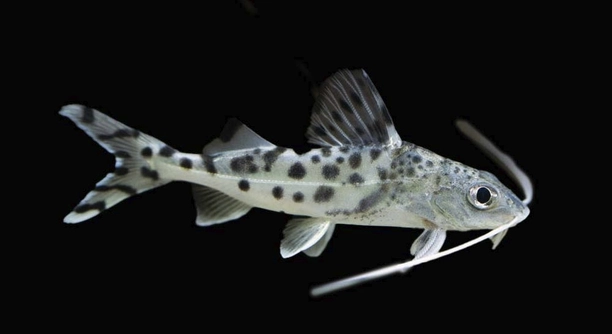
Do you ever find yourself frustrated when your pictus catfish turn their noses up at food they used to enjoy?
Pictus catfish are considered fussy eaters mainly due to their sensitivity to water quality, stress, and changes in diet. Their selective feeding habits are also influenced by tank conditions, competition, and the availability of live or high-protein foods.
Learning what causes these changes can help you create a stable feeding routine and keep your catfish healthy and more willing to eat.
Why Pictus Catfish Refuse Food
Pictus catfish may refuse food if they are stressed, kept in poor water conditions, or are exposed to sudden changes in their environment. They prefer consistency, and any disruption to their tank setup can affect their appetite. Stress from aggressive tankmates, incorrect lighting, or being moved to a new tank can cause them to hide and stop eating. They are also sensitive to shifts in water temperature, pH, or ammonia levels. If their diet lacks variety or protein, they might ignore food altogether. Feeding them the same pellets every day may not be enough. Live or frozen foods like bloodworms and brine shrimp are usually more appealing to them. These fish are naturally active and require both clean conditions and mental stimulation. Without this, their feeding patterns will change, and they might even go days without touching food. Keeping the tank clean and offering diverse food can make a big difference.
Avoid feeding during times of high tank activity or right after water changes, as they are less likely to eat then.
A balanced mix of high-protein food and steady tank conditions will help maintain a healthy feeding pattern for your pictus catfish. Always keep an eye on changes in behavior or tank setup.
Common Mistakes Owners Make
Feeding them only once a day or sticking to one food type is not ideal for maintaining a good appetite.
Many owners don’t realize that pictus catfish are nocturnal and may not eat during the day. Feeding them after the lights go out aligns better with their natural behavior. Overfeeding or leaving uneaten food in the tank also lowers water quality, making them even less interested in eating. Another issue is using food that’s too large. Pictus catfish have small mouths and prefer bite-sized meals. Some people also house them with more aggressive fish, which stresses them out and causes them to avoid food. A lack of hiding spaces in the tank can leave them feeling exposed and anxious, leading to inconsistent feeding. To keep them healthy and eating regularly, provide a mix of live and frozen protein-rich foods, maintain stable water parameters, and observe their behavior closely. These small changes can help build a more predictable and reliable feeding routine.
How Tank Conditions Affect Feeding
Poor tank conditions are a major reason pictus catfish lose interest in food. Dirty water, low oxygen levels, and unstable temperatures make them uncomfortable and stressed, which directly affects their appetite and activity.
Pictus catfish need clean, well-oxygenated water to feel secure and active. Ammonia, nitrite, or nitrate buildup can quickly impact their health and feeding behavior. Regular water changes, proper filtration, and keeping the temperature between 75–81°F are essential. If the water is too cold or full of waste, they may hide and ignore food. Sudden changes in pH or lighting can also lead to temporary fasting. It’s important to test the water weekly and keep things consistent. Dim lighting and enough hiding spots reduce stress and help them feel safe enough to eat. A stable environment is often all it takes to get them interested in food again.
Even strong currents from filters can make them uncomfortable. Keep water flow moderate and ensure the substrate is clean. Cloudy water or strong smells are early signs something is wrong. Acting quickly helps keep feeding patterns steady.
Importance of Feeding Time and Routine
Feeding them randomly throughout the day can confuse their internal rhythms and discourage consistent eating. Stick to a predictable routine that matches their natural nocturnal activity levels.
Pictus catfish feel more comfortable feeding during quiet, low-light hours, especially after the main room lights go off. Feeding them at night, at the same time every day, encourages better eating habits. If they share a tank, feed the other fish first and let the pictus catfish eat in peace afterward. Drop the food in areas where they feel safe, like near plants or caves. Using tongs or sinking food helps reach them directly. Don’t overfeed or switch food brands too often—this can confuse or upset their stomachs. Keep a simple routine, monitor leftovers, and adjust food quantity gradually. When they know what to expect, they become more confident eaters and less likely to ignore meals.
How Food Type Influences Appetite
Dry flakes or generic pellets are often ignored by pictus catfish, especially if they’ve had live or frozen food before. They prefer soft, meaty options like bloodworms, brine shrimp, or small sinking pellets made specifically for bottom feeders.
Switching between food types too often can also confuse their feeding habits. They tend to respond better when offered familiar textures and smells. Keep protein content high and avoid foods with fillers or large chunks they can’t swallow easily. A consistent and varied diet helps prevent boredom and keeps their interest in food steady.
Stress From Tankmates
Pictus catfish may refuse food if housed with aggressive or overly active tankmates. Fast swimmers or territorial fish can make feeding stressful. Keep them with peaceful species and provide space to avoid competition during meals.
Signs Your Pictus Catfish Is Eating Well
A healthy pictus catfish shows regular movement, smooth swimming patterns, and a full, but not bloated, belly. If they come out during feeding time and explore after, their appetite is likely normal.
FAQ
Why is my pictus catfish not eating at all?
Pictus catfish often stop eating due to stress, poor water conditions, or sudden changes in their environment. Check the water parameters first—ammonia, nitrites, and nitrates should be at safe levels. Also, ensure the temperature is stable and between 75–81°F. Stress from aggressive tankmates or a noisy environment can cause them to hide and refuse food. Sometimes they are adjusting to a new tank and need time to settle. Offering live or frozen foods rather than dry pellets might encourage them to eat again.
Can I feed my pictus catfish human food?
It’s best to avoid feeding human food to pictus catfish. Many human foods contain ingredients that can harm their digestive system or pollute the water. Stick to high-quality commercial foods designed for bottom feeders, along with occasional live or frozen protein like bloodworms and brine shrimp. Feeding the right food keeps them healthy and reduces the risk of water contamination from uneaten leftovers.
How often should I feed my pictus catfish?
Feeding once or twice a day is usually enough. They are nocturnal feeders, so feeding in the evening or after lights out is ideal. Avoid overfeeding, as leftover food can foul the water and reduce their appetite. If they aren’t eating, skip feeding for a day or two to prevent water quality issues. Monitor their behavior and adjust feeding times as needed.
What type of food is best for picky pictus catfish?
High-protein foods like live or frozen bloodworms, brine shrimp, and specially formulated sinking pellets work best. Pictus catfish prefer soft, meaty food rather than dry flakes or large pellets. Introducing a variety of foods helps prevent boredom and encourages regular feeding. Try offering small amounts of different types to see what they prefer.
Can water quality affect my catfish’s eating habits?
Yes, water quality has a direct impact on feeding. High ammonia or nitrate levels, incorrect pH, or sudden temperature changes cause stress and loss of appetite. Regular water testing and maintenance keep conditions stable and support healthy feeding. Clean water makes pictus catfish feel secure and more willing to eat.
How do I know if my pictus catfish is stressed?
Signs of stress include hiding frequently, erratic swimming, fading color, and refusing food. Stress may come from tankmates, water issues, or sudden environmental changes. Adding plenty of hiding places and maintaining stable tank conditions helps reduce stress and improve feeding behavior.
Is it normal for pictus catfish to skip meals sometimes?
Occasionally skipping meals is normal, especially if the tank conditions are not ideal or if they are molting or breeding. However, if skipping meals becomes regular, it could signal health problems or poor water quality. Keep an eye on their overall behavior and tank environment to address issues early.
How can I encourage my pictus catfish to eat more regularly?
Create a consistent feeding schedule that matches their nocturnal habits. Offer live or frozen foods to attract them and reduce tank stress by providing hiding spots and peaceful tankmates. Keeping water clean and stable supports healthy eating. Using feeding tools like tongs to place food near them can also help.
Can tank size affect my pictus catfish’s appetite?
Yes, a tank that is too small or overcrowded can stress pictus catfish and reduce their appetite. They need enough space to swim and hide comfortably. Overcrowding causes competition and anxiety, leading to less interest in food. Providing a spacious, well-planted tank encourages natural behavior and better feeding.
What should I do if my pictus catfish refuses all types of food?
If your catfish won’t eat anything, check water quality and tank conditions immediately. Try offering live foods like bloodworms or brine shrimp. Make sure they have hiding spots and that the tankmates aren’t stressing them. If the problem continues for more than a week, consider consulting a veterinarian experienced with fish. Early action can prevent serious health issues.
Pictus catfish can be fussy eaters for many reasons. Their feeding habits depend a lot on the environment they live in, the type of food they receive, and how comfortable they feel in their tank. When conditions are right, they usually eat well and stay active. However, changes in water quality, stress from tankmates, or sudden shifts in diet can cause them to lose interest in food. Understanding these factors helps prevent feeding problems and supports the health of your catfish. It’s important to pay close attention to their behavior and adjust their care routine as needed.
Maintaining a clean tank with stable water parameters is key to keeping pictus catfish comfortable and willing to eat. Regular water testing and changes remove harmful toxins and create a safer space for the fish. Providing hiding spots and peaceful tankmates reduces stress, which often improves appetite. Feeding a variety of foods, especially protein-rich live or frozen options, keeps them interested and ensures proper nutrition. Feeding at consistent times, especially during their natural active hours, also encourages better eating habits. Small changes in care can have a big impact on their willingness to eat.
In summary, patience and consistency are important when caring for pictus catfish. They may refuse food at times, but this is often linked to environmental or routine factors that can be fixed. By focusing on good water quality, proper tank mates, and a varied diet, you can support their health and reduce feeding issues. Watching their behavior closely helps catch problems early before they become serious. With steady care, pictus catfish can become regular, confident eaters and enjoyable additions to your aquarium.

Hello,
If you enjoy the content that we create, please consider saying a "Thank You!" by leaving a tip.
Every little bit helps us continue crafting quality advice that supports the health, happiness, and well-being of pets around the world, for pets of all shapes, sizes, and species.
We really appreciate the kindness and support that you show us!