
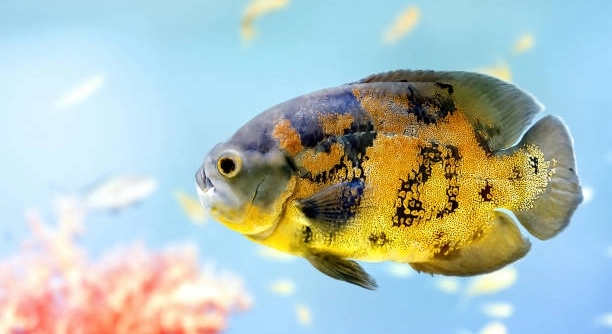
Oscar fish are known for their playful and energetic personalities, but sometimes they freeze in place for reasons that may leave owners puzzled. Understanding why this happens can help you better care for these unique aquarium companions.
Oscar fish often freeze in place due to stress, changes in their environment, or health issues. Stressors like water temperature fluctuations, tankmates, or sudden movements can cause this behavior. Illness or discomfort can also lead to the same reaction.
Knowing the reasons behind your Oscar fish’s behavior is key to ensuring a healthy tank environment. Understanding these factors will help you maintain a happy, thriving pet.
Why Do Oscar Fish Freeze in Place?
Oscar fish can freeze in place for several reasons. One common cause is stress. Stressful events such as changes in water temperature, improper tank conditions, or even sudden movements around the tank can cause your Oscar fish to freeze. It’s their way of handling a situation that feels threatening. If you’ve just added new tank mates or rearranged the tank, your Oscar might need some time to adjust. Stress can also occur when the fish is intimidated by other fish or feels trapped.
Stress isn’t the only reason an Oscar fish might freeze. Sometimes, health issues such as infections or parasites can cause your Oscar to act unusually. Their body might be signaling that something’s wrong, and freezing can be a sign of discomfort or weakness. Observing their behavior closely can help identify when health might be the issue.
Health problems can also arise from water quality. Poor water conditions, like high ammonia or nitrate levels, can be harmful to your Oscar. These issues can stress the fish, causing it to freeze. Checking water parameters and keeping the tank clean is essential to maintaining your fish’s health. Regular water changes and proper filtration are key to preventing illness.
How to Reduce Stress for Oscar Fish
Reducing stress in Oscar fish begins with creating a stable environment. It’s important to monitor water temperature regularly and make sure it’s within the ideal range. If possible, avoid making sudden changes in the tank, like adding new fish or moving decorations too often.
Ensuring your Oscar feels safe in its tank is crucial. A consistent feeding routine and stable water parameters reduce the chances of stress. Avoid overcrowding, and ensure that there’s enough space for your fish to swim freely. This will help your Oscar feel secure and reduce the likelihood of freezing behavior.
Lastly, observe your fish for any signs of illness. Early detection of health issues can prevent more serious problems. Keeping the tank environment clean and safe should help your Oscar live a long and healthy life without frequent stress episodes. Regular checkups and water quality tests can prevent stress from becoming a recurring issue.
Water Quality and Its Impact on Oscar Fish Behavior
Oscar fish are sensitive to changes in water quality. Poor water conditions, such as high ammonia or nitrate levels, can cause stress, leading to freezing behavior. Regular water testing and monitoring are essential for maintaining a healthy environment. Keeping water parameters stable can help reduce stress and prevent health issues.
Ammonia and nitrites are particularly harmful to Oscar fish. High levels can irritate their gills and lead to respiratory problems. This stress can cause the fish to freeze in place as a reaction to feeling unwell. Proper filtration systems and frequent water changes can prevent these issues from developing. Always check your water parameters regularly to ensure they are within safe ranges.
Water temperature is another crucial factor. If the temperature fluctuates too much, your Oscar fish might freeze in place due to stress or discomfort. Keeping the water temperature stable is important for their health. A heater with a thermostat will help maintain the correct temperature for your Oscar fish.
Tank Size and Its Effect on Oscar Fish Behavior
The size of the tank plays a significant role in the behavior of Oscar fish. A small tank can lead to overcrowding, which increases stress and may cause freezing behavior. Oscars need ample space to swim and explore. If your tank is too small, your fish may feel trapped, leading to stress.
A 75-gallon tank is the minimum recommended size for one Oscar fish. The larger the tank, the more space your Oscar will have to swim freely and reduce its stress. A spacious tank also allows for better water quality management. With proper filtration and more water volume, it’s easier to maintain the right parameters for your fish.
Adding tank mates can also affect your Oscar’s behavior. If the tank is overcrowded, territorial disputes may occur, causing stress. If your Oscar feels threatened by other fish, it might freeze in place to avoid conflict. Providing plenty of space for each fish helps minimize this risk.
Tank Mates and Their Influence on Oscar Fish
Oscar fish are territorial creatures. When introduced to new tank mates, they may freeze in place as a sign of stress or aggression. It’s important to choose tank mates that won’t trigger this defensive behavior. Ideally, Oscars should be paired with similar-sized fish that aren’t overly aggressive.
If the tank mates are too small, your Oscar might feel threatened, or worse, may try to eat them. On the other hand, aggressive fish could provoke your Oscar, causing it to freeze or become stressed. It’s essential to observe how your Oscar reacts to new tankmates and adjust accordingly. A peaceful, well-balanced tank ensures the Oscar can thrive without unnecessary stress.
Water Temperature Fluctuations and Their Impact
Oscar fish require a stable water temperature, ideally between 75-80°F (24-27°C). Any significant fluctuation can cause stress, which may lead to freezing behavior. Maintaining a consistent temperature with a good aquarium heater is crucial for their overall health. Regular checks prevent sudden changes that could negatively affect your fish.
Oscars are particularly sensitive to sudden drops in temperature. If the water gets too cold, they may freeze in place, showing signs of discomfort. A temperature shock can weaken their immune system, making them more susceptible to diseases. Monitoring the temperature regularly will keep your Oscar fish comfortable.
Health Issues Leading to Freezing Behavior
If an Oscar is sick, it might freeze in place as a sign of distress or discomfort. Common health problems such as parasites, infections, or injuries can cause this behavior. Noticing the early signs of illness can help prevent further complications. Prompt treatment is essential for recovery.
Fish that are sick often show other signs besides freezing, like loss of appetite or unusual swimming patterns. If you observe any of these symptoms along with freezing, it’s important to address the issue quickly. Seeking advice from a vet or experienced aquarium keeper can make a significant difference in treatment.
FAQ
Why does my Oscar fish suddenly freeze in place?
Oscars freeze in place primarily due to stress or discomfort. It could be a reaction to poor water quality, changes in the tank environment, or the presence of aggressive tank mates. Health issues such as infections or parasites can also cause this behavior. Stressors like sudden water temperature changes, overcrowding, or new fish additions can trigger this freezing response as a way for the fish to handle the situation. Keeping water conditions stable and observing the fish’s overall health can help minimize this behavior.
How can I reduce stress for my Oscar fish?
Reducing stress starts with maintaining a stable tank environment. Ensure your Oscar’s tank has appropriate water temperature, clean water, and enough space for the fish to swim comfortably. Avoid sudden changes in the tank like moving decorations or introducing new fish too frequently. Regular water testing is also important to ensure that ammonia, nitrite, and nitrate levels are safe. Provide hiding spots in the tank where your Oscar can retreat when feeling stressed, as this can make them feel safer and more secure.
How can I tell if my Oscar fish is sick?
Sick Oscar fish often display symptoms such as lethargy, loss of appetite, or unusual swimming patterns. They might stay in one spot, freeze, or act less responsive than usual. Other signs include clamped fins, cloudy eyes, abnormal gill movement, or visible sores and lesions on their body. If your Oscar shows these signs, it’s important to investigate the water quality and check for any potential stressors. Consulting with a vet or an aquarium expert for diagnosis and treatment is recommended if you suspect illness.
What should I do if my Oscar fish is freezing frequently?
If your Oscar is freezing often, first check the water quality and temperature. Poor water conditions or fluctuating temperatures can cause this behavior. Make sure the tank is properly filtered and that the ammonia and nitrate levels are safe. If the water quality is fine, observe if there are any new stress factors, such as aggressive tank mates or changes in the environment. If none of these factors seem to be the cause, consider checking the fish for signs of illness. Regularly monitoring your Oscar’s behavior and health will help keep them comfortable and prevent freezing episodes.
Can Oscar fish get along with other fish?
Oscar fish are known to be territorial and can be aggressive, especially when they feel threatened. However, they can live peacefully with other large fish that are not too aggressive or small enough to be seen as prey. Good tank mates for Oscar fish include other large cichlids, plecos, and large catfish. Avoid keeping Oscars with smaller fish or overly aggressive species. Providing enough space and hiding spots for all fish in the tank can reduce aggression and help everyone coexist more peacefully.
What is the ideal tank size for an Oscar fish?
The minimum recommended tank size for a single Oscar fish is 75 gallons. Oscars grow quite large, reaching lengths of up to 12-14 inches, and they require a lot of space to swim and thrive. A larger tank is even better, as it allows for better water quality management and reduces the risk of stress. If you plan on keeping multiple Oscars or other large fish, you will need a larger tank. Proper tank size is essential for their health, and overcrowding can lead to stress and health problems.
How often should I clean my Oscar fish tank?
Regular tank maintenance is essential to keep your Oscar fish healthy. Perform partial water changes every week, removing 25-30% of the water. This helps to maintain water quality and remove waste products like nitrates and ammonia. Clean the substrate, decorations, and filter media as needed. Be sure to check the water parameters (pH, ammonia, nitrites, nitrates) regularly to ensure they are within safe ranges. Never clean the entire tank at once to avoid sudden changes in the water chemistry, which can stress the fish.
Is it normal for my Oscar fish to act aggressively toward other fish?
Yes, Oscar fish can be quite territorial, especially when they are settling into a new environment or are feeling stressed. Aggression is typical when they feel their space is being threatened, or they are competing for food. However, aggression should not be constant, and it’s important to monitor their behavior. If your Oscar consistently bullies or chases other fish, you may need to consider rehoming aggressive tank mates or providing more hiding places to reduce territorial conflicts.
Can Oscar fish live with other species in the same tank?
While Oscars can live with other species, it’s important to choose compatible tank mates. They generally do well with other large, non-aggressive fish. Small fish or slow-moving species are at risk of being eaten or harassed. It’s important to consider each fish’s temperament and size when choosing tank mates. For example, large catfish, plecos, and other cichlids can be suitable tank mates. Always ensure there’s enough space in the tank to prevent territorial disputes.
How can I help my Oscar fish feel more comfortable in its tank?
Providing a comfortable tank environment for your Oscar starts with ensuring it has plenty of swimming space, stable water conditions, and suitable tank mates. Consider adding rocks, plants, and other decorations to create hiding spots for your fish. This gives them a sense of security when they need to retreat. Regularly check the water quality, temperature, and tank setup to keep the environment stress-free. Reducing noise and sudden movements around the tank also helps your Oscar feel more at ease.
Final Thoughts
Oscar fish are fascinating creatures, and understanding their behavior is key to providing them with a healthy and happy environment. Freezing in place can be concerning, but it’s often a sign of stress or discomfort. By monitoring water quality, tank conditions, and observing your fish closely, you can reduce the chances of this behavior. It’s important to maintain stable water temperatures, avoid overcrowding, and ensure the tank setup is right for your Oscar. With the right care, your Oscar can thrive and continue to be an energetic and curious companion.
Remember that Oscars are sensitive to changes in their environment, and they need plenty of space to swim and explore. They may freeze when they feel threatened, either by water quality issues or the presence of aggressive tank mates. Providing a spacious tank, with compatible fish and plenty of hiding spots, will reduce their stress. If your Oscar is frequently freezing in place, it’s important to assess the situation carefully. Checking water parameters and observing any signs of illness can help you understand if there’s an underlying problem that needs attention.
In the end, the key to keeping your Oscar fish happy and healthy is consistency. Keep the water clean, the temperature stable, and the tank environment peaceful. Regular maintenance and early detection of issues will ensure your Oscar has a long and fulfilling life. Whether you’re a beginner or an experienced fish keeper, understanding these simple yet important aspects of Oscar care will help you provide the best possible home for your fish. With patience and attention to detail, you can ensure that your Oscar fish stays active, happy, and free from stress.

Hello,
If you enjoy the content that we create, please consider saying a "Thank You!" by leaving a tip.
Every little bit helps us continue crafting quality advice that supports the health, happiness, and well-being of pets around the world, for pets of all shapes, sizes, and species.
We really appreciate the kindness and support that you show us!