
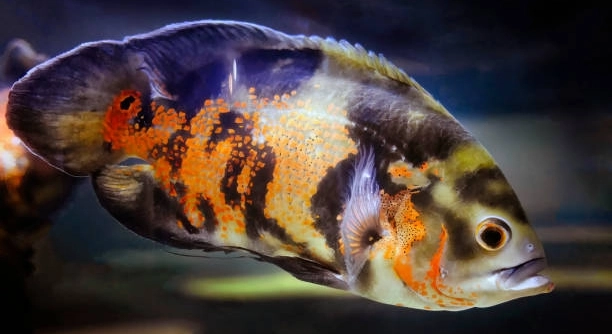
Oscar fish are a popular choice for aquarium enthusiasts. These vibrant, intelligent fish are known for their unique appearance and behavior. One of the most interesting features of some Oscar fish is the development of a humphead.
The development of a humphead in Oscar fish is primarily influenced by age, genetics, and environmental factors. Males are more likely to develop this characteristic, which becomes more pronounced as they mature and are kept in larger tanks with proper conditions.
Understanding the factors that contribute to humphead development can help you provide the best care for your Oscar fish. These insights will ensure your fish stay healthy and display their unique characteristics.
The Role of Genetics in Humphead Formation
Genetics plays a significant role in whether an Oscar fish will develop a humphead. This trait is more common in males, especially as they grow older. The genetic makeup of each fish determines how their physical traits, including the formation of the humphead, will manifest. Some Oscars are more prone to developing this feature than others, based on their lineage. If you’re lucky, your fish might naturally develop a large, prominent hump, which is often seen as a sign of maturity and strength in the species.
While not all Oscar fish will develop a humphead, those with certain genetic traits are more likely to do so. It’s interesting to note that breeding programs often highlight this trait when selecting for specific characteristics in Oscar fish. However, simply owning an Oscar doesn’t guarantee this will happen, as genetics are a major determining factor.
If you’re hoping for an Oscar fish with a humphead, understanding their genetics can help set expectations. Keep in mind that some fish will develop the feature sooner than others. Additionally, ensuring a healthy environment might support the process, but it’s not a certainty.
Environmental Factors That Affect Humphead Development
Environment plays an important role in the physical appearance of your Oscar fish. Proper tank conditions, water quality, and diet all contribute to the overall health of the fish, which in turn can affect the development of a humphead.
Inadequate water conditions, poor diet, or lack of space can lead to stunted growth and may even prevent a humphead from forming. Oscars that live in a clean, spacious tank with proper filtration and a well-balanced diet are more likely to grow to their full potential, including developing a noticeable hump. The size of the tank also matters—larger tanks give Oscars more space to grow, which can contribute to the formation of this physical feature.
For Oscars to thrive and develop features like a humphead, creating an optimal environment is key. By ensuring they have a clean, spacious home with appropriate water conditions, you are setting the stage for a healthier, more mature fish that may develop the hump.
The Impact of Diet on Humphead Growth
A balanced diet plays a crucial role in the development of an Oscar fish’s humphead. Proper nutrition helps the fish grow strong and healthy, which can lead to the formation of the hump over time. High-quality foods support their overall well-being.
Oscar fish are opportunistic feeders, meaning they thrive on a variety of food sources. A mix of pellets, live food, and occasional vegetables can provide them with the nutrients they need. Omega-rich foods, in particular, are essential for growth and development. While diet alone doesn’t guarantee a humphead, it certainly supports the conditions that may help it form.
Feeding your Oscar fish properly will not only improve its chances of developing a humphead but also boost its overall health. It’s important to avoid overfeeding, as this can lead to obesity and health issues that may hinder growth. A well-balanced, varied diet is key to supporting your fish’s potential for this physical trait.
Age and Humphead Development
Age is one of the most important factors in humphead development for Oscar fish. The hump becomes more prominent as the fish matures, especially in males. Younger Oscars are unlikely to show any noticeable humphead.
As they grow older, Oscars start to exhibit signs of maturity, with the hump gradually forming. The process can take years, and during this time, their overall size and health will influence the final appearance of the hump. While all Oscars age differently, the hump often begins to appear when the fish reach 2-3 years old. At this point, males in particular will begin to display this feature more visibly. It’s also important to note that some Oscars may develop the hump more slowly than others, depending on their genetic makeup and environmental conditions.
Age is a major determinant in the development of a humphead. Oscars will naturally grow into their adult features over time, but patience is necessary to see the hump fully developed. The longer your fish lives in good conditions, the better its chances of growing a distinct, prominent humphead.
Tank Size and Humphead Development
The size of the tank plays an important role in the growth and development of an Oscar fish, especially when it comes to forming a humphead. Oscars need plenty of space to grow and thrive.
A larger tank allows the fish to swim freely, which supports their overall health. A cramped space can stunt growth and limit the chances of a humphead developing. As Oscars reach their full size, they require more room to move around. Ideally, a tank of 75 gallons or more is recommended for adult Oscars. Providing ample space ensures they can grow strong and healthy, giving them a better chance of developing the characteristic humphead.
Water Quality and Humphead Growth
Water quality is crucial to maintaining healthy Oscar fish and supporting their potential for a humphead. Clean, well-maintained water is essential for overall growth and development.
Oscars are sensitive to changes in water quality. Poor water conditions can stress them and hinder their growth. Regular water changes, proper filtration, and monitoring water parameters (such as pH and ammonia levels) will help keep the fish in good health. When water quality is optimal, Oscars are more likely to grow to their full size, increasing the chances of a hump forming. Healthy fish with stable conditions are more likely to develop their physical traits, including the humphead.
Stress and Humphead Formation
Stress can have a negative impact on the development of a humphead in Oscar fish. A stressed fish may fail to grow properly and could have trouble developing this feature.
High levels of stress can hinder the physical growth of the fish, leading to a lack of proper humphead formation. Stress may arise from overcrowded tanks, inappropriate tank mates, or poor water quality. Ensuring a peaceful and stable environment is key to allowing your Oscar to thrive and develop a humphead. A stress-free environment encourages growth and maturity, which helps in the natural development of this physical trait.
FAQ
What causes the humphead in Oscar fish?
The humphead in Oscar fish is primarily caused by a combination of genetics, age, and environmental factors. Males are more likely to develop this feature as they grow older. Genetics play a significant role in determining whether an Oscar will develop a humphead. However, factors like diet, tank size, and water quality also contribute to the development of this trait. In healthy, mature Oscars, the humphead typically becomes more pronounced as they approach adulthood, with males showing it more prominently than females.
How can I encourage my Oscar to develop a humphead?
To encourage humphead development in your Oscar fish, providing a healthy environment is key. This includes maintaining clean, stable water conditions, ensuring the tank is large enough for the fish to grow, and feeding a balanced, nutritious diet. A diet rich in protein, such as high-quality pellets and occasional live food, helps boost their growth. Additionally, reducing stress by avoiding overcrowded conditions and providing suitable tank mates can support the physical development of your Oscar.
Do female Oscar fish develop humpheads?
Female Oscar fish can develop a slight humphead, but it is far less prominent than that of males. Generally, males are more likely to develop noticeable humpheads as they age. However, female Oscars might still exhibit a small, subtle bump, especially if they are kept in optimal conditions. While the hump may not be as pronounced, female Oscars can still mature into healthy, vibrant fish.
Can stress prevent humphead formation in Oscars?
Yes, stress can hinder the formation of a humphead in Oscar fish. Stressful conditions, such as poor water quality, overcrowded tanks, or incompatible tank mates, can cause stunted growth and overall health issues. Stress weakens the fish’s immune system and slows their development, making it difficult for them to reach their full potential. Ensuring a stress-free, stable environment is crucial for encouraging humphead formation and ensuring the Oscar remains healthy.
Do I need a large tank for my Oscar to grow a humphead?
Yes, providing a larger tank is essential for the healthy growth of an Oscar fish, and it can improve the chances of humphead development. A tank of at least 75 gallons is recommended for a single adult Oscar, as this gives them enough space to grow and swim freely. Oscars that are kept in smaller tanks may not reach their full size or develop their characteristic physical features, including a humphead. A larger tank also helps maintain better water quality, which is vital for the fish’s overall health.
What kind of food should I feed my Oscar to help it grow a humphead?
To support humphead growth, it’s important to feed your Oscar a well-balanced diet that promotes healthy growth. A variety of high-quality pellets, live food (like feeder fish), and occasional vegetables will provide the necessary nutrients. Protein-rich foods are especially important for promoting growth, while omega-3 fatty acids support the development of physical features like the hump. Avoid overfeeding, as obesity can stunt growth and negatively affect the fish’s health. A balanced diet combined with proper tank conditions is the best way to ensure your Oscar’s potential for developing a humphead.
How long does it take for an Oscar to develop a humphead?
The time it takes for an Oscar to develop a humphead varies, depending on the fish’s genetics, age, and environmental factors. Typically, males will begin to show signs of humphead development around the age of 2 to 3 years. However, this process can take longer in some cases, as the hump becomes more pronounced as the fish matures. Healthy Oscars with ideal living conditions will develop their humpheads gradually as they grow larger and stronger. Consistent care and attention to their environment will help them reach this stage.
Can my Oscar fish’s humphead grow too large?
It is possible for an Oscar’s humphead to grow large, but it should still remain proportional to the fish’s body size. If the hump becomes unusually large or asymmetrical, it could indicate an underlying health issue or deformity. In some cases, excessive growth may result from poor nutrition, injury, or stress. If you notice an abnormal enlargement or changes in your fish’s hump, it’s important to assess its tank conditions, diet, and overall health to ensure it’s developing correctly.
Do Oscars with humpheads require special care?
Oscar fish with humpheads don’t necessarily require special care beyond what is needed for any healthy Oscar. However, ensuring they have proper space, a balanced diet, and optimal water conditions becomes even more important as they mature. Regular water changes, good filtration, and proper tank size are crucial to support the growth of the hump. Humphead development should not cause major issues, but it’s important to monitor the fish’s overall health and keep stress levels low to allow for proper growth.
Will my Oscar’s humphead continue to grow as it gets older?
Yes, an Oscar’s humphead may continue to grow as it gets older, especially during the fish’s prime years of growth. The humphead usually becomes most pronounced after the fish reaches 2-3 years of age. However, growth will slow down as the Oscar matures, and it will eventually reach its full size. In older Oscars, the humphead may still increase in size slightly, but it’s unlikely to grow dramatically once the fish reaches adulthood. Proper care throughout the fish’s life ensures steady growth and a healthy hump.
Final Thoughts
Oscar fish are fascinating creatures, and their humphead development is just one of the many interesting features that make them stand out. While not all Oscars will develop a hump, understanding the factors that influence this process can help you create the best possible environment for your fish. Genetics, age, diet, and water quality all play a role in whether or not your Oscar will develop a humphead. The key is to ensure that your fish is healthy, well-fed, and living in optimal conditions.
Taking care of your Oscar fish is not just about promoting the development of a humphead, but also about supporting its overall well-being. A balanced diet, regular water changes, and plenty of space are crucial for keeping your Oscar happy and healthy. Oscars are active fish, and a large tank with proper filtration helps them grow to their full potential. Providing a stress-free environment also contributes to their physical and emotional health. When Oscars are given the proper care, they are more likely to develop the physical traits that make them unique, including the humphead.
While seeing your Oscar develop a prominent humphead can be exciting, it’s important to remember that every fish is different. Some may develop a hump quickly, while others might take longer or never develop one at all. Regardless, the most important factor is ensuring your fish remains healthy and thrives in its environment. Keep in mind that a humphead is just one aspect of the Oscar’s growth, and a happy, well-cared-for fish will bring joy to your aquarium, no matter how its appearance changes over time.

Hello,
If you enjoy the content that we create, please consider saying a "Thank You!" by leaving a tip.
Every little bit helps us continue crafting quality advice that supports the health, happiness, and well-being of pets around the world, for pets of all shapes, sizes, and species.
We really appreciate the kindness and support that you show us!