
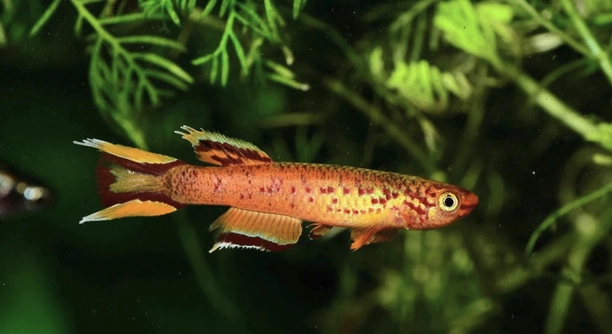
Killi fish are popular among aquarium lovers for their bright colors and small size. Many enjoy breeding them at home to watch their eggs hatch and young fry grow. Sometimes, though, the fish suddenly stop laying eggs, causing concern.
Killi fish may stop laying eggs due to stress, poor water quality, lack of proper nutrition, or unsuitable tank conditions. These factors affect their health and reproductive system, leading to a temporary or permanent pause in egg production.
Understanding what causes this pause can help you create a better environment for your fish. This article will explain key reasons behind this behavior and how to support healthy breeding.
Common Causes for Killi Fish Stopping Egg Laying
Stress is one of the main reasons killi fish stop laying eggs. Changes in water temperature, sudden loud noises, or aggressive tank mates can cause stress. When stressed, fish focus on survival rather than reproduction. Poor water quality is another frequent problem. High levels of ammonia, nitrites, or nitrates hurt their health and reduce breeding chances. Inadequate nutrition also plays a role. If the fish do not get enough protein or vitamins, their bodies won’t produce eggs. Lastly, improper tank conditions such as incorrect lighting or lack of plants for hiding can affect egg-laying behavior. Keeping the environment stable and clean supports regular breeding.
Tank conditions must match the species’ natural habitat. Many killis need soft, slightly acidic water to breed.
A well-maintained tank, stress reduction, and balanced feeding are essential to encourage your killi fish to lay eggs again.
Effects of Water Quality on Egg Laying
Poor water quality quickly affects killi fish health and reproduction.
Maintaining clean, well-filtered water is vital for egg production. Ammonia and nitrites should always be at zero, with nitrates kept low. Frequent water changes prevent harmful buildup and maintain stable pH levels. Using a water test kit helps monitor these conditions. If the water becomes polluted, fish lose energy and may stop laying eggs to conserve resources. Additionally, dirty water encourages disease, further disrupting reproduction. Regular cleaning and testing improve the chances that killi fish will stay healthy and continue to reproduce successfully. Attention to water quality creates an environment where the fish feel safe enough to breed, supporting the lifecycle you want to see in your aquarium.
Nutrition and Diet Impact on Egg Production
Proper nutrition is key for killi fish to lay eggs consistently. A diet rich in protein helps them build the energy needed for reproduction.
Feeding a variety of foods like live or frozen brine shrimp, daphnia, and bloodworms supports their nutritional needs. Avoid overfeeding, as excess food can pollute the water and harm fish health. Including high-quality flakes or pellets can add essential vitamins and minerals. Nutrition affects their ability to produce eggs, so regular, balanced feeding is necessary. Poor diet weakens their reproductive system and may cause them to stop laying eggs.
Providing fresh, varied food mimics what they find in nature, improving their overall condition. Keeping their diet rich and clean encourages regular spawning cycles.
Tank Environment and Breeding Behavior
Killi fish need specific tank environments to feel comfortable laying eggs. Plants and hiding places reduce stress and provide safe spots for egg-laying.
Lighting should mimic natural day and night cycles, about 10-12 hours of light daily. Water temperature between 72-78°F suits most species. Sudden changes in temperature or lighting can disrupt their breeding rhythm. Maintaining stable water parameters is important, as fluctuations may cause fish to pause egg production. Tank mates must be peaceful, as aggression discourages spawning. A calm, secure environment encourages natural breeding behaviors, increasing egg-laying frequency. Small adjustments in tank setup can make a big difference in your fish’s reproductive success.
Stress and Its Role in Egg Laying
Stress affects killi fish by reducing their energy and interest in reproduction. It can come from sudden changes, overcrowding, or aggressive tank mates.
Minimizing disturbances and providing hiding spots helps reduce stress. A calm environment encourages regular egg laying and healthier fish overall.
The Importance of Water Temperature
Keeping water temperature stable is crucial. Sudden drops or spikes can halt egg production. Most killi fish prefer a range of 72-78°F for breeding. Consistent warmth supports their natural cycles and encourages spawning behavior.
Lighting and Its Effects on Spawning
Proper lighting supports breeding by simulating natural day length. About 10-12 hours of light per day works best for most killi fish species.
Choosing Suitable Tank Mates
Aggressive or overly active tank mates can stress killi fish, discouraging them from laying eggs. Peaceful companions help create a better breeding environment.
FAQ
Why have my killi fish suddenly stopped laying eggs?
Several factors can cause killi fish to stop laying eggs suddenly. Stress from changes in tank conditions, poor water quality, inadequate nutrition, or aggressive tank mates are common reasons. Sudden temperature shifts or inconsistent lighting can also interrupt their breeding cycle. Checking these conditions and making improvements usually helps restore egg production.
How can I reduce stress for my killi fish?
To reduce stress, maintain stable water parameters and avoid sudden changes in temperature or lighting. Provide plenty of plants and hiding spots to make the fish feel safe. Avoid overcrowding and keep tank mates peaceful. Regular but gentle maintenance routines help the fish feel secure without adding stress.
What is the best diet to encourage egg laying?
A diet rich in protein is essential. Feeding live or frozen foods like brine shrimp, daphnia, and bloodworms provides important nutrients. Supplementing with high-quality flakes or pellets ensures vitamins and minerals are included. Feeding small amounts multiple times a day prevents overfeeding and keeps water quality high.
How often should I clean the tank to support breeding?
Cleaning the tank regularly is important but avoid over-cleaning, which can stress fish. Partial water changes of 20-30% weekly keep water fresh and reduce harmful chemicals. Clean filters monthly and remove uneaten food daily to maintain a healthy environment.
Can poor water quality stop egg production?
Yes, poor water quality can quickly impact egg laying. Ammonia and nitrite levels above zero are harmful, and high nitrates stress fish. Keeping the water clean with regular testing and changes encourages fish health and reproduction.
Does temperature affect killi fish breeding?
Temperature plays a big role. Most killi fish breed best between 72-78°F. Sudden drops or spikes can halt egg laying. Using a heater and thermometer helps maintain stable temperature suited for your species.
How important is lighting for killi fish to lay eggs?
Lighting simulates natural day and night cycles. About 10-12 hours of light daily encourages breeding. Too much or too little light can confuse their natural rhythm and reduce spawning.
What tank mates are best for breeding killi fish?
Peaceful, non-aggressive fish or invertebrates make good tank mates. Avoid large or aggressive species that may stress killi fish or eat their eggs. Keeping compatible companions helps create a calm environment for spawning.
Can killi fish stop laying eggs because they are too old?
Yes, like many fish, killi fish have a peak breeding age. As they get older, their fertility declines and they may lay fewer eggs or stop altogether. Replacing older fish with younger ones can maintain a healthy breeding group.
Is there a way to encourage egg laying naturally?
Creating conditions that mimic their natural habitat is the best way. Stable temperature, soft slightly acidic water, proper lighting, and nutritious food encourage natural breeding behavior. Providing plants or spawning mops gives them places to lay eggs safely.
How do I know if my killi fish eggs are fertilized?
Fertilized eggs usually appear clear or slightly golden and develop small embryos inside after a few days. Unfertilized eggs turn white or opaque and often get fungus. Removing unfertilized eggs helps prevent contamination.
Should I remove adult fish after they lay eggs?
Some killi fish may eat their eggs or fry. If this happens, it’s best to move adults to a separate tank after spawning. Providing plenty of hiding places can protect the eggs, but separating adults is the safest option to improve survival rates.
What signs show that killi fish are ready to lay eggs?
Females become plumper and show visible eggs in their abdomen. Males often develop brighter colors and display courtship behavior like chasing and nudging females. These signs indicate spawning is near.
How long does it take for killi fish eggs to hatch?
Depending on the species and temperature, eggs usually hatch within 7 to 14 days. Warmer water speeds up development, but too high temperatures can harm embryos. Monitoring and maintaining stable conditions help ensure healthy hatching.
What should I feed baby killi fish?
Newly hatched fry need tiny foods like infusoria or liquid fry food for the first few days. After that, small live foods like baby brine shrimp or microworms work well. Feeding small amounts multiple times daily supports healthy growth.
Can poor breeding conditions affect adult killi fish health?
Yes, stressful or poor tank conditions not only stop egg laying but also weaken the fish’s immune system. This makes them more prone to illness. Keeping the tank clean, well-maintained, and stable benefits both breeding and overall health.
Killi fish are wonderful little pets that many enjoy keeping for their bright colors and interesting behaviors. When they stop laying eggs, it can be frustrating because it feels like something is wrong. However, there are many reasons why this might happen, and most of them are related to the environment and care given to the fish. Stress, poor water quality, wrong tank conditions, and diet all play important roles in whether killi fish will continue to lay eggs. Understanding these factors helps in creating a healthy space for the fish to thrive and reproduce naturally.
Taking care of killi fish means paying close attention to the tank’s water quality. Regular water testing and changes keep harmful chemicals low and water clear. Stable temperature and proper lighting also support the fish’s natural cycles, encouraging egg production. Feeding them a varied, protein-rich diet helps maintain their strength and energy for breeding. A calm environment with enough hiding places reduces stress and promotes better behavior. If the fish are stressed or uncomfortable, they are unlikely to reproduce. It is important to watch for signs of trouble and make changes as needed to keep the fish happy and healthy.
When everything is balanced—the right water conditions, good food, and a peaceful tank—the chances of killi fish laying eggs increase. Sometimes, patience is needed because fish can stop breeding temporarily due to changes or age. Paying attention to their needs and making small adjustments can bring them back to regular egg laying. Creating the best environment possible is the key to success. With care and understanding, killi fish can remain active breeders, bringing enjoyment and satisfaction to their caretakers.

Hello,
If you enjoy the content that we create, please consider saying a "Thank You!" by leaving a tip.
Every little bit helps us continue crafting quality advice that supports the health, happiness, and well-being of pets around the world, for pets of all shapes, sizes, and species.
We really appreciate the kindness and support that you show us!