
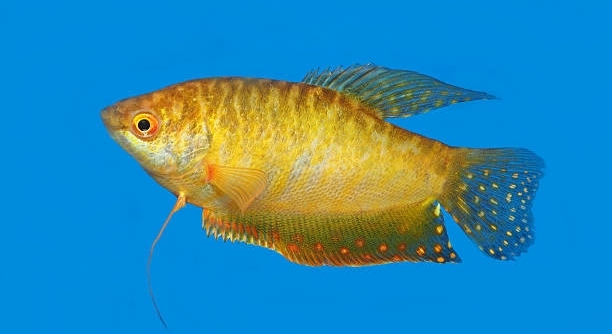
Gouramis are popular aquarium fish known for their calm nature and vibrant colors. Many owners notice them swimming near the glass walls repeatedly, which can seem puzzling or even concerning in a home tank.
Gouramis pace the glass walls primarily due to stress, territorial behavior, or lack of proper stimulation. Limited space, changes in water conditions, and reflections can trigger repetitive swimming along tank boundaries, indicating environmental or psychological discomfort.
Observing these patterns closely can reveal underlying needs and help create a more comfortable habitat for your fish.
Understanding Gourami Behavior
Gouramis often show repetitive swimming along glass walls when they feel confined or stressed. In many cases, limited tank space prevents them from exploring freely, which leads to constant pacing. Reflections on the glass can also confuse them, as they may perceive their own image as another fish intruding on their territory. Changes in water temperature, pH, or quality can increase restlessness, prompting them to swim repeatedly. Even when food is provided regularly, these fish sometimes pace due to boredom or lack of environmental stimulation. Plants, hiding spots, and decorations can make a significant difference, giving them areas to explore or retreat. Observing your gourami’s movement patterns closely helps you identify whether the pacing is occasional or persistent. Occasional activity along the walls is normal, but constant pacing signals that adjustments are needed in the tank setup. Regular monitoring ensures their behavior reflects comfort rather than stress.
Stress, lack of stimulation, and reflections often cause gouramis to pace along tank walls.
Making small changes like adding plants, rearranging decorations, and maintaining water quality can reduce stress. Providing enrichment encourages natural swimming patterns and improves overall well-being. Monitoring behavior daily ensures early identification of issues and keeps your fish healthy and calm.
Environmental Adjustments to Reduce Pacing
Adding live plants, rocks, or hiding spots in the tank provides gouramis with a more engaging environment. This prevents boredom and gives them areas to explore or rest. Changing the layout occasionally can further stimulate natural behavior and reduce repetitive pacing.
Water quality plays a crucial role in regulating behavior. Fluctuations in temperature, pH, or ammonia levels can make gouramis uneasy, triggering constant wall swimming. Maintaining stable conditions through regular water testing and partial water changes creates a comfortable habitat. Proper filtration ensures clean water, while avoiding overcrowding reduces territorial stress. Feeding routines also impact behavior; overfeeding or irregular schedules can cause restlessness. By observing your fish daily, you can notice subtle changes indicating discomfort, allowing timely intervention. Enrichment like floating plants or gentle currents encourages natural movement and keeps them mentally engaged. With careful attention to environment and tank conditions, pacing behavior often decreases, leading to calmer and healthier gouramis that show more natural swimming patterns throughout the day.
Tank Size and Space
A small tank limits a gourami’s movement, causing them to swim along the glass repeatedly. More space allows natural exploration and reduces stress. Ensuring adequate room is essential for healthy behavior and overall well-being.
Providing a larger tank with at least 20 gallons for a single gourami helps prevent pacing. When multiple gouramis share the same space, their territorial instincts can increase, making wall swimming more frequent. Adding vertical and horizontal swimming areas, such as plants, caves, and open zones, allows them to exercise and explore naturally. Observing their behavior after changes in tank size often shows calmer, more varied swimming patterns, confirming that space significantly affects activity levels and reduces repetitive wall pacing.
Even in a properly sized tank, placement of decorations matters. Crowding one side with plants or ornaments can push gouramis toward the walls. Balanced distribution of hiding spots and open swimming areas encourages free movement. Adjusting tank layout occasionally prevents boredom, stimulates curiosity, and reduces stress-induced pacing. Regular monitoring helps identify which adjustments work best for each fish, as individual personalities vary.
Water Quality and Maintenance
Dirty or unstable water causes stress, leading gouramis to pace along glass surfaces. Maintaining clean, stable conditions is crucial for their comfort and health.
Regular water testing ensures pH, ammonia, nitrite, and nitrate levels remain safe. Partial water changes prevent buildup of harmful substances that can irritate fish and trigger repetitive swimming. Proper filtration helps maintain clarity and oxygenation, supporting calmer behavior. Sudden changes in temperature or chemical composition can startle gouramis, so gradual adjustments are necessary. Observing your fish after maintenance routines helps determine if conditions are suitable. Consistency in cleaning and monitoring contributes to a more relaxed tank environment, reducing wall pacing and promoting natural, stress-free movement.
Reflections and Tank Glass
Reflections on glass walls can confuse gouramis, making them perceive their own image as another fish. This often triggers pacing as they try to assert territory or interact with the reflection. Minimizing glare helps reduce this behavior.
Using background decorations or adjusting lighting can limit reflections. Covering parts of the glass or repositioning the tank reduces visual confusion, helping gouramis focus on natural swimming rather than mirrored images.
Diet and Feeding Patterns
Irregular feeding or overfeeding can make gouramis restless, prompting them to swim along glass walls. Maintaining consistent schedules and balanced diets supports calm behavior. Providing a mix of high-quality flakes, pellets, and occasional live or frozen foods meets nutritional needs while reducing boredom.
Social Interaction
Gouramis may pace due to insufficient social interaction or aggressive tank mates. Ensuring compatible companions and observing behavior reduces stress and promotes a balanced environment.
FAQ
Why does my gourami keep pacing along the glass walls?
Gouramis often pace due to stress, limited space, or environmental changes. Reflections on the glass, sudden movements outside the tank, or aggressive tank mates can also trigger this behavior. Ensuring enough room, stable water conditions, and proper tank layout usually reduces wall swimming.
Can reflections really stress my fish?
Yes. Gouramis can mistake reflections for other fish invading their territory. Bright lighting or clear glass increases reflections, making them swim back and forth repeatedly. Adding plants, background decorations, or adjusting the lighting can minimize this confusion.
Does tank size affect pacing?
Absolutely. Small tanks restrict natural swimming, leading to repetitive behavior along walls. A single gourami needs at least 20 gallons, and larger tanks are better for multiple fish. Open swimming areas combined with hiding spots balance exploration and security.
Could water quality be a factor?
Poor water quality is a common reason for stress-induced pacing. Ammonia, nitrites, or fluctuating pH levels irritate gouramis, causing them to move constantly. Regular testing, partial water changes, and proper filtration help maintain stable, clean water and calmer behavior.
How does diet impact wall swimming?
Irregular feeding or overfeeding can increase restlessness. Gouramis respond well to consistent schedules and varied diets, including high-quality flakes, pellets, and occasional live or frozen foods. Balanced nutrition reduces stress and keeps them mentally and physically stimulated.
Do gouramis pace when bored?
Yes, lack of stimulation can make them restless. Tanks without plants, decorations, or hiding spots limit mental engagement. Providing varied environments, rearranging elements occasionally, and adding enrichment encourages natural swimming and reduces repetitive pacing.
Are certain gourami species more prone to pacing?
Some species, like dwarf gouramis, may show wall pacing more frequently due to territorial instincts. Larger species can also pace, but individual temperament and tank conditions usually determine how often this behavior occurs. Monitoring each fish helps identify patterns.
Will adding tank mates help or worsen pacing?
It depends. Compatible tank mates can reduce boredom, but aggressive or overly active companions may increase stress and pacing. Observe interactions carefully and introduce new fish gradually to maintain a peaceful environment.
How can I tell if pacing is serious stress or normal behavior?
Occasional wall swimming is normal, but constant, frantic pacing signals stress. Look for other signs like clamped fins, loss of appetite, or hiding. Address environmental, dietary, and social factors promptly to prevent long-term health issues.
Can rearranging the tank layout help?
Yes. Changing decoration placement, adding plants, or creating open swimming spaces encourages natural exploration. Regular updates prevent boredom and reduce repetitive swimming along glass walls. Small adjustments often have a significant impact on behavior.
Does lighting affect pacing?
Bright, direct lighting can create reflections and startle fish, increasing wall swimming. Using moderate light and avoiding glare helps gouramis feel secure, reducing stress and repetitive movements. Gradual changes in lighting are preferable to sudden shifts.
How long does it take to see improvement after adjustments?
Behavior changes vary depending on the cause. Some fish calm within days of improving water quality, tank layout, or diet. Others may take weeks to adapt. Consistent observation and gradual changes are key to long-term success.
Is pacing harmful to my gourami?
Repeated pacing itself is not immediately harmful, but persistent stress can weaken the immune system and affect health. Addressing environmental, dietary, and social needs ensures gouramis remain healthy and comfortable.
Are there signs my gourami enjoys the environment?
Yes. Calm, varied swimming, interaction with plants or tank mates, and regular feeding indicate contentment. When pacing decreases and natural behaviors increase, it shows that environmental adjustments are effective.
Can enrichment toys or floating objects help?
Adding floating plants, gentle currents, or lightweight objects encourages exploration and mental stimulation. These simple additions provide focus and reduce boredom-induced wall pacing, supporting overall well-being.
Should I move the tank if pacing continues?
Changing tank location is a last resort. Sometimes outside disturbances, temperature fluctuations, or reflections cause stress. Before moving, assess lighting, tank placement, and surroundings to address the root cause. Gradual adjustments are less stressful than sudden relocation.
Is pacing more common at certain times of day?
Gouramis may pace more during feeding times or when external activity increases. Nighttime rest and quiet periods usually reduce activity. Observing patterns helps identify triggers and manage the environment to reduce stress.
Can stress from previous environments cause pacing?
Yes. Fish can carry stress from previous tanks or handling. Creating a calm, stable, and enriched habitat helps them gradually adjust and reduce wall-swimming behavior. Patience is important as acclimation can take time.
Do young gouramis pace more than adults?
Juveniles may explore more, sometimes pacing along walls, but adults can also show repetitive swimming when stressed or bored. Providing a stimulating environment benefits all ages and encourages healthy behavior.
How often should I monitor my gourami for pacing?
Daily observation is ideal. Noticing subtle changes early allows timely intervention, whether adjusting water quality, tank layout, or social conditions. Consistent attention ensures long-term comfort and prevents stress-related issues.
Will adding live plants always reduce pacing?
Live plants usually help by providing hiding spots, shade, and exploration opportunities. However, their effectiveness depends on placement and tank size. Combining plants with open swimming areas ensures a balanced environment for calmer behavior.
What is the most effective combination to reduce pacing?
A stable, clean tank with adequate space, proper diet, enrichment, compatible tank mates, and reduced reflections is the most effective approach. Addressing multiple factors simultaneously usually produces noticeable improvements in gourami behavior and overall well-being.
Final Thoughts
Gouramis are fascinating fish, known for their peaceful nature and vibrant colors. Their behavior can sometimes seem puzzling, especially when they pace along the glass walls of a tank. This repeated swimming is usually a sign that something in their environment needs attention. Stress, lack of stimulation, limited space, reflections, or water quality issues are common factors that lead to this behavior. Understanding these factors helps create a more comfortable habitat. By paying attention to their movement patterns and daily activity, you can identify when they are simply exploring versus when they are showing signs of stress. Observing how your gouramis react to small changes in the tank can give valuable insights into their needs and preferences.
Creating a healthy environment is key to reducing pacing. Tank size matters, as a cramped space can increase stress and limit natural movement. Including plants, decorations, and hiding spots provides enrichment and encourages natural swimming behavior. Consistent feeding schedules and balanced nutrition also play a role in keeping gouramis calm and mentally stimulated. Water quality cannot be overlooked. Stable pH, temperature, and low levels of ammonia or nitrites are crucial for their well-being. Filtration and regular partial water changes help maintain these conditions. Adjusting lighting and reducing reflections on the glass can further minimize unnecessary wall swimming. Gradual changes are usually more effective, as sudden adjustments can startle the fish and worsen stress-related behavior.
Patience and observation are essential when addressing pacing. Each gourami has its own personality and may respond differently to environmental changes. Some will calm quickly once space, enrichment, and water quality are optimized, while others may take longer to adjust. Monitoring their behavior over time allows you to make informed adjustments that improve their comfort and health. Even small modifications in tank layout, enrichment, or water maintenance can have a significant effect on reducing pacing. Understanding your gouramis’ needs ensures they remain healthy, active, and comfortable in their habitat. With consistent care, attention, and thoughtful adjustments, pacing along the glass walls can be minimized, allowing your gouramis to thrive and display more natural, relaxed behavior.

Hello,
If you enjoy the content that we create, please consider saying a "Thank You!" by leaving a tip.
Every little bit helps us continue crafting quality advice that supports the health, happiness, and well-being of pets around the world, for pets of all shapes, sizes, and species.
We really appreciate the kindness and support that you show us!