
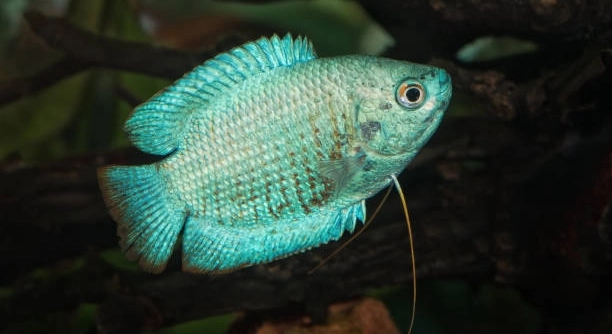
Gouramis are fascinating fish known for building nests to protect their eggs. Sometimes, they leave these nests unexpectedly, which can puzzle many aquarium enthusiasts. Understanding this behavior can help keep your fish healthy and safe.
Gouramis leave their nests mainly due to stress, poor water conditions, or disturbances in their environment. Changes such as low oxygen, aggressive tank mates, or sudden movements can cause the fish to abandon the nest prematurely.
Learning what triggers gouramis to leave their nests helps create a better habitat for breeding and care. This article explains the key reasons behind this behavior and how to address them.
Reasons Gourami Leave Their Nest
Gouramis often leave their nests because something in their environment feels unsafe or uncomfortable. Poor water quality, like high ammonia or low oxygen, makes it hard for them to stay and care for their eggs. Loud noises or sudden movements nearby can startle them, pushing them away from the nest. Sometimes aggressive tank mates bother the gourami, causing stress and forcing it to leave the nest to avoid conflict. Another reason is that the nest itself might get damaged or fall apart, making it less suitable for protecting eggs. Temperature changes can also affect how long gouramis stay with their nests. When conditions aren’t right, the fish instinctively abandon the nest to increase their chances of survival. Keeping a stable and calm environment helps gouramis feel safe enough to stay and nurture their eggs until they hatch.
Stress and poor water quality are the main reasons gouramis leave nests early.
Adjusting the tank setup and monitoring water regularly can prevent gouramis from abandoning nests. Providing hiding spots and limiting disturbances helps the fish feel secure. Proper tank mates are also important; peaceful fish reduce stress for nesting gouramis. Consistent temperature and clean water give the best chance for gouramis to stay with their nests. If the nest is broken, it’s often best to remove damaged parts to encourage rebuilding. Watching for these signs helps maintain a healthy breeding environment and increases success with gourami eggs.
How to Keep Gouramis from Leaving Their Nest
Preventing gouramis from leaving the nest requires maintaining a calm, stable tank environment.
To keep gouramis at their nests, avoid sudden changes like loud noises or rapid water movement. Regular water tests help catch problems early, ensuring the water stays clean and oxygen-rich. Using a gentle filter and adding plants provides shelter and reduces stress. Tank mates should be chosen carefully to avoid aggression. Sometimes isolating the nesting gourami in a separate breeding tank is necessary for best results. Keeping the temperature steady around 78–82°F supports nesting behavior. Patience is key; gouramis need time to feel comfortable and trust their environment. Small adjustments can make a big difference in helping your gourami stay with its nest until the fry hatch and are ready to swim freely.
Environmental Factors Affecting Nesting Behavior
Water temperature greatly influences gourami nesting habits. If the temperature fluctuates or falls outside their comfort zone, gouramis may abandon their nests quickly. Clean, well-oxygenated water is also essential for their comfort and health.
Stable water conditions encourage gouramis to stay with their nests longer. Sudden drops in temperature or poor water quality can stress the fish, causing them to leave. Proper filtration and regular water changes maintain a healthy environment. Gouramis are sensitive to chemicals like chlorine, so treating tap water before adding it is important. Plants and floating materials in the tank help gouramis feel secure and provide natural cover for nests. Bright lighting or constant noise can increase stress, so a quiet, dim environment supports nesting. Monitoring these factors closely helps keep gouramis comfortable and less likely to abandon their nests.
Water hardness and pH also play roles in nesting behavior. Gouramis prefer slightly acidic to neutral water. If the pH drifts too high or low, the fish may leave the nest. Adjusting water parameters to match their natural habitat improves their chances of successful breeding.
Behavioral Triggers That Cause Gouramis to Leave the Nest
Aggressive tank mates often scare gouramis, prompting them to abandon nests. Stress from frequent disturbances weakens their instinct to protect eggs.
When other fish invade the nest area or chase the gourami, the stress causes the parent to leave. Even harmless fish that swim too close can make gouramis uncomfortable. Repeated disturbances interfere with their ability to guard eggs properly. Sometimes, gouramis may leave the nest to escape repeated attacks or harassment. Providing plenty of hiding spots and maintaining peaceful tank mates reduces these problems. If aggression continues, separating the breeding gourami until the fry hatch can be necessary. Ensuring a calm environment supports natural parental care and helps gouramis successfully complete their breeding cycle.
Signs That Gourami Are Ready to Leave the Nest
Gouramis show clear signs before leaving their nests. They may stop guarding eggs or swim away more often than usual. This behavior signals discomfort or stress.
Other signs include less nest maintenance and reduced interaction with the eggs. Watching for these clues helps you act early to improve conditions and keep the gourami from leaving completely.
Common Mistakes in Gourami Breeding Tanks
Overcrowding the tank is a common mistake. Too many fish increase stress and reduce space for nesting gouramis.
Ignoring water quality is another issue. Dirty or poorly balanced water leads to unhealthy conditions that make gouramis abandon nests. Regular cleaning and testing keep the tank safe.
How to Encourage Gourami to Return to Their Nest
Providing a quiet, stable environment helps gouramis feel safe enough to return to their nests. Minimizing disturbances and maintaining clean water encourages parental care.
The Role of Nutrition in Nesting Behavior
Proper nutrition supports gouramis during breeding. A well-fed gourami is healthier and more likely to stay with its nest.
FAQ
Why do gouramis sometimes leave their nest even when conditions seem fine?
Even when the tank looks good to us, gouramis can be sensitive to subtle changes. Minor fluctuations in water temperature, sudden noises, or even vibrations near the tank can stress them. Also, invisible water quality issues like ammonia spikes or pH shifts may go unnoticed but cause discomfort. Stress from these factors can make gouramis abandon their nests unexpectedly, even if everything seems normal on the surface.
How long do gouramis usually stay with their nests?
Typically, gouramis stay with their nests until the eggs hatch and the fry become free-swimming. This usually takes about 24 to 36 hours. However, if conditions are not ideal, they might leave earlier. The male gourami often guards the nest and fry but will abandon the area if stressed, hungry, or if the environment becomes unsafe.
Can I save the eggs if the gourami leaves the nest?
If the gourami leaves, it’s possible to save the eggs but it requires care. First, ensure the water is clean and stable. Gently remove any debris from the eggs using a soft siphon without disturbing them too much. Keep the tank quiet and dim to reduce stress. You may need to move the eggs to a separate breeding tank with similar water parameters for better protection and monitoring.
What water parameters are best for gourami nesting?
Gouramis prefer slightly acidic to neutral water, with a pH between 6.0 and 7.5. Water temperature should be steady, around 78 to 82°F (25 to 28°C). Ammonia and nitrite levels must be zero, while nitrate should be kept low with regular water changes. Soft to moderately hard water helps as well. Stable, clean water conditions encourage gouramis to build and stay with their nests.
How can I reduce stress for nesting gouramis?
Keeping the tank environment calm is key. Avoid loud noises, sudden movements, and frequent disturbances around the tank. Use gentle filtration to prevent strong currents that could damage the nest. Provide plenty of hiding spots with plants or decorations so the gourami feels safe. Choose peaceful tank mates or isolate the breeding pair to reduce aggression and stress.
Why do gouramis build bubble nests, and what happens if the nest breaks?
Male gouramis build bubble nests to protect and oxygenate their eggs. The bubbles help keep the eggs near the surface where they get oxygen. If the nest breaks, the male may leave or try to rebuild it. A broken nest puts eggs at risk of sinking or being eaten by other fish, so maintaining calm tank conditions helps keep the nest intact.
Can tank mates affect whether gouramis leave their nests?
Yes, aggressive or overly active tank mates can stress gouramis. Fish that chase or nip at the gourami can force it to abandon the nest. Even non-aggressive species can disturb nesting if they swim too close or crowd the area. Keeping calm, compatible tank mates and providing enough space helps gouramis feel secure enough to stay.
Is it normal for female gouramis to leave the nest?
Female gouramis typically do not guard the nest after spawning. The male is responsible for building the nest and caring for the eggs. Females usually leave shortly after laying eggs. If you see a female near the nest for long, it may be unusual but doesn’t affect the male’s care.
How can I tell if my gourami is stressed?
Signs of stress include hiding more often, rapid breathing, loss of appetite, and erratic swimming. In breeding, stress can show as abandoning the nest or ignoring eggs. Addressing water quality, reducing noise, and limiting tank disturbances can help calm stressed gouramis.
What should I do if my gourami leaves the nest frequently?
Frequent nest abandonment usually signals poor conditions. Check water parameters and fix any imbalances. Remove aggressive tank mates or separate the breeding gourami. Keep the environment stable and quiet. Sometimes, patience is needed for the gourami to feel comfortable again. Regular monitoring helps prevent repeated problems.
Gouramis are sensitive fish, especially when it comes to caring for their nests. Many factors can make them leave their nests, including water quality, stress, and disturbances. Keeping their environment stable and calm is very important for their comfort. When gouramis feel safe, they are more likely to stay and protect their eggs until the young fish can swim on their own. This care helps increase the chances of healthy fry and successful breeding.
Understanding what causes gouramis to leave their nests helps in creating the right conditions for them. It’s important to keep the water clean and well-oxygenated and to watch for changes in temperature or pH levels. Tank mates should be peaceful and not disturb the gouramis, especially during breeding time. Providing plenty of plants and hiding places also helps gouramis feel secure. Small changes like these can reduce stress and encourage them to stay with their nests longer.
Taking care of gouramis during nesting requires attention and patience. Watching their behavior and signs of stress can help you make adjustments before they leave the nest. Regular maintenance of the tank and limiting noise or movement nearby also make a big difference. By keeping these factors in mind, it is possible to support gouramis in their breeding process and enjoy seeing the eggs hatch and the young fish grow. Creating a safe and calm home is the best way to help gouramis succeed in raising their fry.

Hello,
If you enjoy the content that we create, please consider saying a "Thank You!" by leaving a tip.
Every little bit helps us continue crafting quality advice that supports the health, happiness, and well-being of pets around the world, for pets of all shapes, sizes, and species.
We really appreciate the kindness and support that you show us!