
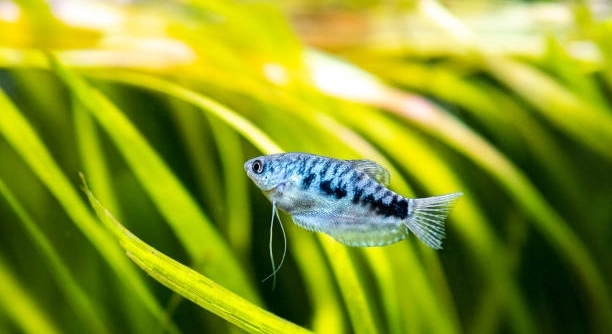
Gouramis are popular freshwater fish known for their vibrant colors and peaceful nature. Many aquarists notice that these fish tend to hide shortly after feeding. Understanding this behavior can help maintain a healthy environment for them.
Gouramis hide after feeding primarily due to instinctual behavior linked to vulnerability and digestion. Post-feeding, they seek shelter to avoid predators and to reduce stress while their bodies focus energy on digesting food efficiently. This behavior supports their survival and well-being.
Recognizing why gouramis hide after eating helps fishkeepers create a more comfortable habitat. This knowledge also aids in ensuring these fish remain healthy and stress-free over time.
Reasons Gourami Hide After Feeding
Gouramis often hide after eating due to natural instincts that help protect them in their environment. After feeding, their bodies focus on digesting food, which makes them less alert and more vulnerable to threats. Hiding helps them conserve energy and stay safe during this period. Stress can also cause this behavior, especially if the aquarium environment is noisy, brightly lit, or crowded with other fish. Some gouramis may feel overwhelmed after eating and seek a quiet, secluded spot to rest. Additionally, the quality of food and feeding habits can influence their behavior. Overfeeding or feeding inappropriate food can cause discomfort, prompting them to hide. Observing their post-feeding actions closely can help identify if their environment or diet needs adjustment. Creating a calm, secure space with plenty of plants or decorations offers the fish ideal hiding spots. This approach supports their natural behavior and improves their overall health.
Gouramis’ hiding after feeding reflects a natural balance between feeding and safety. Adjusting the environment to their needs reduces stress and encourages healthier habits.
Monitoring their behavior and tank conditions can reveal if changes in feeding routines or tank setup are needed to keep gouramis comfortable and less prone to hiding.
Creating a Comfortable Environment for Gouramis
Gouramis thrive best in environments that provide both open swimming areas and plenty of hiding spots.
Aquarium design plays a key role in helping gouramis feel secure after feeding. Including live plants, caves, and gentle lighting can mimic their natural habitat, reducing stress. Avoid sudden movements or loud noises around the tank, especially after feeding times. Stable water parameters—such as temperature, pH, and cleanliness—also contribute to a calm atmosphere. When gouramis feel safe, they are less likely to hide excessively. Overcrowding should be avoided, as it increases competition and tension among fish, prompting hiding behavior. Feeding smaller amounts multiple times a day rather than one large feeding reduces digestive discomfort. Choosing high-quality food appropriate for gouramis supports their health and reduces stress-induced hiding. Regular observation of fish behavior helps detect early signs of discomfort or illness, allowing prompt action to maintain a peaceful environment. Prioritizing these factors ensures gouramis remain active and comfortable, even after feeding.
A balanced tank setup with attention to their needs creates an environment where gouramis can relax and thrive after meals.
Feeding Habits and Their Impact
Gouramis’ feeding habits strongly affect their post-feeding behavior. Overfeeding can cause discomfort and make them seek shelter more often.
When gouramis eat too much at once, their digestive system works harder, causing them to feel sluggish or stressed. This slows their movement and encourages hiding as a way to recover. Feeding smaller amounts throughout the day helps prevent this. Also, the type of food matters—high-quality, easily digestible food reduces digestive issues. Avoid feeding items that cause bloating or leftover debris, which can stress the fish and harm water quality. Consistency in feeding schedules also creates a routine that keeps gouramis comfortable and less prone to hiding after meals.
Adjusting feeding habits improves digestion and reduces hiding, promoting healthier behavior. It also helps maintain a cleaner tank environment, benefiting all aquatic life.
Signs of Stress in Gouramis
Stress is a common reason gouramis hide after feeding. Recognizing stress signs helps manage their care better.
Signs include reduced activity, faded colors, clamped fins, and frequent hiding. Stress can arise from poor water quality, incompatible tank mates, or sudden changes in environment. Monitoring these indicators allows early intervention to improve tank conditions. Maintaining stable water parameters, avoiding overcrowding, and providing sufficient hiding spaces reduces stress. Regularly checking filtration and water quality supports a healthy environment. Addressing these factors helps gouramis feel secure, reducing hiding after feeding. When gouramis are less stressed, they exhibit more natural, active behavior and maintain better overall health. Stress management is key to their well-being in captivity.
Common Hiding Spots for Gouramis
Gouramis prefer places that offer shelter and security. These spots help them feel safe, especially after feeding.
Typical hiding places include dense plants, caves, and decorations with crevices. These areas provide a retreat from bright light and activity, which helps reduce stress during digestion.
How Tank Setup Influences Hiding Behavior
The design and layout of the tank strongly affect gouramis’ tendency to hide after feeding. A well-arranged tank balances open swimming areas with plenty of shaded, secure spots. Properly placed plants and decorations allow gouramis to rest comfortably without feeling exposed. Tanks that are too bare or overly crowded create discomfort and increase hiding behavior. Lighting should be gentle rather than harsh, and water flow moderate to avoid startling the fish. Ensuring water quality and temperature are stable also supports a calm environment. Paying attention to these factors encourages gouramis to remain active and visible, even after feeding, improving their overall well-being.
Feeding Frequency and Hiding
Feeding gouramis smaller portions more frequently reduces their need to hide after eating.
FAQ
Why does my gourami hide immediately after feeding?
Gouramis instinctively hide after eating to protect themselves while they are vulnerable. Digesting food requires energy, which reduces their alertness. Hiding helps them avoid potential threats during this time. Stress or discomfort caused by overfeeding or poor water quality can also increase hiding behavior.
Is it normal for gouramis to hide a lot after meals?
Yes, it is normal if hiding happens shortly after feeding and lasts for a short period. This is a natural response to feeling vulnerable during digestion. However, if hiding continues for long periods or the fish appear lethargic, it may signal stress or illness.
How can I reduce hiding behavior in my gourami?
To reduce hiding, ensure the tank has plenty of plants and decorations that offer safe spaces. Feed smaller portions multiple times a day instead of one large feeding. Maintain stable water conditions, avoid overcrowding, and minimize sudden disturbances around the tank.
What foods are best for gouramis to prevent discomfort?
High-quality pellets or flakes designed for gouramis work best. Supplement their diet with live or frozen foods like brine shrimp and bloodworms for variety. Avoid overfeeding or feeding foods that can cause bloating or poor digestion, as these increase hiding behavior.
Can poor water quality cause my gourami to hide more?
Absolutely. Poor water quality stresses fish and leads to increased hiding and reduced activity. Regular testing and water changes are essential. Keep ammonia, nitrite, and nitrate levels low and maintain appropriate pH and temperature to support gourami health.
How much should I feed my gourami?
Feed only what your gourami can consume within two to three minutes, once or twice daily. Overfeeding can cause digestive problems and increase hiding behavior. Smaller, more frequent feedings are better for their digestion and overall comfort.
Is hiding behavior different between gourami species?
Yes, some gourami species are naturally more shy and prone to hiding. For example, dwarf gouramis may hide more than pearl gouramis. Understanding your specific species helps tailor tank setup and feeding practices to reduce excessive hiding.
Does tank size affect gouramis’ hiding habits?
Smaller tanks with limited space and hiding places can increase stress, causing more hiding. A properly sized tank with enough room and enrichment helps gouramis feel secure and reduces hiding after feeding.
What role do tank mates play in hiding behavior?
Aggressive or overly active tank mates can stress gouramis and force them to hide more often. Choosing peaceful, compatible species and avoiding overcrowding helps maintain a calm environment and reduces hiding.
When should I be concerned about my gourami’s hiding?
If your gourami hides constantly, refuses to eat, shows signs of illness like discoloration or labored breathing, it is time to take action. Consult a veterinarian or experienced aquarist to diagnose and treat potential health issues.
Final Thoughts
Gouramis hiding after feeding is a common and natural behavior that reflects their need for safety and rest during digestion. Understanding this behavior helps in creating a comfortable environment for them. Providing plenty of hiding spots such as plants and decorations gives gouramis a secure place to retreat when they feel vulnerable. This natural instinct should not be seen as a problem but as a sign that your fish is responding to its surroundings. Observing their habits closely can provide valuable insight into their well-being and needs. When they hide after feeding, it often means they are simply following their instincts to protect themselves.
Maintaining proper feeding habits and a healthy tank environment is key to reducing excessive hiding. Overfeeding or feeding poor-quality food can cause digestive discomfort, making gouramis retreat more often. Feeding smaller amounts multiple times a day rather than one large meal helps their digestion and keeps them active. Additionally, stable water conditions, proper tank size, and compatible tank mates play an important role in their comfort and behavior. When all these factors are balanced, gouramis feel less stressed and are more likely to be visible and active even after meals. Regular care and attention to these details contribute to a healthy and happy fish.
Taking the time to learn about gouramis’ behavior and needs improves their quality of life. Hiding is not always a sign of illness, but it can sometimes indicate stress or poor conditions. By paying attention to their environment, diet, and interactions, it is possible to reduce unnecessary hiding and support their natural habits. Creating a calm, secure space helps gouramis thrive and enjoy their habitat. Ultimately, understanding why gouramis hide after feeding allows for better care, ensuring they remain healthy, comfortable, and less prone to stress-related behaviors.

Hello,
If you enjoy the content that we create, please consider saying a "Thank You!" by leaving a tip.
Every little bit helps us continue crafting quality advice that supports the health, happiness, and well-being of pets around the world, for pets of all shapes, sizes, and species.
We really appreciate the kindness and support that you show us!