
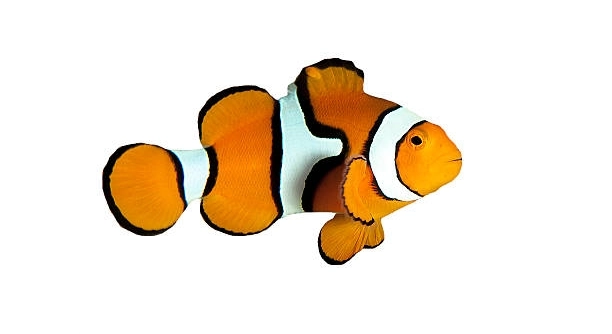
Have you ever watched clownfish zip around coral reefs and noticed how fiercely they protect their territory and their anemone homes?
Clownfish are highly protective due to their strong territorial instincts and symbiotic relationship with sea anemones. Their behavior is shaped by a need to defend their breeding grounds and maintain access to food and shelter.
This fascinating bond and bold behavior tell a deeper story about survival, cooperation, and the unique roles within clownfish communities.
Why Clownfish Protect Their Anemone So Fiercely
Clownfish form a close relationship with sea anemones, which is key to their protective nature. The anemone provides shelter from predators and a safe place to lay eggs. In return, clownfish chase away any intruders and keep the anemone clean by removing debris. This mutual support creates a strong bond. Because their survival depends on this relationship, clownfish will defend the area aggressively. They often dart at threats and use quick movements to scare them off. This behavior is instinctive and vital, especially when they are guarding their eggs or territory. Clownfish live in small groups with a dominant female, and the rest of the group respects a strict social order. When this balance is threatened, they act quickly. Their protectiveness is not just about survival—it’s about keeping their group safe and their home stable. Everything they do ties back to the well-being of the group and the anemone.
This strong sense of home explains why they seem fearless, even when facing much larger creatures.
Clownfish are also very loyal to their habitat. They rarely leave their anemone and stay alert, constantly patrolling the area. This behavior helps maintain the balance in their underwater space and keeps threats away.
The Role of Social Structure in Clownfish Behavior
Clownfish live in small groups with a clear ranking system. The dominant female leads the group, followed by a male, and then smaller, non-breeding fish.
Their social order shapes how they behave, especially when it comes to protecting their anemone. When the dominant female dies, the leading male changes sex to become female, and the next in line moves up in rank. This type of hierarchy keeps the group stable and organized. Every clownfish knows its place and follows a pattern that keeps the group running smoothly. Their protectiveness comes from this structure—they are not just protecting a space but also maintaining order. Disruption in this structure could lead to confusion, making the group more vulnerable. That’s why clownfish react quickly and strongly when anything unusual happens near their anemone. They don’t just rely on one leader; every member has a role. Even the smaller fish contribute by helping clean the anemone or alerting others to danger. This teamwork and natural discipline make them some of the most organized and protective fish in coral reef environments.
How Clownfish Use Aggression to Protect Their Territory
Clownfish are not shy when it comes to defending their space. They use quick, darting movements and loud clicks to scare off intruders, including fish much larger than themselves.
Their aggressive behavior starts the moment something unfamiliar enters their territory. They usually charge at the intruder, sometimes making contact with their mouths or bodies. These displays are often enough to make other fish back away. Even though they’re small, clownfish rarely hesitate. This boldness comes from years of evolution and survival in tight, competitive spaces. Their aggressive responses are also part of their daily routine. They don’t wait for threats—they constantly patrol and watch. Every member of the group stays alert, and the dominant fish lead the charge when something feels off. This defensive pattern helps keep the anemone safe, especially during breeding periods, when protecting eggs becomes a top priority.
The more familiar a clownfish is with its area, the stronger its defense. They remember patterns and respond quickly to anything out of place. This memory helps them act fast. If an intruder keeps returning, the clownfish may become more aggressive each time. They learn and adapt. Some even develop routines around feeding and guarding, adjusting their actions based on the time of day. Their sharp awareness and bold responses are what make them stand out on the reef. It’s not about size—it’s about control, memory, and determination.
How Their Bond with the Anemone Shapes Their Actions
The clownfish-anemone relationship is more than just shelter and food. It deeply shapes clownfish behavior, especially their loyalty and constant guarding. They rarely leave their host and quickly return if startled.
Living inside the stinging tentacles of a sea anemone gives clownfish a huge advantage. They’re protected from predators that can’t handle the sting. But this relationship is built on trust. Clownfish must build immunity to the sting by rubbing against the tentacles carefully. Once that bond is set, the clownfish protect the anemone from other fish that might nibble or damage it. They also clean it, removing debris and parasites. This two-way care creates a tight connection. The clownfish becomes more than just a visitor—it becomes part of the anemone’s system. Over time, their movements and behaviors adapt to the shape and rhythm of the anemone itself. This connection shapes how clownfish eat, sleep, defend, and raise their young.
Why Clownfish Rarely Leave Their Anemone
Clownfish depend on their anemone for safety, food scraps, and a place to lay eggs. Leaving it makes them vulnerable to predators and competition. That’s why they usually stay close and only wander briefly.
Their small range of movement helps them stay alert and protect their territory quickly. They always return fast.
How Clownfish Teach Their Young to Stay Safe
Young clownfish learn by watching the older ones. From an early age, they observe how the adults guard the anemone, chase off intruders, and stay within safe boundaries. They also learn the social order and their place in the group. This teaching happens naturally, through everyday routines. As the juveniles grow, they begin to copy defensive actions and develop their own patrol habits. The more they follow the older fish, the better they learn what is expected of them. Over time, this helps them grow into confident, protective members of the group, ready to take on more responsibility.
Why Their Behavior Matters in Coral Reefs
Clownfish help maintain balance by protecting their anemone, which benefits the reef. Healthy anemones support more sea life, and clownfish help keep them clean and safe. Their presence encourages reef health.
FAQ
Why are clownfish so aggressive compared to other small fish?
Clownfish are more aggressive than many other small fish because they need to protect their limited space and resources. Their anemone is not just shelter—it’s a nesting site, a feeding ground, and their entire territory. They can’t afford to lose it. This pressure creates strong defensive instincts. Even though they are small, clownfish will confront larger fish without hesitation. Their boldness helps keep predators and rivals away. Over time, they’ve evolved to be this way because those who defended their space best were more likely to survive and raise young.
Do clownfish really recognize individual threats?
Yes, clownfish can recognize certain threats. If the same fish or object approaches their anemone repeatedly, clownfish will respond more quickly and aggressively each time. This shows a basic form of memory and recognition. They may also respond differently to different species, depending on past experiences. For example, if a certain type of fish has tried to eat their eggs before, they’ll react more intensely to that species later. Their ability to notice patterns helps them adjust their defensive behavior.
How do clownfish communicate when defending their space?
Clownfish use sound and movement to communicate. Clicking noises, made by grinding their teeth or snapping jaw muscles, serve as warning signals. These clicks can increase when danger is near. Their body movements also help send messages. Quick darts and head shaking can warn intruders or signal others in the group. Even the smallest clownfish play a part in communication. They pay attention to the dominant fish’s behavior and follow cues. This shared language keeps the group alert and ready to act together when needed.
What happens if a clownfish loses its anemone?
If a clownfish loses its anemone, it becomes extremely vulnerable. Without the anemone’s stinging tentacles for protection, it’s more likely to be eaten by predators. Finding a new host is difficult, as most anemones already have residents. Other clownfish may attack outsiders, making it even harder to join a new group. In some cases, clownfish may wander for days before settling, but many don’t survive the search. This risk is why clownfish stay so committed to their original home and guard it carefully.
Do all clownfish live with anemones?
Most clownfish species live with sea anemones, but not every clownfish does so from birth. In the wild, young clownfish often search for a suitable anemone after they hatch and begin life in open water. Once they find a host, they begin the process of becoming immune to its sting. This bond is essential for long-term survival. In captivity, clownfish can survive without anemones if given proper care, but they still show behaviors that suggest they are seeking that familiar shelter.
Why do clownfish clean their anemones?
Clownfish clean their anemones to keep them healthy and functional. They remove dead tentacles, leftover food, and other debris. A clean anemone is stronger and more likely to survive damage or disease. In return, the clownfish benefit from having a healthy home. This care is not optional—it’s a daily task. The cleaning also strengthens the bond between the two. Clownfish use their bodies to brush against the tentacles, which can stimulate the anemone and keep its tissue healthy.
How does their social rank affect their protection behavior?
Social rank determines who leads the defense. The dominant female is the most active in guarding the anemone. The largest male backs her up, while smaller fish often stay on the edges, alert but less active. If the dominant female dies, the next in line takes over. This system keeps the group organized and ensures that someone is always ready to defend. Every clownfish knows its role and adapts to shifts in the group. Their protectiveness isn’t random—it’s part of a well-structured system.
Final Thoughts
Clownfish may be small, but their behavior shows how complex and organized marine life can be. Their strong connection with sea anemones, protective instincts, and group structure all play an important role in their survival. Every action they take—from chasing intruders to cleaning their anemone—is shaped by instinct and experience. These fish do not act randomly. Their behaviors are purposeful and tied to their need to stay safe, protect their young, and support their small underwater community. Watching how clownfish live gives us a better understanding of how cooperation and defense work in nature.
Their loyalty to their anemone and the way they stay close to home is not just about comfort—it’s about survival. Without their host anemone, they are exposed to dangers they can’t fight alone. That’s why they defend their territory so actively. Their home is more than a place to hide. It gives them food, safety, and a place to raise new life. When they protect their space, they are also protecting everything they need to live. The balance between the clownfish and the anemone is built on trust and daily interaction. This relationship benefits both sides and shows how two very different creatures can rely on each other fully.
Clownfish are also a good example of how social roles and structure matter in the animal kingdom. Their groups are based on size and gender, with each fish knowing its place and acting accordingly. The way they handle change—like when a male becomes female to take on the lead role—shows how adaptable they are. This order helps avoid chaos and makes sure someone is always ready to defend the group. While they may seem simple at first, clownfish live in a carefully managed system. Their behaviors might look small, but they serve big purposes. From their bold defense tactics to their careful care of their host, everything they do keeps their tiny part of the reef strong. In the end, clownfish remind us that even the smallest creatures have important roles and thoughtful actions that shape the health of the environment around them.

Hello,
If you enjoy the content that we create, please consider saying a "Thank You!" by leaving a tip.
Every little bit helps us continue crafting quality advice that supports the health, happiness, and well-being of pets around the world, for pets of all shapes, sizes, and species.
We really appreciate the kindness and support that you show us!