
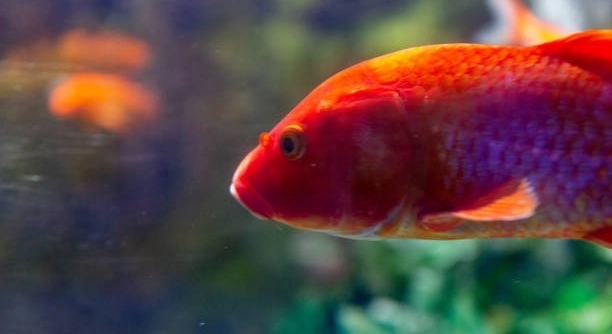
Cichlids are popular aquarium fish known for their bright colors and lively behavior. Many fish keepers notice their cichlids swimming in circles and find it quite interesting. This repetitive movement often raises questions about why they behave this way.
Cichlids swim in circles mainly due to territorial instincts, mating rituals, or environmental stress. This circular swimming helps establish dominance, attract mates, or cope with changes in their habitat. The behavior is a natural response to their surroundings and social structure.
Understanding why cichlids swim in circles helps fish keepers provide better care and improve their aquarium environment for these fascinating creatures.
Reasons Behind Circular Swimming in Cichlids
Cichlids swim in circles for several clear reasons related to their natural instincts. One major cause is territorial behavior. These fish often claim specific areas in their tanks and swim around the boundaries to warn others away. Another reason involves mating rituals. Circular swimming can be part of courtship displays, where males show off to females by moving in patterns that highlight their strength and agility. Stress also plays a role. Changes in water quality, tank size, or the presence of other fish can cause anxiety, making cichlids swim in repetitive circles. This behavior helps them feel more in control of their environment. Overall, circular swimming is a way for cichlids to communicate and adapt to their surroundings.
Swimming in circles is natural but can indicate specific needs or feelings in cichlids. Recognizing these signs helps ensure their wellbeing.
Observing your cichlids’ swimming patterns closely can provide insight into their mood and health. If you notice excessive circling, it might be time to check water conditions, tank size, or social dynamics. Adjusting these factors often reduces stress-induced swimming. In mating seasons, this behavior signals readiness, so you may want to prepare for breeding. Territorial circling shows dominance and helps maintain peace among fish if their space is respected. Understanding these behaviors not only improves fish health but also makes tank management smoother and more rewarding.
How to Improve Your Cichlid’s Environment
Making simple changes in the aquarium can reduce unnecessary circling. First, ensure the tank is large enough for the number of fish. Overcrowding causes stress and increases aggressive behaviors. Proper filtration and regular water changes maintain water quality, which is essential for calm fish. Adding hiding spots like rocks or plants gives cichlids places to retreat when feeling threatened. This reduces anxiety and repetitive swimming. Also, monitor the compatibility of tank mates. Aggressive or overly dominant fish can trigger territorial swimming and stress responses. By adjusting these factors, you create a balanced environment where your cichlids can thrive without excessive circling.
Small adjustments in tank setup and maintenance greatly impact your cichlids’ behavior and happiness.
Improving your cichlid’s living space means more than just preventing swimming in circles. It encourages natural behaviors and reduces stress-related issues. A well-planned tank mimics their natural habitat, supporting healthy activity levels and social interactions. Keeping water parameters stable—such as temperature, pH, and hardness—helps fish stay comfortable. Regular observation allows early detection of behavior changes, guiding timely interventions. Thoughtful tank organization, compatible companions, and clean water make a big difference. These steps help you enjoy peaceful, active cichlids that display their beautiful colors and behaviors without unnecessary stress.
Signs That Circular Swimming Needs Attention
Circular swimming can be normal, but certain signs show it needs attention. If your cichlid swims in tight, continuous loops without stopping, or if it appears lethargic, these could be warning signs. Changes in appetite or hiding behavior also suggest stress or illness.
Excessive circling paired with other symptoms often indicates health issues such as parasites, infections, or swim bladder problems. These conditions affect balance and cause repetitive movement. It is important to test water quality for ammonia, nitrites, and pH levels, as poor conditions worsen health. Observing your fish closely helps identify when a vet visit or treatment is necessary. Early action can prevent serious problems.
Behavioral changes like increased aggression or isolation combined with circling also require attention. These may result from overcrowding or bullying by other fish. Adjusting tank mates or improving space often reduces stress. Monitoring these signs carefully ensures your cichlid stays healthy and comfortable.
Impact of Tank Setup on Swimming Behavior
The size and layout of your tank strongly affect cichlid swimming patterns. Smaller tanks limit movement and increase stress, causing fish to swim in repetitive circles. Providing ample space allows natural exploration and reduces nervous behavior. Decorations and plants create hiding spots that make fish feel secure and less likely to swim anxiously.
Proper tank setup includes maintaining stable water temperature and good filtration to keep water clean and clear. This supports healthy fish activity and prevents stress-induced behaviors. Avoid overcrowding by following recommended stocking guidelines based on tank size. A well-organized tank balances open swimming areas with sheltered spaces, encouraging natural movement without repetitive circling. Paying attention to these factors helps maintain a peaceful, healthy environment for your cichlids.
How Diet Affects Swimming Patterns
Diet plays a role in cichlid activity levels. Poor nutrition can lead to lethargy or restless swimming. Feeding a balanced diet supports healthy behavior and energy.
Overfeeding or giving the wrong food may cause digestive problems that affect swimming. Proper portion control is important for their wellbeing.
Common Health Issues Linked to Circling
Circling behavior may signal swim bladder disorder, infections, or parasites. These health problems disrupt balance and cause repeated swimming patterns. Regular health checks and maintaining clean water reduce risks. Prompt treatment improves recovery chances and normalizes swimming.
Stress and Its Role in Circling
Stress triggers repetitive swimming in cichlids. Causes include poor water conditions, aggressive tank mates, or sudden changes. Reducing stress improves overall health and behavior, making your fish more comfortable and active.
FAQ
Why do cichlids swim in circles all the time?
Cichlids often swim in circles due to territorial behavior or mating displays. They may also circle when stressed or uncomfortable with their environment. If the circling is constant and intense, it could indicate health problems like swim bladder issues or infections. Observing other signs helps determine if the behavior is normal or needs action.
Is circling a sign of illness in cichlids?
Yes, persistent circling can be a sign of illness. Swim bladder disorders affect balance and cause fish to swim in repetitive loops. Parasites and infections can also cause unusual swimming patterns. It is important to monitor water quality and look for other symptoms like loss of appetite or discoloration.
How can I reduce circling behavior in my cichlids?
Improving tank conditions is key. Provide enough space, clean water, and hiding spots. Avoid overcrowding and keep aggressive fish separate. Feeding a balanced diet and maintaining stable water parameters reduces stress, which often decreases circling behavior.
Can tank size affect cichlid swimming patterns?
Absolutely. Small tanks limit movement and can cause stress, leading to repetitive swimming like circling. Larger tanks give fish room to swim naturally and reduce anxiety. Follow stocking guidelines to avoid overcrowding.
Does diet influence cichlid behavior?
Yes. Poor nutrition can cause lethargy or erratic swimming. Overfeeding may cause digestive issues that affect balance. Feeding a varied, balanced diet helps maintain healthy activity and reduces stress-related behaviors.
What should I do if my cichlid is swimming in circles and appears sick?
Test water quality first, checking ammonia, nitrite, and pH levels. Isolate the affected fish if possible and observe for other symptoms. Consult a vet or fish specialist for diagnosis and treatment options, which may include medications or changes to the tank environment.
Are there specific tank mates that cause cichlids to swim in circles?
Yes. Aggressive or overly dominant fish can stress cichlids, causing repetitive swimming. It is important to choose compatible species and monitor interactions closely. Separating aggressive fish can improve overall tank harmony.
Is circular swimming always negative?
No, circular swimming can be a normal part of courtship or territory marking. Problems arise when it becomes excessive or is accompanied by signs of stress or illness. Understanding the context helps decide if intervention is needed.
How often should I check my cichlid’s environment to prevent circling?
Regular checks are important. Weekly water tests and daily observation of fish behavior help catch problems early. Consistent maintenance and monitoring reduce stress and keep fish healthy.
Can environmental enrichment reduce circling behavior?
Yes. Adding plants, rocks, and hiding spots creates a stimulating environment that reduces boredom and stress. This encourages natural behaviors and decreases repetitive circling. A well-decorated tank benefits fish well-being.
What role does water temperature play in cichlid behavior?
Water temperature affects metabolism and activity. Temperatures too high or low cause stress, which can lead to circling. Maintaining stable, species-appropriate temperatures helps keep cichlids calm and active without repetitive movements.
Is it normal for cichlids to swim in circles during breeding?
Yes. Circular swimming is common during courtship as males display to females. This behavior usually stops after mating. Providing proper conditions supports healthy breeding behavior without stress.
How long should a cichlid swim in circles before I worry?
Brief periods of circling are normal. If your fish swims in tight circles nonstop for hours or days, it indicates a problem. Persistent behavior combined with other signs like lethargy or poor appetite warrants attention.
Can lighting affect cichlid swimming patterns?
Improper lighting can stress fish, causing abnormal behavior. Too bright or flickering lights may increase anxiety and repetitive swimming. Using consistent, moderate lighting suited to the species helps maintain calm behavior.
What steps can I take to prevent circling before it starts?
Maintain good water quality, provide sufficient space, and keep compatible tank mates. Feed a balanced diet and enrich the tank with decorations. Regular monitoring helps catch early signs of stress or illness, preventing excessive circling.
Circular swimming is a common behavior among cichlids that can have several explanations. Often, it is part of their natural instincts, such as marking territory or attracting mates. This behavior is a way for them to communicate with other fish and adapt to their environment. However, when circling becomes constant or intense, it may indicate stress or health problems. Understanding why cichlids swim in circles helps fish keepers provide better care and a more suitable environment.
Proper tank management plays an important role in reducing unnecessary circling. Providing enough space and hiding spots allows cichlids to feel secure and move freely. Good water quality is essential, as poor conditions can cause stress or illness, leading to repetitive swimming. Feeding a balanced diet also supports their health and behavior. Monitoring your fish regularly for changes in swimming patterns or appetite helps catch problems early. Making these adjustments creates a comfortable environment where cichlids can display their natural behaviors without distress.
In summary, circular swimming in cichlids can be normal or a sign of concern depending on the context. Paying attention to tank size, water quality, diet, and social interactions will reduce stress and promote healthy behavior. When circling seems excessive or is combined with other symptoms, it is important to investigate further and act accordingly. With thoughtful care and observation, cichlid owners can help their fish thrive and enjoy a more peaceful aquarium experience.

Hello,
If you enjoy the content that we create, please consider saying a "Thank You!" by leaving a tip.
Every little bit helps us continue crafting quality advice that supports the health, happiness, and well-being of pets around the world, for pets of all shapes, sizes, and species.
We really appreciate the kindness and support that you show us!