
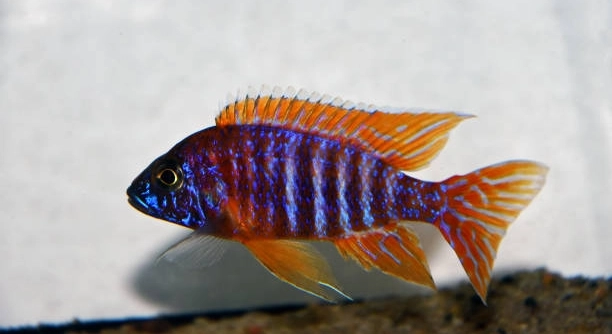
Cichlids are popular aquarium fish known for their vibrant colors and active behavior. Sometimes, these fish suddenly stop eating, which can worry their owners. Understanding why this happens is important for maintaining their health and well-being.
Cichlids may stop eating due to stress, illness, changes in water quality, or improper diet. Environmental factors like temperature shifts or tank mates can also cause a loss of appetite, impacting their overall health and survival if not addressed promptly.
Knowing the common causes of appetite loss helps you take timely action and keep your cichlids healthy and thriving in their environment.
Common Causes of Appetite Loss in Cichlids
Cichlids may suddenly stop eating for several reasons, many of which are related to their environment. Poor water quality is one of the most frequent causes. High levels of ammonia, nitrites, or nitrates can stress fish and reduce their appetite. Another common factor is temperature changes. Cichlids thrive within specific temperature ranges, and sudden drops or rises can make them stop eating. Stress from aggressive tank mates or overcrowding also affects their behavior. Illness is another major factor—parasites, bacterial infections, or fungal diseases can all cause appetite loss. Even a change in diet or poor-quality food may lead to refusal to eat. Monitoring these factors closely helps in spotting problems early and keeping your fish healthy.
Water quality and tank conditions must be checked regularly to prevent stress-related appetite loss in cichlids. Consistent maintenance is essential.
Adjusting water parameters to suit your cichlid species, reducing tank overcrowding, and providing a balanced diet can improve their appetite. Treat illnesses quickly and maintain a stable environment to help your fish recover and stay active.
How Stress Affects Cichlid Feeding Behavior
Stress is a significant factor that impacts cichlid feeding habits. Changes in the tank, such as introducing new fish or rearranging decorations, can unsettle them. Aggressive tank mates may cause fear, reducing their willingness to eat. Overcrowded tanks limit space and increase competition for food, which also affects appetite. Stress weakens their immune system, making them more susceptible to disease, which can further reduce feeding. It’s important to observe their behavior and minimize stress triggers. Providing hiding spots and maintaining a calm environment encourages cichlids to eat regularly.
Reducing stress improves overall health and appetite in cichlids.
Creating a peaceful environment by carefully selecting compatible tank mates is key. Keep the tank clean and stable, avoiding sudden changes in temperature or water chemistry. Feeding small amounts frequently can also help stressed cichlids feel more comfortable and regain their appetite over time.
Impact of Illness on Cichlid Appetite
Illness is a common reason why cichlids stop eating. Symptoms like lethargy, clamped fins, or unusual spots often indicate disease. Identifying illness early is crucial for treatment and recovery.
Parasites, bacterial infections, and fungal diseases are typical health issues affecting cichlids. These conditions weaken their immune system and disrupt normal behavior, including feeding. When sick, cichlids often isolate themselves and refuse food, which can worsen their health quickly. Maintaining clean water and observing fish daily helps catch problems early. Treating illnesses with appropriate medication and quarantine can prevent spread and restore appetite.
Preventive care is the best defense against illness. Providing a balanced diet, stable water conditions, and stress-free environment supports strong immunity. Regular monitoring allows for early detection of health problems, reducing the risk of severe appetite loss. Acting promptly can save your fish and keep them thriving.
The Role of Diet in Feeding Habits
Cichlids require a balanced diet that meets their nutritional needs. Poor diet quality or sudden changes can cause them to stop eating temporarily. Feeding them a variety of foods ensures they get necessary vitamins and minerals.
Offering high-quality pellets, frozen foods, and occasional live foods helps mimic their natural diet. Some cichlids prefer protein-rich meals, while others need more plant-based food. Overfeeding or feeding the wrong type of food can lead to digestive issues, making fish avoid eating. Consistency is key—gradually introducing new foods can prevent appetite loss. Observing what your cichlid prefers and adjusting accordingly will keep them interested in their meals.
Providing a varied diet that suits their species and avoiding overfeeding supports healthy feeding habits. Regular feeding times create routine and reduce stress. Paying attention to their responses to different foods helps maintain a healthy appetite and overall well-being.
Water Quality and Its Effect on Appetite
Poor water quality quickly impacts cichlid appetite. High ammonia or nitrite levels cause stress and illness, leading to food refusal. Keeping water clean is essential for healthy feeding behavior.
Regular water changes and testing prevent buildup of harmful substances. Stable water parameters reduce stress and support digestion, encouraging fish to eat consistently.
Temperature Changes and Feeding Behavior
Temperature fluctuations can disrupt cichlid metabolism and appetite. Cichlids need stable water temperatures within their ideal range to maintain normal feeding habits. Sudden drops or spikes often cause loss of interest in food, which may lead to health problems if prolonged.
Adjusting the heater and monitoring the tank temperature closely keeps cichlids comfortable. Consistent warmth promotes appetite and activity, supporting overall health and wellbeing.
Tank Environment and Appetite
A well-maintained tank with hiding spots reduces stress and encourages cichlids to eat regularly. Crowded or noisy tanks can make fish wary and less likely to feed.
Monitoring and Acting Quickly
Observing your cichlid’s behavior daily allows you to spot appetite changes early and address causes before they worsen.
FAQ
Why has my cichlid suddenly stopped eating?
Several factors can cause a sudden loss of appetite in cichlids. Stress from water quality issues, temperature changes, aggressive tank mates, illness, or an unsuitable diet are the most common reasons. Monitoring their environment closely usually reveals the cause.
How can I tell if my cichlid is sick?
Signs of illness include lethargy, hiding, clamped fins, unusual spots or discoloration, rapid breathing, and loss of appetite. If your fish shows any of these symptoms, it’s important to test water quality and consider consulting an expert for diagnosis and treatment.
Can stress really stop a cichlid from eating?
Yes, stress is a major cause of appetite loss. Changes in the tank setup, introduction of new fish, or aggressive tank mates can frighten cichlids. Stress lowers their immunity and disrupts normal behavior, including eating. Reducing stress helps restore appetite.
What water parameters should I maintain for my cichlid?
Ideal water parameters vary by species, but generally, cichlids prefer a pH between 7.0 and 8.0, temperature from 74°F to 82°F (23°C to 28°C), low ammonia and nitrites at 0 ppm, and nitrates under 20 ppm. Regular testing and water changes keep these levels stable.
How often should I feed my cichlid?
Feeding once or twice daily with small portions is best. Overfeeding can cause digestive problems and water quality issues. Offering a balanced diet with pellets, frozen, or live food keeps your cichlid healthy and interested in eating.
What should I do if my cichlid refuses food for several days?
If your cichlid stops eating for more than two days, check water conditions immediately. Look for signs of illness or stress. Isolate the fish if necessary and consider appropriate medication. Improving the environment and diet usually helps recovery.
Can changing the type of food help my cichlid start eating again?
Yes, sometimes cichlids reject food due to boredom or dietary imbalance. Offering different types of food such as frozen brine shrimp, bloodworms, or high-quality pellets can stimulate appetite. Introduce new foods gradually to avoid digestive upset.
Is it normal for cichlids to fast occasionally?
Occasional fasting can be normal and sometimes beneficial. Some cichlids naturally eat less on certain days. However, prolonged fasting or sudden appetite loss should be investigated to rule out underlying problems.
How does tank overcrowding affect feeding?
Overcrowding increases competition and stress, making some cichlids too intimidated to eat. It also lowers water quality quickly. Keeping a proper fish-to-tank ratio and providing hiding places helps reduce stress and improve feeding behavior.
What is the best way to treat common cichlid diseases?
Treatment depends on the disease but generally involves isolating the sick fish, maintaining clean water, and using appropriate medication such as antibacterial, antiparasitic, or antifungal treatments. Early intervention is key to successful recovery.
Can I prevent appetite loss in my cichlid?
Preventing appetite loss involves maintaining stable water conditions, reducing stress, providing a balanced diet, and monitoring fish health regularly. Avoid sudden changes and overcrowding to keep cichlids comfortable and eating well.
How long can a cichlid survive without food?
Cichlids can survive a week or more without food, but extended fasting weakens their immune system and makes them vulnerable to disease. If a fish refuses food for several days, it’s important to find and fix the cause quickly.
Are live foods better than pellets for cichlids?
Live foods often stimulate appetite and provide natural nutrients, but high-quality pellets are convenient and nutritionally balanced. Offering a mix of both ensures a varied diet that supports health and keeps feeding interesting.
How do I introduce new fish without stressing my cichlids?
Introduce new fish slowly by quarantining them first and using a divider in the tank. Adding new fish during feeding times can distract and reduce aggression. Observing interactions closely helps prevent stress and appetite loss.
What role does tank decoration play in cichlid feeding behavior?
Providing hiding spots with rocks, plants, or caves helps cichlids feel secure. When fish feel safe, they are more likely to eat regularly. A barren or overly crowded tank can cause stress and reduce feeding activity.
Can temperature drops cause permanent appetite loss?
Sudden temperature drops usually cause temporary appetite loss. Prolonged exposure to improper temperatures weakens fish and can lead to illness. Maintaining consistent, species-appropriate temperatures is essential for good feeding behavior.
What should I do if my cichlid only eats at night?
Some cichlids are naturally more active during dawn or dusk. If your fish only eats at night but is otherwise healthy and active, this can be normal. Adjust feeding times to match their natural habits without overfeeding.
Are there signs that indicate my cichlid’s appetite is improving?
Signs of improvement include increased activity, interest in food, brightened colors, and normal swimming behavior. Appetite returning is a good indicator that stress or illness is resolving. Continue to maintain good tank conditions.
How important is quarantine for new cichlids?
Quarantining new fish prevents introducing diseases that cause appetite loss. It allows you to observe health before adding them to the main tank, protecting your existing fish from stress and illness.
Does poor lighting affect cichlid feeding?
Poor lighting can reduce activity and feeding interest. Proper lighting mimics natural conditions and supports normal behavior, including regular eating. Avoid overly bright or dim lights that stress fish.
Can overfeeding cause cichlids to stop eating?
Yes, overfeeding can lead to digestive problems and poor water quality, which stress cichlids and reduce appetite. Feeding small amounts and removing uneaten food helps maintain their health and interest in meals.
Cichlids are beautiful and active fish that bring life to any aquarium. When they suddenly stop eating, it can be a clear sign that something is wrong. This change in behavior should never be ignored, as loss of appetite often points to underlying issues like stress, illness, or poor water conditions. Understanding these causes helps owners respond quickly and effectively. Maintaining a stable and clean environment is key to preventing many common problems that lead to appetite loss. It is important to regularly check water parameters and keep the tank free from harmful substances.
Stress plays a significant role in a cichlid’s health and feeding habits. Factors such as overcrowding, aggressive tank mates, or sudden changes in the tank can make these fish anxious and reluctant to eat. Providing hiding spots and maintaining a calm environment can reduce stress and encourage regular feeding. Illness is another major factor that must be addressed promptly. Signs like unusual spots, lethargy, or clamped fins indicate that your cichlid might need treatment. Early detection and appropriate care can make a big difference in recovery and returning appetite.
Feeding the right diet is also essential for keeping cichlids healthy and interested in food. Offering a variety of high-quality pellets, frozen, or live foods ensures they receive balanced nutrition. Avoiding overfeeding and sudden diet changes helps prevent digestive problems that could lead to food refusal. Temperature stability and water quality also play important roles in keeping cichlids comfortable and feeding normally. Regular observation and quick action when changes occur will help maintain your cichlids’ appetite and overall well-being, creating a thriving aquarium environment.

Hello,
If you enjoy the content that we create, please consider saying a "Thank You!" by leaving a tip.
Every little bit helps us continue crafting quality advice that supports the health, happiness, and well-being of pets around the world, for pets of all shapes, sizes, and species.
We really appreciate the kindness and support that you show us!