
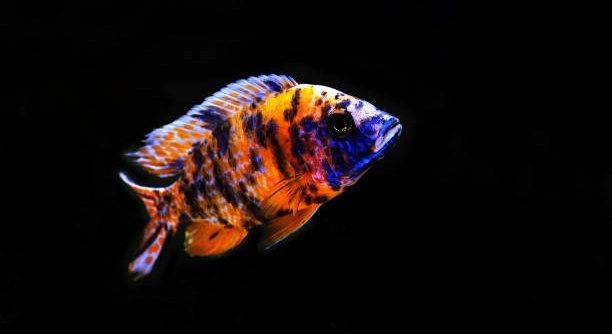
African cichlids are popular fish known for their bright colors and lively behavior. Many fish owners notice these cichlids often act very protective of their space. Their territorial nature is a key part of how they live and interact.
African cichlids are territorial mainly because of their need to protect resources like food, mates, and breeding areas. This behavior helps ensure their survival and reproductive success in the wild, where competition for these resources is intense.
Learning about what drives their territorial actions can help owners create better environments for these vibrant fish. Understanding their needs leads to happier and healthier cichlids.
Why African Cichlids Claim Their Space
African cichlids have a strong need to protect their area in the tank or natural habitat. This behavior comes from their instinct to guard food sources and safe spots for laying eggs. In the wild, these fish live in rocky lakes with many hiding places. Each fish or group picks a spot and defends it against others to keep access to resources. When they feel their space is threatened, they show aggressive behaviors like chasing or displaying bright colors to warn intruders. This territorial behavior helps reduce fights by clearly marking boundaries. It also makes breeding more successful because the fish can keep predators away from their eggs. Even in home tanks, cichlids follow these natural instincts, which can lead to conflict if the tank is too small or lacks enough hiding places.
Territorial behavior is normal and helps cichlids survive and reproduce effectively.
Understanding their need for space can improve tank setup and reduce stress for your fish.
How Tank Setup Affects Territory
The size and layout of the tank play a big role in how territorial cichlids become. A small tank with few hiding spots causes stress and increases fighting. Providing rocks, caves, and plants gives each fish a place to claim and feel safe. This can help reduce aggression and create a more peaceful environment. Adding enough space allows multiple cichlids to live together without constant conflict. It also gives shy fish places to escape if needed. Regularly checking the tank layout and rearranging decorations can prevent one fish from dominating the entire area. Keeping a good balance between open swimming space and hiding spots supports natural behavior and keeps the fish healthier.
Proper tank design helps manage territory disputes among cichlids.
In home aquariums, replicating the natural rocky environment of African lakes helps control territorial disputes. Rocks and caves create defined areas that fish can defend without invading others. When tanks are overcrowded or poorly arranged, fish feel threatened and may become overly aggressive. Providing ample space and visual barriers reduces tension and mimics their natural habitat. This setup also supports breeding behavior by giving fish secure spots for their eggs. Watching your cichlids interact can show you which areas they prefer and if any adjustments are needed. Regular tank maintenance and rearranging decor can keep the territory balance healthy and prevent fights. Understanding and respecting their space needs will make your aquarium a better home for these lively fish.
How Social Hierarchy Influences Territory
Cichlids form social hierarchies that impact territorial behavior. Dominant fish claim the best spots, while others stay on the edges. This pecking order helps reduce constant fighting by establishing clear roles.
The strongest cichlids usually control the prime areas with access to food and shelter. Subordinate fish avoid direct conflict by keeping to less desirable spaces or hiding. This system keeps peace in the group by minimizing challenges. Sometimes, new fish entering the tank disrupt the hierarchy, causing temporary aggression until roles are reestablished. Observing these social dynamics can help in managing tank mates and reducing stress.
Understanding hierarchy helps in selecting compatible cichlids and arranging the tank to support their social needs. Providing enough space for lower-ranking fish reduces bullying and allows everyone to coexist more peacefully.
The Role of Breeding in Territorial Behavior
Breeding is a major factor that increases territorial aggression in African cichlids. During this time, fish become highly protective of their nesting sites and potential mates. The increased defense helps ensure eggs and fry survive to adulthood.
Males often become more colorful and display aggressive behaviors to warn rivals away from their chosen breeding area. Females guard the eggs and fry closely, chasing off intruders. This natural behavior is vital for reproduction but can cause tension in home aquariums. Providing plenty of hiding spots and separate breeding areas can reduce stress on other tank inhabitants. Recognizing when your cichlids are breeding helps you adjust tank care to support their needs and avoid unnecessary fights.
Food and Territory
Food availability strongly affects territorial behavior in African cichlids. When food is limited, they become more aggressive to protect their feeding spots.
Providing enough food and spreading it evenly in the tank helps reduce competition and lowers aggression among the fish.
Territory Size and Stress
The size of the territory a cichlid controls affects its stress levels. Smaller territories or overcrowded tanks lead to higher stress and more fights.
Fish with enough space feel safer and less threatened, which promotes calmer behavior and better health.
How Coloration Signals Territory
Bright colors in African cichlids often signal dominance and territorial claims. Fish use these colors to warn others to stay away.
This visual communication helps reduce direct conflicts by clearly showing who controls an area.
Tank Mates and Territory
Choosing compatible tank mates is essential to managing territorial behavior. Some species tolerate each other better than others.
Matching fish with similar temperaments and space needs helps maintain harmony in the tank.
FAQ
Why are African cichlids so aggressive toward each other?
African cichlids show aggression mainly because they want to protect their territory, food, and mates. In the wild, resources are limited, so defending a space helps them survive and reproduce. This natural behavior carries over into home tanks, where they may act more aggressively if space or hiding spots are lacking.
How can I reduce fighting among my cichlids?
To reduce fights, make sure your tank is large enough and has plenty of hiding spots like rocks and caves. Spread out decorations to create separate areas. Feeding your fish well and evenly also lowers competition. Adding more fish can sometimes spread aggression, but overcrowding often makes things worse.
Do all African cichlids behave the same way?
No, behavior varies among species. Some cichlids are more territorial and aggressive, while others are calmer. Knowing the specific species you have helps in managing their behavior and tank setup. Researching each type before adding them to your tank is important.
Can I keep different cichlid species together?
You can, but it depends on the species. Some cichlids tolerate each other better, especially if the tank is large with enough space and hiding places. Avoid mixing very aggressive species with peaceful ones to reduce stress and injuries.
How do breeding habits affect territorial behavior?
During breeding, cichlids become more protective of their nesting sites. Males defend their territory aggressively to keep rivals away, and females guard eggs and fry closely. This period can increase fights, so providing extra hiding spots or separate breeding tanks can help.
Is it normal for cichlids to chase each other constantly?
Some chasing is normal, especially when establishing territory or hierarchy. However, constant chasing that leads to injury or stress is a problem. Adjusting tank size, rearranging decorations, or separating aggressive fish may be necessary.
How much space do African cichlids need?
Space needs vary, but generally, larger tanks with at least 30 gallons per fish help reduce territorial disputes. More space lets fish claim separate territories and avoid constant contact. Smaller tanks increase stress and aggression.
Can diet affect aggression in cichlids?
Yes, a poor or uneven diet can increase competition and aggression. Feeding a balanced diet in sufficient amounts and spreading food across the tank reduces fights over food. High-quality pellets or flakes designed for cichlids support their health.
What signs show a fish is stressed from territorial disputes?
Signs include hiding more than usual, loss of color, rapid breathing, or injuries from fighting. Stressed fish may also eat less or act withdrawn. If you notice these, it may be time to change tank conditions or separate aggressive individuals.
How often should I rearrange the tank to manage territories?
Rearranging the tank every few weeks can help break up established territories and reduce constant fighting. Changing decorations or moving rocks forces fish to adjust and can lower aggression. Just make sure changes are not too sudden or stressful.
African cichlids are fascinating fish with strong territorial instincts. Their behavior is shaped by natural needs like protecting food, shelter, and breeding sites. This territorial nature is a big part of why they act the way they do, especially in home aquariums. Understanding these instincts can help fish owners provide a better environment that meets the cichlids’ needs. When their space and resources are respected, cichlids tend to be healthier and less stressed.
Setting up the tank properly is very important for managing territorial behavior. Providing enough room, hiding spots, and clear boundaries allows each fish to claim its own area without constant fighting. Rocks, caves, and plants can help create these spaces, mimicking the natural rocky habitats many African cichlids come from. When the tank is too small or lacks places to hide, aggression rises, and fish can get injured or stressed. Careful planning and regular observation of how the fish interact can guide changes that improve tank harmony.
It is also important to remember that territorial behavior changes with breeding and social hierarchy. During breeding, fish become more protective and aggressive to guard their young. Dominant fish will claim the best spots, while others accept less ideal areas. Knowing these patterns helps fish owners adjust their care and tank setup at different times. Overall, respecting the cichlids’ natural behaviors and giving them the space they need makes keeping these colorful fish a rewarding experience.

Hello,
If you enjoy the content that we create, please consider saying a "Thank You!" by leaving a tip.
Every little bit helps us continue crafting quality advice that supports the health, happiness, and well-being of pets around the world, for pets of all shapes, sizes, and species.
We really appreciate the kindness and support that you show us!