
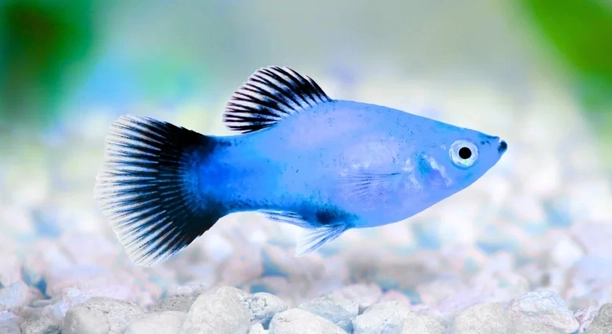
Platies are popular freshwater fish known for their peaceful nature and bright colors. Many fishkeepers notice these small fish occasionally spread their fins in a striking display. This behavior often catches the eye and adds interest to any aquarium setting.
A platy flashes its fins primarily to communicate or show dominance within its environment. This fin display can signal territorial claims, attract mates, or warn other fish. Such behavior is a natural part of their social interactions and is influenced by environmental and social factors.
Understanding why platies flash their fins helps improve how we care for them and enhances the enjoyment of watching their natural behaviors unfold in home aquariums.
Why Platies Flash Their Fins
Platies flash their fins for several reasons connected to their behavior and environment. One main reason is communication. Flashing fins can be a way for a platy to show other fish that it is healthy and confident. This can help reduce conflict by establishing boundaries without physical fighting. Another reason is mating. Male platies often flash their fins to attract females, showing off their colors and size. It is also common to see fin flashing during moments of excitement or stress, such as when new fish are introduced to the tank or when the fish feels threatened. Understanding these reasons can help fishkeepers recognize what their platies are feeling and respond accordingly. Adjusting tank conditions or social groups may reduce stress and encourage natural behavior.
Fin flashing is mostly a sign of communication and social interaction within the tank environment.
Being aware of these signals helps maintain a peaceful aquarium and supports platies’ well-being.
How Tank Conditions Affect Fin Flashing
Tank conditions play an important role in how often and why platies flash their fins. Factors like water quality, temperature, and tank size can influence their behavior. Poor water quality or inappropriate temperature may cause stress, which leads to more frequent or aggressive fin displays. Overcrowding can also increase tension between fish, causing more flashing as they try to establish dominance or space. On the other hand, a well-maintained tank with enough hiding places and proper social groups helps platies feel secure, reducing unnecessary flashing. Keeping the tank clean and monitoring water parameters is essential. Adding plants and decorations gives the fish places to explore and hide, which lowers stress. When platies are comfortable, their fin flashing is more often related to mating or natural communication rather than stress.
Maintaining stable and suitable tank conditions supports healthy platy behavior and reduces stress signals like frequent fin flashing.
Proper care and environment adjustments create a calm aquarium where platies can express natural behaviors comfortably.
Social Behavior Behind Fin Flashing
Platies use fin flashing as a way to interact with each other. This behavior often shows dominance or establishes hierarchy in the tank.
In group settings, platies flash their fins to communicate who is stronger or more dominant. This helps reduce fights by letting others know their place. Flashing can also be a way for males to compete for attention from females. It is common to see more fin displays when there are several males in the tank. Female platies sometimes flash their fins too, but usually less often than males. Watching these interactions gives insight into how platies maintain social balance in the aquarium.
The frequency of fin flashing can change based on the number and mix of platies kept together. A balanced group often shows calmer behavior and fewer intense displays.
The Role of Lighting and Tank Layout
Lighting can affect how often platies flash their fins. Bright or harsh light may make fish feel exposed or stressed, increasing fin flashing. Dimmer, natural-looking light tends to make fish feel safer and behave more calmly.
The layout of the tank is important as well. A tank with plenty of plants and hiding spots helps platies feel secure. This reduces stress-related fin flashing. Open spaces may encourage more flashing because fish compete over territory. Proper tank decoration gives fish places to retreat and lowers tension between them. Careful planning of lighting and tank layout improves overall fish comfort and promotes natural, healthy behavior.
Signs of Stress in Platies
Platies may flash their fins more often when stressed. Stress can come from poor water quality, overcrowding, or sudden changes in the tank.
Other signs of stress include hiding, loss of appetite, and faded colors. Watching these behaviors helps identify problems early.
How to Calm Flashing Behavior
Reducing stress is key to calming excessive fin flashing. Regular water changes, proper filtration, and stable temperatures create a healthy environment. Avoid overcrowding by keeping a balanced number of fish and provide enough hiding spots. Gentle tank lighting and minimal sudden movements around the aquarium also help. These actions create a peaceful space for platies, encouraging natural and relaxed behavior.
When to Be Concerned
If fin flashing is accompanied by torn or damaged fins, it may indicate aggression or illness. Regular observation helps catch these issues early.
FAQ
Why do platies flash their fins so often?
Platies flash their fins mainly to communicate. This behavior can show dominance, attract mates, or warn other fish to stay away. Frequent fin flashing might also mean the fish is stressed or feels threatened. Observing the tank conditions and the fish’s behavior helps determine the cause of frequent flashing.
Is fin flashing harmful to platies?
Fin flashing itself is not harmful. It is a natural part of how platies interact with their environment and each other. However, if flashing is aggressive and leads to chasing or fighting, it can cause injury. Watching for torn fins or constant chasing is important to prevent harm.
Can lighting make platies flash their fins more?
Yes, lighting affects fin flashing. Bright or harsh lights can stress platies, causing more frequent flashing. Using soft, natural lighting helps fish feel safe and reduces this behavior. Adjusting the light duration and intensity often improves the fish’s comfort.
How does tank size influence fin flashing?
A small or overcrowded tank often causes more fin flashing. When space is limited, platies compete over territory, leading to more displays of dominance. Providing enough room and hiding spots reduces tension and fin flashing. A larger tank usually results in calmer fish behavior.
Are male platies more likely to flash their fins than females?
Males flash their fins more often because they use the behavior to attract females and compete with other males. Female platies may flash their fins too, but usually less frequently. The difference in flashing relates to mating and social hierarchy.
What should I do if platies are flashing fins aggressively?
If fin flashing is aggressive, check tank conditions first. Ensure water quality is good and the tank is not overcrowded. Add plants or decorations for hiding spaces. Separating overly aggressive fish might be necessary to protect others and reduce stress.
Can stress cause platies to flash fins?
Yes, stress is a common cause of increased fin flashing. Stressors include poor water quality, sudden changes, overcrowding, or bullying by other fish. Reducing these stressors by improving tank conditions usually lowers the frequency of fin flashing.
Is fin flashing related to breeding behavior?
Fin flashing is often part of breeding behavior, especially among males. It is used to attract females and show readiness to mate. If you notice more flashing during spawning times, it is likely related to reproduction.
How can I tell if fin flashing is normal or a problem?
Normal fin flashing is brief and not aggressive. Problems arise when flashing is constant, aggressive, or leads to fights and injuries. Also watch for signs like torn fins or stress behaviors. Regular observation helps spot when flashing needs attention.
Does changing tankmates affect fin flashing?
Introducing new fish can increase fin flashing temporarily as platies establish social order. If flashing remains high or becomes aggressive over time, the tank’s balance might be off. Carefully selecting compatible fish and monitoring behavior helps maintain harmony.
Can fin flashing be a sign of illness?
Fin flashing alone is rarely a sign of illness. But if flashing comes with lethargy, loss of appetite, or damaged fins, it could indicate health problems. Consulting care guides or a vet helps determine if illness is present.
What role do decorations play in fin flashing?
Decorations and plants reduce fin flashing by providing hiding spots and breaking up sightlines. This lowers stress and limits aggressive displays. A well-decorated tank supports natural behaviors and calmer interactions among platies.
Should I separate platies that flash fins a lot?
Separation might be necessary if fin flashing leads to injury or severe stress. However, it is better to try improving tank conditions first. If aggression continues, isolating aggressive individuals protects the group’s health and peace.
How long does fin flashing usually last?
Fin flashing varies by situation. It may last seconds during brief displays or extend longer when fish are establishing dominance or mating. If it continues excessively or aggressively, it signals a problem to address.
Can diet influence fin flashing?
A balanced diet supports overall health and calm behavior. Poor nutrition can stress fish, increasing fin flashing. Feeding quality food regularly helps platies stay healthy and less reactive in the tank.
Is fin flashing a sign of happiness in platies?
Fin flashing is mostly a communication behavior and doesn’t directly indicate happiness. Calm and relaxed fish with normal flashing are generally healthy. Watching overall behavior and activity levels gives a better idea of a platy’s well-being.
Platies flashing their fins is a natural and important behavior. It helps them communicate with each other in different ways, like showing dominance, attracting mates, or warning other fish to keep their distance. This behavior is a normal part of how platies interact and live together in the aquarium. Understanding why they flash their fins can help fishkeepers create a better environment for these colorful fish. Knowing what the behavior means helps avoid confusion or worry when you see your platies spreading their fins.
Tank conditions have a strong impact on fin flashing behavior. Factors like water quality, tank size, lighting, and decorations all influence how often and why platies flash their fins. When the tank is clean, spacious, and has plenty of hiding spots, platies tend to feel more comfortable and show natural fin flashing. On the other hand, poor water quality, overcrowding, or bright lights can cause stress, which may make fin flashing more frequent or aggressive. Keeping the tank balanced and peaceful helps platies live healthy, less stressful lives and reduces unwanted behaviors.
Finally, it’s important to watch your platies closely for signs that fin flashing might be linked to stress or illness. If fin flashing is combined with torn fins, hiding, loss of appetite, or other unusual behaviors, it might be time to check water conditions or separate aggressive fish. Most of the time, fin flashing is just normal communication and part of their social life. By paying attention and caring properly for your aquarium, you can enjoy watching these fish express their natural behaviors without worry.

Hello,
If you enjoy the content that we create, please consider saying a "Thank You!" by leaving a tip.
Every little bit helps us continue crafting quality advice that supports the health, happiness, and well-being of pets around the world, for pets of all shapes, sizes, and species.
We really appreciate the kindness and support that you show us!