
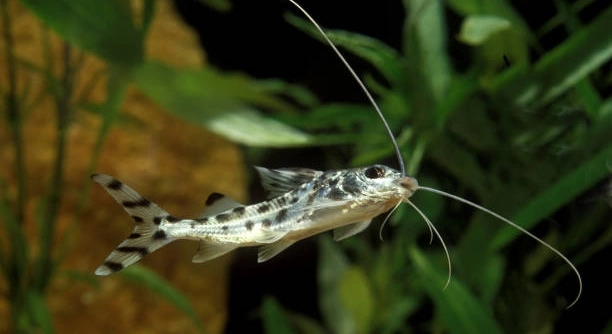
Pictus catfish are popular freshwater fish known for their active behavior and striking appearance. Sometimes, they suddenly hide for days, leaving owners concerned and curious about what might be causing this change. Understanding this behavior can help improve their care.
The primary reason pictus catfish hide for extended periods is due to stress or environmental changes. Factors such as water quality, tank mates, or sudden disturbances can trigger hiding as a natural defense mechanism to avoid perceived threats or discomfort.
Recognizing the causes behind this behavior helps maintain a healthy environment for your fish and supports their overall well-being.
Common Causes for Pictus Catfish Hiding
Pictus catfish often hide due to stress caused by environmental changes. Poor water quality, sudden temperature shifts, or overcrowded tanks can make them uncomfortable. These fish prefer calm conditions and may retreat when they feel threatened. Additionally, aggressive tank mates can force them into hiding. They rely on hiding spots like plants or caves to feel secure. If these spots are missing, stress increases, and hiding behavior worsens. Sometimes, illness or injury can also cause a catfish to hide as a way to protect itself. Regular tank maintenance and monitoring water parameters are essential to keep your fish healthy and less prone to hiding. Observing changes in behavior early can help address issues before they become serious.
Stress and discomfort are the main reasons pictus catfish retreat for days. Their hiding is a natural way to protect themselves from harm.
Providing a stable environment and peaceful tank mates will encourage your catfish to feel safe and active. Offering plenty of hiding places also helps reduce their stress and promotes healthier behavior.
Water Quality and Its Impact
Maintaining good water quality is essential for pictus catfish well-being. Poor water conditions, including high ammonia or nitrite levels, cause stress and make fish more likely to hide. Regular water testing and changes help prevent problems. These fish need clean, well-oxygenated water to thrive. Avoid sudden changes in temperature or pH, as these shocks can trigger hiding. Consistent filtration and careful feeding also play roles in water quality. Overfeeding leads to excess waste, which harms water conditions. Keeping the tank clean and balanced ensures your pictus catfish stays comfortable and visible. Monitoring their behavior regularly can indicate when water quality needs attention.
Water quality directly affects how comfortable and active your pictus catfish will be in their tank.
Keeping water conditions stable and clean reduces hiding episodes and supports your fish’s long-term health and happiness.
Tank Mates and Behavior
Pictus catfish prefer peaceful tank mates and may hide if stressed by aggressive fish. They often avoid confrontation by seeking shelter.
Aggressive or overly active tank mates can cause constant stress for pictus catfish. They naturally shy away and hide to protect themselves. Choosing compatible species, like tetras or peaceful bottom dwellers, helps reduce hiding behavior. Avoid keeping them with large, territorial fish that may bully or chase them. Also, overcrowding can increase stress, so maintain proper stocking levels. When tank mates are calm, pictus catfish tend to be more visible and active, showing their natural curiosity and playful nature.
A well-planned community tank promotes a comfortable space for pictus catfish. Ensuring peaceful interactions can minimize hiding and improve their overall mood and health.
Illness and Health Issues
Sickness often causes pictus catfish to hide for extended periods. They instinctively isolate when feeling weak or vulnerable. Common issues include infections, parasites, or injuries that make movement painful. Early signs might include reduced appetite or unusual swimming patterns. Regular observation helps catch these symptoms before they worsen. Treatment depends on the specific illness but usually involves improving water quality and possibly medication. Quarantining affected fish can prevent spreading disease to others. Maintaining a clean environment and feeding a balanced diet supports their immune system and helps avoid many health problems.
Ignoring signs of illness can lead to serious conditions. Prompt action increases chances of recovery and reduces prolonged hiding.
Recognizing health issues early protects your fish and keeps your tank thriving. Regular care prevents many common diseases and supports your catfish’s wellbeing.
Lighting and Hiding
Bright lighting can cause pictus catfish to hide more often. They prefer dimmer areas where they feel safer.
Providing shaded spots or floating plants helps reduce stress caused by strong lights. Adjusting light levels can encourage your catfish to explore the tank more comfortably.
Feeding Habits and Hiding
Pictus catfish may hide if feeding schedules are irregular or if food is scarce. Consistent feeding times help maintain their routine.
Offering a variety of sinking foods mimics their natural bottom-feeding behavior. Overfeeding should be avoided to prevent water quality issues that can increase hiding.
Seasonal Changes and Behavior
Changes in temperature or daylight during different seasons can affect your catfish’s activity. Cooler water may slow them down and encourage hiding.
Maintaining stable conditions year-round helps keep pictus catfish comfortable and reduces sudden hiding behavior related to seasonal shifts.
Providing Safe Spaces
Pictus catfish need plenty of hiding spots like caves or plants. These safe areas reduce stress and promote natural behavior.
FAQ
Why does my pictus catfish hide suddenly after being active?
Sudden hiding usually means your pictus catfish is stressed or uncomfortable. Changes in water quality, temperature shifts, or new tank mates can trigger this behavior. It’s their way of feeling safe when something in their environment feels off. Checking your tank’s conditions often helps identify the cause.
How long can pictus catfish stay hidden?
Pictus catfish can hide for several days, sometimes even up to a week. This depends on the cause of hiding—stress, illness, or environment. If hiding lasts longer than a week or your fish shows other symptoms like loss of appetite, it may be time to investigate health or water issues.
Can poor water quality make my pictus catfish hide?
Yes, poor water quality is one of the main reasons pictus catfish hide. High ammonia, nitrite, or nitrate levels can stress them. Regular water testing and changes help maintain clean water and reduce hiding. Good filtration and avoiding overfeeding also keep the tank healthy.
Are certain tank mates responsible for my catfish’s hiding?
Aggressive or overly active fish can cause your pictus catfish to hide. They prefer calm, peaceful companions. Species that chase or bully them increase stress, pushing them to retreat. Choosing compatible tank mates and avoiding overcrowding can improve their comfort and visibility.
Does lighting affect pictus catfish behavior?
Strong lighting often makes pictus catfish seek shelter. They are nocturnal and prefer dim or shaded areas. Adding plants, caves, or adjusting light intensity can create a more comfortable environment. This helps reduce hiding and encourages more natural, active behavior.
Is it normal for pictus catfish to hide when they are sick?
Yes, pictus catfish instinctively hide when they feel ill or injured. This behavior helps protect them from predators or other tank mates. Watch for other signs like changes in swimming, loss of appetite, or spots on their body. Early treatment can help them recover faster.
How can I encourage my pictus catfish to come out of hiding?
Improving water quality, providing hiding spots, and ensuring peaceful tank mates are good ways to encourage your catfish to be more active. Feeding at regular times and reducing bright lights also helps. Patience is key, as they may need time to feel safe again.
Does temperature impact hiding behavior?
Temperature fluctuations can stress pictus catfish and cause hiding. They prefer stable, moderate temperatures around 72-79°F (22-26°C). Sudden drops or rises make them less active and more likely to retreat. Using a heater or thermometer can maintain consistent temperatures.
Can diet influence my pictus catfish’s activity?
A balanced diet supports health and energy levels. Poor nutrition or irregular feeding may cause lethargy and hiding. Feeding sinking pellets, live or frozen foods mimics their natural diet and keeps them engaged. Avoid overfeeding, as leftover food harms water quality and causes stress.
Is hiding a sign that my pictus catfish is unhappy?
Hiding itself is a natural behavior, but prolonged hiding often signals stress or discomfort. Addressing environmental factors like water quality, tank mates, lighting, and diet usually improves their mood. Monitoring their behavior regularly helps catch problems early and keep them happy.
Final Thoughts
Pictus catfish hiding for days is a common behavior that usually signals something in their environment is causing stress or discomfort. They rely on hiding as a natural way to feel safe and protect themselves when conditions are not ideal. Factors like poor water quality, aggressive tank mates, or sudden changes in temperature often lead to this behavior. Understanding these triggers is important for providing the right care and creating a stable environment where your fish can thrive and feel secure. Paying attention to their behavior and making adjustments early can prevent longer periods of hiding or potential health issues.
Maintaining a healthy tank means regular monitoring and upkeep. Checking water parameters such as ammonia, nitrite, nitrate, and pH levels helps ensure the water is clean and safe. Consistent water changes and proper filtration are key to reducing stress and keeping your pictus catfish comfortable. Along with water quality, selecting peaceful tank mates and avoiding overcrowding makes a big difference. Pictus catfish prefer calm surroundings and plenty of hiding spots like plants or caves. These elements reduce stress and encourage more natural activity instead of prolonged hiding.
Health is another important aspect to consider when your pictus catfish hides often. Illness, parasites, or injury can cause them to isolate themselves. Observing for other signs such as loss of appetite or unusual swimming patterns helps identify when medical attention is needed. Providing a balanced diet, stable temperature, and clean environment supports their immune system and prevents many common problems. Being patient and attentive to your fish’s needs will lead to a happier, healthier pictus catfish that feels secure enough to explore rather than hide for days.

Hello,
If you enjoy the content that we create, please consider saying a "Thank You!" by leaving a tip.
Every little bit helps us continue crafting quality advice that supports the health, happiness, and well-being of pets around the world, for pets of all shapes, sizes, and species.
We really appreciate the kindness and support that you show us!