
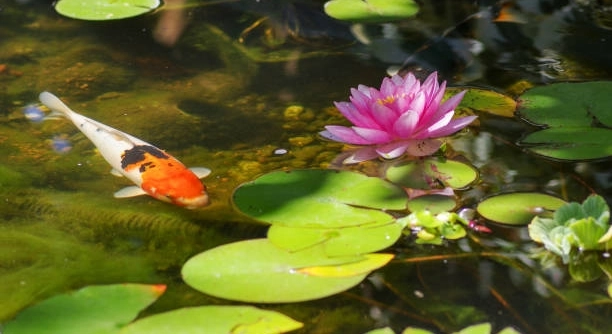
Have you ever walked by a koi pond and found yourself admiring the colors, patterns, and graceful movements of the fish?
Koi fish are valued based on seven main traits: body shape, color, pattern, skin quality, size, movement, and lineage. Each of these characteristics contributes to how a koi is judged and appreciated by collectors.
Knowing what makes a koi fish valuable helps hobbyists make better choices and care for their fish with more confidence.
Body Shape Matters Most
A koi’s body shape is one of the first things people notice. A high-quality koi should have a strong, symmetrical build with a smooth, torpedo-like form. The fish should look balanced from head to tail, with no dips or bumps in the spine. A rounded, thick body is usually more prized than a thin one. The head should be broad and match the body in proportion. Even the shape of the fins can influence how a koi is judged. These details may seem small, but they all add to how the fish swims and carries itself. A healthy, well-formed body often signals that the koi has been raised well and will likely grow strong and live long. Judges and collectors place great value on these physical traits, especially in competitions. It’s not just about looking pretty—structure helps the koi swim more gracefully and present itself better in the water.
A koi with a good body shape moves more easily and looks calm in the pond. This adds to its overall presence and appeal.
When looking for a valuable koi, always take time to observe its body from all angles. Don’t rush. Even small flaws in shape can lower its value. Koi that are too thin or have bent spines may face health problems down the line. Fish with uneven fin sizes or sunken areas can also struggle to grow or move well. A good breeder will help you spot these traits early. If the body is long, wide, and flows smoothly, that’s a great sign. It often means the fish has strong genetics and proper care. Shape is the base for everything else—color, pattern, and size are noticed only after the fish catches the eye with how it moves and holds itself in the water.
Color and Pattern Perfection
Bright, even color is key when judging koi. Clean whites, deep blacks, and vivid reds make a big difference.
Color and pattern are what make each koi unique, but they also follow strict rules when it comes to value. For color, depth and consistency are very important. A red should be rich and even, not patchy or faded. Whites should look clean and soft, without any yellow tint. Black should be dark and not look like it’s fading into the scales. Patterns also matter. Symmetry and balance are preferred—spots should look placed with purpose, even if nature made them random. For example, a large patch of color on one side and nothing on the other can make the fish look uneven. Judges look for contrast, spacing, and clarity. A strong pattern can boost value even if the fish is still growing. Over time, color can change, so koi with solid early colors are more likely to age well and remain attractive.
Skin Quality and Shine
Skin quality affects how light bounces off a koi, making it look either dull or glowing. High-quality skin appears soft, bright, and smooth, not rough or cloudy. This shine often helps boost a koi’s overall appearance, even when the pattern or color is simple.
In koi with white skin, the brightness should feel almost silky, with no yellow tint or rough texture. This is often easier to notice in fish with fewer markings, as their skin stands out more. Red and black colors should also look rich and clean without blending into each other. When the skin reflects light evenly, it creates a shine that adds value. Koi that lack this soft glow may seem less healthy or less impressive, even with good patterns. Skin condition is also a sign of proper care—clean water and good food usually lead to better shine and texture.
Shiny skin shows that the koi is well-kept and in good health. When light hits the body and the colors seem to glow, that’s a strong sign of top skin quality. This doesn’t mean the fish must be fancy. Even a simple koi with excellent skin can stand out. Look closely at how the skin looks underwater—healthy skin will have a slight shimmer and seem clean, not dull or flat. Older koi often lose some shine, so younger fish with strong skin are more valuable. While not always the most talked-about trait, skin quality quietly influences the overall look of the koi and should never be overlooked.
Size and Growth Potential
Size plays a big role in koi value. Larger koi tend to look more elegant and gain more attention, especially during competitions. While some varieties naturally stay small, others are expected to grow over 24 inches to be considered top quality.
A koi’s size reflects both its genetics and care. Good bloodlines often produce fish that grow steadily and stay healthy through the process. If a koi is already large for its age, it may keep growing, which adds value. However, fast growth should be balanced with proper shape—oversized koi that look stretched or misshapen can lose appeal. Growth also depends on the environment. Clean water, enough space, and a high-quality diet all support healthy development. Some fish slow down after a few years, but the ones that keep growing while holding their shape and color tend to stand out the most. Size isn’t everything, but it definitely helps.
Graceful Movement
Movement tells a lot about a koi’s health and body structure. A valuable koi moves smoothly, without jerks or stiffness. Its fins should glide gently, and the tail should sway in a natural rhythm as it swims.
If a koi struggles to swim or seems to wobble, that’s a warning sign. Smooth, relaxed movement shows strength and balance. Judges often watch how a koi behaves in the water before even looking at color or pattern.
Bloodline and Breeding
Lineage can raise a koi’s value, especially if it comes from a well-known breeder. Bloodlines often pass down strong traits like rich color, smooth shape, and steady growth. Breeders carefully track the history of each koi to understand what qualities it might inherit. A fish from a top bloodline is more likely to develop into a high-quality adult. While some koi from lesser-known lines still look beautiful, trusted bloodlines give buyers confidence. Koi from these lines also hold value longer and are more sought after by serious keepers. Knowing where the koi comes from helps you predict how it might grow, age, and change over time.
Rarity of Traits
Some koi have rare traits that make them stand out. Uncommon patterns, unique colors, or unusual scale types can all boost value if they still follow the basic standards of balance and beauty.
FAQ
How can I tell if a koi fish is high quality?
Look at the body shape first. It should be thick, smooth, and symmetrical from head to tail. The skin should look clean and slightly shiny, with no cloudy patches. Colors should be bright and clear, not faded or uneven. Patterns should appear balanced and not too crowded or lopsided. Watch how it swims—smooth, steady movement means the fish is healthy. Lastly, ask about its bloodline if you’re buying from a breeder. All of these signs together can help you spot a valuable koi.
What colors are most valuable in koi fish?
Red, white, and black are the most classic and valuable colors, especially when they are deep, even, and clear. A strong red, often called “hi,” should not be too light or too orange. Pure, bright white is preferred over off-white or yellowish skin. Black should be dark and clean, not gray or faded. The way these colors appear and are placed matters a lot. If they’re well-balanced and don’t blend into each other, the fish will be more desirable. Gold and blue koi can also be valuable, but they are judged by similar standards.
Do koi fish colors change over time?
Yes, koi can change color as they grow. Young koi may start with bright patterns that fade or shift as they age. Some reds deepen while others become patchy. Black markings might appear later or even vanish. This change depends on genetics, water quality, diet, and sunlight exposure. High-quality koi usually keep their colors longer, especially if they come from strong bloodlines. Feeding them a balanced diet and keeping their pond clean can also help maintain their color. Always be prepared for some color shifts, especially during the first few years.
What is the best age to buy a koi fish?
Many people prefer to buy koi when they are one or two years old. At that age, you can already see the basic shape, color, and pattern, but the fish still has time to grow and develop. Younger koi tend to be more affordable, and watching them mature is part of the enjoyment. However, if you want more certainty about how the fish will turn out, buying a three- to five-year-old koi may be better. Older fish often show more stable colors and patterns, making it easier to judge their value.
How important is the koi’s breeder?
The breeder plays a big role in the koi’s value. Well-known breeders have years of experience selecting fish with the best traits. If a koi comes from a respected breeder, there’s a higher chance it will grow well and maintain strong colors. Breeders also keep track of bloodlines, so you can know what to expect as the fish ages. Buying from a breeder with a good reputation gives you confidence in the quality of the fish and the care it received. It’s not required, but it does make a difference.
Can a koi with a rare pattern still be valuable if it has flaws?
Sometimes, yes. A rare or eye-catching pattern can raise interest, even if the fish has minor flaws. However, serious flaws—like poor body shape or weak skin quality—still lower the overall value. A rare pattern that is also well-balanced, with strong color and shine, will always be worth more. If the flaw doesn’t affect health or the fish’s overall look too much, it might still be considered a good choice, especially for personal enjoyment rather than competition.
How do I keep my koi healthy and valuable?
Clean water, space to swim, and a good diet are the basics. Test your water often to make sure levels are safe. Avoid overfeeding, and choose food made for koi that supports growth and color. Protect them from sharp objects and sudden changes in temperature. If your koi get sick, treat them quickly to avoid long-term damage. Regular care helps them stay bright and healthy, which protects their value over time. Keeping them in a stress-free environment will also help them show off their best traits.
Final Thoughts
Koi fish are more than just pretty pets in a pond. They are living art, shaped by nature and careful breeding. Each one is unique, and their value depends on several key traits. Body shape, color, pattern, skin quality, size, movement, and bloodline all come together to show how special a koi is. Some of these traits are easy to spot, while others take time and a closer look. Understanding these details can help you enjoy koi keeping more and avoid mistakes when choosing new fish. Whether you are buying for fun or for competition, knowing what to look for makes a big difference.
Caring for koi takes time and attention. Clean water, good food, and enough space help your koi grow and stay healthy. These simple steps also protect their beauty and value. Many koi change as they age, so keeping them in good condition supports the traits you liked when you first picked them. Watching them swim, noticing small changes, and learning more about their behavior can be both relaxing and rewarding. Even if you don’t plan to enter shows or breed your koi, it still feels good to know you are giving them the best care possible.
Every koi keeper has their own goals. Some want large, colorful koi that impress visitors. Others enjoy spotting rare patterns or collecting koi from famous bloodlines. No matter your reason, taking the time to learn about koi traits will help you make better choices. You don’t need to be an expert, but having a basic understanding gives you more confidence. It also helps when talking to breeders or selecting new koi for your pond. In the end, what makes a koi valuable may be different for everyone, but learning the main traits gives you a strong starting point. Whether you’re new or experienced, there is always something new to notice in each fish.

Hello,
If you enjoy the content that we create, please consider saying a "Thank You!" by leaving a tip.
Every little bit helps us continue crafting quality advice that supports the health, happiness, and well-being of pets around the world, for pets of all shapes, sizes, and species.
We really appreciate the kindness and support that you show us!