
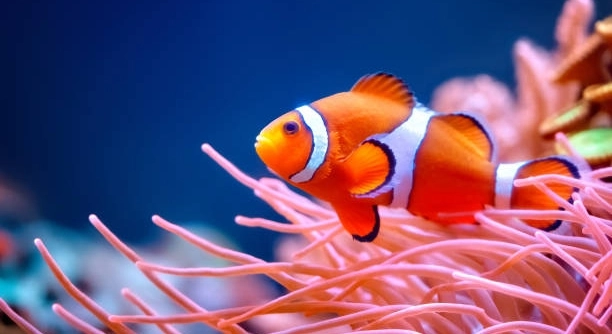
Clownfish are popular aquarium fish known for their bright colors and lively behavior. Many hobbyists want to create the best environment for them. Lighting plays an important role in keeping clownfish healthy and comfortable in captivity.
Clownfish prefer moderate lighting that mimics their natural reef habitat. Bright, direct light can cause stress, while too little light may affect their activity and coloration. Balanced lighting helps maintain their well-being and natural behaviors.
Understanding the right lighting for clownfish helps improve their care and overall health. This guide will explain what works best for these colorful fish.
Natural Lighting Conditions for Clownfish
Clownfish naturally live in shallow coral reefs where sunlight is filtered through water and nearby anemones. Their environment typically has moderate lighting—not too bright or dim. This balance helps maintain their colors and supports their daily activities like swimming and feeding. In aquariums, replicating this natural lighting is important. Too much direct light can cause stress and make clownfish hide more often. On the other hand, lighting that is too low can dull their colors and reduce activity. Most aquarium setups use LED or fluorescent lights with adjustable intensity to match these conditions. Some hobbyists add timers to simulate day and night cycles, which helps clownfish develop a regular routine. Observing how your fish respond to light changes is useful. Adjusting lighting gradually helps prevent sudden stress. Keeping this natural light balance supports healthier behavior and vibrant appearance in clownfish.
Proper lighting directly impacts clownfish health and activity. It is essential to mimic their reef environment as closely as possible.
Lighting adjustments can improve fish mood and coloration over time, contributing to a stable aquarium environment.
Choosing Aquarium Lighting for Clownfish
Selecting the right lighting for clownfish involves balancing intensity and color temperature. Most experts recommend lighting that mimics natural sunlight with a spectrum between 6,500K and 10,000K. This range supports coral growth if you keep anemones or other reef species alongside clownfish. LED lights are popular because they offer adjustable brightness and color options without heating the tank. Fluorescent lights also work but usually provide less control over spectrum and intensity. Avoid using very bright or intense lighting alone, as it can stress clownfish and their host anemones. Combining moderate lighting with shaded areas in the tank helps fish find comfortable spots. Light timers create regular day and night cycles, which benefit fish behavior and health. Testing different lighting setups and watching how your clownfish respond will help you find the best option for your aquarium.
Good lighting is vital but needs careful adjustment to suit your specific aquarium setup and inhabitants.
Impact of Lighting on Clownfish Behavior
Lighting affects how active clownfish are in the aquarium. Proper light encourages normal swimming and feeding habits. Too much light can cause them to hide or become stressed, while too little may make them lethargic or dull in color.
Clownfish rely on natural light cycles to regulate their behavior. Bright, constant light may confuse their internal clocks and increase stress levels. Conversely, dim or inconsistent lighting can reduce their activity, affecting their overall health. Providing a balanced light schedule helps maintain regular feeding times and social interaction among clownfish. This balance supports their natural rhythm and comfort in the tank.
In addition, moderate lighting promotes healthy interactions between clownfish and their host anemones. Anemones also need appropriate light to thrive, and their health directly influences clownfish behavior. Proper lighting creates a stable environment where clownfish feel secure and display normal activity patterns.
Adjusting Lighting for Different Aquarium Setups
Lighting needs vary depending on your aquarium’s size and contents. Small tanks with only clownfish require less intense light than reef tanks with corals and anemones. Over-lighting can cause algae growth and stress fish.
For mixed reef tanks, choose full-spectrum LED lights that support both fish and coral needs. Adjust brightness and timing to avoid overheating or stressing inhabitants. Timers help maintain consistent day-night cycles, crucial for fish health. It’s helpful to observe fish response after changes, as their behavior indicates if lighting is appropriate. Regularly cleaning tank glass also improves light penetration, ensuring a better-lit environment without increasing intensity.
Balancing light intensity with tank size and inhabitants ensures a healthy environment for clownfish and other species. Adjusting lighting carefully helps prevent common problems like stress or poor coloration.
Common Lighting Mistakes to Avoid
Overexposing clownfish to bright light can cause stress and hiding behavior. Under-lighting, on the other hand, may dull their colors and reduce activity. Both extremes harm fish health.
Maintaining a balanced light schedule with gradual changes prevents shock. Avoid sudden shifts in intensity or duration to keep clownfish comfortable and active.
Best Light Duration for Clownfish
Clownfish do best with 8 to 12 hours of light per day. This schedule mimics their natural reef environment and supports their daily cycles. Using timers ensures consistent light and dark periods. Consistency helps maintain normal feeding and resting habits.
How to Test Your Lighting Setup
Monitor clownfish behavior and coloration regularly after adjusting lighting. Healthy fish swim actively and show bright colors. If fish hide or appear pale, lighting may need adjustment.
Using Light to Enhance Clownfish Colors
Proper lighting enhances the natural colors of clownfish, making them more vibrant and appealing.
FAQ
What type of lighting is best for clownfish?
The best lighting for clownfish is moderate, mimicking their natural reef habitat. LED lights with adjustable brightness and a color temperature between 6,500K and 10,000K are ideal. These lights provide a balanced spectrum that supports clownfish and any anemones or corals in the tank without causing stress.
How long should the lights be on each day?
Clownfish thrive with 8 to 12 hours of light daily. This range matches natural day lengths in shallow reefs. Using timers to keep a consistent schedule helps maintain their normal behavior and reduces stress. Sudden changes in lighting duration should be avoided to prevent confusion.
Can too much light harm clownfish?
Yes, excessive light can stress clownfish, making them hide or act restless. Bright, direct light may also harm their host anemones. It is important to provide shaded areas in the tank so clownfish can retreat if the light becomes overwhelming.
Is low lighting safe for clownfish?
While low lighting won’t immediately harm clownfish, it can dull their colors and reduce activity levels. Insufficient light may also affect the growth of anemones or corals if you keep them with your clownfish. A balanced lighting setup is best for overall health.
Should I use a light timer for my aquarium?
Using a timer is highly recommended. It creates a stable day-night cycle that helps regulate clownfish feeding and resting patterns. Consistent lighting periods reduce stress and keep the fish’s internal clock on track.
What color temperature should aquarium lights have for clownfish?
A color temperature between 6,500K and 10,000K is ideal. This range simulates natural daylight and supports coral growth if present. It also brings out the bright colors of clownfish without causing stress.
How can I tell if my clownfish lighting is too strong or weak?
If clownfish hide often or seem stressed, lighting might be too strong. If they become inactive or lose color vibrancy, lighting could be too weak. Observing behavior and appearance after changes in lighting helps determine the right level.
Can lighting affect clownfish health?
Yes, lighting impacts clownfish health by influencing behavior, coloration, and stress levels. Proper lighting encourages natural activity and helps maintain a healthy immune system. Poor lighting can lead to stress, disease, or reduced lifespan.
Are LED lights better than fluorescent for clownfish tanks?
LED lights are generally better because they allow precise control over brightness and spectrum. They also produce less heat, reducing risks of overheating the tank. Fluorescent lights can work but offer less flexibility and control.
Do clownfish need special lighting if kept without anemones?
Clownfish do not need special lighting if kept alone, but balanced moderate lighting still helps maintain their natural behaviors and coloration. Without anemones, there is less need for very intense or specialized reef lighting.
How quickly should I adjust lighting if changes are needed?
Adjust lighting gradually over several days to avoid stressing clownfish. Sudden changes in brightness or duration can confuse fish and disrupt their routines. Slow adjustments allow fish to adapt comfortably.
Can lighting improve clownfish coloration?
Yes, proper lighting enhances the natural brightness of clownfish. Balanced light with the right spectrum makes their colors appear more vivid, which also reflects good health.
Should I consider tank size when setting lighting?
Yes, tank size matters because larger tanks need more evenly distributed light. Small tanks require less intense lighting. Over-lighting a small tank can cause stress and algae growth.
Is it important to clean the aquarium glass for lighting?
Cleaning the glass improves light penetration, ensuring fish and plants receive adequate illumination. Dirty or algae-covered glass reduces light and may cause uneven lighting conditions, affecting clownfish health.
What are signs of lighting-related stress in clownfish?
Signs include hiding frequently, reduced activity, pale colors, and erratic swimming. These behaviors indicate lighting might be too bright, too dim, or inconsistent.
Can clownfish adapt to different lighting conditions?
Clownfish can adapt over time if changes are gradual. Sudden or extreme shifts in lighting, however, cause stress and may harm their health. Consistency and gradual adjustment are key.
Is natural sunlight recommended for clownfish tanks?
Natural sunlight is generally not recommended because it is hard to control and may cause temperature spikes and algae growth. Controlled aquarium lighting is safer and more reliable.
Do clownfish need darkness at night?
Yes, darkness at night is essential to mimic natural cycles. It helps clownfish rest and maintain their biological rhythms. Continuous light can disrupt sleep and increase stress.
Can aquarium plants affect lighting needs for clownfish?
Plants may require specific lighting, sometimes stronger or different spectrum than what clownfish need. Balancing light for both plants and fish is important in planted tanks.
How often should I change or maintain aquarium lights?
Aquarium lights usually need replacement every 1-2 years as their intensity and spectrum degrade over time. Regular maintenance ensures proper lighting conditions for clownfish health.
What role does lighting play in clownfish breeding?
Consistent lighting supports normal breeding behaviors by regulating hormone cycles and activity patterns. Irregular or poor lighting may reduce breeding success.
This FAQ covers many practical points about clownfish lighting, helping maintain healthy and vibrant fish in your aquarium.
Lighting plays a vital role in the health and well-being of clownfish kept in aquariums. Providing the right type and amount of light helps mimic their natural reef environment, which is key to supporting their natural behavior and vibrant colors. Clownfish need moderate lighting that is neither too bright nor too dim. Bright, harsh light can stress the fish and cause them to hide, while insufficient lighting may reduce their activity and dull their appearance. Adjusting lighting gradually and maintaining a consistent day-night cycle with the help of timers is important to keep clownfish comfortable and healthy.
It is also essential to consider the specific setup of your aquarium when choosing lighting. Factors such as tank size, presence of corals or anemones, and the type of light source all affect the best lighting conditions for your clownfish. LED lights are often preferred because they offer control over brightness and color temperature without heating the tank. A color temperature between 6,500K and 10,000K usually works well to simulate natural daylight and enhance the colors of both clownfish and their environment. Observing how your fish respond to different lighting levels is useful for fine-tuning the setup to meet their needs.
Maintaining proper lighting not only improves the visual appeal of your aquarium but also supports the overall health and behavior of clownfish. Consistent lighting routines encourage normal feeding, resting, and social behaviors, reducing stress and promoting longevity. Avoiding common mistakes such as sudden changes in light intensity or leaving lights on for too long helps prevent negative effects. With attention to lighting details, it is possible to create a stable, healthy habitat that allows clownfish to thrive and display their natural beauty.

Hello,
If you enjoy the content that we create, please consider saying a "Thank You!" by leaving a tip.
Every little bit helps us continue crafting quality advice that supports the health, happiness, and well-being of pets around the world, for pets of all shapes, sizes, and species.
We really appreciate the kindness and support that you show us!