
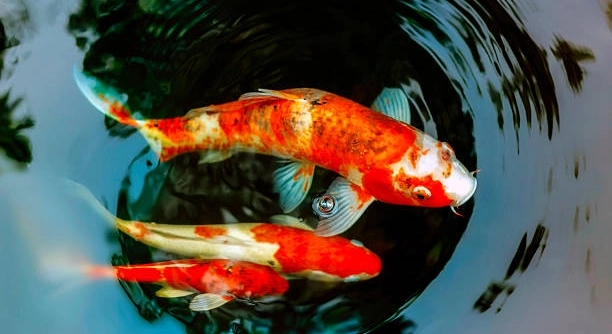
Koi are known for their graceful movements and calm presence in ponds. Their behavior can change noticeably under different natural conditions, including during the full moon. These changes are often subtle but meaningful to attentive observers.
Koi behavior during a full moon typically shows increased activity and altered patterns. The lunar light influences their feeding, swimming, and social interactions, possibly due to changes in environmental cues like light intensity and water conditions. This response is consistent and observable.
Observing these behavioral shifts can enhance understanding of koi care and pond dynamics throughout lunar cycles. This article explains what these changes signify and how to interpret them effectively.
Changes in Koi Behavior During the Full Moon
Koi often become more active during a full moon, showing behaviors that differ from their usual calm routine. They may swim near the water’s surface more frequently or gather in groups, displaying increased social interaction. This change could be linked to the brighter night conditions, which affect their natural instincts and feeding patterns. Some koi may also become more alert or restless, reacting to the altered light and environmental factors. The full moon’s glow can stimulate their senses, influencing how they move and interact within the pond. This behavior is not just random but reflects how koi respond to natural cycles. Understanding these changes helps in managing their environment and ensuring they remain healthy throughout these lunar phases.
The full moon impacts koi activity by increasing their movement and social behaviors. This is a natural response to the environmental changes it causes.
Recognizing these patterns can improve koi care by adjusting feeding schedules or pond lighting to better suit their needs during the full moon phase. Observing koi carefully during this time reveals important clues about their health and comfort. Adjustments such as lowering artificial lights or providing extra shelter may reduce stress. The full moon period is also a good time to monitor water quality, as increased koi activity can affect filtration and oxygen levels. Being attentive during these nights helps maintain a stable pond environment and supports koi well-being over time.
Understanding Environmental Factors
Koi behavior is strongly influenced by environmental factors beyond the moon phase, including water temperature, clarity, and oxygen levels. These factors combine with lunar cycles to shape how koi act in their habitat.
Water temperature during the full moon can vary, especially if it coincides with seasonal changes. Cooler or warmer water affects koi metabolism and activity levels. Clarity is important too, as clearer water under moonlight allows koi to see better, which may encourage more surface activity. Oxygen concentration can fluctuate with water temperature and movement, influencing koi’s ability to stay active and healthy. When oxygen is sufficient, koi tend to be more energetic. Conversely, lower oxygen levels can make them lethargic. The full moon’s effects are often magnified or diminished by these environmental conditions. Regular monitoring of pond parameters during lunar cycles provides a better understanding of koi behavior, helping owners respond appropriately to their fish’s changing needs.
Moonlight and Feeding Patterns
Koi often feed more actively during the full moon, responding to the increased light. This shift can influence their eating habits and overall energy levels.
The brighter moonlight extends the period during which koi feel comfortable feeding near the surface. This natural illumination may encourage them to search for food longer than usual, especially if the pond has limited artificial lighting. Because of this, koi might appear more eager or restless around feeding times during a full moon. Adjusting feeding schedules or portions during this period can help maintain balance and prevent overfeeding, which may affect water quality. Monitoring koi’s appetite and behavior closely will ensure their diet matches their changing activity levels during lunar phases.
Increased feeding activity also means koi expend more energy, which could affect their health if not managed properly. Providing balanced nutrition and avoiding sudden changes in diet helps koi maintain strength and vitality throughout these cycles. Observing koi during full moons offers insight into how natural rhythms affect their metabolism and behavior.
Social Behavior Shifts
Koi display noticeable social changes during a full moon, often gathering in groups more frequently. These shifts seem linked to altered environmental cues from moonlight.
Group swimming and increased interaction can be signs that koi feel safer or more stimulated by the lunar illumination. The moonlight may enhance their ability to see each other, encouraging social bonds and synchronized movements. This behavior also aids in protection, as koi in groups are less vulnerable to predators during brighter nights. However, it may cause some stress if space is limited or if dominant fish assert control more aggressively. Pond owners should observe social dynamics carefully during full moons and provide adequate space or hiding spots to reduce tension. Proper management of these social changes promotes koi well-being and a harmonious pond environment.
Light Sensitivity in Koi
Koi are sensitive to changes in light, especially during the full moon. The increased brightness can alter their daily routines and affect how they behave.
This sensitivity influences their feeding, resting, and swimming patterns. Bright moonlight can make koi more active at night compared to darker phases.
Stress Factors Related to Lunar Cycles
The full moon can sometimes cause stress in koi due to disrupted natural rhythms. Increased activity may lead to fatigue or aggression among fish. Stress can also result from changes in water temperature and oxygen levels linked to lunar cycles. Monitoring koi behavior during these periods helps detect signs of distress early. Providing a calm environment with adequate hiding places reduces stress and supports koi health. Consistent care and observation ensure koi adapt well to the changes that occur during full moon phases.
Adjusting Pond Care
During the full moon, adjusting pond maintenance routines can help support koi health. This includes monitoring water quality and managing feeding practices to match their activity levels.
Observing Behavior Changes
Regular observation during lunar phases helps identify patterns in koi behavior. This attention aids in providing proper care and improving the pond environment.
FAQ
Why do koi become more active during a full moon?
Koi respond to the increased light and environmental changes caused by the full moon. The brighter conditions extend their active hours, making them swim more and feed near the surface longer than usual. This behavior is linked to their natural instincts, which rely on light cues to regulate activity.
Does the full moon affect koi feeding habits?
Yes, koi tend to feed more actively during the full moon. The increased illumination encourages them to search for food longer. This can lead to higher energy expenditure and may require adjustments in feeding amounts to prevent overfeeding and maintain water quality.
Can the full moon cause stress in koi?
The full moon can cause mild stress by disrupting koi’s natural rhythms. Increased activity may tire them or lead to more aggressive behavior. Changes in water temperature or oxygen during this time can also contribute to stress. Providing hiding spots and monitoring water conditions helps reduce these effects.
Should I change my pond care routine during a full moon?
It is helpful to monitor water quality more closely during full moons. Because koi are more active and may eat more, waste levels can rise faster. Adjusting feeding and ensuring filtration systems are working properly can maintain a healthy environment.
Do koi behave differently during other lunar phases?
Koi behavior varies throughout the lunar cycle, but changes are most noticeable during the full moon. New moons and other phases may also influence activity, but usually less dramatically. These shifts are natural and tied to environmental cues like light and water conditions.
How does moonlight influence koi social behavior?
Moonlight improves visibility, encouraging koi to swim together and interact more. Group swimming offers safety and enhances social bonds. However, in smaller ponds, this increased interaction can sometimes lead to territorial disputes. Providing enough space helps maintain harmony.
Can koi see moonlight clearly?
Koi have good vision and can detect changes in light intensity. Moonlight is bright enough to influence their behavior, especially in clear ponds. This sensitivity to light helps koi adjust their activities according to natural environmental signals.
Is koi health affected by lunar cycles?
Lunar cycles can indirectly impact koi health by altering behavior and environmental conditions. Increased activity means koi use more energy, which requires good nutrition. Changes in water temperature and oxygen during lunar phases also affect their well-being. Careful observation during these times helps catch potential problems early.
What signs indicate koi stress during a full moon?
Signs include restlessness, reduced appetite, hiding more often, or unusual aggression. If koi seem tired or swim erratically, it may indicate stress. Checking water quality and providing shelter can alleviate these issues.
Can artificial lighting affect koi behavior like the full moon?
Artificial light can mimic some effects of the full moon by extending light exposure. This may cause koi to be more active at night and alter their feeding patterns. It is important to balance artificial lighting to avoid overstimulating the fish and disrupting their natural rhythms.
How can I support koi during full moon phases?
Maintain good water quality by testing regularly and cleaning filters. Adjust feeding to match their increased activity but avoid overfeeding. Provide shaded or sheltered areas for koi to rest if they seem stressed. Observing their behavior closely helps ensure they stay healthy throughout the lunar cycle.
Do all koi react the same to the full moon?
Individual koi may show different levels of activity and behavioral changes. Factors such as age, health, and personality influence their response. Some koi may be more sensitive to moonlight, while others remain calmer. Understanding your koi’s normal behavior makes it easier to spot unusual changes.
Can full moon behavior indicate health issues?
Changes in behavior during a full moon are usually normal, but extreme restlessness, loss of appetite, or aggression could signal underlying health problems. If these symptoms persist beyond the lunar phase, a water test and health check may be necessary.
Are there ways to minimize stress caused by the full moon?
Yes. Limiting nighttime disturbances and reducing bright artificial lights can help. Providing hiding spots and ensuring proper water conditions support koi comfort. Gradual adjustments in feeding and careful observation also reduce stress during this time.
Is it important to track lunar phases for koi care?
Tracking lunar phases can help predict behavioral changes and plan care accordingly. Being prepared for increased activity during full moons allows for timely adjustments in feeding and maintenance, contributing to koi health and pond stability.
Final Thoughts
Koi behavior during a full moon is a natural response to environmental changes. The increased light and altered conditions influence their activity, feeding, and social interactions. Understanding these changes helps in providing better care and maintaining a healthy pond environment. Observing koi closely during lunar cycles allows pond owners to adjust feeding and maintenance routines to support the fish’s well-being. This attention to detail prevents common issues such as overfeeding, stress, or aggressive behavior.
The full moon’s effect on koi is not harmful when managed properly. The increased activity requires more energy, so providing balanced nutrition is important. Changes in social behavior, such as grouping or occasional aggression, reflect normal adaptations to the environment. Creating a pond environment with enough space and hiding spots reduces stress and promotes harmony among the fish. Regular water quality checks are essential during this period, as waste levels can rise with increased feeding and movement.
Overall, respecting koi’s natural rhythms, including those influenced by the moon, improves their health and longevity. Maintaining consistent care and adapting to changes in behavior during full moons contributes to a stable pond ecosystem. Being aware of these patterns allows for timely interventions when needed. This approach supports koi comfort and helps pond owners enjoy their fish with confidence and satisfaction.

Hello,
If you enjoy the content that we create, please consider saying a "Thank You!" by leaving a tip.
Every little bit helps us continue crafting quality advice that supports the health, happiness, and well-being of pets around the world, for pets of all shapes, sizes, and species.
We really appreciate the kindness and support that you show us!