
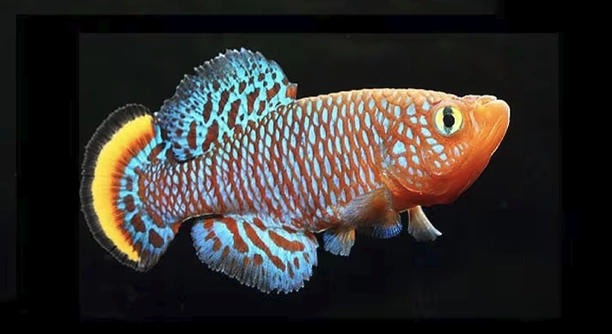
Killi fish are small, colorful fish that many aquarium lovers enjoy keeping. They need a comfortable environment to thrive, and the choice of substrate plays an important role in their well-being. Understanding their preference helps create a suitable home.
Killi fish generally prefer fine, soft substrates like sand or smooth gravel. These substrates mimic their natural habitat, allowing them to explore and lay eggs safely. Rough or sharp substrates can cause stress or injury, so gentle materials are ideal.
Choosing the right substrate can improve your killi fish’s health and behavior, making your aquarium a happier place for them to live.
Importance of Choosing the Right Substrate
Selecting the proper substrate for killi fish is more than just a decoration choice. It affects their comfort, health, and breeding success. These fish come from environments with soft riverbeds or sandy patches, so a substrate that closely resembles this is best. Hard or coarse materials can cause damage to their delicate fins and bodies. Also, fine substrates provide hiding spots for fry, increasing their chances of survival. When the substrate is suitable, it supports natural behaviors like digging or resting. Over time, the wrong substrate can lead to stress and illness, reducing the lifespan of your fish. Taking the time to find a gentle, natural-feeling base helps create a stable and nurturing tank environment. This makes caring for killi fish easier and more rewarding.
A soft substrate like fine sand is usually the safest and most effective choice for these fish. It helps keep them calm and healthy.
Proper substrate not only benefits the fish but also makes cleaning easier. Fine sand settles debris, allowing for better filtration. It also helps plants root well if you want to add live plants to the tank. Overall, it’s a small investment that greatly improves the tank’s balance and the happiness of your killi fish.
Common Substrate Types for Killi Fish
Fine sand is the most popular choice among killi fish keepers. It is smooth and gentle, preventing injury while providing a natural feel. Sand also supports breeding, as some killi species prefer to lay eggs on or under it. Gravel can be used but should be smooth and small-sized to avoid harm. Avoid sharp or rough gravel that can tear fins or cause infections. Some keepers use soil-based substrates to help plant growth, but these need to be carefully maintained to prevent water quality issues. In general, simplicity works best—choosing a clean, fine substrate helps maintain a healthy environment.
Sand offers a natural look and is easy to clean, making it ideal for killi tanks.
When choosing gravel, look for smooth, rounded pieces no larger than a few millimeters. This size allows fish to move freely without risk. Mixing sand with fine gravel can also work, as long as the materials are gentle. Avoid dark or overly bright substrates since killi fish often prefer neutral tones that resemble their natural habitats. Keeping substrate thickness between one and two inches is enough to support fish behavior and plants. Overall, selecting the right substrate makes your tank safer, cleaner, and more comfortable for your killi fish to thrive.
Substrate Maintenance Tips
Keeping the substrate clean is essential for killi fish health. Regular vacuuming helps remove waste and prevents harmful bacteria buildup. Avoid disturbing the substrate too much to protect beneficial microorganisms.
Cleaning the substrate gently maintains water quality and reduces stress on fish. Using a gravel vacuum with light suction works well, especially on sandy bases. Avoid deep digging, which can release toxins trapped in debris. Frequent water changes also help keep the substrate fresh. Stirring the substrate too often can cause cloudiness, making the tank look messy and stressing fish. Aim for a balance between cleanliness and preserving the natural feel of the tank floor. Proper maintenance encourages a healthy environment for killi fish and their eggs.
Filters assist in keeping substrates clean but do not replace manual cleaning. Ensure the filter is appropriate for the tank size and kept in good condition. Monitor substrate condition during weekly tank checks and address any buildup immediately to avoid long-term problems. Consistency in maintenance keeps the tank safe and comfortable.
How Substrate Affects Killi Fish Behavior
Substrate influences many behaviors in killi fish, including hiding, exploring, and breeding. A natural, soft substrate encourages these activities. It creates a sense of safety and comfort in the tank, reducing stress.
Killi fish often use the substrate to lay eggs or forage for food. A soft, fine substrate allows them to dig or sift gently, which is important for their natural instincts. Without suitable substrate, they may become less active or show signs of stress, such as hiding excessively or losing appetite. The substrate also supports plant roots, adding cover and enrichment. This helps fish feel more secure and engaged in their environment. Observing your fish’s behavior can guide substrate choices and tank setup adjustments to improve their well-being and happiness.
Choosing Substrate for Breeding
A soft substrate is crucial for successful killi fish breeding. It protects eggs and provides a safe place for fry to hide after hatching. Rough or sharp materials can damage eggs or scare away the fish.
Using fine sand or smooth gravel helps mimic natural conditions. This encourages breeding behaviors and increases fry survival rates.
Avoiding Common Substrate Mistakes
Avoid using substrates that alter water chemistry drastically, like some types of crushed coral or limestone. These can raise pH levels and harm sensitive killi species. Dark, rough, or sharp substrates may stress the fish or cause injuries, so choose gentle materials instead.
Benefits of Live Plants with Substrate
Live plants help improve water quality and provide extra hiding places. They root better in fine substrates like sand, enhancing the tank’s natural look and supporting fish health.
Substrate Thickness Recommendations
A substrate layer about one to two inches thick is enough. Too much substrate can trap debris and cause water quality issues, while too little may not support plants or fish behavior well.
FAQ
What type of substrate is best for killi fish?
The best substrate for killi fish is fine sand or very smooth, small gravel. These materials are gentle on their bodies and mimic their natural environments. Rough or sharp substrates can cause injuries and stress. Soft substrates also support breeding by giving eggs a safe place to develop.
Can I use regular aquarium gravel for killi fish?
Regular aquarium gravel can be used if it is smooth and small in size. Avoid large, jagged, or sharp gravel pieces, as these can harm your fish. If you choose gravel, make sure it is easy to clean and does not affect water chemistry negatively. Sand is often a safer and more natural option.
How often should I clean the substrate in a killi fish tank?
Substrate should be gently cleaned during regular tank maintenance, usually once a week or every two weeks. Use a gravel vacuum with light suction to avoid disturbing beneficial bacteria. Avoid deep digging or stirring that can release harmful waste and stress the fish.
Will substrate affect water quality?
Yes, substrate can impact water quality. Fine sand and smooth gravel trap less debris, making the tank easier to clean. Some substrates may alter pH or hardness, so it’s important to pick neutral materials. Maintaining substrate cleanliness is key to keeping water conditions stable.
Is live plant substrate better for killi fish?
Live plant substrates like nutrient-rich soil can be beneficial if maintained properly. They help plants root and improve water quality. However, these substrates require careful monitoring to prevent buildup of harmful substances. For beginners, fine sand with simple plants is often easier.
Can killi fish survive without substrate?
Killi fish can survive without substrate, but their behavior and health may suffer. They feel more secure with a soft substrate to hide and breed in. A bare bottom tank is easier to clean but may increase stress and reduce natural activities like digging or exploring.
What thickness of substrate is ideal?
A layer between one and two inches thick is ideal. This is enough to support plants and natural fish behaviors without trapping excessive waste. Too thick a substrate layer can cause water quality problems by holding debris and reducing circulation.
How do I know if the substrate is harming my killi fish?
Signs of substrate problems include torn fins, unusual hiding, lethargy, or stress-related behavior. If fish avoid the tank bottom or have visible injuries, consider changing the substrate to a softer material. Regular observation helps catch problems early.
Can substrate choice affect breeding success?
Yes, substrate choice greatly affects breeding. Soft, fine substrates encourage egg laying and protect eggs and fry. Rough or hard substrates can damage eggs or prevent breeding behaviors. Providing a natural-feeling substrate increases the chances of successful spawning.
Should I mix different types of substrate?
Mixing fine sand with small, smooth gravel can work if both materials are gentle and safe. This mix can add visual interest and support plant roots better. Avoid combining substrates that have different chemical properties to keep water stable.
How to clean substrate without disturbing the fish?
Use a gentle gravel vacuum with low suction during water changes. Clean only a portion of the substrate at a time to avoid stressing fish. Stirring the substrate too much can cause cloudy water and stress. Keeping a regular cleaning schedule helps reduce buildup.
Are colored substrates safe for killi fish?
Colored substrates are generally safe if made from non-toxic materials and free of sharp edges. However, bright or unnatural colors may stress some killi fish. Neutral tones that mimic natural environments usually work best to keep fish calm.
Can substrate help control algae growth?
Substrate itself doesn’t control algae, but a healthy substrate with live plants can reduce algae by absorbing excess nutrients. Regular cleaning and good tank maintenance are more important for algae control than substrate type.
What substrates should be avoided?
Avoid substrates that are rough, sharp, or chemically reactive, such as crushed coral or limestone, as these can raise pH and harm sensitive killi fish. Also, avoid substrates that trap too much debris or are difficult to clean, which can lower water quality.
How does substrate impact tank decoration?
Substrate choice affects the tank’s overall look and how decorations and plants settle. Soft, fine substrates allow for easy planting and create a natural appearance. Hard substrates may limit planting options and require different décor choices to ensure fish comfort.
Can I change the substrate after setting up the tank?
Changing substrate after setup is possible but should be done carefully. Removing substrate can disturb beneficial bacteria and stress fish. Perform partial water changes and clean gently while switching substrate to minimize impact on water quality and fish health.
Choosing the right substrate for killi fish is an important step in setting up their tank. It helps create a comfortable and natural environment that supports their health and behavior. Soft substrates like fine sand or smooth gravel are usually the best options. These materials protect the fish from injuries and allow them to carry out natural activities, such as digging or resting on the tank floor. Using the correct substrate also encourages breeding by giving the fish a safe place to lay eggs. In contrast, rough or sharp substrates can cause stress and harm, which may lead to illness or shorter lifespans.
Maintaining the substrate properly is just as important as selecting it. Regular gentle cleaning removes waste and prevents harmful bacteria buildup. Using a gravel vacuum with light suction helps keep the substrate clean without disturbing the beneficial microorganisms living there. It’s best to avoid deep stirring or frequent digging because this can release toxins and cause water cloudiness. Also, keeping the substrate layer at a moderate thickness—about one to two inches—balances supporting plants and fish behavior with easy maintenance. Proper substrate care supports stable water quality and creates a healthier tank environment for your killi fish to thrive.
Overall, substrate choice has a strong impact on the well-being and happiness of your killi fish. It influences their behavior, breeding success, and how comfortable they feel in the aquarium. By choosing a soft, natural substrate and keeping it clean, you help create a peaceful and safe space for them. Along with proper tank setup and regular maintenance, the right substrate makes caring for killi fish simpler and more enjoyable. Taking these steps leads to a more balanced tank where your fish can live longer and healthier lives.

Hello,
If you enjoy the content that we create, please consider saying a "Thank You!" by leaving a tip.
Every little bit helps us continue crafting quality advice that supports the health, happiness, and well-being of pets around the world, for pets of all shapes, sizes, and species.
We really appreciate the kindness and support that you show us!