
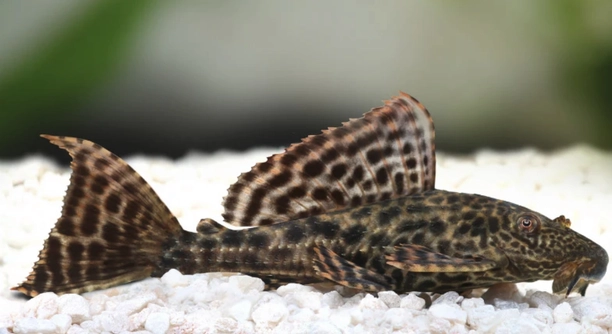
Plecos are a popular choice for aquarium enthusiasts due to their unique appearance and useful algae-eating habits. However, with so many varieties, it can be tricky to know which one stays the smallest.
The smallest pleco species are typically the Bristlenose Pleco (Ancistrus sp.) and the Clown Pleco (Panaqolus maccus), with the former reaching around 4 to 5 inches in length and the latter only growing to about 3 to 4 inches.
Finding the right pleco for your tank ensures a happy and healthy aquarium. Continue reading to learn more about these small and fascinating species.
Why Small Plecos Are Perfect for Smaller Tanks
Plecos are well-known for their algae-eating abilities, making them a helpful addition to many aquariums. If you have a smaller tank and want to add a pleco, choosing one that stays small is key. Larger plecos can grow too big for smaller spaces and might end up outgrowing your tank. Smaller species are not only manageable in size, but they also stay active without overwhelming the environment. Bristlenose plecos, for example, are excellent choices as they only grow to about 4-5 inches. Their manageable size and gentle nature make them ideal for smaller tanks, and they can keep your aquarium clean without taking up too much space.
In addition to their size, small plecos are generally low-maintenance. They don’t require excessive attention or complex care routines, making them a good fit for hobbyists who want to maintain a peaceful, balanced tank. These plecos eat algae and other organic debris, helping to keep your tank cleaner without needing extra feeding.
Bristlenose plecos are among the most popular small species. Their unique appearance, with bristly growths on their faces, adds an interesting touch to any aquarium. They are hardy and adaptable, capable of thriving in a variety of water conditions. They are peaceful and get along well with other tank mates, making them suitable for community tanks. Additionally, they are often less destructive than larger plecos, so they won’t damage your plants or decorations. Their small size and efficient cleaning habits make them a top pick for many aquarium owners.
How to Care for Small Plecos
Caring for a small pleco is fairly simple. They prefer slightly warmer water with a good flow to mimic natural conditions.
Regular water changes, keeping the tank well-filtered, and providing enough hiding spots are the main care guidelines. Plecos also thrive in tanks with plants, which provide both food and shelter.
Bristlenose Pleco Care
Bristlenose plecos are great for beginners. They are hardy, easy to care for, and tolerate a range of water conditions.
These plecos thrive in slightly warmer water, around 74-80°F, and need a pH level between 6.5-7.5. They’re not picky eaters and can survive on algae alone, but offering them occasional veggies like zucchini or cucumber will keep them healthy. Since they stay relatively small, they won’t require an overly large tank, but they do appreciate having hiding spots and some plants.
Bristlenose plecos are peaceful and get along well with most other fish. They might graze on plants, but they usually won’t cause significant damage. They prefer gentle filtration, so choose a filter with a flow rate that won’t stress them. Regular water changes are crucial, as plecos are sensitive to poor water quality. A tank with plenty of hiding spots, like caves or driftwood, will make them feel more at ease.
Clown Pleco Care
Clown plecos are small, vibrant, and perfect for smaller tanks. They are easy to care for and relatively low-maintenance.
This species requires slightly warmer water temperatures, ideally between 75-80°F, and a pH level of 6.5-7.5. Clown plecos are mostly nocturnal and tend to be more active at night. They love algae but also appreciate sinking pellets, wood, and vegetables like blanched spinach. Their small size means they won’t outgrow smaller aquariums, making them a fantastic choice for those with limited space.
Despite their small size, clown plecos are also great at keeping tanks clean. They help control algae growth, particularly in tanks with low to moderate lighting. They are peaceful and won’t bother other tank mates, making them ideal for community tanks. However, they do enjoy some solitude, so providing hiding spots in the tank will keep them happy. Regular water changes, along with proper filtration, will ensure they stay healthy and thrive in their environment.
Pygmy Pleco Care
Pygmy plecos are one of the smallest plecos available, making them an excellent choice for very small tanks.
They are ideal for tanks of 10 gallons or more and can live in groups. Pygmy plecos are peaceful, not overly demanding, and enjoy hiding in the crevices of rocks or driftwood. They thrive in well-maintained water with a slightly acidic to neutral pH.
What Pygmy Plecos Eat
Pygmy plecos primarily feed on algae but will also accept sinking pellets and blanched vegetables. They enjoy consuming biofilm and organic matter found in the tank, which helps keep your aquarium clean. They do best in tanks with some natural plants to forage through.
Common Issues with Small Plecos
Small plecos can experience a few common issues, including poor water quality, overfeeding, and not enough hiding spots.
Regular water testing, proper filtration, and avoiding overfeeding are essential for their well-being. Make sure your pleco has a secure hiding place where it can feel safe from more active fish.
FAQ
What is the smallest pleco species?
The smallest pleco species are the Clown Pleco and the Bristlenose Pleco. Clown Plecos usually grow up to 3 to 4 inches, while Bristlenose Plecos can reach 4 to 5 inches in length. Both species are manageable in size, making them perfect for smaller aquariums. They are also known for their algae-eating habits, which helps keep the tank cleaner.
Can plecos live in small tanks?
Yes, small plecos like the Bristlenose and Clown Pleco can live in small tanks, provided they have enough space to swim and hide. Tanks of 10 to 20 gallons are ideal for these species. However, it’s crucial to ensure the water is kept clean and stable. Regular water changes and proper filtration will support their health.
Do small plecos eat algae?
Yes, small plecos, especially the Bristlenose and Clown Pleco, are excellent algae eaters. They spend much of their time grazing on algae, helping to keep your aquarium clean. However, they also benefit from additional food, such as sinking pellets, blanched vegetables, and wood, which should be added to their diet for proper nutrition.
How often should I feed a small pleco?
Small plecos should be fed once a day, but be mindful not to overfeed them. Their diet mainly consists of algae, biofilm, and detritus, but supplementing their diet with sinking pellets or vegetables once or twice a week is important. Excess food can quickly pollute the tank, so offer just enough for them to finish in a few hours.
Are small plecos easy to care for?
Yes, small plecos are generally low-maintenance. They are hardy and adaptable to a wide range of water conditions. As long as the water is kept clean, they have enough food, and there are places for them to hide, they’ll thrive. Regular water changes and proper filtration are all that’s needed to keep them healthy.
Do small plecos require a filter?
Yes, small plecos need a filter to ensure clean water. They are sensitive to poor water quality, and without proper filtration, their health can quickly decline. A gentle filter is ideal to avoid strong currents, as plecos prefer slower-moving water. Make sure the filter is suitable for the tank size and provides good circulation.
How long do small plecos live?
Small plecos, like Bristlenose and Clown Plecos, can live anywhere from 5 to 10 years, depending on their care and water conditions. Providing a stable and clean environment will help them reach their maximum lifespan. Regular water changes, good filtration, and a healthy diet are essential for their long-term health.
Do small plecos need hiding spots?
Yes, small plecos need hiding spots in their tank. They are nocturnal creatures and prefer to hide during the day. Adding caves, driftwood, and plants provides them with the shelter they need to feel secure. Having enough hiding spots will reduce stress and improve their overall well-being.
Are small plecos good for community tanks?
Yes, small plecos are typically peaceful and get along well with most other tank mates. Bristlenose and Clown Plecos, for example, are not aggressive and will not harm other fish. However, it’s important to avoid housing them with larger, more aggressive species that might bully or stress them out. They do best in a calm and peaceful environment.
Can small plecos live with shrimp or snails?
Yes, small plecos can live with shrimp and snails. They generally won’t harm these smaller tank mates. However, be cautious with certain species of plecos that might nibble on shrimp or snails, especially if they are larger or more aggressive. Clown Plecos and Bristlenose Plecos are typically safe around these creatures.
How much space do small plecos need?
Small plecos need at least a 10-gallon tank to thrive. While they are small, they still require enough space to move around and access hiding spots. A larger tank, like a 20-gallon or 30-gallon, can be ideal, especially if you plan to keep multiple plecos or other fish species. Proper space is essential to prevent overcrowding and ensure good water quality.
Do small plecos need special water conditions?
Small plecos generally prefer water that is slightly acidic to neutral, with a pH level between 6.5 and 7.5. They also enjoy warm water temperatures, typically ranging from 74°F to 80°F. Regular water changes are essential to maintaining healthy conditions, and water hardness should be moderate. While they can tolerate a variety of conditions, stable water quality is the key to keeping them happy.
What is the best substrate for small plecos?
A soft, sandy substrate is ideal for small plecos, especially for species like the Bristlenose Pleco, which like to forage on the bottom. Avoid sharp or rough gravel, as it can harm their sensitive undersides. Sand allows plecos to sift through it in search of food, promoting their natural behaviors. Additionally, having a mix of smooth rocks and driftwood will provide them with more hiding spots.
Do small plecos need a heater?
Yes, small plecos typically need a heater to maintain a stable water temperature. They thrive in water that stays within the range of 74°F to 80°F. A heater helps maintain a consistent temperature, especially in cooler rooms. Make sure the heater is properly sized for your tank to prevent temperature fluctuations that could stress the pleco.
Can I keep multiple small plecos in the same tank?
Yes, you can keep multiple small plecos in the same tank, as long as the tank is large enough to accommodate them. Plecos are generally peaceful and will not aggressively compete for territory if there is enough space. However, if you’re keeping multiple plecos, ensure the tank has plenty of hiding spots to prevent stress and territorial disputes.
Final Thoughts
When choosing a pleco for a smaller tank, it’s essential to pick one that stays small and is compatible with the size of your aquarium. Species like the Bristlenose Pleco, Clown Pleco, and Pygmy Pleco are great options for smaller setups. These plecos grow to manageable sizes and won’t outgrow their tank, making them ideal for those who want the benefits of algae control without needing a larger tank. They are peaceful, low-maintenance, and adapt well to different environments, making them suitable for beginners and experienced aquarium keepers alike.
Even though small plecos are relatively easy to care for, it’s still important to meet their basic needs. Regular water changes, a proper filter, and hiding spots will help ensure that they stay healthy and comfortable in your tank. Plecos are naturally nocturnal and like having spaces where they can retreat and feel safe. Adding plants, driftwood, or caves can provide the shelter they need. Also, remember that while plecos will help with algae control, they should not be the sole source of cleaning in the tank. It’s important to supplement their diet with sinking pellets, vegetables, or other appropriate foods to keep them well-fed and thriving.
Overall, small plecos can be a wonderful addition to your aquarium. They are hardy, quiet, and can live harmoniously with many other species. By selecting the right pleco species for your tank size and providing proper care, you’ll have a clean and peaceful aquarium with a happy pleco. Just make sure to monitor the water quality regularly, avoid overfeeding, and offer them enough hiding spaces, and you’ll enjoy their presence for many years.

Hello,
If you enjoy the content that we create, please consider saying a "Thank You!" by leaving a tip.
Every little bit helps us continue crafting quality advice that supports the health, happiness, and well-being of pets around the world, for pets of all shapes, sizes, and species.
We really appreciate the kindness and support that you show us!