
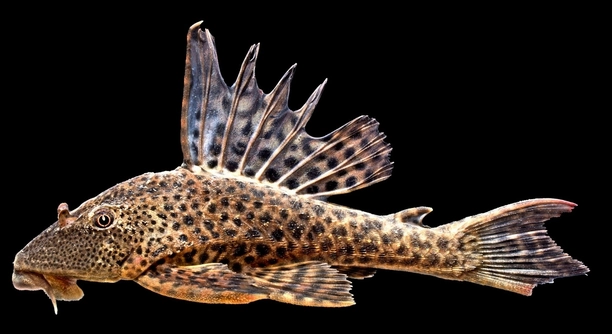
Plecos are unique fish with specific needs when it comes to water flow. Understanding what they prefer can help create a more comfortable environment for them. Let’s look into what plecos really enjoy in terms of flow.
Plecos generally prefer slow to moderate water flow in their tanks. Strong currents can stress them out, while gentle flows mimic the natural environment of slow-moving streams and rivers. This allows them to feel safe and secure in their habitat.
Adjusting your tank’s flow to meet your plecos’ preferences can lead to a healthier, happier fish.
How Flow Affects Plecos’ Health
Water flow plays a significant role in a pleco’s health. A strong current can overwhelm them, while too little flow can cause stagnation and poor water quality. When plecos are stressed by strong currents, they may avoid swimming, reducing their overall activity levels. This can lead to health issues like poor appetite or decreased immune function. A gentle, moderate flow mimics their natural habitat and gives them the opportunity to move comfortably, feed, and hide when needed. Additionally, a stable environment helps them feel secure and thrive, promoting natural behaviors.
Plecos prefer flowing water that is slow enough to avoid strong currents, which can stress them. Having areas of still water in your tank can help give them a sense of security, while still offering enough flow for oxygen exchange.
One way to maintain the right balance is by placing a filter that has adjustable flow rates or adding flow diversions in the tank. A sponge filter can also be a good option, as it provides gentle filtration while keeping the water flow mild. You can also strategically place decorations or plants to create calm zones where plecos can retreat from stronger currents. Remember, it’s about finding a balance, so test the flow levels regularly to ensure your pleco is comfortable. Keeping an eye on their behavior will help you gauge whether the flow is ideal for them.
Ideal Flow Rate for Plecos
Plecos thrive in a tank where the flow is not too harsh. Ideally, a flow rate of 3 to 5 times the tank’s volume per hour works well. This mimics the gentle stream currents they encounter in the wild.
Keeping a proper flow rate not only benefits plecos but also helps maintain tank cleanliness. High flow rates can cause debris to get swept away, but too much water movement can stress your pleco. To get the flow just right, consider factors like tank size, filter type, and the number of plecos in your tank. You can adjust the filter speed and placement to maintain the right current.
Water Flow and Pleco Behavior
Plecos are sensitive to their environment, and water flow directly affects their behavior. If the current is too strong, they may retreat to the corners or hide behind decorations. Conversely, low flow can make them less active and more prone to stress. It’s important to monitor these changes to ensure their comfort.
By adjusting the flow, you can observe how your pleco reacts. If they swim actively, it indicates they’re comfortable with the current. If they appear stressed, you may need to decrease the flow. Ensuring that the flow is gentle and consistent helps your pleco feel secure and thrive.
It’s also important to check that their hiding spots are still accessible with the adjusted flow. Plecos often seek refuge in caves or behind decorations when they feel threatened. Maintaining a steady flow rate in these areas allows them to stay comfortable and gives them the opportunity to swim freely without feeling pressured.
Tools to Adjust Flow
You can adjust the flow in your pleco tank using various tools, such as adjustable filters, powerheads, and baffles. Adjustable filters are ideal for controlling the flow rate, as they can be set to a lower or higher level depending on your tank’s needs. Powerheads also provide strong filtration and water movement but can be adjusted for gentler flow when necessary.
Baffles, or flow diffusers, are great for reducing water turbulence and creating calm areas in the tank. These can be added to existing filters or powerheads to redirect flow. Using baffles can create quieter zones where plecos can rest and hide without being disturbed by strong currents. For a more controlled environment, you might also consider a sponge filter, as it provides filtration without a high water flow.
Together, these tools can help fine-tune the tank’s flow, ensuring a comfortable environment for your pleco. It’s important to experiment with different combinations to find what works best for both your pleco and the overall tank setup.
Monitoring Water Flow in Your Tank
It’s crucial to regularly monitor the flow in your pleco’s tank. Changes in the flow can affect their health and comfort. Observing their behavior can help you gauge whether the current is ideal or too strong.
Check for signs like swimming difficulty or hiding more than usual. If your pleco is struggling, you may need to adjust the flow. Periodically test the water to ensure the filtration system isn’t creating too much turbulence. If you notice anything out of the ordinary, tweaking the flow can make a big difference in their well-being.
Impact of Water Flow on Tankmates
The flow you set for your pleco can also affect the other fish in the tank. Some fish may thrive in stronger currents, while others prefer calmer waters. Keeping an eye on how all your tankmates respond to the flow is important for overall harmony.
Tankmates like tetras and guppies often enjoy a little more water movement, while species like bettas or goldfish prefer slower, calmer currents. Adjusting the flow accordingly ensures that every fish has a comfortable space. A well-balanced flow is key to making sure your pleco and tankmates coexist happily.
Using a Timer to Control Flow
Using a timer for your filter or pump is another way to control water flow. This allows you to set specific times for the flow to change, which can benefit your pleco’s activity levels. During the night, you might want a calmer flow to give your pleco rest.
FAQ
How do I know if my pleco is stressed by the water flow?
Signs of stress in plecos include excessive hiding, lack of appetite, or unusual behavior like swimming erratically or staying in one place. If the current is too strong, they may try to avoid swimming altogether or rest more often. A stressed pleco may also spend time at the bottom of the tank, trying to escape the current. If you notice any of these behaviors, it’s a good idea to check the water flow and make adjustments as needed.
What is the best flow rate for plecos?
The ideal flow rate for plecos is moderate, with water moving at about 3 to 5 times the tank’s volume per hour. This mimics the gentle flow of streams or rivers they are used to in the wild. Too fast of a current can cause stress, while too slow may affect water quality and oxygenation.
Can plecos live in high-flow tanks?
Plecos generally do not thrive in tanks with strong water currents. High-flow tanks can stress them out, especially if they are not able to find calm zones to retreat to. While some plecos may adapt to stronger currents, it’s best to keep the water flow moderate to avoid putting unnecessary stress on them. Providing hiding spots and sheltered areas will help them feel secure.
Do plecos need strong water flow for oxygen?
Plecos don’t specifically need strong water flow for oxygen, but the flow does help in keeping the water oxygenated. However, it’s more about the balance. A filter that provides gentle movement is enough to oxygenate the water without creating too much current. Make sure to have proper filtration and consider a sponge filter for a gentler, quieter option.
How can I adjust water flow without affecting my pleco?
To adjust the water flow without stressing your pleco, use tools like adjustable filters or powerheads that allow you to control the flow rate. Adding baffles or flow diffusers can help create areas with gentle water movement, giving your pleco a chance to escape from stronger currents. Regularly monitor your pleco’s behavior after adjustments to ensure they are comfortable with the changes.
Can I use a filter with adjustable flow for plecos?
Yes, using a filter with an adjustable flow is an excellent choice for plecos. These filters allow you to control the water flow, making it easier to create an environment that suits your pleco’s preferences. You can set the flow to a gentle current that mimics the calm waters they are used to, which will help reduce stress and keep them active and healthy.
Do plecos like water movement for feeding?
Plecos do not require strong water movement for feeding, but they do benefit from the natural flow of food particles in the water. In the wild, plecos are scavengers that feed on organic matter swept by the current. A mild flow can help them feed naturally by keeping food items moving around the tank, but it should not be too strong to prevent them from reaching the food.
Is it okay to have a filter that creates a current for plecos?
It’s okay to have a filter that creates some current, as long as it’s not too strong. Plecos prefer slow-moving currents that allow them to move freely without feeling overwhelmed. You can direct the filter’s output towards the back of the tank or use baffles to diffuse the flow. This will provide enough oxygenation and filtration while still giving your pleco a comfortable space.
How often should I adjust the water flow for my pleco?
It’s a good idea to adjust the water flow periodically based on the pleco’s behavior and any changes in the tank environment. For instance, if you notice your pleco hiding more than usual, or if the water seems stagnant, it may be time to adjust the flow. You can experiment with the flow rate to find the sweet spot for your pleco.
Can plecos tolerate low-flow tanks?
While plecos can tolerate low-flow tanks, the water quality and oxygen levels may decline without proper filtration. If the flow is too low, debris may build up more quickly, leading to poor water conditions. To maintain a healthy environment, make sure you have proper filtration and oxygenation even in a low-flow setup.
Final Thoughts
When caring for plecos, understanding their preference for moderate water flow is essential. Too much current can cause stress, while too little can negatively impact water quality and oxygen levels. It’s all about finding a balance that suits your pleco’s natural behaviors. If you notice signs of discomfort or inactivity, adjusting the flow is one of the simplest and most effective ways to improve their environment.
Creating a comfortable space for your pleco also involves providing plenty of hiding spots and areas with gentle water movement. A filter with adjustable flow or a powerhead with a diffuser can help maintain the right balance. Remember to monitor their behavior and adjust the flow based on how they react. Plecos thrive in calm environments, and their comfort should always be a priority.
In the end, taking the time to understand and adjust water flow will help keep your pleco healthy and active. By providing a stable and comfortable environment, you’re supporting their well-being and ensuring they feel safe in their tank. Regular monitoring and adjustments are key, as they will help you create the best possible living conditions for your pleco.

Hello,
If you enjoy the content that we create, please consider saying a "Thank You!" by leaving a tip.
Every little bit helps us continue crafting quality advice that supports the health, happiness, and well-being of pets around the world, for pets of all shapes, sizes, and species.
We really appreciate the kindness and support that you show us!