
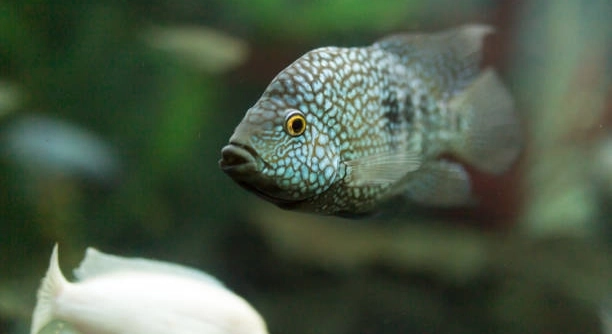
Are your Dempsey fish suddenly refusing their food, leaving you unsure of what might be wrong in their tank? Many fish owners face this issue and worry about the health and well-being of their aquatic pets.
A Dempsey fish stopping its eating often indicates stress, illness, or environmental issues. Monitoring water quality, temperature, and observing physical signs are critical steps to identify and resolve the underlying cause effectively.
Understanding why your fish stopped eating can help you prevent long-term health problems and maintain a thriving aquarium environment.
Common Reasons Dempsey Fish Stop Eating
Dempsey fish can stop eating for several reasons, and it is important to recognize them quickly. Poor water quality is a major factor, including high ammonia, nitrite, or nitrate levels. Temperature fluctuations or a tank that is too cold or too warm can also stress your fish, reducing appetite. Illnesses like parasites, bacterial infections, or fungal growth can make them lethargic and uninterested in food. Even changes in tank setup, such as new decorations or a different substrate, can temporarily stress a Dempsey. Overfeeding or feeding the wrong diet can cause digestive issues, leading to refusal of food. Observing your fish’s behavior and environment carefully can help you identify the specific reason. Stress from aggressive tank mates or overcrowding may also impact eating habits. By checking these factors regularly, you can maintain a healthier environment and support your Dempsey’s appetite and overall well-being.
Proper water testing and routine observation often prevent feeding issues before they escalate.
Keeping a clean tank with stable water parameters is essential. Regular testing, partial water changes, and monitoring temperature help maintain consistent conditions. Avoid overcrowding and feed appropriate foods, alternating between pellets, flakes, and occasional live or frozen treats. Observing behavior for lethargy, hiding, or unusual swimming patterns can indicate problems early. Adjusting the environment and diet promptly supports recovery and keeps Dempseys healthy.
Signs of Illness Affecting Appetite
Visible signs like clamped fins, spots, or swollen bellies often indicate illness affecting eating habits.
Illnesses are a common reason Dempseys stop eating and can range from minor infections to serious conditions. Parasites, bacterial infections, and fungal growth often present with physical symptoms such as white spots, frayed fins, or redness. Digestive issues from improper diet can also make a fish refuse food. Observing these signs early is crucial to prevent serious health problems. Quarantining sick fish, maintaining clean water, and providing the correct treatment are essential steps. Treatment options may include medicated foods, water treatments, or veterinary care. Stress also weakens the immune system, making fish more vulnerable to disease. Identifying the problem early allows you to respond quickly and avoid long-term damage. Keeping a consistent feeding schedule, maintaining proper water conditions, and isolating affected fish can help them recover faster. Paying attention to subtle behavioral changes, such as reduced activity or hiding, gives insight into underlying health issues and appetite changes.
Adjusting Diet and Feeding Habits
Changing the diet can help a Dempsey regain interest in food. Offer smaller portions and try varying food types, including high-quality pellets, frozen, or live options. Avoid overfeeding, which can worsen appetite issues.
A gradual diet change often encourages a Dempsey to start eating again. Start by mixing familiar pellets with new foods, like bloodworms or brine shrimp, in small amounts. Feeding at consistent times and removing uneaten food promptly helps prevent water quality problems that can further stress your fish. Observe how your fish reacts to each type of food, noting preferences and tolerance. Over time, a balanced, varied diet can restore normal appetite and improve overall health.
Feeding smaller meals more frequently can reduce stress and prevent bloating. Avoid sudden changes in food type or quantity. Pay attention to the fish’s behavior during feeding, noting if it actively searches or hesitates. Combining different food textures and types gradually encourages natural feeding instincts. Keeping the tank clean and monitoring water quality alongside diet adjustments supports recovery. Consistency and patience are key to helping a Dempsey resume regular feeding habits and maintain long-term health.
Environmental Factors Affecting Appetite
Tank conditions greatly influence a Dempsey’s willingness to eat. Temperature, pH, and water cleanliness all play a role in appetite regulation.
Maintaining stable water parameters is crucial for Dempsey health. Sudden temperature swings or improper pH levels can stress fish, leading to reduced feeding. Regular water testing, partial water changes, and proper filtration keep the environment healthy. Overcrowding or aggressive tank mates can also cause stress, making fish hide or refuse food. Providing hiding spots and ensuring enough space minimizes tension. Proper lighting and gentle water flow contribute to a comfortable habitat, encouraging regular eating habits. Consistent maintenance reduces stress-related appetite loss.
Observing behavior and tank conditions daily helps identify problems early. Remove uneaten food promptly, monitor water chemistry, and adjust temperature as needed. Creating a calm and stable environment allows a Dempsey to feed naturally and regain energy. Consistency in feeding routines and environmental care supports a healthier appetite and overall well-being.
Stress and Aggression
Stress from aggressive tank mates can make a Dempsey stop eating. Ensuring enough space and hiding spots reduces tension and promotes a calmer environment.
Overcrowding also contributes to stress, which directly affects appetite. Keeping fewer fish in the tank and monitoring interactions helps maintain a peaceful habitat, encouraging normal feeding behavior.
Monitoring Health Regularly
Regular observation is essential to catch early signs of illness. Watch for changes in behavior, appearance, and swimming patterns.
Keeping a close eye on your Dempsey’s health allows you to respond quickly to problems. Note any lethargy, fin damage, or unusual swimming. Quick intervention can prevent minor issues from becoming severe, improving recovery chances and appetite.
Water Quality Maintenance
Clean, stable water is critical. Test parameters regularly and perform partial water changes to support fish health and feeding habits.
FAQ
Why has my Dempsey fish stopped eating suddenly?
A sudden refusal to eat is often linked to stress, illness, or changes in the tank environment. Stress can result from aggressive tank mates, overcrowding, or sudden changes in water conditions. Illnesses, such as bacterial infections, parasites, or digestive issues, also make them lose interest in food. Observing behavior, water quality, and physical signs helps determine the cause and guides corrective measures.
Can water quality really affect my Dempsey’s appetite?
Yes, water quality has a direct impact on feeding behavior. High ammonia, nitrite, or nitrate levels can irritate a fish’s gills and digestive system. Improper pH, hard water, or sudden temperature changes can stress them, causing refusal of food. Regular water testing and partial water changes maintain stable conditions and support a healthy appetite.
How do I know if my Dempsey is sick?
Signs of illness include clamped fins, lethargy, unusual swimming, visible spots, redness, or a bloated belly. Digestive issues can also be a factor if they swallow food but seem uncomfortable afterward. Observing physical symptoms along with behavior provides clues. Early intervention with proper treatment prevents worsening and restores appetite.
Can diet changes help a Dempsey start eating again?
Adjusting diet often encourages fish to feed. Offer smaller portions and introduce variety slowly, including high-quality pellets, frozen foods, and occasional live treats. Feeding smaller amounts multiple times a day can prevent overfeeding and digestive issues. Monitor preferences and gradually establish a balanced, consistent diet to restore normal feeding habits.
Does tank setup impact feeding behavior?
Yes, tank layout plays a role. Overcrowding or aggressive neighbors can stress your Dempsey, reducing appetite. Providing hiding spots, sufficient swimming space, and a calm environment encourages natural feeding behavior. Avoid sudden changes in decorations or substrate, as these can temporarily stress fish. A stable, well-maintained habitat supports consistent eating habits.
How long can a Dempsey go without eating?
Healthy adult Dempseys can survive several days without food, but prolonged fasting can weaken immunity and cause health issues. Juveniles or sick fish are more vulnerable and may show rapid decline. Monitor the fish closely and adjust conditions or provide appropriate food to encourage feeding before health deteriorates.
Are there signs that indicate a permanent loss of appetite?
Persistent refusal to eat, combined with lethargy, weight loss, or visible illness over days or weeks, signals serious health problems. These signs require immediate attention, including water checks, diet adjustments, and potential medical treatment. Quick action improves recovery chances and prevents long-term complications.
What steps can I take immediately if my Dempsey stops eating?
Check water quality, observe behavior, and remove uneaten food to prevent deterioration. Consider quarantine if illness is suspected. Introduce small, varied food portions and ensure the tank environment is calm. Adjust temperature and pH gradually if needed. Consistent monitoring helps identify the problem quickly and encourages recovery.
Can stress from humans affect my fish’s appetite?
Yes, frequent tapping on the glass, sudden movements, or loud noises can stress fish. Stress reduces interest in food and can worsen health issues. Minimizing disturbances and creating a quiet, stable environment helps your Dempsey feel secure and return to normal feeding patterns.
How do I prevent my Dempsey from refusing food in the future?
Maintain clean, stable water, provide a consistent diet, and avoid overcrowding. Monitor for illness and remove aggressive fish if needed. Introduce new foods gradually and ensure a calm environment. Regular observation, proper feeding routines, and attention to tank conditions prevent appetite problems and keep your Dempsey healthy.
What foods are best to encourage a picky Dempsey to eat?
High-quality pellets designed for cichlids are a staple. Supplement with frozen or live foods like bloodworms, brine shrimp, or daphnia. Introduce new items slowly, mixing with familiar pellets. Variety, consistency, and gradual changes help stimulate appetite and meet nutritional needs without overwhelming your fish.
Can changes in light or temperature affect feeding?
Yes, sudden changes in light or temperature can stress Dempseys, making them hesitant to eat. Maintain stable lighting cycles and consistent temperatures suitable for their species. Avoid rapid shifts, as fish are sensitive to environmental changes that can disrupt normal feeding behavior.
How do I know if my efforts to restore appetite are working?
Look for increased activity, curiosity, and willingness to approach food. Gradual acceptance of new foods and consistent feeding patterns indicate improvement. Monitor weight, swimming behavior, and overall health. Patience and careful observation ensure that dietary and environmental adjustments are effective and sustainable.
Are there medications that can help a Dempsey start eating again?
Medications are typically reserved for diagnosed illnesses, such as bacterial or parasitic infections. Only use treatments appropriate for the specific condition and follow dosage instructions carefully. Overuse or incorrect medication can harm the fish. Consulting a veterinarian or experienced aquarist ensures safe and effective treatment.
How important is consistency in feeding and maintenance?
Consistency is critical. Regular feeding times, stable water conditions, and careful observation create a secure environment that encourages healthy appetite. Inconsistent schedules, irregular maintenance, or sudden environmental changes increase stress and can lead to repeated feeding problems. Stable routines support long-term fish health and well-being.
This FAQ addresses common concerns and practical steps to restore a Dempsey’s appetite. Consistent care, observation, and small adjustments in diet and environment can prevent long-term feeding issues while maintaining healthy, thriving fish.
Dempsey fish are resilient, but when they stop eating, it is always a signal that something in their environment or health needs attention. Monitoring water quality, temperature, and tank conditions is essential to keeping them healthy. Stress from overcrowding, aggressive tank mates, or sudden changes in decorations can make a Dempsey hesitant to eat, and recognizing these signs early is important. Regular observation of behavior and appearance allows you to respond quickly before minor issues become serious. Simple steps like providing hiding spots, maintaining proper tank size, and keeping water parameters stable can prevent many appetite problems.
Diet also plays a major role in a Dempsey’s willingness to feed. Offering a balanced mix of high-quality pellets, frozen foods, and occasional live treats helps keep their appetite strong. Gradual changes in diet and portion control are important to avoid digestive issues and overfeeding. Feeding smaller meals more frequently encourages natural feeding habits and reduces stress on the fish. Observing how your fish responds to different foods allows you to adjust the diet to their preferences and nutritional needs. Consistency in feeding times and maintaining a calm feeding environment are also key to restoring appetite and supporting long-term health.
Even with careful care, health issues can arise. Illnesses such as bacterial infections, parasites, or digestive problems can make a Dempsey stop eating. Identifying physical signs like clamped fins, unusual swimming, or swelling helps determine when medical treatment or environmental adjustments are necessary. Quick intervention, combined with consistent monitoring and proper tank maintenance, gives your fish the best chance of returning to normal feeding patterns. By paying attention to their behavior, maintaining clean and stable water, and offering a balanced diet, you can support your Dempsey’s overall health and prevent future feeding problems. Regular care and observation are the foundation for a thriving, healthy fish that enjoys a consistent appetite and a stable environment.

Hello,
If you enjoy the content that we create, please consider saying a "Thank You!" by leaving a tip.
Every little bit helps us continue crafting quality advice that supports the health, happiness, and well-being of pets around the world, for pets of all shapes, sizes, and species.
We really appreciate the kindness and support that you show us!