
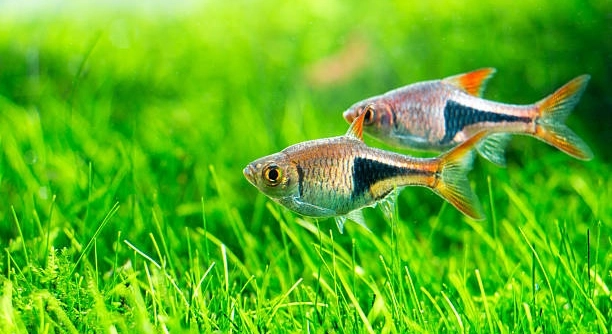
Many aquarium owners notice their rasboras suddenly staying vertical in the tank. This unusual posture can catch the attention of both new and experienced fishkeepers. Understanding why this happens helps ensure the health of these small, lively fish.
When rasboras stay vertical, it often indicates a swim bladder issue or stress affecting their buoyancy. This condition disrupts their normal swimming pattern and requires attention to water quality, diet, or potential illness.
Recognizing the causes behind this behavior can help you respond quickly and support your rasboras’ well-being in their aquatic environment.
Common Causes of Vertical Swimming in Rasboras
Rasboras swimming vertically usually point to problems with their swim bladder, the organ that controls buoyancy. When this organ malfunctions, fish lose control over their position in the water. Poor water quality is a frequent cause, as high ammonia or nitrite levels can affect fish health. Overfeeding is another factor; excess food can lead to digestive issues that impact the swim bladder. Sometimes, infections or parasites interfere with normal swimming. Stress caused by sudden changes in temperature or tank mates can also affect their behavior. Observing your tank conditions and feeding habits carefully can help identify the problem early. It’s important to keep water clean and stable and feed a balanced diet to prevent these issues. Regular tank maintenance and monitoring will greatly reduce the chance of your rasboras developing swim bladder problems.
Proper filtration and regular water changes are essential to maintain a healthy environment for your fish.
Vertical swimming might be alarming, but addressing water quality and diet often resolves the issue. Ensuring stable temperature and minimizing stress from aggressive tank mates also helps rasboras regain normal swimming behavior.
How to Treat and Prevent Vertical Swimming Behavior
If your rasboras are swimming vertically, start by testing your water for toxins like ammonia, nitrite, and nitrate. Maintaining clean water is the most effective way to help them recover. Adjust feeding routines by giving smaller portions and avoiding foods that cause bloating, such as flakes that expand quickly in water. Adding peas after cooking and peeling can relieve constipation, which sometimes leads to swim bladder issues. Quarantining sick fish is useful to prevent disease spread. If the problem continues, consulting a vet familiar with fish health might be necessary. Preventing vertical swimming involves consistent tank care, including stable water temperature and quality. Also, avoid overcrowding, as it raises stress levels. Setting up a proper diet with varied foods supports swim bladder health. With attention and care, rasboras can return to their normal active swimming patterns.
Recognizing Swim Bladder Issues Early
Vertical swimming is a clear sign of swim bladder problems in rasboras. Catching this behavior early can prevent serious health decline. Regular observation is key to spotting changes in swimming patterns before the condition worsens.
Swim bladder problems often show additional symptoms such as difficulty maintaining balance, floating upside down, or sinking to the bottom. Fish might also seem less active or stop eating properly. If you notice these signs alongside vertical swimming, it’s important to act quickly. Testing the water quality and reviewing feeding habits are good first steps. Sometimes, adjusting the diet or improving tank conditions can resolve mild cases. If symptoms persist, medical treatment may be necessary. Early recognition allows you to address issues before they become fatal.
Preventing swim bladder problems starts with consistent tank maintenance. Keeping water clean and providing a balanced diet reduces risk. Avoid sudden changes in temperature or environment, as these stressors contribute to swim bladder malfunction.
Environmental Factors That Affect Rasbora Behavior
Water temperature fluctuations, poor water quality, and overcrowding directly impact rasbora health and behavior. Stable conditions are essential for their well-being. Sudden changes can trigger stress responses, including vertical swimming.
Ensuring proper filtration and regular water changes keeps the environment safe from harmful toxins. Overcrowding increases competition and stress, which weakens the immune system. When tank mates are aggressive or too large, rasboras may become stressed or injured, leading to abnormal swimming. Keeping a peaceful community with compatible species helps maintain balance. Proper tank size and hiding places allow rasboras to feel secure and reduce anxiety. Monitoring and controlling environmental factors is one of the best ways to keep rasboras healthy and prevent behavioral problems.
Feeding Tips to Support Healthy Swimming
Feeding your rasboras the right diet helps maintain their swim bladder health. Avoid overfeeding and choose high-quality, easily digestible foods to prevent digestive issues that can cause vertical swimming.
Incorporate a variety of foods like frozen or live brine shrimp and daphnia to provide balanced nutrition. Peas, when prepared properly, can help relieve constipation that affects buoyancy.
Signs of Stress in Rasboras
Stress often causes rasboras to swim vertically or behave unusually. Look for rapid gill movement, hiding, or loss of appetite as signs they are uncomfortable in their environment.
When to Consult a Veterinarian
If vertical swimming persists despite good care, it might be time to seek professional advice. A vet can diagnose infections or internal issues requiring medication.
Early treatment improves recovery chances and prevents complications that can worsen your fish’s condition.
Maintaining a Stable Environment
Keeping water temperature and parameters consistent helps rasboras stay healthy and avoid stress-related behaviors like vertical swimming.
FAQ
Why are my rasboras swimming vertically all of a sudden?
Vertical swimming usually means your rasboras have swim bladder problems. This could be caused by poor water quality, overfeeding, constipation, or stress. Changes in temperature or aggressive tank mates may also cause this behavior. Checking water conditions and adjusting feeding habits often helps.
Can vertical swimming be a sign of disease?
Yes, it can. Some infections, parasites, or bacterial issues affect the swim bladder and cause abnormal swimming. If your rasboras also show signs like clamped fins, redness, or loss of appetite, they might be sick. In such cases, quarantine and treatment might be necessary.
How can I improve my tank’s water quality?
Regular water changes, proper filtration, and testing for ammonia, nitrites, and nitrates are essential. Keeping the tank clean and avoiding overfeeding helps maintain stable water quality. Use a reliable water test kit to monitor parameters frequently.
What foods are best to prevent swim bladder problems?
Feed a balanced diet with variety—high-quality flakes, frozen or live foods like brine shrimp and daphnia work well. Avoid foods that expand in the stomach quickly. Offering cooked, peeled peas once in a while can help prevent constipation.
How often should I feed my rasboras?
Feeding small portions two to three times a day is best. Overfeeding can cause digestive problems that affect buoyancy. Remove uneaten food after a few minutes to keep water clean and reduce waste buildup.
Is tank size important for rasbora health?
Yes, a proper tank size helps reduce stress. Overcrowding leads to aggression and poor water quality. Aim for at least 10 gallons for a small group of rasboras. Provide hiding spots and plants to make them feel secure.
Can temperature changes cause vertical swimming?
Sudden or frequent temperature shifts can stress rasboras and affect their swim bladder function. Keep the tank temperature stable, typically between 72°F and 78°F, depending on the species.
How long does it take for rasboras to recover from swim bladder issues?
Recovery depends on the cause and treatment. Mild cases may improve in a few days with better care, while serious infections may take weeks and need medication. Early intervention improves chances of full recovery.
Should I isolate a rasbora showing vertical swimming behavior?
Isolating sick fish can prevent the spread of disease and reduce stress. Use a quarantine tank if possible. Provide similar water conditions to the main tank and monitor closely during treatment.
Are there any home remedies for swim bladder problems?
Feeding peas and fasting for a day or two often helps with constipation-related swim bladder issues. However, it’s important to address water quality and tank conditions as well. If symptoms persist, professional advice is recommended.
Can stress alone cause vertical swimming in healthy rasboras?
Yes. Stress from poor environment, aggressive tank mates, or sudden changes can cause temporary buoyancy problems. Reducing stress factors usually brings back normal swimming.
How can I tell if my rasboras are stressed?
Signs include hiding, rapid breathing, loss of appetite, and unusual swimming patterns like vertical swimming. Maintaining good tank conditions and a peaceful community helps reduce stress.
Is swim bladder disorder common in rasboras?
It’s fairly common, especially in new or poorly maintained tanks. Proper care, clean water, and good feeding habits lower the risk significantly.
Can adding plants help rasboras feel better?
Yes, live plants provide hiding spots and improve water quality by absorbing nitrates. They create a more natural and calming environment, which helps reduce stress.
What should I avoid to prevent swim bladder problems?
Avoid overfeeding, overcrowding, sudden temperature changes, and poor water quality. Also, avoid feeding only dry flakes without variety, as this can lead to digestive issues.
Is it normal for rasboras to sometimes swim vertically?
Occasionally, fish may change positions briefly, but persistent vertical swimming is not normal. It usually indicates an underlying problem that needs attention.
Final Thoughts
Vertical swimming in rasboras is often a sign that something in their environment or health is off. It usually points to issues with the swim bladder, which controls how the fish moves in the water. When rasboras swim vertically, it can be a clear indication of stress, illness, or poor tank conditions. Paying close attention to your fish’s behavior is important because early detection of problems can prevent more serious health issues later. Keeping the tank clean, maintaining stable water conditions, and feeding a balanced diet are key steps to help your rasboras stay healthy and swim normally.
Taking care of rasboras means being consistent with tank maintenance and observing them regularly. Water quality is one of the biggest factors affecting their well-being. Even small changes in ammonia, nitrite, or nitrate levels can cause discomfort or illness. Overfeeding and poor diet can also lead to digestive problems that impact their swim bladder. Stress caused by aggressive tank mates or sudden environmental changes makes it harder for your fish to stay healthy. By providing a calm, stable environment with clean water and a varied diet, you reduce the chance of vertical swimming behavior. It’s important to keep in mind that these small fish rely on their caretakers to create a safe space where they can thrive.
If vertical swimming continues despite your best efforts, it may be time to seek help from a veterinarian who specializes in fish. Sometimes swim bladder problems are caused by infections or other internal issues that require treatment. Quarantining affected fish can help stop diseases from spreading to the rest of your tank. Always try simple steps first, like improving water quality and adjusting feeding, but don’t hesitate to get professional advice when needed. Overall, understanding why rasboras swim vertically helps you respond quickly and keep your aquarium healthy. With patience and care, your rasboras can enjoy a more natural and comfortable life in your tank.

Hello,
If you enjoy the content that we create, please consider saying a "Thank You!" by leaving a tip.
Every little bit helps us continue crafting quality advice that supports the health, happiness, and well-being of pets around the world, for pets of all shapes, sizes, and species.
We really appreciate the kindness and support that you show us!