
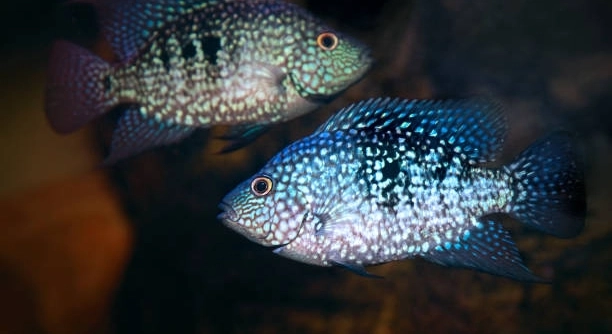
Have you ever watched your Jack Dempsey fish and noticed it staying still for long periods? Observing this behavior can be surprising, especially when you expect your fish to be constantly swimming around in its tank.
When Jack Dempsey fish remain motionless, it is often a response to environmental stress, illness, or changes in water conditions. These fish may pause to conserve energy, recover from stress, or cope with poor water quality and discomfort.
Learning why your Jack Dempsey stays still will help you provide a healthier tank environment and ensure your fish remain active and comfortable.
Continue the blog post following the outline and format. Write in a simplistic style. Do not use a greeting. Make it feel slightly personal. Format the headers as h2 headers in Markdown formatting. Do not repeat yourself.; Outline and Format:; Header: xxxxxxxxxxxxxxxxxxx; 150 words paragraph; 50 word paragraph; 100 word paragraph; Header: xxxxxxxxxxxxxxxxxxx; 50 words paragraph; 200 words paragraph; Note: Do not use the words: “culprit”, “journey”, “scrumptious”, “enthusiast”, “friend”, “world of”. ; Note: Get straight to the point. Respect the given word count for every paragraph.
Tank Environment Adjustments
Jack Dempsey fish need stable water conditions and enough space to move freely. Overcrowding and poor filtration can make them stay still.
Maintaining proper temperature, pH, and cleanliness is essential for Jack Dempsey fish. They thrive in slightly acidic to neutral water and prefer temperatures around 75–82°F. Adding hiding spots like rocks or plants reduces stress, allowing them to feel secure while exploring. Frequent water testing ensures harmful substances like ammonia or nitrite remain low. A clean, well-oxygenated tank encourages activity and supports overall health, preventing prolonged periods of stillness.
Lighting and tank layout also influence their movement. Dim lighting or excessive bright light can make them hide or freeze. Arranging decorations to create both open swimming areas and sheltered spaces helps the fish feel comfortable. Consistent feeding schedules and avoiding sudden changes in water conditions further promote normal behavior, keeping Jack Dempsey fish active and confident in their environment.
Diet and Feeding Habits
Jack Dempsey fish require a balanced diet to stay healthy and active. A poor diet can lead to lethargy or hiding behavior.
High-quality pellets, live foods like brine shrimp, and occasional frozen foods provide essential nutrients. Feeding small portions twice daily prevents overfeeding and reduces water contamination. Uneaten food should be removed promptly to maintain water quality. Vitamins and minerals in the diet support coloration, growth, and immunity, helping fish stay active. Providing variety in food encourages natural hunting behavior, reducing boredom and inactivity. Consistent nutrition directly affects energy levels, making diet a key factor in preventing stillness.
Feeding routines also influence behavior patterns. Fish that are fed irregularly may become stressed or less active. Observing how your Jack Dempsey responds to different foods allows you to adjust diet according to preferences and health needs. Ensuring balanced nutrition and monitoring portion sizes keeps the fish energetic and less likely to remain motionless for long periods.
Signs of Normal Resting Behavior
Jack Dempsey fish sometimes stay still as part of normal rest. Pausing occasionally does not always indicate a problem.
They often rest near the bottom or behind decorations, especially during quiet periods or after feeding. Short periods of inactivity can be healthy and natural.
When to Seek Professional Advice
If your fish shows prolonged stillness, clamped fins, faded color, or refuses food, it may require expert care. Observing these signs early can prevent worsening conditions. Maintaining water quality and checking for illness are the first steps, but professional advice ensures proper treatment.
Social and Territorial Behavior
Jack Dempsey fish can stay still due to social dynamics. They often freeze when establishing territory or interacting with other fish to avoid conflict.
FAQ
Why does my Jack Dempsey fish stay still for hours?
Jack Dempsey fish often pause for long periods to conserve energy or rest. If the tank conditions are stable and water quality is good, this behavior can be normal. Stress, illness, or sudden changes in temperature can also cause longer periods of stillness. Observing their location and posture helps determine if it’s rest or a problem.
Can water temperature affect their activity?
Yes, water temperature greatly influences Jack Dempsey behavior. They prefer 75–82°F, and temperatures outside this range can make them sluggish. Cooler water slows metabolism, while overly warm water increases stress. Maintaining a consistent temperature supports normal movement and overall health.
How does tank size influence stillness?
Overcrowding can lead to stress and stillness. Jack Dempsey fish need enough space to swim freely and establish territory. A tank that is too small or poorly arranged limits movement, causing them to hide or remain motionless. Proper spacing and hiding spots reduce stress.
Does diet impact their activity levels?
Nutrition plays a key role in energy and activity. A diet lacking in protein or vitamins can make Jack Dempsey lethargic. Offering high-quality pellets, live or frozen foods, and occasional variety encourages natural foraging behavior. Overfeeding should be avoided, as uneaten food can reduce water quality and stress the fish.
Is it normal for them to stay near the bottom?
Yes, resting near the bottom or behind decorations is typical behavior. They often choose sheltered areas to feel safe, especially after feeding or during quieter parts of the day. Occasional stillness in these areas is usually not a cause for concern.
When should I worry about stillness?
You should be concerned if stillness is prolonged, accompanied by clamped fins, faded color, or loss of appetite. These signs often indicate stress, poor water conditions, or illness. Early detection allows for corrective measures, including water testing, isolation, or professional treatment.
Can tank mates cause stress?
Aggressive or overly active tank mates may intimidate Jack Dempsey fish. They may freeze or hide to avoid confrontation. Observing interactions and providing sufficient territory helps reduce stress. Separating aggressive fish or adjusting tank layout can encourage normal activity.
Do lighting and decorations affect behavior?
Yes, lighting that is too bright or sudden changes can make fish freeze. Properly dimmed lighting and strategically placed decorations create safe spaces for rest and exploration. A balance between open swimming areas and sheltered spots encourages movement and reduces unnecessary stillness.
How can I tell if stillness is illness-related?
Illness-related stillness is often accompanied by other symptoms: labored breathing, visible spots or lesions, rubbing against surfaces, or refusal to eat. Monitoring behavior closely and comparing it to normal resting patterns helps distinguish between healthy pauses and health issues.
What is the best way to encourage activity?
Maintaining stable water conditions, a balanced diet, and a comfortable tank layout encourages movement. Providing hiding spots, open swimming areas, and consistent routines reduces stress. Gentle observation and minor adjustments in tank setup can help Jack Dempsey fish feel secure and active again.
Can water changes influence activity levels?
Yes, regular water changes improve oxygen levels, remove toxins, and maintain stable conditions. These changes can increase energy levels and reduce stress, helping fish become more active. Sudden, large changes should be avoided, as they may temporarily cause stillness.
How long can Jack Dempsey fish stay still without issues?
Short periods, usually a few hours, are normal if other health signs are fine. Extended inactivity over multiple days with additional symptoms may indicate a problem. Monitoring daily behavior and tank conditions ensures early detection and intervention.
Are younger fish more active than older ones?
Generally, younger Jack Dempsey fish are more energetic, exploring their tank frequently. Older fish tend to rest more and may spend longer periods still. Providing appropriate food, tank space, and clean water supports healthy activity at any age.
Can stress from transportation affect behavior?
Yes, recent relocation or introduction to a new tank can make Jack Dempsey freeze. Stress from transport can last hours or days. Offering calm surroundings, stable water parameters, and minimal disturbance helps them adjust and return to normal activity levels.
Does seasonal change affect them?
Seasonal temperature or lighting fluctuations can impact activity. Sudden drops in temperature may slow metabolism, while longer daylight can encourage more movement. Keeping water conditions consistent mitigates these seasonal effects.
How do I know if they are resting or sick?
Resting fish maintain coloration, respond to food, and occasionally move. Sick fish show prolonged stillness, faded colors, lack of appetite, and unusual posture. Tracking their daily behavior and noting changes helps distinguish between normal rest and health concerns.
Can adding live plants affect activity?
Live plants create natural hiding spots and reduce stress. They provide shaded areas and encourage exploration. Fish often move more confidently in planted tanks, balancing resting spots with open swimming areas. Healthy plants also improve water quality, supporting overall vitality.
Do Jack Dempsey fish have daily activity patterns?
Yes, they tend to be more active during daylight and rest during low-light periods. Recognizing these patterns helps interpret stillness correctly, distinguishing natural rest from signs of stress or illness.
Is isolation ever necessary?
Separating a stressed or ill fish can prevent injury and reduce stress from tank mates. Isolation allows closer monitoring, easier feeding, and treatment if needed. After recovery, careful reintroduction maintains normal social behavior without prolonged stillness.
Can water hardness influence their behavior?
Yes, Jack Dempsey fish prefer moderately soft to slightly hard water. Extreme hardness or softness can stress them, causing inactivity. Testing water regularly and adjusting hardness within recommended levels supports health and encourages normal swimming behavior.
How often should I check water parameters?
Regular checks of temperature, pH, ammonia, nitrite, and nitrate are crucial. Weekly testing is common, with more frequent checks if issues arise. Stable parameters prevent stress-induced stillness and support a healthy, active fish.
Are all periods of stillness cause for concern?
No, occasional stillness is normal. It can indicate resting, comfort, or minor adjustments to environmental changes. Observation of overall behavior, appetite, and coloration helps distinguish normal pauses from signs of stress or illness.
Can enrichment help reduce stillness?
Yes, adding objects like rocks, driftwood, or plants encourages exploration and natural behavior. Rotating decorations or offering different hiding spots stimulates activity. Enrichment keeps Jack Dempsey fish engaged, reducing unnecessary motionless periods and improving overall well-being.
Does feeding live prey increase activity?
Live prey stimulates hunting instincts and encourages movement. Offering occasional live foods like brine shrimp or small worms provides exercise, mental stimulation, and promotes natural behavior. Combined with a balanced diet, this helps reduce inactivity.
How long after water changes do they become active?
Fish often become more active within hours after a water change, as improved oxygen levels and cleaner water reduce stress. Sudden or large changes may temporarily cause stillness, so gradual adjustments are ideal.
What role does tank cover play?
A covered tank reduces sudden light changes and prevents disturbances. This creates a sense of security, encouraging movement while still allowing safe resting areas. Proper cover supports natural behavior and reduces stress-related stillness.
Can stress from aggressive tank mates last days?
Yes, ongoing aggression can keep Jack Dempsey fish hiding or still for extended periods. Ensuring proper spacing, hiding spots, and monitoring interactions can reduce stress. Separating overly aggressive fish may be necessary to restore normal behavior.
How does water flow affect their movement?
Strong currents may tire or stress Jack Dempsey fish, causing them to pause. Moderate, gentle flow is ideal, allowing swimming without unnecessary exertion. Adjusting filter output or positioning decorations to break currents can promote balanced activity.
Do they respond to external stimuli?
Yes, Jack Dempsey fish respond to feeding, movement, and shadows. Observing reactions helps gauge health and distinguish between resting and stress-induced stillness. Stimulating the environment occasionally can encourage movement and maintain alertness.
Is behavior different in community tanks?
Yes, interactions with other species can influence activity. Aggression or competition for territory may cause freezing. Observing social dynamics and providing adequate space helps maintain normal behavior and reduces extended stillness.
Can water pH swings cause inactivity?
Yes, sudden pH changes stress fish and can result in stillness or hiding. Maintaining a stable pH within 6.5–7.5 supports normal activity and prevents stress-related lethargy. Gradual adjustments are safer than abrupt changes.
Does age affect resting patterns?
Older fish tend to rest more and may stay still longer. Younger fish are typically more active, exploring the tank. Proper care, diet, and environment support healthy activity levels at all ages.
Are there behavioral signs that predict illness?
Yes, unusual hiding, loss of appetite, color fading, rapid breathing, or rubbing against objects often precede visible illness. Early detection allows intervention before serious health issues develop.
Can frequent handling increase stillness?
Yes, excessive handling or disturbances can stress Jack Dempsey fish, causing them to freeze. Minimal handling and calm interactions reduce stress and encourage normal activity.
Do they respond to music or vibrations?
Moderate vibrations or sounds can cause temporary stillness as they assess surroundings. Loud or constant vibrations increase stress. Keeping the environment stable encourages natural movement.
How important is water clarity?
Clear water reduces stress and supports normal behavior. Murky or dirty water can obscure visibility and encourage hiding or stillness. Regular cleaning and filtration are essential.
Is tank temperature uniformity critical?
Yes, uneven temperatures create cold or warm spots, causing fish to pause in certain areas. Using reliable heaters and monitoring multiple points ensures stable conditions for activity.
Can changing tank mates reduce inactivity?
Yes, replacing overly aggressive or incompatible fish allows Jack Dempsey to feel secure and swim freely. Careful introduction of new mates maintains social balance and encourages natural behavior.
How long does it take for stressed fish to recover?
Recovery varies, often from a few hours to several days, depending on stress severity. Stable water, consistent feeding, and minimal disturbances accelerate return to normal activity.
Does tank decoration rotation help?
Yes, changing layout occasionally encourages exploration and reduces boredom. Rotating hiding spots and swimming paths keeps fish active and engaged.
Can stress affect coloration?
Yes, stressed or sick fish may show faded colors. Bright coloration often returns when fish feel secure and active again, indicating improved well-being.
How do I know if inactivity is permanent?
Permanent inactivity is rare. Most cases relate to stress, illness, or age. Continuous observation, attention to tank conditions, and proper care prevent long-term motionlessness.
Are Jack Dempsey fish naturally solitary at times?
Yes, they may prefer solitude occasionally. Temporary stillness can indicate resting or assessing surroundings without interaction. Respecting their preference for space encourages comfort and healthy behavior.
Can tank temperature fluctuations at night affect them?
Yes, drops in nighttime temperature may slow metabolism, leading to stillness. Maintaining stable day and night temperatures reduces stress and encourages consistent activity.
Do they need visual stimulation?
Moderate stimulation from plants, decorations, and tank mates encourages exploration. Lack of stimulation may lead to boredom and increased resting periods. Balanced environmental enrichment promotes healthy movement.
Is stillness a sign of sleep?
Partially, yes. Jack Dempsey fish rest during low-light periods. Normal sleep is short, with occasional brief movement, unlike prolonged inactivity caused by stress or illness.
Can overfeeding lead to stillness?
Yes, overfeeding can reduce energy levels and pollute the water, causing stress. Small, controlled portions maintain health and encourage active swimming.
Do seasonal changes in sunlight affect them?
Yes, indirect effects like temperature and light duration can influence activity. Maintaining consistent tank conditions reduces seasonal impact on movement.
Does tank noise influence activity?
Excessive vibrations or loud sounds can make fish freeze. A calm environment supports natural activity patterns and reduces unnecessary stillness.
Can water hardness swings cause inactivity?
Yes, large changes in hardness stress fish. Gradual adjustments help maintain energy levels and normal behavior.
How often should I observe my fish?
Daily observation is ideal to detect early signs of stress, illness, or environmental issues. Consistent monitoring ensures timely interventions and active behavior.
Can inadequate oxygen levels cause stillness?
Yes, low dissolved oxygen reduces energy and movement. Aeration, filtration, and plants help maintain adequate oxygen for healthy activity.
Do tank mates compete for food?
Competition may stress Jack Dempsey, causing hiding or stillness. Ensuring sufficient food and feeding space reduces tension and encourages normal swimming.
How important is tank cleaning frequency?
Regular cleaning removes toxins and maintains water quality. Clean tanks reduce stress and promote active, healthy fish.
Can stress hormones affect activity?
Yes, prolonged stress releases hormones that reduce energy and movement. Stable conditions and minimal disturbances help normalize behavior.
Does behavior differ in a planted versus bare tank?
Planted tanks encourage exploration and provide safe resting areas. Bare tanks may cause stress, hiding, or inactivity.
Is stillness a sign of aging?
Partly. Older fish naturally slow down and rest more. Proper care maintains comfort and prevents unnecessary stress-related inactivity.
How do I tell resting from lethargy?
Resting fish respond to stimuli, maintain color, and show occasional movement. Lethargic fish remain unresponsive, show color fading, or refuse food, indicating stress or illness.
Can tank vibrations from equipment cause stillness?
Yes, strong filter or pump vibrations may make fish pause. Adjusting equipment placement and output reduces stress.
Do Jack Dempsey fish prefer certain tank zones?
Yes, they often favor sheltered areas or mid-level zones for comfort. Providing a balance of open and covered areas promotes normal movement.
How do I maintain consistent water quality?
Regular testing, water changes, and proper filtration prevent stress. Stable parameters support healthy activity and reduce prolonged stillness.
Does frequent feeding increase activity?
Moderate, consistent feeding encourages movement. Overfeeding or irregular feeding can cause inactivity. Balanced routines maintain energy and natural behavior.
Can stress from lights affect behavior?
Bright or fluctuating lighting may make them hide or freeze. Consistent, moderate lighting supports natural activity and comfort.
Do Jack Dempsey fish recognize tank mates?
Yes, social recognition affects behavior. Aggression or familiarity influences activity levels, freezing, or hiding patterns.
Are short periods of stillness always harmless?
Generally, yes. Short pauses are often normal resting or assessment behavior. Continuous monitoring ensures early detection of issues.
How can I encourage exploration?
Adding plants, hiding spots, and occasional enrichment promotes activity. Balanced tank layout keeps fish engaged while providing safety.
Does tank shape affect movement?
Yes, elongated tanks encourage swimming. Small or cramped tanks can limit movement, leading to stillness or stress.
Can noise outside the tank affect them?
Sudden loud sounds or vibrations may trigger freezing. Minimizing disturbances helps maintain natural movement patterns.
Do they adjust to new environments quickly?
Adjustment varies. Some fish take hours, others days. Stable water and calm surroundings accelerate adaptation and normal activity.
Can disease cause permanent stillness?
Severe illness can lead to prolonged inactivity, but permanent stillness is rare with proper care. Early detection prevents lasting effects.
Does social hierarchy influence stillness?
Yes, dominant and subordinate interactions can make less dominant fish freeze. Adequate space and hiding spots reduce conflict.
Can feeding live prey stimulate natural behavior?
Yes, hunting live food encourages swimming, exploration, and energy use, reducing unnecessary stillness.
How do I know if a fish is stressed or sick?
Stress usually comes with rapid breathing, hiding, or brief inactivity. Illness involves longer stillness, color changes, and loss of appetite. Observing daily behavior helps distinguish the two.
Is prolonged stillness reversible?
Most cases are reversible with proper care, diet, and environment. Correcting water parameters, reducing stress, and providing enrichment restores activity.
Can water chemistry imbalances cause lethargy?
Yes, high ammonia, nitrite, or nitrate can weaken fish and cause inactivity. Regular testing and maintenance prevent prolonged stillness.
Does tank crowding affect resting patterns?
Overcrowding increases hiding and stillness due to stress. Adequate space and proper stocking maintain normal activity.
Do Jack Dempsey fish respond to human presence?
Yes, they may watch or freeze depending on comfort. Calm observation encourages confidence, while sudden movements may trigger stillness.
Can temperature swings overnight affect sleep?
Yes, unstable nighttime temperatures may cause prolonged resting or freezing. Consistent conditions maintain natural patterns.
Are some fish naturally more active than others?
Yes, individual personality and age influence activity. Providing proper care supports healthy movement regardless of natural tendencies.
Does tank depth influence behavior?
Deeper tanks offer vertical space, allowing natural swimming and territory establishment. Shallow tanks may restrict movement, increasing stillness.
Can inadequate filtration cause inactivity?
Poor filtration reduces oxygen and increases toxins, causing lethargy. Proper filtration supports health and encourages activity.
How does social stress affect swimming patterns?
Stress from tank mates may make fish freeze, hide, or avoid interaction. Proper spacing, enrichment, and monitoring reduce prolonged stillness.
Can sunlight exposure impact activity?
Indirectly, yes. Sunlight affects temperature and light cycles, influencing metabolism and natural movement patterns.
Does feeding frequency affect energy levels?
Consistent, balanced feeding maintains energy. Irregular or excessive feeding can reduce activity and cause stress.
How do I identify early signs of illness?
Look for changes in color, appetite, posture, breathing, and activity. Early observation allows timely intervention to prevent prolonged stillness.
Are still periods longer in older fish?
Yes, aging fish rest more and move less. Maintaining comfort and stable conditions supports natural behavior.
Does tank noise from pumps or filters affect them?
Strong vibrations may make fish pause. Proper placement and flow adjustment reduce stress and promote movement.
Can stress cause permanent behavioral changes?
Long-term stress may make fish more cautious or less active. Correcting conditions and providing enrichment helps restore normal activity.
Do Jack Dempsey fish sleep like other animals?
They have resting periods, often in dim light, but it is not deep sleep. Normal rest includes occasional movement and alertness.
How do I prevent prolonged stillness?
Stable water parameters, proper diet, tank layout, enrichment, and stress reduction are key. Regular monitoring ensures active, healthy fish behavior.
Can illness make them hide constantly?
Yes, hiding and inactivity often accompany illness. Observing symptoms
Jack Dempsey fish are fascinating creatures with unique personalities, and observing their behavior can tell you a lot about their health and environment. It is normal for them to stay still sometimes, especially when they are resting or feeling secure in their tank. Pausing occasionally does not always indicate a problem, and many fish naturally take short breaks throughout the day. Understanding the difference between normal resting behavior and signs of stress or illness is important for keeping them healthy. Watching where they choose to stay, such as near decorations, hiding spots, or at the bottom of the tank, helps you recognize patterns that are part of their normal behavior. Ensuring that your fish has enough space, proper water conditions, and a balanced diet supports their well-being and encourages natural activity. By paying attention to these details, you can provide a comfortable environment where your Jack Dempsey feels safe and confident.
Water quality is one of the most important factors in preventing prolonged stillness. Maintaining stable temperature, pH, and low levels of ammonia, nitrite, and nitrate allows your fish to swim freely and reduces stress. Even small changes in water conditions can cause them to pause or hide more frequently. Regular water testing, partial water changes, and proper filtration are essential steps to maintain a healthy tank. Providing hiding spots with rocks, plants, or decorations helps the fish feel secure while giving them open areas to swim. Observing their reactions to light, temperature changes, and tank mates also gives clues about their comfort level. Stress from aggressive tank mates, overcrowding, or sudden changes can lead to extended periods of stillness, so careful monitoring and adjustments are necessary. By keeping the tank environment stable and predictable, you reduce the likelihood of stress-related inactivity and support natural behavior.
Feeding routines and diet also play a key role in activity levels. Jack Dempsey fish require a balanced diet with high-quality pellets, live foods, or occasional frozen foods to provide energy and essential nutrients. Overfeeding or feeding irregularly can reduce activity and impact water quality, which can further stress your fish. Offering variety encourages natural foraging behavior and prevents boredom, which can also contribute to prolonged stillness. Observing their behavior during and after feeding helps determine if they are healthy and active or showing signs of lethargy. Additionally, enrichment in the tank, such as varying decorations or providing new hiding spots, encourages exploration and engagement. By combining proper diet, consistent feeding schedules, and a comfortable tank layout, you create an environment where Jack Dempsey fish can thrive. Paying attention to these factors ensures they remain healthy, active, and exhibit their natural behavior, making the care of these fish a rewarding experience.

Hello,
If you enjoy the content that we create, please consider saying a "Thank You!" by leaving a tip.
Every little bit helps us continue crafting quality advice that supports the health, happiness, and well-being of pets around the world, for pets of all shapes, sizes, and species.
We really appreciate the kindness and support that you show us!