
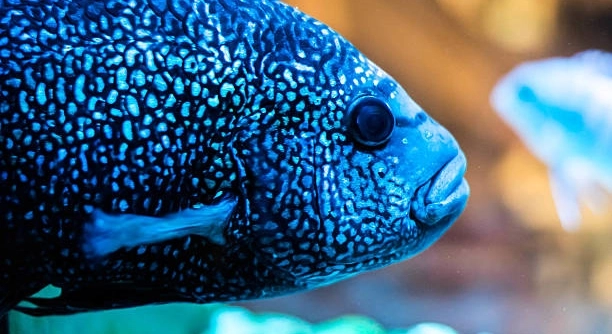
Watching a Jack Dempsey fish can feel intense, especially when its eyes seem fixed on you through the glass, creating a moment that feels personal, deliberate, and strangely meaningful for many aquarium owners worldwide today.
Jack Dempsey fish stare as a response to territorial awareness, environmental curiosity, and learned recognition of human presence. This behavior reflects alertness rather than aggression, often occurring when the fish associates people with feeding routines or habitat changes nearby consistently.
These subtle interactions reveal important insights about behavior, care, and environment, helping owners build calmer, healthier aquarium relationships over time.
Territorial Awareness and Observation
Jack Dempsey fish are naturally alert and observant, especially within their established space. When one stares, it is often monitoring movement outside the tank while checking for changes inside its territory. I noticed this behavior increased once my aquarium settled into a routine. These fish learn patterns quickly and remember visual cues. Staring allows them to assess potential threats, feeding opportunities, and environmental shifts. Glass reflections, shadows, and hand movements can trigger focused attention. This behavior becomes more noticeable in smaller tanks where boundaries feel closer. Rather than reacting emotionally, the fish remains still and watches carefully. The stare is controlled, calm, and deliberate. It signals awareness rather than agitation. Understanding this helps reduce unnecessary concern. The fish is not being aggressive or distressed. It is simply staying alert in a space it considers important and worth protecting. This response develops with maturity and consistent exposure to daily surroundings inside.
This behavior often strengthens as the fish grows older and more confident. I found that regular maintenance, stable lighting, and predictable feeding reduced intensity. A comfortable environment encourages observation without stress, allowing the fish to remain composed while still engaged with nearby activity. Over time, pattern becomes consistent and reassuring.
Staring is also linked to recognition. Jack Dempsey fish can distinguish regular human presence and associate it with food or interaction. I noticed eye contact increased near feeding times. The fish positions itself near the glass, watching movements closely. This is a learned response, not emotional attachment. Consistency reinforces it. When schedules change, staring often decreases. This shows how behavior adapts to routine rather than impulse. Recognizing this pattern helps owners respond calmly. There is no need to tap glass or retreat. Maintaining steady habits supports balanced behavior. Clear observation replaces assumption, improving care decisions and overall aquarium stability longterm.
Environmental Triggers and Human Interaction
External movement plays a strong role in this behavior. Walking past the tank, adjusting decor, or approaching during quiet periods draws attention. I noticed staring increased during low activity hours. The fish reacts to contrast and motion, not intention, remaining observant rather than reactive. Lighting changes can amplify response significantly.
Tank setup influences how often staring occurs. Sparse layouts expose more movement, while planted tanks soften visual stimulation. I adjusted my aquarium by adding rocks and visual breaks, which reduced constant focus. Proper tank size also matters. Limited space intensifies monitoring behavior. Balanced lighting prevents glare and reflections that can hold attention. Backgrounds on the tank wall help minimize distractions. Feeding from consistent locations reduces anticipatory staring. Over time, the fish learns when interaction is necessary. Sudden changes reset this process. Rearranging decor or altering schedules increases observation temporarily. This is not negative. It shows adaptability. Responding with stability is effective. Avoid sudden hand movements near the glass. Move slowly and maintain patterns. This approach builds predictability. The fish remains alert without becoming overstimulated. Understanding these environmental influences makes daily care smoother and less reactive for both the fish and the owner. Consistency supports trust through repetition. I keep maintenance days predictable to avoid prolonged watching. Small adjustments spaced over time prevent sensory overload. Observation decreases naturally as routines stabilize. The environment becomes familiar, reducing the need for constant assessment. Calm surroundings encourage balanced behavior without forcing interaction or attention. This approach benefits long-term health, visibility, and aquarium harmony daily.
Stress Versus Curiosity
Staring can sometimes signal mild stress, but it often reflects curiosity shaped by surroundings. I learned this difference by watching body posture. Calm fins, steady breathing, and slow movement usually point toward interest rather than discomfort or agitation within stable tanks with predictable routines over time and consistent care practices.
When stress is present, the stare appears sharper and more frequent. I noticed darker coloration, rigid posture, and reduced appetite during these moments. Causes often include sudden noise, tank rearrangement, or inconsistent lighting. These fish respond quickly to disruption. Providing hiding spots helps restore balance. Stable water parameters are essential. Testing regularly prevents silent issues. Avoid tapping glass or hovering repeatedly. Give the fish space to settle. Stress related staring fades once conditions stabilize. Observation should focus on overall behavior rather than eye contact alone, since posture and movement provide clearer signals of comfort or tension over extended periods daily.
Curiosity driven staring looks softer and more controlled. The fish approaches the glass calmly and tracks movement without sudden bursts. I often see this before feeding or during routine maintenance. It reflects learning and anticipation. Repetition reinforces this behavior. The fish associates people with predictable outcomes. This does not require interaction. Remaining still is enough. Over time, curiosity becomes brief rather than constant. That shift signals comfort. A relaxed environment allows attention without tension. Recognizing this difference prevents overreaction and supports more confident care decisions long term while improving observation skills and reducing unnecessary worry overall for aquarium owners today.
When Staring Becomes a Concern
Although staring is usually normal, certain patterns deserve attention. Prolonged fixation combined with flared fins, rapid breathing, or loss of color may indicate discomfort. I treat this as a signal to review recent changes. Water quality, temperature shifts, and overcrowding often play roles. Addressing these promptly helps prevent escalation and restores calmer behavior without panic. Ignoring these signs can allow minor problems to grow over time unnecessarily and affect long term health stability overall daily.
Consistent staring paired with aggression should not be ignored. Charging the glass, biting decor, or refusing food suggests deeper imbalance. I respond by simplifying the environment first. Reducing noise and visual traffic helps immediately. Next, I test water parameters and confirm heater accuracy. Even small fluctuations matter. Tank mates should be evaluated for compatibility and space. Jack Dempsey fish need clear boundaries. Rearranging territories can reduce tension if done gradually. Feeding schedules should remain steady. Avoid frequent changes during correction. Improvement often appears within days. Monitoring progress quietly is more effective than constant interference. Patience allows the fish to reset behavior and regain stability naturally without forcing interaction or adding unnecessary stress during recovery periods within the established aquarium routine consistently over time daily again.
The Role of Routine and Consistency
Routine plays a major role in how often staring occurs. I noticed fewer intense moments once feeding, lighting, and maintenance followed a steady pattern. Predictability lowers constant monitoring. The fish learns when activity happens and no longer feels the need to watch every movement outside the tank during daily routines.
Sudden changes disrupt this balance quickly. I see increased staring after schedule shifts or missed feedings. Even small delays matter. Keeping actions consistent builds security. When routines stay predictable, attention becomes brief and calm. Stability reduces overstimulation and supports relaxed behavior without constant observation or unnecessary tension over time overall.
How Tank Setup Influences Staring
Tank layout directly affects visual focus and staring frequency. Open spaces expose movement and reflections, which hold attention longer. I adjusted mine by adding rocks, plants, and background coverage. These elements break sightlines and soften motion. Proper tank size also matters. Crowded environments increase alert behavior. Balanced lighting reduces glare that keeps fish watching constantly. Dark backgrounds help limit reflection. Consistent decor placement prevents repeated reassessment. When the environment feels complete, staring decreases naturally. The fish remains aware but no longer fixated. This balance supports comfort, confidence, and healthier daily behavior without forced interaction or stressful visual overload conditions inside.
Responding Calmly as an Owner
Owner response matters more than eye contact itself. I stay still and avoid tapping the glass. Calm movement reduces fixation. Overreacting can reinforce staring. When I maintain slow, predictable actions, attention fades naturally. This approach supports trust through consistency rather than interaction or stimulation during daily care and routine handling.
FAQ
Why does my Jack Dempsey fish stare at me so often?
Jack Dempsey fish stare primarily due to curiosity and territorial awareness. I noticed my fish focusing on me more during feeding times or when moving near the tank. It’s their way of observing potential changes in their environment. This behavior is usually calm and deliberate, not aggressive, and shows alertness rather than distress. Over time, the fish learns patterns, like my routine of daily maintenance or feeding, and staring becomes a way to anticipate activity. Small movements outside the tank catch their attention. Reflections, shadows, and lighting changes also draw their focus. Staring is natural, often brief, and decreases when the fish feels secure in its surroundings. Understanding this helps avoid overreacting or assuming stress unnecessarily, keeping interactions smoother and more predictable.
Is staring a sign of stress or illness?
Staring alone rarely signals illness. I pay attention to accompanying signs like flared fins, rapid gill movement, or changes in color. These can indicate stress, poor water quality, or illness. When I noticed prolonged staring paired with dull coloration and reduced appetite, I checked water parameters immediately. Temperature fluctuations, high ammonia, and overcrowding often contribute. Correcting these quickly usually restores normal behavior within days. Stress-driven staring tends to be sharper and more frequent, whereas curiosity-driven observation is calmer and controlled. Providing hiding spaces, maintaining steady feeding schedules, and keeping the tank environment stable reduces these episodes. It’s important to separate staring as curiosity from staring caused by environmental problems. Monitoring posture, swimming patterns, and eating habits is a more reliable indicator of wellbeing than eye contact alone.
Does staring mean my fish recognizes me?
Yes, Jack Dempsey fish can recognize familiar humans. I observed that my fish positions itself near the glass during feeding, following my movements calmly. This recognition is learned, not emotional attachment. Consistent feeding schedules and daily maintenance create predictability, so the fish associates my presence with food or routine activity. Eye contact is part of this learned behavior, reflecting attention rather than affection. Recognition doesn’t require interaction. The fish doesn’t demand attention but simply tracks predictable patterns. Over time, the behavior becomes more structured and brief, showing comfort with its environment and the people around it.
Should I respond when my fish stares at me?
Not always. I learned that overreacting, tapping the glass, or moving suddenly only reinforces attention. Remaining calm and still is most effective. When the fish is staring out of curiosity, it will naturally lose focus once it observes that no action is needed. Responding only when necessary, such as feeding or checking water quality, helps maintain predictable behavior. Over time, this approach reduces unnecessary fixation and supports calmer, healthier observation patterns in the aquarium.
Can environmental changes affect staring behavior?
Yes, tank setup, lighting, and layout influence staring. I added plants, rocks, and background elements to break sightlines. This reduced prolonged staring by limiting reflections and constant exposure to movement. Open or poorly arranged tanks tend to increase attention because the fish monitors more of its surroundings. Crowded tanks or sudden changes amplify staring temporarily. Even rearranging decor can trigger brief periods of alert observation. Gradual adjustments, balanced lighting, and stable layouts support calmer, more predictable behavior. Recognizing that the environment shapes attention helps prevent unnecessary stress and keeps the fish more relaxed in its space.
How can I reduce excessive staring?
Consistency is key. I follow predictable feeding, cleaning, and lighting routines. Adding visual barriers and hiding spots reduces constant monitoring. Avoid sudden movements near the glass. Maintaining water quality and proper tank size also helps. Over time, these measures allow the fish to feel secure, and staring naturally decreases.
Is staring related to aggression?
Not necessarily. I noticed my fish staring without showing aggression signals like flaring fins, lunging, or biting decor. Aggression is separate and typically directed at tank mates rather than humans. Staring is often observational. Recognizing this distinction prevents unnecessary concern and allows calmer interactions with the fish.
Does age or size affect staring?
Yes, maturity plays a role. Juveniles tend to stare more sporadically as they learn patterns, while adults develop structured observation habits. I observed that older Jack Dempsey fish stare more predictably, often linked to feeding or maintenance routines. This reflects experience rather than excitement or stress. Stable, familiar conditions reduce intensity.
How long does staring usually last?
Staring episodes vary. Short periods of 30 seconds to a few minutes are normal for curiosity. I noticed longer periods often coincide with environmental changes or anticipation of feeding. Over time, as the fish becomes familiar with patterns, staring decreases naturally without intervention.
Are there any benefits to watching this behavior?
Yes. Observing staring helps me monitor wellbeing, detect stress signs, and understand habits. It informs adjustments to lighting, feeding, or tank setup. Tracking these behaviors provides insight into comfort levels, learning, and environmental preferences. Attention to these details improves long-term aquarium health and behavior patterns.
What should I do if staring increases suddenly?
Check for changes in water quality, temperature, tank mates, and decor. I review recent maintenance or disruptions that could trigger alertness. Correcting issues, adding hiding spaces, and maintaining calm routines usually restores normal observation. Avoid overreacting or tapping the glass. Patience allows the fish to adjust naturally without added stress.
Can staring become obsessive?
Typically not. I’ve only seen prolonged staring when the environment was stressful or over-stimulating. Proper setup, stable routines, and minimal disturbances prevent obsessive patterns. Once conditions stabilize, the fish returns to calm, controlled observation. Recognizing triggers early helps maintain balanced behavior.
Does feeding influence staring?
Yes, feeding is the most common trigger. My fish often stares during preparation and delivery. Consistent timing helps regulate anticipation. Irregular schedules increase alert behavior. Predictable feeding reduces prolonged staring while supporting healthy habits.
Can multiple fish stare at once?
Yes, in community setups, several fish may monitor movement simultaneously. I noticed synchronized attention before feeding. Each fish interprets presence differently, but coordinated staring reflects awareness rather than conflict. Maintaining sufficient space and visual breaks reduces overlap and stress.
Is staring permanent or temporary?
Staring is temporary and context-dependent. I observed patterns linked to curiosity, routine, and environmental changes. Over time, the frequency adjusts as the fish becomes comfortable with its surroundings. Stable conditions ensure that staring remains brief and purposeful rather than constant or stressful.
Does tank size affect staring?
Yes, smaller tanks intensify monitoring because boundaries feel closer. I noticed more frequent staring in compact setups. Larger tanks allow more movement without constant fixation. Proper space supports calmer, healthier observation and reduces prolonged attention to outside activity.
Are there any signs that staring is a warning?
Yes, staring combined with aggressive body language signals caution. Flaring fins, lunging, or chasing indicates territorial defense. I respond by checking tank mates, layout, and hiding spaces. Separating stressed or aggressive fish helps prevent conflicts and ensures safer interaction.
Can lighting change staring behavior?
Yes, bright lights or reflections increase attention. I adjusted lighting gradually and added backgrounds to minimize glare. Balanced illumination reduces prolonged staring and supports calmer observation habits without changing natural routines.
Does water quality influence staring?
Absolutely. Poor water conditions cause stress, leading to sharper, more frequent staring. I test parameters regularly, including ammonia, nitrite, nitrate, and temperature. Correcting fluctuations restores calm behavior. Clean water ensures observation reflects curiosity rather than discomfort or imbalance.
Can tank mates affect staring behavior?
Yes, nearby fish influence attention. I observed increased staring when other fish were active near the glass. Aggressive or territorial tank mates can heighten alert behavior. Providing adequate space, hiding spots, and compatible species reduces excessive observation and tension.
Should I be concerned if staring increases suddenly at night?
Sudden nighttime staring may result from lighting reflections or environmental changes. I ensure aquarium lights follow a predictable schedule. Reducing external light and minimizing shadows helps the fish relax. Nighttime observation alone rarely signals stress unless combined with other warning behaviors like rapid gill movement or fin flaring.
Is staring linked to feeding aggression?
Partly. Staring often precedes feeding but doesn’t always indicate aggression. I observed that my fish watches calmly until food is presented. Feeding consistently from one location and maintaining space prevents competitive aggression and reduces intense staring at other times.
Can staring help monitor health indirectly?
Yes, watching staring provides clues. Changes in posture, frequency, or intensity may signal stress, illness, or environmental issues. I use this information to adjust tank conditions, feeding, and routines, supporting long-term health without direct interference or unnecessary handling.
Does staring reduce with age?
Yes, as the fish matures, staring becomes predictable and brief. Juveniles are more reactive, while adults track patterns efficiently. I noticed calmer observation with experience. This reflects learning rather than emotional attachment or reduced curiosity.
Are some Jack Dempsey fish more prone to staring?
Yes, individual temperament varies. I found some fish naturally more alert or curious. While behavior differences exist, consistent routines, environment, and care reduce extremes and allow calmer, more balanced observation regardless of personality.
Can stress from handling increase staring?
Yes, repeated or sudden handling heightens alertness. I avoid unnecessary interaction and move slowly when maintenance is required. Calm, predictable handling prevents prolonged staring related to fear rather than curiosity.
Does feeding type affect staring?
Occasionally. I noticed my fish stared longer when expecting live or high-value foods. Routine feeding with consistent presentation reduces anticipatory staring. Predictable methods minimize excitement while supporting healthy observation habits.
Is staring purely instinctive?
Not entirely. While territorial instinct plays a role, learned recognition, routine, and environmental familiarity shape staring. I observed that my fish adjusted focus based on patterns, showing behavior adapts to experience rather than relying on reflex alone.
How long should I monitor staring behavior?
Ongoing observation is helpful. I track staring alongside posture, color, and activity levels. Brief notes during feeding or maintenance provide insight into comfort, routine adaptation, and environmental effects without overanalyzing or stressing the fish.
Can staring indicate hunger outside feeding times?
Yes, anticipation may cause brief attention. I notice my fish watching during usual feeding periods even without immediate food. Predictable schedules minimize prolonged fixation while allowing the fish to track routine events calmly.
Should I change anything if staring seems excessive?
First, review environmental factors like layout, lighting, and tank mates. I make gradual adjustments, add hiding spaces, and maintain consistent schedules. Avoid sudden changes. Over time, staring decreases naturally without forcing interaction, ensuring the fish remains relaxed and secure in its habitat.
Does temperature affect staring behavior?
Yes, sudden changes can increase alertness. I maintain stable water temperature to prevent prolonged monitoring due to discomfort. Proper heating and cooling reduce stress-driven staring and support normal curiosity.
Is staring a problem in planted tanks?
Not usually. I noticed planted areas actually reduce fixation by breaking sightlines. Fish still observe movement but with less intensity. Dense planting provides comfort, hiding spots, and visual breaks that prevent overstimulation and support balanced behavior.
Does tank size relative to fish size matter?
Yes, space influences observation. I noticed larger tanks reduce staring as boundaries feel farther. Adequate swimming room prevents constant monitoring, while smaller tanks increase vigilance. Proper sizing supports calm, healthy behavior over time without creating unnecessary stress.
Can sudden noises trigger staring?
Yes, abrupt sounds increase alert behavior. I minimize household noise near the tank. Fish often return to calm observation once disturbances stop. Consistent quiet periods reduce repeated staring and help maintain predictable routines.
Do Jack Dempsey fish ever stare at reflections of themselves?
Yes, reflections can trigger prolonged attention. I added backgrounds and removed reflective surfaces to minimize this. Fish may mistake reflections for other individuals or movement, causing unnecessary focus. Reducing reflections decreases staring naturally.
How do I distinguish curiosity from warning behavior?
Curiosity shows calm posture, smooth movement, and steady breathing. Warning behavior includes flared fins, lunging, and rapid gill movement. I monitor body language alongside staring to determine context accurately and respond appropriately without overreacting.
Does staring provide insight into personality?
Yes, attentive or cautious fish may stare more frequently. I observed individual differences in alertness and observation habits. Understanding these tendencies allows me to adapt care, environment, and handling to suit personality while maintaining calm, healthy behavior overall.
Can staring affect other fish?
Indirectly. I noticed alert staring may make nearby fish more cautious or reactive. Providing space, hiding areas, and visual breaks ensures the focal fish doesn’t stress others, maintaining harmony within the tank without constant intervention.
Does the type of tank matter for staring?
Yes, open, sparse tanks increase attention due to visibility of movement. I balanced my setup with plants, rocks, and background to reduce fixation. Dense, structured layouts support calmer, shorter observation periods, allowing fish to feel secure while still aware.
How often should I check water parameters if staring increases?
I test weekly or immediately after noticing sudden behavioral changes. Staring combined with unusual posture or color shifts signals potential issues. Prompt checks prevent prolonged stress, restore balance, and maintain a healthy environment consistently.
Can staring indicate readiness for breeding?
Sometimes. I noticed heightened attention and glass-following during courtship periods. Changes in behavior often accompany subtle color shifts. Observing these patterns helps identify reproductive readiness without forcing interaction.
Does feeding frequency influence staring?
Yes, irregular feeding increases alert behavior. I maintain consistent schedules. Predictable routines minimize prolonged attention and anticipation, allowing the fish to observe calmly and reducing fixation on movement outside the tank.
Can tank lighting schedule reduce staring?
Yes, stable lighting helps regulate observation patterns. Sudden shifts or extended light periods increase attention. I keep lights on a consistent timer to maintain calm, predictable behavior and reduce unnecessary fixation during the day.
Does the presence of humans affect staring?
Yes, repeated human activity draws attention. I observed that calm, predictable movement reduces prolonged staring. Sudden gestures or hovering increase focus. Maintaining steady, quiet habits ensures the fish observes without stress or constant alertness.
Are some staring patterns seasonal?
Occasionally. Changes in temperature, daylight, or routine can influence attention levels. I adjust care slightly during seasonal shifts to maintain stability. Fish respond to gradual changes without becoming overly focused or stressed.
Can tank decorations influence staring?
Yes, open or reflective decor can increase attention. I noticed fish staring longer at bright objects or moving shadows. Adding plants, rocks, and consistent layout reduces fixation while maintaining visual interest for curiosity and comfort.
Is staring more common during certain times of day?
Yes, feeding periods or quiet hours often trigger attention. I noticed my fish watches more before meals or when household activity is low. Predictable routines reduce prolonged staring while still allowing observation during key times.
Does water flow affect staring behavior?
Yes, strong currents can increase alertness. I noticed calmer behavior in moderate flow areas. Gentle, stable flow supports normal observation without overstimulation or prolonged attention, promoting a relaxed environment overall.
Can staring be used to gauge environmental comfort?
Yes, attentive but calm staring indicates security. I use it alongside posture, color, and swimming patterns to assess comfort levels. Sudden increases often point to stressors, prompting review of tank conditions, lighting, or routine changes.
Does age influence intensity of staring?
Yes, younger fish are more reactive, staring in bursts as they learn patterns. Adults track routines efficiently, showing calm observation. I noticed predictable staring habits increase with maturity, reflecting learning and experience rather than stress or aggression.
Can frequent staring damage the fish?
No, staring itself is harmless. I ensure that water quality, space, and environment are adequate. Physical damage only occurs from aggression, overcrowding, or improper handling, not the act of watching.
How do I differentiate staring from hunting behavior?
Hunting involves rapid movement, chasing, or lunging at objects or tank mates. I observed that calm, steady staring with minimal movement is observation, not predatory behavior. Monitoring posture clarifies intent without confusion or overreaction.
Can staring indicate feeding preference?
Sometimes. I noticed my fish staring longer when expecting live or preferred foods. Routine and consistent presentation reduce prolonged attention while supporting healthy feeding habits and anticipation patterns naturally.
Is staring common in all cichlids?
Yes, many cichlids display similar observation behaviors. I observed that territorial and intelligent species like Jack Dempsey, Oscars, and Green Terrors track movement closely, reflecting natural awareness and environmental monitoring rather than stress in well-maintained tanks.
Can staring predict future behavior?
Partially. Observing patterns provides insight into anticipation, curiosity, and comfort. I noticed regular attention before feeding or maintenance. Understanding these trends allows better care and adjustments without creating stress or disrupting routines.
Does proximity to the glass affect staring?
Yes, fish often move closer to track movement. I noticed that in larger tanks, they approach only during feeding or activity. Close positioning is normal and not aggressive, reflecting interest and monitoring rather than discomfort.
Are reflections more stimulating than humans?
Sometimes. I noticed my fish staring at its reflection longer than at my presence initially. Over time, human patterns become more predictable, reducing fixation. Backgrounds and careful placement minimize reflection-driven attention naturally.
Can staring behavior change suddenly?
Yes, environmental shifts, water issues, or tank rearrangements can trigger sudden attention. I respond by checking conditions and returning routines to consistency. Once stabilized, staring returns to predictable, calm observation patterns.
Does feeding method influence staring intensity?
Yes, feeding from unusual locations or with varied methods increases anticipation. I maintain a consistent approach. Predictable delivery reduces prolonged attention and allows the fish to observe calmly without overstimulation.
Is staring linked to aggression toward other fish?
Indirectly. Territorial fish may stare at tank mates before lunging. I separate incompatible fish or provide visual barriers. Staring without other aggressive signs is observation, not conflict. Recognizing cues prevents unnecessary interventions.
Can I train the fish to reduce staring?
Not intentionally. I focus on consistency, environment, and calm handling. Over time, staring decreases naturally as patterns stabilize. Training is unnecessary; predictable care provides the desired effect without forcing behavior.
Does tank location in the room matter?
Yes, high-traffic areas increase observation. I placed the aquarium where movement is predictable but minimal. Reduced distractions prevent prolonged attention while still allowing normal curiosity and monitoring behavior for environmental awareness.
Can staring indicate readiness for interaction?
Sometimes, mostly around feeding or maintenance. I noticed attention peaks during routine activities. Remaining calm and predictable ensures the fish engages appropriately without stress or forced interaction.
Does staring vary by individual personality?
Yes, some Jack Dempsey fish are naturally more alert. I observed differences in frequency, duration, and intensity. Tailoring tank setup, space, and routines to personality supports calm, predictable behavior and reduces overstimulation for more reactive individuals.
Are there seasonal patterns to staring?
Occasionally. Changes in daylight or temperature subtly influence attention.
Final Thoughts
Jack Dempsey fish staring is a natural and common behavior that reflects curiosity, territorial awareness, and learned recognition. Observing my fish over time, I noticed that the stare is usually calm, deliberate, and purposeful. It is rarely a sign of aggression toward humans. These fish monitor movement outside their tank, changes in lighting, or new objects introduced into their environment. Their eyes follow activity, but this attention is often brief and controlled. Understanding that staring is a form of environmental monitoring helps reduce unnecessary worry. It is important to remember that staring alone does not indicate distress or health issues. Paying attention to posture, color, fin position, and breathing provides clearer insight into the fish’s overall wellbeing. Calm, steady behavior paired with observation signals curiosity rather than anxiety. By recognizing these subtle differences, owners can respond appropriately and support a stable, healthy aquarium environment.
Consistency and routine play a significant role in how often staring occurs. I found that maintaining predictable feeding schedules, cleaning routines, and lighting cycles reduces prolonged attention and overstimulation. When schedules are irregular, staring becomes more frequent as the fish anticipates changes. Environmental factors, including tank size, layout, decorations, and lighting, also influence observation behavior. Open spaces and reflections can hold attention longer, while plants, rocks, and background coverage help break sightlines and reduce unnecessary fixation. Proper tank size and hiding spots allow the fish to feel secure and monitor its surroundings without constant alertness. Adjusting these factors gradually, rather than making sudden changes, encourages calm behavior and prevents stress-driven staring. Understanding the relationship between routine, environment, and attention helps owners create a space where Jack Dempsey fish can feel safe, confident, and relaxed over time.
Finally, it is important to recognize that staring offers valuable insight into the fish’s behavior and comfort level. Observing patterns can indicate curiosity, anticipation, or potential stressors without requiring direct intervention. I learned that calm, predictable actions during maintenance and feeding help maintain balanced attention. Sudden movements, tapping, or excessive interaction can reinforce staring unnecessarily. Over time, consistent care, proper environment, and attention to body language allow the fish to adjust naturally and reduce prolonged observation. Recognizing these behaviors enhances understanding of the fish’s personality and habits while supporting long-term health and wellbeing. By approaching staring as a normal part of Jack Dempsey behavior rather than a problem, owners can maintain a calm, stable, and enriching environment that allows the fish to thrive and express natural patterns of observation safely and confidently.

Hello,
If you enjoy the content that we create, please consider saying a "Thank You!" by leaving a tip.
Every little bit helps us continue crafting quality advice that supports the health, happiness, and well-being of pets around the world, for pets of all shapes, sizes, and species.
We really appreciate the kindness and support that you show us!