
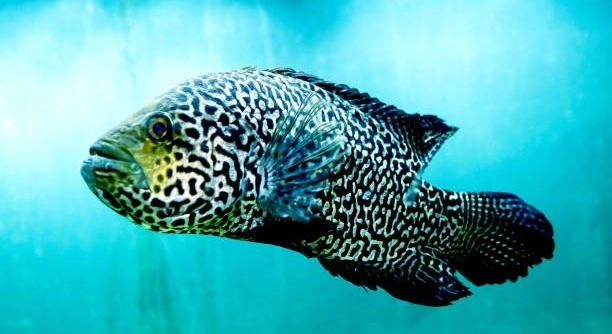
Jack Dempsey fish are known for their bold colors and lively behavior, making them popular in home aquariums. Observing their interactions can reveal a lot about their moods and social dynamics in the tank.
When Jack Dempsey fish lock lips, it is typically a territorial or dominance behavior. This interaction is a natural way for them to establish hierarchy, defend space, or assert control, and it rarely indicates aggression beyond normal social interaction.
Understanding this behavior helps you manage tank dynamics and maintain a peaceful environment for your fish, ensuring their health and comfort over time.
Why Jack Dempsey Fish Lock Lips
Jack Dempsey fish often lock lips as a form of communication. This behavior is mostly seen between males when they are establishing territory. It can also happen during breeding periods, when they compete for dominance or mates. While it may look aggressive, it usually does not cause serious harm. Observing the fish carefully can help determine whether it is playful or territorial. Tank conditions can influence this behavior, as crowded or small tanks may increase lip-locking frequency. Providing enough space and hiding spots can reduce stress and keep interactions less intense. Diet and overall health also play a role in their behavior. A well-fed, healthy Jack Dempsey is less likely to engage in prolonged fights. Watching these interactions can be fascinating, as it shows the natural instincts and social structure of the fish. Proper management ensures a balanced environment for all tank inhabitants.
This behavior is mostly natural and not a sign of extreme aggression. Monitoring the tank helps maintain harmony.
Regular observation and understanding of their social patterns can help you maintain peace in your aquarium. Adjusting tank setup and monitoring feeding routines can prevent unnecessary conflicts.
How to Reduce Aggressive Lip-Locking
Providing enough space in the tank reduces competition and tension among Jack Dempsey fish. Hiding spots and plants help them feel secure.
To minimize lip-locking, maintain proper tank size and structure. Rearranging decorations can break established territories and reduce repeated confrontations. Consistent feeding schedules prevent competition over food, which often triggers fights. Avoid overcrowding by limiting the number of fish in the tank relative to its size. Introducing new fish gradually helps them integrate without triggering excessive aggression. Observing the fish for signs of prolonged stress or injury allows timely intervention. If two fish repeatedly lock lips, separating them temporarily can prevent escalation. Monitoring water quality is also important, as poor conditions increase stress and aggressive tendencies. By managing space, resources, and tank conditions, interactions remain natural without risking harm. These adjustments help maintain a balanced and healthy aquarium environment, ensuring Jack Dempsey fish coexist peacefully.
Signs That Lip-Locking Is Becoming a Problem
Prolonged lip-locking, visible injuries, or extreme stress signals that the behavior is becoming harmful. Monitoring these signs is essential to prevent lasting damage and ensure tank harmony.
If lip-locking lasts longer than a few minutes or results in torn fins or scales, it indicates that the fish are struggling to establish dominance. Repeated aggressive interactions can cause stress, weaken the immune system, and increase susceptibility to disease. Observing their patterns helps identify which individuals are consistently targeted. Temporary separation or rearranging the tank layout can break territorial disputes. It is important to address these issues early to prevent escalation, ensuring the fish remain healthy and the aquarium stays peaceful.
In some cases, environmental stressors like poor water quality, limited hiding spots, or overcrowding exacerbate conflicts. Adjusting tank conditions, increasing enrichment, and monitoring feeding routines can reduce aggression and maintain a balanced social structure.
Managing Multiple Jack Dempsey Fish
When keeping several Jack Dempsey fish, spacing and hiding places are critical to reducing confrontations. Proper management ensures a calmer tank environment.
Arranging the tank with rocks, plants, and caves creates multiple territories and reduces competition. Observing interactions allows identification of dominant and submissive fish. Ensuring a balanced number of males and females helps prevent excessive fighting. Regular water changes and consistent feeding maintain health, preventing stress-induced aggression. Gradual introductions of new fish prevent sudden territorial disputes. Temporary partitions can help if conflicts escalate. Careful monitoring of social dynamics ensures all fish have safe areas, maintaining balance. Providing enrichment through plants and decorations keeps fish engaged and less focused on fighting.
Adjusting the environment and monitoring fish behavior allows for early intervention before aggression becomes severe. With proper planning, multiple Jack Dempsey fish can coexist peacefully while displaying natural behaviors without harm.
Natural Behavior vs. Aggression
Not all lip-locking is harmful; it can simply be a way for Jack Dempsey fish to interact and establish social order. Observing the context helps distinguish normal behavior from dangerous aggression.
Fish that occasionally lock lips without causing injury are displaying natural social interactions. This is common among males and does not usually require intervention.
Environmental Factors That Influence Lip-Locking
Tank size, hiding spots, and water quality all affect how often Jack Dempsey fish lock lips. Crowded or poorly structured tanks increase the likelihood of aggressive interactions. Providing adequate space, plants, and decorations allows fish to create personal territories, reducing repeated confrontations. Proper filtration and consistent water maintenance lower stress levels, making the fish less likely to engage in prolonged lip-locking. Observing how fish interact with their surroundings helps determine whether environmental changes are needed. By adjusting tank conditions thoughtfully, it is possible to support natural behavior while preventing aggression, keeping the aquarium balanced and healthy.
Temporary Separation Strategies
Separating aggressive fish temporarily can prevent injury and reduce stress, giving each fish a chance to calm down.
FAQ
Why do Jack Dempsey fish lock lips?
Jack Dempsey fish lock lips primarily as a way to establish dominance and communicate with other fish. This is most common among males and can occur during feeding times, territorial disputes, or breeding periods. While it may appear aggressive, it is usually a natural social behavior that helps maintain hierarchy. In most cases, lip-locking does not result in serious injury if the tank is properly managed. Observing the frequency and intensity of these interactions can help determine whether intervention is needed.
Is lip-locking harmful to my fish?
Occasional lip-locking is normal and generally harmless. Problems arise if the behavior becomes prolonged, aggressive, or results in visible injuries like torn fins or damaged scales. Consistently aggressive interactions can cause stress, weaken the immune system, and make fish more prone to illness. Monitoring fish carefully helps identify which individuals are repeatedly involved in conflicts. If necessary, temporary separation, tank rearrangements, or adding hiding spots can prevent harm while allowing natural social behaviors to continue safely.
How can I tell if lip-locking is normal or aggressive?
Normal lip-locking tends to be brief, without resulting in injury or excessive stress. Aggressive lip-locking is prolonged, repetitive, and may include chasing, biting, or visible damage. Observing body language and tank interactions over time provides insight. Submissive fish may retreat quickly, while dominant fish maintain control of certain areas. Environmental factors such as overcrowding, limited hiding spots, or poor water conditions often increase aggression. Adjusting the tank layout, ensuring proper space, and providing enrichment can help reduce harmful confrontations.
Can tank size affect lip-locking behavior?
Yes, tank size has a significant impact on social interactions. Smaller or overcrowded tanks increase competition for territory and resources, leading to more frequent and intense lip-locking. Larger tanks with sufficient hiding spots allow fish to establish separate territories, reducing repeated confrontations. Including plants, rocks, and caves provides natural barriers and spaces for fish to retreat when needed. Regular observation ensures that territorial disputes do not escalate, helping maintain a balanced and healthy aquarium environment.
Does the number of fish in the tank matter?
The number of Jack Dempsey fish and the balance of males to females can influence lip-locking behavior. Too many males in a confined space often results in repeated dominance fights. Properly managing the population, providing adequate space, and introducing fish gradually reduces conflicts. Keeping fewer males or balancing them with females can help maintain a calmer environment. Monitoring social interactions ensures that aggressive behaviors do not escalate, keeping the aquarium peaceful while still allowing fish to display natural behaviors.
Can lip-locking be reduced without separating fish?
Yes, lip-locking can often be minimized through environmental adjustments. Rearranging decorations, adding hiding spots, and providing ample space allow fish to establish individual territories. Consistent feeding schedules reduce competition for food, which is a common trigger. Water quality management and tank enrichment also lower stress and aggressive tendencies. Observing fish closely helps identify triggers, allowing targeted changes that prevent conflict while avoiding unnecessary separation.
Should I intervene if two fish keep locking lips?
Intervention is necessary only if lip-locking becomes aggressive or causes injury. Temporary separation can give the fish time to calm down. Rearranging the tank or adding additional hiding spots often reduces repeat conflicts. Regular monitoring ensures both fish remain healthy and that natural social behavior continues safely. Intervention should be measured, aiming to prevent harm rather than eliminating normal interactions.
Do females lip-lock as well?
Females may occasionally engage in lip-locking, but it is far less common and generally less aggressive than male interactions. Female lip-locking is often related to establishing minor hierarchy or during breeding periods. Observing their behavior helps distinguish normal social interactions from territorial disputes, ensuring proper management of the aquarium’s social structure.
Can diet influence lip-locking behavior?
Yes, nutrition plays a role in behavior. A well-fed Jack Dempsey is less likely to engage in aggressive food-related lip-locking. Overfeeding or inconsistent feeding can trigger competition, increasing the likelihood of fights. Providing a balanced diet and feeding at regular intervals reduces stress and aggressive interactions, contributing to a calmer tank environment overall.
How long should I wait before separating fish that lock lips?
Short bouts of lip-locking are normal and can last a few seconds to a couple of minutes. If the interaction extends beyond several minutes, leads to visible injuries, or is repeated frequently, it is time to intervene. Temporary separation or environmental adjustments can help prevent escalation and maintain tank harmony. Observing how fish interact over time ensures intervention is necessary only when aggression becomes harmful.
Are there other ways to manage aggressive Jack Dempsey behavior?
Yes, several strategies help manage aggression without constant separation. Rearranging the tank layout, adding enrichment, and providing multiple hiding spots can reduce territorial disputes. Gradual introductions of new fish prevent sudden confrontations. Monitoring water quality and tank conditions lowers stress-induced aggression. With careful management, natural behaviors continue safely while maintaining a peaceful aquarium.
What should I do if injuries occur during lip-locking?
Minor injuries can heal if water quality is excellent and stress is minimized. Isolate injured fish temporarily to prevent further damage. Keep the tank clean and provide a balanced diet to support recovery. Severe or repeated injuries may require long-term separation and monitoring to prevent lasting harm.
Is lip-locking more common in certain ages or sizes of Jack Dempsey fish?
Adult males are the most frequent participants in lip-locking due to territorial and dominance behavior. Juveniles may occasionally engage in brief interactions, but these are usually less intense. Larger fish often dominate smaller ones, so tank dynamics should account for size differences to reduce aggressive encounters.
Jack Dempsey fish locking lips is a behavior that can seem alarming at first, but it is mostly a natural way for these fish to communicate and establish social order. Males, in particular, engage in lip-locking to assert dominance or defend territory. This behavior can occur during feeding, breeding, or when a new fish is introduced into the tank. While it may look aggressive, in most cases, it is not intended to cause serious harm. Observing how frequently and intensely the fish interact helps determine whether intervention is needed. By paying attention to their behavior, you can better understand their social structure and ensure that your aquarium remains a balanced and safe environment.
Managing a tank with Jack Dempsey fish requires careful attention to tank conditions and layout. Providing enough space, hiding spots, and decorations allows fish to create individual territories and reduces repeated confrontations. Overcrowding or poorly structured tanks can increase stress and lead to more frequent lip-locking or aggressive behavior. Water quality is another important factor, as poor conditions can make fish more irritable and prone to conflict. Regular maintenance, proper feeding schedules, and environmental enrichment all contribute to reducing unnecessary stress and minimizing harmful interactions. Temporary separation or rearranging tank decorations can help resolve ongoing disputes without permanently isolating fish, allowing them to maintain their natural behaviors safely.
Understanding this behavior also helps you anticipate and prevent potential problems. Occasional lip-locking is normal, but prolonged fights or visible injuries should be addressed promptly. Monitoring tank dynamics, adjusting the environment, and paying attention to signs of stress or injury ensures that all fish coexist peacefully. Over time, recognizing natural interactions versus harmful aggression becomes easier, allowing for proactive management of your aquarium. By observing and responding appropriately, you can create a stable and harmonious environment where Jack Dempsey fish display their natural behaviors without risking their health or well-being. Maintaining balance in the tank ensures your fish remain active, healthy, and visually vibrant, making the aquarium a rewarding and manageable space.

Hello,
If you enjoy the content that we create, please consider saying a "Thank You!" by leaving a tip.
Every little bit helps us continue crafting quality advice that supports the health, happiness, and well-being of pets around the world, for pets of all shapes, sizes, and species.
We really appreciate the kindness and support that you show us!