
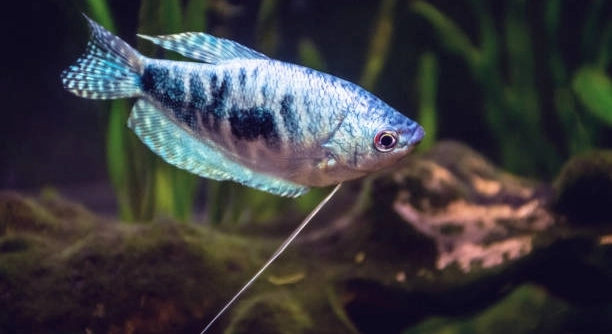
Gouramis are gentle fish, often admired for their peaceful nature in home aquariums. Sometimes, you may notice them chasing each other’s tails, creating a flurry of movement that can seem alarming to first-time fish keepers.
Tail chasing in gouramis is typically a sign of social interaction or territorial behavior. It can indicate dominance, mating readiness, or playful activity, depending on the fish’s age, gender, and environmental conditions. Understanding the context helps maintain aquarium harmony.
Observing these interactions closely can reveal much about your fish’s behavior and wellbeing. Knowing what drives tail chasing allows you to ensure a calmer and healthier aquarium environment.
Understanding Gourami Tail Chasing
Tail chasing among gouramis is often a natural behavior rather than a sign of illness. When I first noticed it in my aquarium, it looked chaotic, but over time I realized it was a normal part of their social interactions. Younger gouramis tend to chase each other as a form of playful activity, helping them establish hierarchy and explore their surroundings. Adult gouramis may also chase to assert dominance or show readiness to mate. Environmental factors, such as tank size, decorations, and hiding spots, influence how often this behavior occurs. A crowded tank may increase chasing, while a well-planted, spacious aquarium allows fish to move freely without stress. Observing your fish regularly helps identify whether tail chasing is harmless or signals tension. Feeding schedules and water quality also affect their activity levels, so keeping these consistent ensures healthier, calmer interactions. Tail chasing is often temporary and rarely aggressive unless specific conditions trigger stress.
Most tail chasing is harmless, and fish typically recover quickly from these interactions without injury or lasting harm.
Regular observation allows you to distinguish between normal social behavior and potential signs of stress. Noting patterns in tail chasing can help improve tank conditions and ensure your gouramis feel secure.
When Tail Chasing Becomes a Concern
Persistent or aggressive tail chasing can indicate stress or poor tank conditions.
If chasing turns violent, it may lead to fin damage or injury. Overcrowding, lack of hiding spots, or incompatible tank mates can provoke repeated aggression. Some gouramis become territorial, especially in smaller tanks, making constant tail chasing a problem. Signs to watch for include torn fins, torn scales, or fish isolating themselves to avoid conflict. Stress from poor water quality, temperature fluctuations, or inadequate diet can exacerbate aggressive chasing. Adjusting tank setup with plants, decorations, and visual barriers often reduces conflict. Providing enough space and monitoring behavior daily helps maintain a peaceful aquarium. It’s important to identify the root of aggression rather than just separating fish immediately, as this supports natural social structures.
Maintaining a balanced environment requires attention to both social and physical factors. Regular water testing, proper feeding, and observing fish interactions can prevent prolonged tail chasing. Sometimes minor changes, like rearranging tank decorations or adding hiding places, are enough to calm dominant fish. Understanding each gourami’s personality and adjusting tank mates accordingly also reduces tension. Ensuring proper diet and maintaining clean water supports their overall health, minimizing stress-related behaviors. Patience and careful observation often result in a calmer, more harmonious aquarium, allowing tail chasing to remain a harmless activity rather than a persistent issue.
Managing Tail Chasing
Providing enough space in the tank reduces frequent tail chasing. A spacious environment lets gouramis move freely, avoiding unnecessary stress and aggressive encounters with each other.
Adding plants and hiding spots gives fish places to retreat during tense moments. Decorations like rocks, driftwood, or artificial caves create boundaries and reduce dominance disputes. Arranging these thoughtfully prevents a single fish from controlling the entire tank and allows subordinate fish to escape unwanted attention. Monitoring tank size and stocking levels ensures each fish has its own territory, which helps minimize chasing. Maintaining a calm environment with consistent feeding and clean water also reduces stress-induced aggression.
Adjusting social dynamics in the tank can help. Introducing compatible tank mates gradually allows gouramis to establish hierarchy naturally. Separating overly aggressive individuals temporarily may prevent injury. Observing behavior patterns identifies which fish tend to provoke chasing. Over time, minor changes to environment or group composition often result in calmer interactions. Consistency in tank maintenance and feeding schedules further reduces tension. By carefully managing space, hiding spots, and social structure, tail chasing becomes less frequent, keeping your gouramis healthier and more peaceful.
Observing Behavior Patterns
Noting when and how often tail chasing occurs helps identify triggers and potential stress factors in the tank. Consistent observation gives insight into social dynamics and health.
Tail chasing usually peaks during feeding or changes in the environment. Some gouramis chase more aggressively in the mornings or after new fish are introduced. Recognizing these patterns helps determine whether the behavior is playful or territorial. Environmental stressors, such as fluctuating water temperature or poor water quality, can intensify chasing. Tracking these behaviors over time allows you to adjust tank conditions and prevent conflicts before they escalate. Observation is key to understanding your fish’s needs and maintaining harmony in the aquarium.
Recording interactions can reveal long-term tendencies among individual fish. Some gouramis may habitually chase others, while some remain more passive. By noting which fish initiate chasing, you can plan tank arrangements to minimize conflict. Adjusting feeding routines, adding new hiding spots, or slightly rearranging decorations often reduces aggression. Seasonal changes or growth spurts may also influence behavior, so continuous observation is important. Maintaining logs of interactions and environmental conditions allows for better management of social dynamics. With careful attention, most tail chasing remains harmless, and fish coexist more comfortably.
Preventing Injury
Keeping the tank well-planted helps prevent injuries during tail chasing. Plants and decorations give fish places to hide and reduce direct confrontations.
Regularly trimming fins and observing for minor damage ensures small injuries don’t become serious. Immediate action can prevent infection and long-term harm.
Adjusting Tank Conditions
Water quality and temperature directly affect fish behavior. Stable conditions reduce stress that can lead to aggressive chasing. Clean filters, regular water changes, and maintaining proper temperature ranges keep gouramis comfortable. Monitoring pH, ammonia, and nitrate levels prevents environmental stress. A stable, clean tank encourages calmer social interactions, reducing tail chasing and promoting overall health.
Diet and Feeding
A balanced diet limits food-related aggression. Feeding small portions multiple times a day ensures all fish receive adequate nutrition.
Recognizing Mating Behavior
Tail chasing can signal readiness to breed. Male gouramis may pursue females persistently, displaying courtship rather than aggression. Observing patterns and tank conditions helps distinguish mating behavior from stress or territorial disputes.
Why do my gouramis chase each other’s tails so often?
Frequent tail chasing usually comes from social interactions. Gouramis are naturally territorial and need to establish a hierarchy, especially in smaller tanks. Young gouramis may chase each other playfully to practice dominance or explore their surroundings. Adult males may chase females or rivals to assert control. Observing the context—like feeding times, tank setup, and tank mates—helps identify whether chasing is playful, territorial, or stress-related. Overcrowding, lack of hiding spaces, or sudden environmental changes can increase the frequency of chasing. Ensuring each fish has enough space and visual boundaries often reduces unnecessary aggression.
Can tail chasing harm my gouramis?
Occasional tail chasing is usually harmless, but persistent aggressive chasing can injure fins and scales. Minor nicks can heal on their own if water quality is high and stress is minimized. If chasing becomes violent, it can lead to fin rot or open wounds, so monitoring fish closely is essential. Adding plants, decorations, or rearranging the tank can provide escape routes and reduce direct confrontations. Separating highly aggressive fish temporarily is another way to prevent injuries while allowing the rest of the group to interact normally.
Is tail chasing a sign of stress or poor health?
Tail chasing can sometimes signal stress or discomfort. Factors like dirty water, fluctuating temperature, poor diet, and overcrowding often trigger more aggressive behavior. If chasing increases suddenly or is paired with other signs—like lethargy, clamped fins, or loss of appetite—it may indicate stress or illness. Maintaining stable water parameters, providing sufficient space, and monitoring fish behavior daily help prevent stress-related chasing. Stress management in gouramis supports overall health and reduces the risk of injuries and disease.
Does tail chasing indicate mating behavior?
Yes, in many cases, tail chasing is part of courtship. Male gouramis often chase females to display dominance and readiness to mate. The behavior may include nudging, circling, or flaring fins alongside chasing. Observing the tank over time helps differentiate mating behavior from territorial aggression. Providing a well-planted tank allows females to retreat if needed and prevents excessive stress. Mating-related chasing is usually temporary and less aggressive compared to conflicts over territory.
How can I reduce tail chasing in my tank?
Increasing space and adding hiding spots are the simplest ways to reduce chasing. Plants, driftwood, and caves create visual barriers, giving fish places to retreat. Monitoring tank population ensures no overcrowding occurs. Adjusting feeding routines by offering small portions multiple times a day can minimize food-related competition. Gradually introducing new tank mates reduces social stress. Consistency in water quality, temperature, and routine maintenance also calms fish. Over time, these changes usually decrease unnecessary tail chasing without separating fish permanently.
Should aggressive fish be separated?
Separating consistently aggressive individuals can prevent injuries, but it’s often a temporary solution. Sometimes minor tank rearrangements or additional hiding spots are enough to calm dominant fish. Observing fish personalities helps decide if separation is needed or if environmental changes alone will restore balance. Over time, carefully managing space and social dynamics usually reduces conflicts and allows most fish to coexist safely.
Can tank size affect tail chasing?
Yes, tank size plays a significant role. Smaller tanks increase competition for space, making dominance behavior more frequent. Larger tanks allow each fish to have its own territory, which usually reduces chasing. A spacious environment with plants and hiding areas promotes calmer interactions and healthier social structures. Even minor adjustments in layout can make a noticeable difference.
Does diet influence chasing behavior?
Diet impacts behavior more than many realize. Gouramis that are hungry or unevenly fed are more likely to chase each other aggressively during feeding times. Offering a balanced diet in small, frequent portions ensures all fish get enough nutrition, reducing competition and stress. Overfeeding should be avoided, as it can affect water quality and trigger other behavioral problems.
How do I know if chasing is normal or a problem?
Normal tail chasing is brief, non-injurious, and often linked to play or hierarchy establishment. Problematic chasing is persistent, aggressive, and causes visible injury or stress. Observing patterns, tank conditions, and fish health is key to distinguishing between harmless and concerning behavior. Adjusting environment, diet, and tank mates can help restore harmony when necessary.
What environmental factors trigger tail chasing?
Overcrowding, lack of hiding spots, poor water quality, and sudden changes in temperature or lighting can trigger chasing. Even rearranging the tank too abruptly may provoke stress-related aggression. Ensuring stable conditions, adequate space, and plenty of visual barriers helps reduce excessive chasing and supports healthier social behavior.
Can tail chasing affect other fish in the tank?
Yes, aggressive tail chasing can stress other fish, even if they aren’t directly involved. Subordinate fish may hide more, eat less, or develop health issues due to prolonged stress. Providing escape routes, hiding spots, and enough space for all inhabitants reduces the impact on the entire aquarium population and promotes peaceful coexistence.
Is tail chasing more common in certain gourami species?
Some gourami species are naturally more territorial or active, making tail chasing more frequent. Males of species like pearl gouramis and dwarf gouramis often chase each other more aggressively, especially during mating periods. Understanding the temperament of your specific species helps anticipate and manage these behaviors effectively.
How long does tail chasing typically last?
Tail chasing is usually temporary. Playful or social chasing may last a few seconds to a couple of minutes and occurs sporadically. Mating-related chasing can last longer but usually ends once hierarchy or courtship is established. Persistent aggressive chasing requires intervention to prevent injury and stress.
Can rearranging the tank help reduce tail chasing?
Yes, changing the layout or adding decorations often reduces aggression. New hiding spots or visual barriers break established territories and give subordinate fish places to retreat. Even small adjustments, like moving plants or rocks, can shift social dynamics and calm dominant fish, decreasing overall tail chasing in the tank.
What signs indicate chasing is causing harm?
Visible injuries, torn fins, frayed scales, and isolation from other fish indicate that chasing has become harmful. Increased stress, reduced appetite, or unusual swimming patterns are additional warning signs. Immediate attention, environmental adjustments, or temporary separation of aggressive fish is necessary to prevent lasting harm.
How often should I monitor my fish for chasing behavior?
Daily observation is ideal. Watching fish during feeding and throughout the day helps identify patterns and potential triggers. Keeping notes on interactions, water quality, and tank conditions allows proactive management. Frequent monitoring ensures minor issues don’t escalate into harmful aggression.
Can adding more fish help reduce chasing?
Adding fish can sometimes distribute aggression, but overcrowding can worsen the problem. Introducing compatible tank mates gradually and ensuring enough space is essential. Overpopulating the tank often increases stress and chasing, so careful planning and observation are critical to maintaining harmony.
Does water temperature affect chasing?
Yes, sudden changes or temperatures outside the ideal range can increase activity and aggression. Maintaining stable, species-appropriate temperatures reduces stress, which in turn minimizes excessive tail chasing. Proper heating and regular monitoring help keep fish behavior predictable and calm.
Is tail chasing more common in males than females?
Males tend to chase more frequently, especially when establishing dominance or during mating periods. Female gouramis may chase occasionally, but it is usually less aggressive. Understanding gender-based behavior helps anticipate and manage interactions effectively.
Can stress from transport or new environments trigger tail chasing?
Yes, introducing new fish or relocating them often leads to temporary tail chasing. Stress from shipping, acclimation, or rearranging tanks can make normally calm fish more aggressive. Gradual introduction and stable conditions help minimize stress-induced chasing.
Does lighting affect tail chasing?
Intense or fluctuating lighting can trigger stress, increasing chasing behavior. Providing moderate, consistent lighting with periods of darkness allows fish to rest, reducing tension and promoting calmer social interactions.
Can medications or treatments influence tail chasing?
Some medications or water treatments may temporarily alter behavior, increasing activity or aggression. Monitoring fish during treatment ensures tail chasing doesn’t lead to injury. Adjusting dosage or environment as needed keeps behavior under control.
Is it normal for juvenile gouramis to chase more than adults?
Yes, young gouramis are naturally more active and playful, often chasing each other to establish hierarchy. Adults usually chase less unless competing for territory, mates, or food. Understanding age-related behavior helps interpret interactions and maintain a peaceful tank.
How long should I wait before intervening in tail chasing?
Brief, non-injurious chasing is normal and doesn’t require immediate action. Intervene if chasing becomes persistent, aggressive, or causes visible injury. Adjusting environment or temporarily separating aggressive fish prevents stress and harm.
Can adding plants reduce aggression permanently?
Plants provide long-term hiding spots and visual barriers, reducing chasing. While they don’t eliminate dominance behavior entirely, a well-planted tank promotes calmer interactions and prevents most aggressive encounters from escalating into injuries.
Are certain tank mates better for reducing tail chasing?
Peaceful, non-territorial fish usually coexist well with gouramis. Avoid highly aggressive or fin-nipping species. Matching temperaments and sizes helps maintain harmony and reduces stress-induced chasing. Gradual introductions and careful observation ensure compatibility.
Does overcrowding make tail chasing worse?
Yes, overcrowding increases competition for space, food, and territory. Even otherwise calm fish may chase aggressively when confined. Ensuring proper tank size and stocking density is essential to minimize stress and maintain peaceful interactions.
How does water quality affect chasing behavior?
Poor water quality increases stress and aggression, leading to more tail chasing. High ammonia, nitrate, or nitrite levels, and inconsistent pH, can make fish more reactive. Regular water changes, filtration, and monitoring maintain stable conditions and reduce behavioral problems.
Is it normal for tail chasing to increase during feeding?
Yes, feeding times often trigger temporary chasing as fish compete for food. Offering multiple feeding spots and small portions reduces conflict and ensures all fish get their share. This prevents stress and minimizes injuries caused by aggressive competition.
Can tail chasing be completely stopped?
Tail chasing is a natural behavior and cannot be entirely eliminated. The goal is to manage it so it doesn’t harm fish. Providing space, hiding spots, stable water conditions, and compatible tank mates keeps chasing brief, controlled, and largely harmless.
What long-term effects can frequent tail chasing have?
Frequent, aggressive chasing can cause chronic stress, fin damage, and weakened immune systems. Long-term exposure to stress may lead to illness and reduced lifespan. Preventing prolonged aggression through careful tank management ensures healthier, happier gouramis.
How do I know if chasing is related to mating or aggression?
Mating-related chasing is usually targeted and follows a consistent pattern, often with nudging and circling. Aggressive chasing is more random, frequent, and may result in injury. Observing timing, intensity, and accompanying behaviors helps distinguish the two, allowing appropriate management.
Can rearranging tank decorations help after aggression starts?
Yes, rearranging creates new visual boundaries and disrupts established territories. This often calms dominant fish and reduces chasing. Even small changes, like moving plants or rocks, can make a noticeable difference in social dynamics and minimize injuries.
Are some gouramis more prone to tail chasing than others?
Individual temperament varies. Some gouramis are naturally more dominant or active, increasing chasing behavior. Knowing each fish’s personality allows better tank planning, reduces conflicts, and ensures a balanced social environment.
Does adding hiding spots always work?
Adding hiding spots helps most of the time but may not stop dominant fish from chasing completely. It reduces stress and provides escape routes for subordinate fish, minimizing injury and helping maintain peace in the aquarium.
How often should I check for injuries caused by chasing?
Daily observation is ideal, especially in new or aggressive groups. Check fins, scales, and behavior for signs of stress or injury. Early detection prevents minor issues from becoming serious health problems.
Can changing water temperature gradually reduce chasing?
Stable, species-appropriate temperature reduces stress and activity. Gradual adjustments during acclimation help fish settle without triggering aggression. Sudden temperature changes can increase chasing, so consistency is key.
How long does it take for a tank to settle after introducing new fish?
It can take days to weeks for fish to establish hierarchy. Tail chasing usually decreases once boundaries are recognized. Providing hiding spots and gradual introductions helps fish settle more quickly, reducing prolonged stress.
Does adding more plants and decorations later help calm the tank?
Yes, even after aggression begins, adding visual barriers and hiding spots can disrupt dominance patterns and reduce chasing. Changes to the environment often restore balance and prevent repeated injuries.
Should I remove aggressive fish immediately?
Immediate removal is only necessary if injuries occur or chasing is relentless. Otherwise, environmental adjustments, added hiding spots, and careful observation are often enough to manage behavior and maintain harmony.
Can tail chasing affect breeding success?
Excessive stress from chasing can reduce mating success. Providing space, hiding spots, and stable conditions helps ensure courtship behaviors occur naturally without harm, improving breeding outcomes.
Is tail chasing more common in certain tank setups?
Bare tanks with few hiding spots or overly crowded setups often see more chasing. Well-planted, spacious aquariums reduce stress and territorial disputes, minimizing tail chasing and promoting peaceful coexistence.
Does feeding method impact chasing frequency?
Yes, dropping food in one spot encourages competition and chasing. Spreading food across the tank or using multiple feeding locations reduces aggressive behavior and ensures all fish eat properly.
Can tail chasing indicate illness?
Occasionally, illness may cause unusual chasing or agitation. If chasing is paired with lethargy, color loss, or other symptoms, it could indicate a health issue. Addressing water quality, diet, and observing for disease helps keep fish healthy.
Are dwarf gouramis more prone to tail chasing than other species?
Dwarf gouramis are active and territorial, especially males, making tail chasing more noticeable. Proper tank size, hiding spots, and compatible tank mates help manage their behavior.
Does tank depth influence tail chasing?
Deeper tanks allow vertical space for retreat, reducing direct conflicts. Shallow, cramped tanks often increase chasing due to limited escape routes. Providing enough depth helps fish feel secure and reduces aggression.
Can light cycles affect chasing behavior?
Consistent light cycles reduce stress. Sudden changes or overly bright lighting may increase activity and aggression. Moderate, stable lighting with natural dark periods encourages calmer behavior and less frequent chasing.
Is it normal for one fish to always initiate chasing?
Yes, some dominant individuals naturally assert control. Observing patterns helps determine if intervention is needed. Adjusting environment or temporarily separating aggressive fish can restore balance without disrupting social structure.
How can I prevent tail chasing in the long term?
Maintaining a spacious, well-planted tank, monitoring water quality, providing a balanced diet, and carefully selecting compatible tank mates all help manage tail chasing long-term. Regular observation ensures minor issues are addressed before escalating into harmful aggression.
What’s the best way to introduce new gouramis without triggering chasing?
Acclimate new fish slowly using a separate container or partition. Gradually allow visual contact before full integration. Ensure hiding spots and adequate space are available. Observing behavior closely during the first days helps prevent prolonged aggression and injury.
Does adding floating plants reduce chasing?
Floating plants provide shade and visual barriers, which can reduce stress and break sightlines between dominant and subordinate fish. This simple adjustment often decreases chasing without separating fish.
How do I distinguish playful chasing from aggressive chasing?
Playful chasing is brief, non-injurious, and often involves circling or gentle nudges. Aggressive chasing is persistent, targets specific fish, and may result in torn fins or stress. Observing intensity, frequency, and outcome helps determine the type of behavior.
Can seasonal changes affect tail chasing?
Yes, temperature shifts or changes in light duration can influence activity levels. Fish may chase more during warmer months or longer daylight periods. Maintaining stable conditions helps minimize seasonal spikes in aggression.
How can I encourage peaceful interactions among gouramis?
Providing space, hiding spots, compatible tank mates, stable water conditions, and consistent feeding schedules encourages calm interactions. Observing and adjusting tank dynamics proactively helps reduce tail chasing and promotes harmony among all fish.
Is it normal for chasing to stop suddenly?
Yes, once hierarchy is established, chasing often decreases. Environmental improvements, added space, and hiding spots can accelerate this process. Sudden cessation usually indicates fish have settled socially and feel secure in the tank.
Can tank size changes reduce chasing?
Upgrading to a larger tank reduces competition for territory and space, allowing fish to spread out. This often decreases chasing and promotes healthier, calmer behavior among gouramis.
Does chasing increase with breeding seasons?
Yes, during breeding periods, males often chase females or rivals to establish dominance and courtship. Recognizing the seasonal pattern helps distinguish mating behavior from stress or aggression.
Are some gourami colors or patterns more aggressive?
Aggression is more linked to personality and gender than color or pattern. Males of all types may chase for territory or mating, while females tend to be less aggressive.
How long should I monitor tail chasing after adding new fish?
Observation should be continuous for at least the first two weeks. Most hierarchy and social patterns stabilize during this period, allowing you to identify and address any persistent aggression.
Can tank rearrangements temporarily increase chasing?
Yes, changing decorations or plants disrupts established territories. Initially, chasing may spike as fish adjust. Over time, it usually declines once boundaries are re-established.
Does chasing affect fish appetite?
Excessive aggression can reduce eating among stressed fish. Providing multiple feeding spots, hiding places, and adequate food helps ensure all gouramis get proper nutrition despite social dynamics.
Is tail chasing more noticeable in smaller tanks?
Yes, limited space increases competition and aggression, making chasing more frequent. Providing adequate space, hiding spots, and visual barriers reduces tension and promotes peaceful interactions.
Can I train my gouramis to chase less?
While direct training isn’t possible, creating a calm, enriched environment, consistent feeding schedules, and careful tank management encourages calmer behavior. Positive environmental adjustments are more effective than attempts to modify behavior directly.
How do I know if chasing is due to dominance or play?
Dominance chasing is targeted, persistent, and may result in stress or injury. Playful chasing is brief, non-injurious, and evenly distributed among fish. Observing outcomes and patterns helps differentiate the two.
Can tank mates influence tail chasing frequency?
Yes, aggressive or fin-nipping species can increase stress, prompting more chasing. Choosing calm, compatible tank mates reduces unnecessary aggression and promotes peaceful social interactions.
Does frequent water changes reduce chasing?
Maintaining high water quality reduces stress and aggression. Regular, consistent water changes prevent chemical buildup that can trigger chasing and support healthier behavior overall.
Is chasing behavior inherited or learned?
Chasing is instinctual, linked to social hierarchy, territory, and mating. Fish may also learn to chase or avoid certain individuals based on experience and environmental conditions.
**How can I prevent tail chasing during breeding?
Gourami tail chasing is a normal part of their behavior and social interactions. Observing this activity over time helps you understand the different reasons behind it. Some chasing is playful, as young or curious fish explore their surroundings and practice establishing a hierarchy. Other chasing can be linked to mating behavior, where males pursue females to signal readiness or dominance. Even adult gouramis engage in chasing to maintain their territory or assert control over certain areas of the tank. Recognizing the type of chasing is important because it determines whether any intervention is needed. Minor tail chasing is usually harmless, and fish recover quickly without injury. Over time, observing patterns and behaviors can give valuable insight into your gouramis’ personalities and how they interact with one another.
Managing tail chasing largely depends on creating a calm and balanced environment. Providing enough space for each fish to have its own territory is crucial, especially in tanks with multiple gouramis. Plants, decorations, and hiding spots give fish places to retreat and reduce unnecessary confrontations. Adjusting tank layout, adding visual barriers, or rearranging decorations can help reset boundaries and limit aggressive behavior. Monitoring water quality and maintaining stable conditions is equally important because stress from poor water quality or sudden temperature changes can increase tail chasing. Consistent feeding schedules and a balanced diet also reduce competition and aggressive chasing. By addressing environmental, dietary, and social factors, tail chasing can be managed effectively, keeping fish healthy and minimizing stress or injury.
While tail chasing is a natural behavior, it should not be ignored if it becomes persistent or aggressive. Aggressive chasing can cause torn fins, injuries, and chronic stress, which can affect overall health and lifespan. Paying close attention to interactions, monitoring individual fish, and making small adjustments to the tank setup can prevent problems from escalating. Temporary separation of highly aggressive fish or gradual introduction of new tank mates may be necessary in some cases. Observing and responding to behavior patterns over time ensures that most tail chasing remains harmless and does not negatively impact the aquarium’s harmony. Ultimately, understanding, patience, and careful tank management allow you to support your gouramis’ natural behavior while maintaining a safe and balanced environment for all the fish.

Hello,
If you enjoy the content that we create, please consider saying a "Thank You!" by leaving a tip.
Every little bit helps us continue crafting quality advice that supports the health, happiness, and well-being of pets around the world, for pets of all shapes, sizes, and species.
We really appreciate the kindness and support that you show us!