
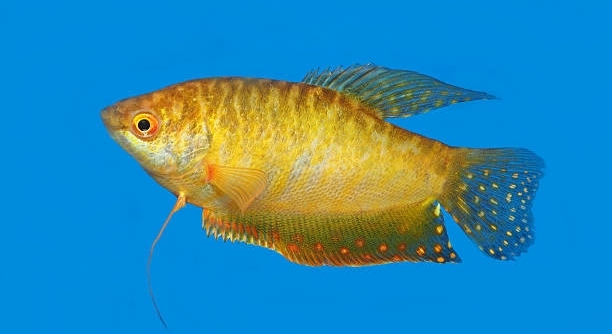
Gouramis are small, colorful fish often found in home aquariums. They have delicate fins that move gracefully, and sometimes these fins flick in ways that catch your attention and make you wonder about their meaning.
Fin flicking in gouramis is primarily a form of communication and signaling. This behavior can indicate stress, territoriality, or readiness to mate, and observing the frequency and context of flicking provides insight into the fish’s overall health and social interactions.
Watching these subtle movements can reveal a lot about your fish’s mood and environment. Paying attention to fin flicking helps maintain a healthy and balanced aquarium.
Understanding Gourami Fin Flicking
Gouramis flick their fins for several reasons. Sometimes it is a way to show dominance or mark their territory. When a new fish is introduced, you may notice increased flicking as they adjust to each other. Stress is another factor; changes in water temperature, poor water quality, or overcrowding can trigger frequent fin flicking. Some gouramis also flick their fins during feeding times or when they are curious about their surroundings. Watching when and how often your fish flicks its fins helps you understand its behavior and comfort level. In some cases, flicking may indicate early signs of illness, especially if it is accompanied by clamped fins, unusual swimming patterns, or loss of appetite. Maintaining clean water, stable conditions, and observing social interactions are key to ensuring your gourami stays healthy. Paying attention to these small signals can prevent bigger problems in your aquarium.
Fin flicking is a normal behavior, but context is important to determine its meaning.
Observing patterns over time can give you insights into stress levels, social dynamics, and overall well-being. Keeping a small log of behaviors and tank conditions can help you identify triggers, whether environmental or social. Early recognition of unusual flicking allows you to act before minor issues escalate. Adjusting tank setup, monitoring water parameters, or separating aggressive fish can reduce stress and promote harmony. Over time, you’ll notice that healthy gouramis flick less often and move more confidently. Recognizing these behaviors strengthens your ability to provide a calm and suitable environment, ensuring your fish thrive and interact naturally.
Common Causes of Fin Flicking
Environmental stress can lead to frequent fin flicking in gouramis. Changes in water quality, temperature fluctuations, and overcrowding often increase this behavior, signaling discomfort or unease in the fish.
Gouramis rely on stable conditions for their health and social interactions. Poor water quality can irritate fins and gills, causing flicking as a response. Aggressive tank mates or sudden changes in lighting or decorations may also trigger defensive flicking. Even mild shifts in diet or feeding routines can make gouramis more alert, prompting them to flick their fins as a subtle warning or signaling curiosity. Observing the aquarium daily helps identify these triggers before they become serious problems. By maintaining a regular cleaning schedule, monitoring temperature and pH, and offering a consistent feeding routine, you reduce stress and encourage natural behavior. In multi-fish tanks, providing hiding spots and visual barriers can prevent territorial disputes. Understanding these environmental influences allows you to address issues quickly, keeping your gouramis comfortable and active.
Social Interactions and Territory
Gouramis use fin flicking to communicate with other fish. It can signal dominance, submission, or readiness to mate. Watching how often and when they flick helps you understand their social hierarchy and interactions within the tank.
Fin flicking is often more noticeable when multiple gouramis share the same tank. Males may flick their fins aggressively to assert territory, while females show more subtle movements. Juvenile gouramis can mimic adult flicking as they learn social behaviors. Observing these patterns helps prevent conflicts and ensures all fish have space and comfort. Introducing new tank mates slowly and providing hiding spots reduces stress and keeps interactions balanced. Over time, familiarization leads to calmer flicking and more predictable behavior.
Aggressive flicking is not always harmful but should be monitored. Persistent or intense flicking may indicate that a fish is stressed or that territorial boundaries are not respected. Adjusting tank layout or separating aggressive individuals can reduce conflict. On the other hand, occasional flicking during feeding or exploration is normal and healthy. Understanding the context of each flick helps you respond appropriately and maintain a harmonious environment.
Health Indicators in Fin Flicking
Unusual fin flicking can signal health problems in gouramis. Sudden changes in behavior often indicate stress, illness, or parasites affecting the fish.
Fin flicking combined with clamped fins, lethargy, or loss of appetite is a clear sign of potential health issues. Regular observation of your gourami’s movement and interaction helps identify problems early. Water testing for ammonia, nitrite, and pH levels can reveal environmental causes of stress. Parasite infestations or bacterial infections often trigger flicking as the fish tries to relieve irritation. Acting promptly with proper treatments or adjusting water conditions prevents complications and promotes recovery. Maintaining a clean, stable tank environment supports both physical health and natural behavior.
Feeding and Fin Flicking
Gouramis often flick their fins during feeding times. This behavior can signal excitement, anticipation, or competition for food among tank mates.
Some gouramis use fin flicking to create water currents, helping move food closer. Observing how they behave during feeding can reveal their personality and social dynamics.
Breeding Behavior
Fin flicking plays a key role in gourami courtship. Males often display exaggerated flicking to attract females and establish a spawning site. These movements can also indicate readiness for mating and help synchronize breeding behaviors between partners. Watching these patterns can guide breeding management in home aquariums.
Stress Signals
Frequent or erratic fin flicking often indicates stress in gouramis. Stress can stem from overcrowding, aggressive tank mates, or sudden environmental changes, and recognizing it early is important for their well-being.
FAQ
Why do my gouramis flick their fins more at night?
Gouramis may flick their fins at night due to lower light levels and reduced activity. Flicking can be a subtle form of communication or a response to minor disturbances in their environment. It’s often harmless if the fish appear otherwise healthy.
Can fin flicking indicate illness?
Yes, unusual or persistent fin flicking can signal health issues. If it is accompanied by clamped fins, lethargy, loss of appetite, or discoloration, it may indicate stress, parasites, or bacterial infections. Regular observation and water quality checks can help catch problems early.
Is fin flicking normal during feeding?
Absolutely. Many gouramis flick their fins while eating to move food or compete with tank mates. Occasional flicking in this context is a sign of alertness and natural behavior, not stress.
Do males and females flick differently?
Males often flick more aggressively to assert dominance or attract females, especially during breeding periods. Females may show subtler flicking as part of social communication or mating readiness. Observing differences helps understand social hierarchy and interactions.
Can flicking indicate stress?
Yes, flicking is a common stress signal. Causes include overcrowding, poor water quality, aggressive tank mates, or sudden changes in temperature and lighting. Monitoring the tank and adjusting conditions can reduce stress and prevent more serious health issues.
Should I separate fish that flick aggressively?
If flicking leads to chasing or fin damage, separating aggressive fish is recommended. Providing hiding spots and visual barriers can also reduce tension, allowing calmer interactions while keeping the tank environment balanced.
Does fin flicking mean a fish is happy?
Not always, but occasional flicking in a calm environment often reflects normal behavior. Consistent, gentle flicking during exploration or feeding generally indicates that the fish is comfortable and alert.
How can I reduce excessive flicking?
Excessive flicking often points to environmental stress or social tension. Ensure stable water parameters, provide adequate space, and maintain a balanced tank setup. Reducing stressors usually decreases unnecessary flicking and improves overall behavior.
Can flicking help during breeding?
Yes, flicking is part of courtship. Males use it to attract females and establish territories. Observing and understanding these signals can help you manage breeding pairs and encourage successful spawning in the aquarium.
When should I be concerned about fin flicking?
Concern is warranted if flicking is constant, intense, or paired with other unusual behaviors like erratic swimming, loss of appetite, or visible fin damage. Early intervention with water checks or treatment ensures your gouramis remain healthy and comfortable.
Is fin flicking influenced by tank setup?
Yes, tank size, decoration, and hiding spaces all impact flicking behavior. Crowded or barren tanks can increase stress-related flicking, while well-structured tanks with enough space reduce tension and encourage natural interactions.
Can flicking indicate dominance hierarchies?
Absolutely. Gouramis use fin flicking to establish dominance and communicate their place in the social order. Observing these interactions helps prevent conflict and maintain a peaceful tank environment.
Does flicking vary by species?
Different gourami species may flick at varying frequencies and for different reasons. Observing species-specific behaviors helps you interpret actions correctly and adjust care or tank conditions accordingly.
How do I tell harmless flicking from problematic flicking?
Harmless flicking is occasional, rhythmic, and paired with normal swimming and feeding. Problematic flicking is constant, aggressive, or paired with other stress or illness signs. Tracking patterns and context is essential for understanding the behavior.
Can flicking indicate curiosity?
Yes, gouramis sometimes flick their fins while exploring new objects or tank changes. This behavior is normal and shows alertness and interaction with their environment rather than stress.
Does diet affect fin flicking?
Indirectly, yes. Nutritional deficiencies or overfeeding can cause stress or hyperactivity, leading to increased flicking. Maintaining a balanced diet helps keep behavior stable and supports overall health.
How long should I monitor flicking before taking action?
Observe daily for at least a week to understand normal patterns. Sudden changes or persistent abnormal flicking should prompt closer inspection of water quality, tank mates, and fish health.
Are young gouramis more likely to flick?
Juveniles may flick more as they learn social behaviors and establish territories. Their flicking is usually less intense but more frequent than adult fish. Monitoring helps ensure they integrate safely with other tank mates.
Can flicking be a sign of boredom?
Sometimes. In tanks lacking enrichment or stimulation, gouramis may flick as part of exploratory or restless behavior. Adding plants, hiding spots, or gentle current can reduce unnecessary flicking.
Does flicking change with seasons or temperature?
Yes, fluctuations in temperature or light cycles can affect activity levels, including fin flicking. Stable conditions minimize stress-related flicking and maintain consistent behavior patterns.
Can flicking indicate mating readiness?
For mature gouramis, flicking is a key mating signal. Males display more prominently to attract females and signal courtship readiness. Observing these behaviors helps plan breeding and monitor interactions.
Should I worry if one fish flicks more than others?
Not always. Individual personalities vary. However, extreme differences combined with stress signs or fin damage may indicate aggression or health issues, requiring intervention.
Does tank location influence flicking?
Yes, tanks near frequent movement, vibration, or bright lights can increase stress-related flicking. Placing tanks in calm, stable locations supports relaxed and natural behavior.
Can flicking indicate excitement?
Yes, brief flicking during feeding or exploration is often a sign of alertness or curiosity rather than stress. Context and frequency determine if it is normal.
How can I safely encourage natural flicking?
Provide space, clean water, hiding spots, and consistent routines. These factors allow gouramis to flick as part of normal communication and activity without stress or conflict.
What’s the best way to track flicking behavior?
Observing daily, noting timing, triggers, and frequency helps identify patterns. Small notes or photos can reveal changes in social interactions, stress, or health over time, aiding proactive care.
Can flicking indicate compatibility with other fish?
Yes, excessive aggressive flicking toward tank mates can signal incompatibility. Monitoring interactions and providing adequate space or barriers prevents stress and ensures peaceful cohabitation.
Does flicking decrease with age?
Generally, older gouramis flick less as they establish social hierarchies and become more comfortable in their environment. Young fish tend to flick more while learning boundaries.
Is it normal for a single fish to flick?
Yes, even solitary gouramis flick their fins occasionally for exploration, water currents, or minor self-stimulation. Consistency and context indicate normal behavior rather than stress.
Can flicking indicate discomfort from water flow?
Yes, strong currents or turbulent water may cause flicking as the fish stabilizes itself. Adjusting flow or adding plants and obstacles helps reduce stress and allows more natural movement.
Does flicking affect other fish?
Yes, frequent aggressive flicking can trigger stress or defensive behaviors in tank mates. Balanced social environments and adequate space prevent unnecessary conflicts.
How does flicking relate to hierarchy formation?
Flicking establishes dominance, submission, and social rank. Observing patterns helps manage multi-fish tanks and prevent prolonged conflicts that could harm weaker individuals.
Can flicking indicate pain?
Occasionally, flicking paired with rubbing against objects or clamped fins may indicate discomfort or irritation. Checking for parasites, injuries, or water issues is important to address potential pain.
Does flicking decrease after mating?
Yes, after successful spawning, flicking often reduces as males and females return to normal routines. Monitoring post-breeding behavior ensures continued health and comfort.
How does tank size impact flicking?
Smaller tanks often increase flicking due to stress or territorial disputes. Larger, well-decorated tanks allow more natural movement and reduce unnecessary flicking behaviors.
Can flicking be part of normal exercise?
Yes, flicking helps maintain fin mobility, balance, and coordination. Occasional flicking during swimming is healthy and supports overall activity levels.
Is fin flicking more common in certain personalities?
Some gouramis are naturally more active or bold, leading to more frequent flicking. Others are shy or reserved and flick less. Observing individual behavior helps interpret signals accurately.
Does flicking relate to light intensity?
Bright or flickering lights can increase alertness and stress, leading to more flicking. Providing consistent, gentle lighting supports calm and normal behavior.
Can flicking indicate territorial disputes?
Yes, flicking is often a warning signal during disputes. Recognizing this behavior early allows adjustments to prevent injury or prolonged stress.
How do I know if flicking is harmless curiosity?
Harmless flicking is short, rhythmic, and paired with calm swimming or exploration. Problematic flicking is constant, intense, or accompanied by other stress indicators. Observing context is key to interpretation.
Can flicking affect tank harmony?
Excessive aggressive flicking can disrupt peaceful coexistence, but balanced flicking during feeding or exploration usually maintains harmony. Providing space and hiding spots reduces tension.
What long-term effects can stress flicking have?
Chronic stress flicking can lead to weakened immunity, illness, and fin damage. Early recognition and corrective measures prevent long-term health problems and maintain a stable environment.
Does flicking vary by time of day?
Yes, gouramis may flick more during active periods like feeding or light transitions. Nighttime flicking is usually less intense and often harmless.
Can flicking indicate curiosity about new objects?
Yes, flicking often accompanies exploration of plants, decorations, or tank changes. This behavior is normal and reflects alertness and environmental interaction.
How can I distinguish playful flicking from aggression?
Playful flicking is brief, gentle, and without fin damage. Aggressive flicking is intense, persistent, and may lead to chasing or injury. Observing interactions and body language helps differentiate the two.
Does fin flicking help regulate water flow?
Sometimes, flicking creates minor currents that aid feeding or movement. This behavior is natural and supports environmental interaction.
Can flicking indicate boredom in a single fish?
Yes, a lack of stimulation may lead to repetitive flicking. Adding plants, hiding spots, or enrichment encourages normal exploration and reduces unnecessary flicking.
Does flicking decrease after tank stabilization?
Yes, once gouramis adapt to their environment, flicking generally becomes less frequent and more purposeful, reflecting comfort and normal activity.
Can flicking signal readiness for interaction?
Yes, flicking during feeding, exploration, or social engagement indicates alertness and willingness to interact, rather than stress.
Does flicking help maintain fin health?
Yes, occasional flicking supports fin flexibility, coordination, and overall physical activity, contributing to healthy movement and balance.
Can flicking be learned behavior?
Young gouramis often mimic adults, learning when and how to flick for communication, feeding, or social interaction. Observing older fish provides clues about expected behavior.
How important is context in interpreting flicking?
Context is essential. Timing, frequency, environment, and social interactions determine whether flicking is normal, stress-related, or a sign of illness. Paying attention to these factors ensures accurate understanding and appropriate action.
Can flicking indicate excitement from feeding?
Yes, brief flicking during feeding is common and reflects alertness and engagement, not stress or aggression.
Does flicking increase with overcrowding?
Yes, limited space leads to stress, increased territorial disputes, and more frequent flicking. Providing adequate room reduces tension and encourages natural behavior.
Can flicking indicate water quality problems?
Yes, poor water conditions often trigger stress flicking. Testing for ammonia, nitrite, pH, and temperature can reveal issues that need correction to maintain health.
Is flicking more noticeable in certain lighting?
Bright or shifting light can make flicking more visible and may also trigger increased activity or stress-related flicking. Consistent, moderate lighting supports calm behavior.
Can flicking indicate irritation from parasites?
Yes, external parasites can cause discomfort, leading to flicking, rubbing, or clamped fins. Prompt treatment prevents further stress and damage.
Does flicking indicate comfort with tank mates?
Yes, relaxed flicking suggests comfort, while aggressive or defensive flicking indicates tension or conflict. Observing interactions helps manage multi-fish tanks effectively.
Can flicking change with age and maturity?
Yes, young gouramis flick more as they learn boundaries, while adults flick less once social hierarchies and environmental comfort are established.
Does flicking serve multiple purposes?
Yes, fin flicking communicates, signals stress, aids exploration, supports feeding, and helps maintain social structure. Observing patterns is key to understanding its meaning.
How do I ensure flicking remains normal and healthy?
Maintain clean water, proper tank size, stable conditions, hiding spots, and balanced diet. Monitor social interactions and address stressors promptly. Regular observation ensures flicking reflects normal, healthy behavior.
Can flicking indicate readiness for breeding?
Yes, males use flicking to attract females and establish spawning areas. Recognizing these signals helps manage breeding successfully in aquariums.
Does flicking vary by species or individual personality?
Yes, both species traits and individual temperaments influence frequency, intensity, and purpose of flicking. Observing each fish helps interpret behavior accurately.
Can flicking indicate excitement about tank changes?
Yes, flicking may increase with new decorations, plants, or objects. This is normal and reflects curiosity rather than stress.
Does flicking affect overall aquarium harmony?
Excessive aggressive flicking can disrupt peace, but balanced flicking is part of communication and natural behavior. Managing space, enrichment, and social interactions maintains harmony.
Is flicking a reliable health indicator?
Yes, when combined with other signs, flicking provides insight into stress, illness, and social dynamics. Regular observation is essential for proactive care.
Can flicking indicate social learning among gouramis?
Yes, younger fish often learn from older individuals by observing flicking during feeding, mating, or territorial displays. This behavior shapes social skills and interaction patterns.
Does flicking decrease when fish feel safe?
Yes, once gouramis are comfortable and establish social stability, flicking becomes less frequent and more purposeful, reflecting security in their environment.
Can flicking indicate temperature discomfort?
Yes, sudden drops or rises in temperature can trigger flicking. Maintaining stable water conditions helps prevent stress and supports normal activity.
Is flicking affected by tank decorations or hiding spots?
Yes, adequate plants and hiding places reduce stress-related flicking and allow natural exploration. Bare or cramped tanks often increase flicking frequency.
Does flicking help in feeding efficiency?
Yes, flicking can move food or create minor currents, aiding in capture and consumption. This is normal and reflects alert, active behavior.
Can flicking indicate early signs of aggression?
Yes, frequent flicking toward specific fish may signal dominance or conflict. Early intervention prevents injury and maintains harmony.
Does flicking decrease after establishing territory?
Yes, once territories are set and social hierarchies understood, flicking becomes more controlled and less frequent.
How does flicking relate to social bonding?
Occasional gentle flicking can support interaction, recognition, and bonding among gouramis, contributing to stable social structures.
Can flicking indicate water flow preference?
Yes, gouramis may flick fins to adjust or create currents, reflecting preference or response to water movement.
Does flicking indicate readiness for exploration?
Yes, brief flicking often accompanies investigation of new objects or areas in the tank. It signals curiosity rather than stress.
Can flicking indicate excitement from feeding routines?
Yes, it often reflects anticipation and engagement during mealtime, showing alertness and interest in food.
Is flicking affected by sudden noises or vibrations?
Yes, loud or sudden disturbances can increase flicking as a stress response. Providing a calm environment reduces unnecessary flicking.
Does flicking indicate satisfaction or comfort?
Occasional, gentle flicking in relaxed conditions generally indicates contentment and normal activity in gouramis.
Can flicking indicate recognition of tank mates?
Yes, familiar fish may trigger gentle flicking as a social signal, showing awareness and interaction rather than aggression.
Does flicking help maintain coordination?
Yes, flicking supports fin movement, balance, and swimming efficiency, contributing to overall physical fitness.
Can flicking indicate boredom relief?
Yes, some flicking may result from lack of stimulation. Enrichment and changes in the tank reduce unnecessary flicking and promote natural behavior.
How does flicking indicate readiness for mating?
Flicking is a visual signal males use to attract females and establish spawning readiness. Observing these patterns helps manage breeding effectively.
Does flicking vary with age and social status?
Yes, younger or lower-ranking fish flick more frequently as they learn boundaries, while older or dominant fish flick less once social stability is achieved.
Can flicking indicate alertness to changes?
Yes, flicking often occurs when something new enters the tank, signaling curiosity or caution.
Does flicking serve multiple purposes at once?
Yes, it can signal stress, excitement, readiness to mate, or social intent, depending on context. Observing patterns and triggers is key to understanding behavior.
Can flicking indicate water quality issues?
Yes, irritants, ammonia, or sudden chemical changes can trigger flicking as a stress response. Testing and adjusting water conditions help maintain health.
Does flicking reflect overall well-being?
Yes, consistent, context-appropriate flicking indicates healthy, comfortable, and socially stable gouramis. Irregular or extreme flicking signals potential problems requiring attention.
Can flicking indicate compatibility with new tank mates?
Yes, initial flicking shows how fish interact. Excessive aggression or stress flicking may suggest incompatibility and need for intervention.
Does flicking decrease with routine and familiarity?
Yes, once fish adapt to their environment, social structures, and feeding schedules, flicking becomes less frequent and more predictable.
Can flicking be influenced by tank size and enrichment?
Yes, larger tanks with plants and hiding spots reduce stress and unnecessary flicking, while small or empty tanks can increase flicking frequency.
Does flicking indicate curiosity toward humans?
Sometimes, gouramis flick fins while observing movement outside the tank, reflecting alertness and curiosity without stress.
Can flicking indicate excitement from feeding or play?
Yes, brief flicking during active engagement shows alertness, anticipation, and natural activity levels.
Does flicking indicate comfort with water temperature?
Stable, appropriate temperatures reduce stress-related flicking, allowing more natural
Gourami fin flicking is a normal and natural behavior that serves many purposes in their daily life. It can indicate communication with other fish, excitement during feeding, or alertness when exploring their environment. Understanding the context of flicking is essential, as it allows you to interpret whether it reflects comfort, curiosity, or stress. Paying attention to the frequency, intensity, and timing of flicking helps you see patterns that reveal how your fish are feeling. Even small movements carry meaning, and observing them carefully can help maintain a calm and healthy aquarium environment.
Frequent or unusual flicking can sometimes signal that something in the tank needs attention. Stress, illness, or environmental changes may trigger more intense or constant flicking. Water quality, temperature, and space play a significant role in maintaining comfort and reducing stress-related behavior. Aggressive interactions between fish can also increase flicking, especially in tanks with multiple gouramis or other territorial species. Providing adequate hiding spots, maintaining clean water, and monitoring tank dynamics can reduce conflict and support natural social behavior. By observing closely, you can take proactive steps to address any issues before they affect the health or well-being of your fish.
Fin flicking also reflects the personality and individuality of each gourami. Some fish are naturally more active or curious, while others are reserved and flick less frequently. Over time, patterns emerge that can help you understand each fish’s temperament and social role within the tank. Flicking is also a sign of healthy activity and coordination, contributing to fin strength and overall fitness. By paying attention to these subtle behaviors, you can create an environment where your gouramis feel secure, social interactions remain balanced, and natural behaviors are encouraged. Regular observation, care, and attention to detail ensure your gouramis thrive while providing a peaceful and enriching aquarium for both the fish and yourself.

Hello,
If you enjoy the content that we create, please consider saying a "Thank You!" by leaving a tip.
Every little bit helps us continue crafting quality advice that supports the health, happiness, and well-being of pets around the world, for pets of all shapes, sizes, and species.
We really appreciate the kindness and support that you show us!