
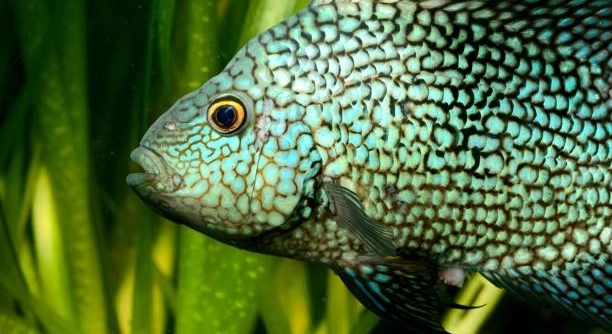
Have you ever noticed your Dempsey fish rising to the surface and opening its mouth as if struggling for air? This can be unsettling for owners who want their fish to stay healthy and active in their tank.
Gasping in Dempsey fish is typically caused by insufficient oxygen or poor water quality. Maintaining proper aeration, regular water changes, and effective filtration helps support their respiratory needs and overall well-being in captivity.
Watching for this behavior and improving tank conditions can prevent stress and illness, helping your Dempsey thrive in a safe, comfortable environment.
Understanding Why Dempsey Fish Gasp
Many Dempsey fish owners notice their fish gasping at the surface without realizing it is often linked to oxygen levels in the tank. When oxygen is low, fish instinctively rise to the top where the water meets air. Poor water quality, like high ammonia or nitrite levels, can also make breathing difficult. Temperature changes can reduce the amount of oxygen water can hold, making fish more likely to gasp. Tank overcrowding adds stress and reduces oxygen availability, which can worsen the problem. Observing your fish regularly can help you identify changes in behavior early. Simple adjustments like adding an air stone, improving filtration, or reducing tank temperature slightly can help. Feeding practices also matter; overfeeding can create excess waste, affecting water quality and oxygen levels. Even healthy fish can gasp occasionally, but frequent surface gasping signals the need for immediate attention. Acting quickly keeps your Dempsey healthy and prevents long-term health issues.
Gasping at the surface is usually a clear sign your tank needs better aeration or water care.
Keeping an eye on water parameters and tank conditions can prevent stress. Adding proper aeration and regular cleaning routines ensures your Dempsey can breathe comfortably and remain active. Consistent maintenance reduces health risks and promotes a stable environment for all your fish.
Improving Tank Conditions for Healthy Breathing
Improving your tank environment helps Dempsey fish get enough oxygen and reduces stress. Small changes can make a big difference in their overall well-being.
Proper filtration and regular water changes are key to maintaining oxygen levels and removing harmful chemicals. Adding an air stone or bubble wand increases surface movement, which helps oxygen mix more efficiently. Temperature control is also important because warmer water holds less oxygen. Avoid overfeeding, as excess food decomposes and lowers water quality. Keeping the tank at a healthy population prevents overcrowding, which can lead to competition for oxygen. Observing your fish daily helps spot early signs of stress or illness, allowing you to act before problems worsen. Using a water test kit regularly ensures ammonia, nitrite, nitrate, and pH levels stay in a safe range. A stable and clean environment supports natural behavior, including regular breathing and swimming patterns. By combining these steps, you create a healthier habitat where Dempsey fish can thrive without frequent gasping, ensuring their comfort and long-term health.
Common Signs of Oxygen Stress
Frequent surface gasping, rapid gill movement, and lethargy are strong indicators of low oxygen in your tank. Fish may also stay near filters or areas with more water flow, showing their need for better oxygenation.
Consistent observation is important because subtle signs often appear before serious health issues. Fish may lose their appetite or hide more than usual when oxygen levels drop. Poor water quality and high temperatures can worsen stress, making these signs more pronounced. Even slight changes in swimming patterns, like slower turns or hovering near the surface, indicate discomfort. Acting early can prevent illness and improve your fish’s overall activity and longevity. Regular monitoring of tank parameters helps identify problems before they become severe.
Addressing oxygen stress involves practical steps like adding air stones, increasing water movement, and adjusting temperature. Maintaining clean water and controlling feeding prevents excess waste that reduces oxygen. Observing your fish’s behavior daily allows you to catch early signs and act quickly, helping your Dempsey stay healthy and active.
Water Quality and Its Impact
Ammonia, nitrite, and nitrate levels directly affect your fish’s breathing and overall health. Poor water quality often forces fish to gasp at the surface.
Testing water regularly is essential for a healthy tank. Ammonia and nitrite should remain at zero, while nitrate levels need to stay low. Regular water changes remove accumulated toxins and help maintain stable parameters. Overfeeding and leftover food can break down and release harmful compounds, worsening water quality. Filtration systems must be cleaned and maintained so they can efficiently remove waste. Maintaining proper pH and hardness also supports oxygen availability and reduces stress on your Dempsey fish. Observing behavior alongside water tests gives a clear picture of your tank’s health.
Keeping the tank balanced prevents gasping and improves your fish’s immune system. Clean water and proper aeration allow them to swim normally and stay energetic. Small, consistent maintenance routines have a significant impact, ensuring your Dempsey thrives in a stable environment. By addressing water quality, you minimize stress, disease risk, and breathing difficulties, creating a tank where your fish can remain healthy for years.
Tank Temperature and Oxygen Levels
High water temperatures reduce the amount of oxygen available, making Dempsey fish more likely to gasp at the surface. Keeping the tank within a stable, moderate range helps maintain proper oxygen levels and supports overall fish health.
Sudden temperature changes can also stress fish, causing rapid gill movement and erratic swimming. Using a reliable heater and thermometer ensures the tank stays consistent. Avoid placing the tank in direct sunlight or near drafts, which can create temperature fluctuations. Stable temperatures make your Dempsey more comfortable and reduce the risk of oxygen-related stress.
Aeration and Water Movement
Proper aeration improves oxygen exchange at the water surface. Air stones, bubble wands, or strong filter currents increase oxygen distribution throughout the tank.
Good water movement ensures oxygen reaches all areas of the tank, preventing dead spots. This keeps fish active and healthy, reducing gasping behavior. Regularly checking and adjusting aeration devices maintains efficiency.
Feeding Practices
Overfeeding can lower water quality and reduce oxygen levels, causing fish to gasp. Feed small portions and remove leftover food.
Observing Behavior
Watch your Dempsey daily for changes in breathing, swimming, or appetite. Early observation prevents health issues.
FAQ
Why is my Dempsey fish constantly gasping at the surface?
Constant surface gasping is usually a sign of low oxygen in the tank or poor water quality. High ammonia or nitrite levels, overcrowding, or high water temperature can make it hard for your fish to breathe normally. Improving aeration, performing water changes, and checking filtration often resolves the problem.
Can a Dempsey fish recover from oxygen stress?
Yes, recovery is possible if you address the underlying cause quickly. Increasing oxygen levels, cleaning the tank, and stabilizing temperature can reduce stress. Fish may take a few days to return to normal activity. Consistent monitoring helps prevent recurrence and keeps them healthy long-term.
How often should I check my water parameters?
Weekly testing of ammonia, nitrite, nitrate, pH, and temperature is recommended. More frequent checks are useful if you notice gasping or unusual behavior. Keeping these parameters stable ensures oxygen levels remain safe and reduces stress for your Dempsey.
Is my tank size affecting my fish’s breathing?
Yes, overcrowding limits available oxygen and increases waste buildup. Dempsey fish need enough space to swim comfortably. Adjusting the number of fish or upgrading to a larger tank improves oxygen distribution and overall health.
Will adding an air stone help gasping?
Adding an air stone or bubble wand can increase oxygen exchange at the water surface. It helps circulate water and reduces dead spots where oxygen may be low. Combined with regular water changes, it makes the tank more comfortable for your fish.
Can overfeeding cause my Dempsey to gasp?
Yes, overfeeding produces excess waste, which breaks down into chemicals that reduce oxygen availability. Feeding small portions and removing uneaten food helps maintain water quality and prevents breathing problems.
Are temperature swings dangerous for Dempsey fish?
Temperature fluctuations can stress fish and reduce oxygen solubility. Sudden changes may cause gasping or lethargy. Using a reliable heater and thermometer, and keeping the tank away from sunlight or drafts, helps maintain a stable environment.
How do I know if gasping is serious?
If your Dempsey frequently stays at the surface, has rapid gill movement, or shows lethargy, the issue is serious. Immediate attention to water quality, oxygen levels, and tank conditions is necessary to prevent illness or death.
Can poor filtration lead to gasping?
Yes, inefficient filtration fails to remove waste and circulate oxygen properly. Cleaning or upgrading your filter ensures proper water movement and maintains chemical balance, reducing breathing difficulties.
How can I prevent future gasping episodes?
Regular water changes, maintaining proper filtration, stable temperatures, careful feeding, and monitoring behavior all help prevent gasping. Consistency is key; keeping your Dempsey in a stable, clean environment reduces stress and supports long-term health.
Is it normal for Dempsey fish to gasp occasionally?
Occasional brief trips to the surface can happen and may not indicate a serious problem. However, frequent or prolonged gasping signals an issue with oxygen levels, water quality, or tank conditions that needs attention.
Should I treat gasping with medication?
Medication is rarely needed unless a secondary illness is present. Focus on improving tank conditions first. Only use treatments if tests indicate infections or parasites alongside gasping behavior.
Can tank decorations affect oxygen levels?
Large decorations or dense plants can reduce water flow and create areas with less oxygen. Ensure decorations do not block circulation and leave open swimming space for proper oxygen distribution.
How long does it take for a Dempsey to improve after water changes?
Improvement can be seen within a few hours if oxygen levels rise and water quality is better. Full recovery may take days depending on the fish’s stress level, so continue monitoring and maintaining optimal conditions.
Are certain foods better for Dempsey fish to support breathing?
High-quality, balanced foods reduce waste production and support overall health. Avoid overfeeding, and include occasional live or frozen foods to stimulate natural behavior without compromising water quality.
Does lighting affect oxygen levels?
Indirectly, yes. Excessive heat from lights can raise water temperature, lowering oxygen availability. Using proper lighting and avoiding direct sun helps maintain stable oxygen levels and keeps your fish comfortable.
Can gasping indicate disease?
Gasping can sometimes be a sign of gill infections, parasites, or bacterial issues. Look for other symptoms like discoloration, frayed fins, or mucus buildup. If present, consult treatment options after correcting tank conditions.
How can I encourage my Dempsey to use the whole tank?
Proper aeration, adequate swimming space, and balanced temperature encourage movement. Fish that stay in one area may be avoiding low-oxygen zones, so distributing oxygen evenly helps them feel safe throughout the tank.
Is it normal for multiple Dempsey fish to gasp at once?
Yes, if the tank conditions are poor, all fish may surface for oxygen. This indicates a systemic issue rather than individual health problems, requiring immediate attention to water quality, aeration, and stocking levels.
What daily care helps prevent gasping?
Daily observation, checking water temperature, removing uneaten food, and monitoring fish behavior helps catch early problems. Consistent small steps prevent stress, maintain oxygen levels, and keep your Dempsey active and healthy.
Final Thoughts
Dempsey fish gasping at the surface is a common issue that many owners notice, and it often signals that something in the tank needs attention. This behavior is usually linked to oxygen levels, water quality, temperature, or tank conditions. While occasional gasping may not always indicate a serious problem, frequent or prolonged gasping should never be ignored. Paying attention to your fish’s behavior can help you identify problems before they affect their health. Fish cannot tell us directly when they are uncomfortable, so observing their actions and taking small, consistent steps to improve their environment is key to keeping them healthy and active. By understanding what causes gasping, you can prevent stress and create a more stable environment where your Dempsey can thrive.
Maintaining clean water and proper aeration is one of the simplest ways to reduce gasping. Regular water changes remove waste and harmful chemicals that can reduce oxygen availability. Filtration ensures that water is circulated and debris is removed, allowing oxygen to reach all areas of the tank. Temperature control is also essential because water that is too warm holds less oxygen, which can make fish more likely to surface for air. Proper feeding habits help too; overfeeding produces waste that lowers water quality and stresses fish. Even small adjustments, like adding an air stone or rearranging tank decorations to improve water flow, can make a significant difference. Consistency in care helps fish adjust to their environment, reducing stress and improving overall health. Observing behavior daily is a good habit, as it allows you to catch early signs of problems before they become serious.
Long-term care is about balancing several factors at once. Oxygen levels, tank size, water quality, feeding, and temperature all work together to keep your Dempsey comfortable. Ignoring any one of these areas can create stress that leads to gasping and other health issues. By making small, regular improvements, such as monitoring water parameters, adjusting aeration, and maintaining a proper feeding schedule, you support the fish’s natural behavior and well-being. Creating a stable and clean environment not only reduces gasping but also helps fish remain active, vibrant, and healthy for years. Paying attention to these details may feel like extra work, but it is worth it when your Dempsey fish thrives in a safe and balanced tank. With careful observation and consistent care, you can ensure that gasping becomes a rare behavior rather than a constant concern.

Hello,
If you enjoy the content that we create, please consider saying a "Thank You!" by leaving a tip.
Every little bit helps us continue crafting quality advice that supports the health, happiness, and well-being of pets around the world, for pets of all shapes, sizes, and species.
We really appreciate the kindness and support that you show us!