
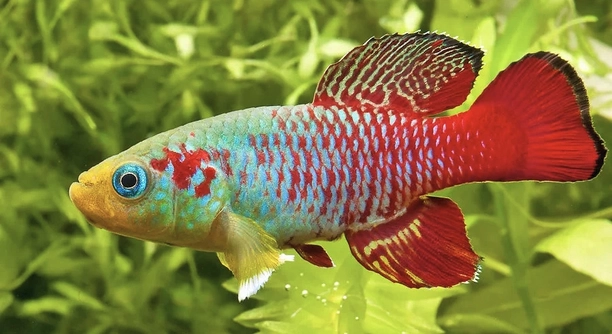
Have you ever found yourself admiring the bright colors of killifish and wondering how long these little swimmers actually live?
Killifish typically live for 2 to 3 years in captivity, though some species, particularly annual varieties, may only live for a few months due to their natural life cycle.
Learning about their unique lifespan can help you make better choices in care, from tank setup to daily maintenance.
Factors That Affect a Killifish’s Lifespan
Killifish lifespans can vary depending on species, habitat conditions, and overall care. Annual killifish, which come from temporary pools in the wild, are biologically adapted to live short lives—typically just a few months. On the other hand, non-annual species tend to live longer, often reaching two to three years when properly cared for. Water quality plays a major role in their health. Clean, stable water conditions and consistent temperatures help reduce stress and prevent disease. A balanced diet also supports longer life. Feeding high-quality flakes, frozen foods, or live foods can provide the nutrients they need. Tank mates matter, too—aggressive or overly active fish can stress out killifish, shortening their lifespan. Gentle handling, regular tank maintenance, and a calm environment are important. The better the conditions, the more likely your killifish will live to its full potential.
Some killifish may outlive their expected lifespan when raised in ideal conditions.
It’s also important to consider their breeding habits. Annual species lay eggs in dry substrate and die shortly after, while their eggs wait for the next rainy season. This adaptation limits how long they live regardless of care. Non-annual species, however, do not face this limit. They live in permanent water sources and can reproduce multiple times. If you’re keeping these types, maintaining water quality and providing hiding spaces for breeding can support both adult and fry health. Avoid overfeeding, as this can lead to poor water conditions. Feeding small portions twice a day is typically best. Watch for signs of illness or stress like faded color, lack of activity, or loss of appetite. Addressing these signs early can improve survival. Each species has its own needs, so reading up on the specific type you own can make a big difference in how long they thrive.
How to Support a Longer Life
Proper care starts with the basics—clean water, a steady temperature, and a quiet tank free of aggressive fish.
A longer-living killifish benefits most from stable living conditions. Keep your tank between 72–75°F for most species, and use a heater if your home drops below that range. Perform partial water changes weekly to keep nitrate levels down. Avoid using untreated tap water, as chlorine and other chemicals can be harmful. Instead, use a water conditioner to make it safe. A planted tank helps mimic their natural habitat and lowers stress. When choosing food, opt for high-protein options like brine shrimp or daphnia, which are closer to what they eat in the wild. Offer variety to avoid nutritional gaps. Use a soft sponge filter to avoid strong currents, which can wear down small fish. Also, observe them regularly—daily check-ins make it easier to notice changes. Small efforts like these can lead to better health and a longer life for your killifish.
Common Mistakes That Shorten Their Lifespan
Overfeeding is a common issue that quickly affects killifish health. Uneaten food breaks down in the tank, which lowers water quality and increases stress. This weakens their immune system and can lead to illness or even a shorter life.
Inconsistent water changes are another mistake. Dirty water builds up harmful chemicals like ammonia and nitrates, which can be toxic. Many killifish suffer from poor water conditions without showing symptoms until it’s too late. Another issue is choosing the wrong tank mates. Larger or more active fish often bully killifish, leading to injuries or constant stress. A stressful tank environment affects their health quickly. It’s also easy to forget to check water temperature regularly. Fluctuating temperatures, especially in homes without a heater, can weaken them over time. Avoiding these mistakes is one of the best ways to help them live longer, healthier lives.
Overcrowding is often overlooked but plays a major role in killifish health. A small tank with too many fish leads to stress and faster waste buildup. Even peaceful tank mates can be too much if space is limited. A general rule is one inch of fish per gallon, but less is often better for killifish. Overstocked tanks also make it harder to keep water stable. More fish means more feeding, more waste, and more work to keep conditions right. For a single killifish or a small pair, a five-gallon tank works well. Add gentle filtration and live plants for cover, and avoid frequent rearranging of decor. They prefer calm, predictable setups. Keeping things simple and spacious gives them room to swim and rest comfortably without unnecessary stress.
Differences Between Annual and Non-Annual Killifish
Annual killifish are adapted to live in temporary water bodies. Their short lifespan, often just a few months, is a natural part of their cycle. Even with good care, they won’t live longer than their biology allows.
Non-annual killifish are better suited for long-term home aquariums. They come from more stable environments like streams or permanent pools and can live up to three years with proper care. These species don’t need to rush through life the way annual types do. They also tend to breed more gradually, giving you more time to manage fry. If you want to enjoy your fish longer, go for non-annual types like Aphyosemion or Fundulopanchax. They still need good water quality, a varied diet, and stable temperatures, but they are more forgiving and easier to care for over time. Just remember, each species has its own needs, so always research the one you plan to keep.
Signs Your Killifish Is Aging
Older killifish often become less active. You may notice them spending more time resting near the bottom or hiding among plants. Their colors can fade slightly, and they might not respond as quickly to feeding or movement outside the tank.
Appetite changes are also common. An aging killifish may eat less or show interest in only certain foods. Their swimming might become slower or less coordinated. These signs don’t always mean illness—they often appear naturally as the fish reaches the end of its lifespan.
When to Consider a Separate Tank
If your killifish shows signs of stress, illness, or aging, moving it to a separate tank can help. A smaller, calm setup reduces outside stress and allows you to monitor behavior and feeding more closely. It’s especially useful when treating health issues or giving older fish a quiet space to rest. Keep the water parameters close to their original tank to avoid shock. Use soft lighting and include a few plants or hiding spots for comfort. This small change can improve their daily life and make care easier for you.
Final Thought on Lifespan
Understanding their natural limits helps you focus on giving them the best care possible, no matter how long they live.
FAQ
How long do killifish usually live?
Killifish lifespans vary by species. Most non-annual killifish live between two and three years with proper care. Annual killifish, adapted to seasonal pools, live only a few months, often four to six. Their lifespan is tied closely to their natural environment and reproductive cycle.
What causes killifish to have a short lifespan?
The primary reasons include species biology, poor water quality, and stress. Annual killifish naturally have a short life due to their environment. In captivity, bad water conditions like high ammonia or nitrate levels can shorten any killifish’s life. Stress from overcrowding, aggressive tank mates, or sudden changes also impacts their health.
Can diet affect how long killifish live?
Yes, diet is important. A varied diet rich in protein helps maintain health and vitality. High-quality flakes, frozen foods, and live foods like brine shrimp or daphnia provide necessary nutrients. Feeding too much or too little can cause health problems, so balanced portions twice a day work best.
Do tank conditions influence killifish lifespan?
Absolutely. Clean water with stable temperature and pH is essential. Weekly partial water changes prevent toxin buildup. Most killifish prefer water temperatures between 72°F and 75°F. Avoid strong currents and provide hiding places. Consistent, calm conditions help reduce stress and support a longer life.
How can I tell if my killifish is getting old?
Older killifish usually show slower swimming, less interest in food, and faded colors. They may hide more and become less active. These changes are normal but can also indicate illness, so watch carefully for other symptoms like clamped fins or lethargy.
Should I separate older killifish from others?
Separating older or sick killifish can reduce stress and improve care. A quiet tank with similar water conditions and gentle lighting helps recovery. It also allows closer monitoring of feeding and health. This is especially helpful if treating illness or managing age-related decline.
Are there specific killifish species that live longer?
Non-annual species, such as Aphyosemion and Fundulopanchax, tend to live longer—often two to three years or more. Annual species like Nothobranchius have shorter lives, adapted to their temporary habitats. Choosing a species suited to your care routine can impact how long your fish thrive.
How often should I change the water for my killifish?
Weekly partial water changes of about 20–30% are recommended. This keeps ammonia and nitrate levels low and removes waste. Frequent small changes are better than occasional large ones, which can stress the fish. Always use a water conditioner to treat tap water before adding it to the tank.
Can killifish live with other fish?
Killifish can coexist with peaceful, small tank mates if space allows. Avoid aggressive or overly active species, as they cause stress and injuries. Some killifish prefer to be kept alone or in pairs. Research the specific species’ temperament before adding tank mates.
Do killifish need special lighting or plants?
Soft lighting and live plants create a natural environment that reduces stress. Plants provide hiding spots, which killifish appreciate. Avoid bright, harsh lights, which can cause discomfort. Simple planted setups with gentle filtration work best for their well-being.
What are common health issues that affect killifish lifespan?
Poor water quality often leads to fungal and bacterial infections. Stress increases susceptibility to diseases. Signs include white spots, frayed fins, or swollen bodies. Early detection and treatment are key. Keeping water clean and stable is the best prevention.
Is breeding killifish difficult?
Breeding annual killifish requires special conditions, such as dry substrate for eggs. Non-annual species breed more easily in home tanks with stable water. However, raising fry demands attention to water quality and feeding. Successful breeding can be rewarding but requires extra care.
Can stress shorten a killifish’s life?
Yes, stress is a major factor. Causes include overcrowding, incompatible tank mates, poor water, and sudden changes. Stress weakens their immune system and makes them prone to illness. Keeping a calm, stable environment reduces stress and supports a healthy lifespan.
How do I choose the right tank size for killifish?
A tank of at least five gallons is recommended for a pair or single killifish. Larger tanks are better if you keep multiple fish or other species. More space means less stress and easier water maintenance. Always avoid overcrowding to promote longevity.
Are there signs that my killifish is sick?
Common signs include loss of appetite, faded color, clamped fins, abnormal swimming, and lethargy. Early recognition allows prompt treatment. Maintaining good water quality and minimizing stress helps prevent illness. When in doubt, isolate the fish and monitor closely.
Understanding the lifespan of a killifish helps set realistic expectations for anyone caring for these unique fish. Their lives vary greatly depending on the species, with some living only a few months and others reaching up to three years or more. This difference mainly comes down to whether they are annual or non-annual killifish. Annual killifish are built for quick life cycles tied to seasonal changes in the wild. They grow fast, breed, and pass on their eggs before their temporary home dries up. Non-annual killifish, on the other hand, come from more stable environments and have longer, steadier lifespans. Knowing this helps you prepare for the right kind of care and commitment needed for the type of killifish you keep.
Proper care is the key to helping your killifish live out their natural lifespan comfortably. Clean water and stable tank conditions are essential. Weekly water changes and maintaining a steady temperature help reduce stress and keep them healthy. Feeding them a varied diet with protein-rich foods supports their energy and growth. It is also important to avoid overcrowding and choose peaceful tank mates if you keep other fish. Stress and poor water quality are common causes that shorten killifish lifespans. Simple steps like keeping the tank clean, providing hiding spots, and monitoring their behavior daily can make a big difference in their well-being.
Although killifish may have naturally short lifespans compared to other aquarium fish, they bring a lot of enjoyment with their bright colors and interesting behavior. Accepting their life cycle and focusing on quality care will help you provide the best environment possible. Watching a killifish thrive in a calm, well-kept tank is rewarding. Each moment with them counts, so paying attention to their needs and adjusting care as they age is important. Whether your killifish lives a few months or a few years, supporting their health and comfort throughout their life is what really matters.

Hello,
If you enjoy the content that we create, please consider saying a "Thank You!" by leaving a tip.
Every little bit helps us continue crafting quality advice that supports the health, happiness, and well-being of pets around the world, for pets of all shapes, sizes, and species.
We really appreciate the kindness and support that you show us!