
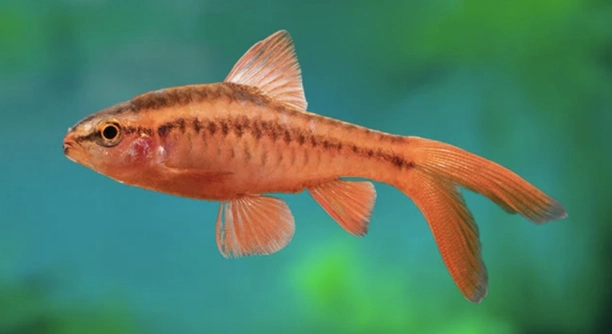
Cherry Barbs are a popular choice for fish enthusiasts due to their vibrant color and peaceful nature. These small freshwater fish make great additions to community aquariums, and many aquarium owners wonder how long they can expect their Cherry Barbs to live.
The lifespan of a Cherry Barb typically ranges from 3 to 5 years when provided with optimal care, including proper water conditions, a balanced diet, and a stress-free environment.
Understanding how to maintain a healthy environment for your Cherry Barbs can significantly impact their lifespan. Knowing the factors that influence their longevity will help you ensure they thrive in your aquarium for years to come.
Factors That Influence the Lifespan of a Cherry Barb
The lifespan of your Cherry Barb can be influenced by various factors. Water quality plays a major role in their health. If the water is too warm or not properly filtered, it can lead to stress or disease. Water temperature should stay between 74°F and 79°F, with regular water changes to keep toxins at bay. A clean, well-maintained tank helps prevent common issues like bacterial infections, which can cut their life short. Cherry Barbs also thrive in slightly acidic to neutral water with a pH between 6.0 and 7.5.
Proper diet is another important factor in their longevity. A varied diet consisting of high-quality flakes, pellets, and occasional live food helps ensure they receive the right nutrients. Overfeeding or feeding low-quality food can lead to obesity and health issues that may shorten their lifespan. Keep in mind that feeding them only once or twice a day will help maintain a balanced routine.
Providing your Cherry Barbs with a peaceful environment is also crucial. Avoid overcrowding the tank, as too many fish can lead to competition for food and space. Cherry Barbs are social but prefer to be in groups of at least six. Incompatible tank mates may also cause stress and harm. A calm and stress-free environment is key to their health.
Common Health Issues That Affect Cherry Barb Lifespan
Cherry Barbs are relatively hardy, but they are still susceptible to a few health problems. Among the most common are fin rot and external parasites. These conditions can develop if the water quality is not maintained properly. Regular water changes and monitoring the tank’s temperature and pH are essential to prevent these problems.
In addition to regular maintenance, ensuring that your Cherry Barbs have the right tank mates can reduce stress. Aggressive fish can cause injury or disease, weakening their immune system. To avoid this, always research potential tank mates before introducing them to the aquarium.
When cared for properly, Cherry Barbs can live long, healthy lives. Monitoring their health regularly and keeping the environment stable can reduce the chances of developing health problems.
Tank Size and Environment for Cherry Barbs
A proper tank size is essential for maintaining Cherry Barbs’ health. They require at least a 20-gallon tank for a small group. This provides enough swimming space, helping reduce stress. Larger tanks allow for a more stable environment, ensuring better water conditions.
Cherry Barbs are active swimmers but also enjoy hiding among plants and decorations. It’s important to replicate their natural habitat with live plants and smooth rocks. A well-planted tank provides hiding spots that reduce stress and give them places to explore. Keep the tank lid secure, as these fish can jump.
Adding a filter to keep the water clean and a heater to maintain a stable temperature is crucial. A filter ensures that the water remains clear, reducing harmful substances. Regularly check the filter to ensure it’s working properly. Maintaining a steady temperature is also essential for their well-being. Avoid sudden temperature fluctuations, as these can stress the fish and reduce their lifespan.
Proper Diet for Cherry Barbs
A balanced diet ensures that your Cherry Barbs remain healthy and thrive. Feed them a mix of high-quality pellets or flakes, supplemented with live or frozen foods like brine shrimp or daphnia. This variety helps keep them well-nourished and satisfied.
Overfeeding is a common issue that can lead to obesity, which affects their overall health. Only feed them what they can consume within a few minutes, once or twice a day. Uneaten food left in the tank can cause water quality to decline, leading to potential health problems.
It’s also important to avoid feeding them the same food every day. A varied diet prevents nutritional deficiencies and keeps them engaged during feeding. When choosing food, look for options that offer essential vitamins and minerals to maintain their vibrant color and energy levels. Healthy eating habits will ensure your Cherry Barbs live a long life.
Water Quality and Regular Maintenance
Maintaining good water quality is one of the most important aspects of keeping Cherry Barbs healthy. Regular water changes help keep harmful substances at bay, ensuring your fish remain vibrant and active. It’s recommended to change 25-30% of the water weekly to avoid buildup of toxins.
Testing the water regularly for ammonia, nitrites, and nitrates is also necessary to ensure the environment remains stable. Cherry Barbs thrive in slightly acidic to neutral water with a pH of 6.0-7.5. Additionally, make sure the water temperature stays between 74°F and 79°F to avoid stress or illness.
Tank Mates for Cherry Barbs
Cherry Barbs are peaceful fish that do best in a community tank with other calm species. Avoid keeping them with aggressive or territorial fish, as this can lead to stress and health problems. Good tank mates include peaceful tetras, rasboras, and catfish.
Ensure that all the fish in the tank are similar in size to avoid predation. When selecting tank mates, research the behavior of each species to ensure compatibility. Peaceful companions will allow your Cherry Barbs to thrive and reduce the risk of aggression and injury.
Signs of Stress or Illness
When Cherry Barbs are stressed or sick, they may display physical signs like faded color, sluggish movement, or hiding more than usual. Early intervention is crucial to prevent the issue from worsening. Keep an eye on their behavior to catch problems early.
Regularly check for signs like clamped fins or abnormal swimming patterns. If any symptoms arise, investigate the water quality and tank conditions. Acting quickly can help keep your Cherry Barbs healthy and prevent the spread of disease.
FAQ
How long do Cherry Barbs live?
Cherry Barbs typically live between 3 to 5 years, but their lifespan can be influenced by various factors, such as water quality, diet, tank conditions, and overall care. Providing them with a stress-free environment and maintaining proper water parameters can help them reach the higher end of this lifespan.
What should I feed my Cherry Barbs?
Cherry Barbs do well on a varied diet, which should include high-quality flake or pellet food, supplemented with occasional live or frozen food like brine shrimp, daphnia, or bloodworms. Feeding them once or twice a day is ideal, and it’s important not to overfeed them, as this can lead to health issues. A variety of foods will also help keep them healthy and vibrant.
Can Cherry Barbs live with other fish?
Yes, Cherry Barbs are peaceful fish that can live in a community tank with other calm species. It’s best to avoid housing them with aggressive fish that might cause stress or harm. Good tank mates include species like tetras, rasboras, and small catfish. Always ensure that any tank mates are similar in size and temperament to prevent conflicts.
What size tank do Cherry Barbs need?
A minimum of a 20-gallon tank is recommended for Cherry Barbs. A larger tank will provide them with more space to swim and establish territories, reducing stress. The tank should be well-planted with hiding spots to help them feel secure. A bigger tank also helps maintain stable water conditions, which is crucial for their health.
What temperature is best for Cherry Barbs?
Cherry Barbs thrive in water temperatures ranging from 74°F to 79°F (23°C to 26°C). Keeping the water within this range helps prevent stress, which can negatively affect their lifespan. Use a heater to maintain a consistent temperature, as sudden fluctuations can lead to health problems.
What water conditions do Cherry Barbs need?
Cherry Barbs do best in slightly acidic to neutral water, with a pH range of 6.0 to 7.5. Regular water changes are important to maintain good water quality and remove harmful toxins. It’s essential to keep ammonia and nitrites at zero and monitor nitrate levels to ensure the tank remains healthy.
How do I keep my Cherry Barbs from getting sick?
To keep your Cherry Barbs healthy, maintain good water quality by doing regular water changes, testing the water parameters, and ensuring the tank is clean. Feed them a balanced diet, avoid overcrowding, and make sure they have peaceful tank mates. Regularly check for signs of stress or illness, such as faded color, abnormal swimming, or clamped fins.
Can Cherry Barbs jump out of the tank?
Yes, Cherry Barbs are known to jump, especially if they feel stressed or overcrowded. It’s essential to keep the tank covered with a lid to prevent them from jumping out. A tight-fitting lid will also help maintain the tank’s temperature and prevent escape.
What are the signs that my Cherry Barbs are stressed?
Stressed Cherry Barbs may display signs such as faded or dull colors, hiding more than usual, or swimming erratically. They may also show signs of aggression toward other fish or exhibit a decrease in appetite. Stress can be caused by poor water quality, overcrowding, or incompatible tank mates.
Do Cherry Barbs need a filter?
Yes, a filter is essential for maintaining good water quality in your tank. It helps remove toxins, excess food, and debris, which can otherwise cause water quality issues and stress for your Cherry Barbs. A filter will also help oxygenate the water, providing a healthier environment for your fish.
How often should I do water changes for my Cherry Barbs?
It’s recommended to change 25-30% of the water in your Cherry Barb tank every week. This helps remove waste products and prevents the buildup of harmful substances like ammonia and nitrates. Regular water changes also help maintain stable water parameters, which are crucial for their overall health.
What are the best tank decorations for Cherry Barbs?
Cherry Barbs enjoy a tank with plenty of plants, smooth rocks, and driftwood to hide and explore. Plants provide hiding spots and create a more natural environment. Make sure to choose plants that won’t damage their fins. A few decorations can also give your Cherry Barbs a sense of security and reduce stress.
Why is my Cherry Barb’s color fading?
Fading color can be a sign of stress, poor water quality, or illness. If your Cherry Barb’s color is dulling, check the water parameters and ensure that the tank is clean. Stress from aggressive tank mates or overcrowding can also cause this. In some cases, a poor diet or lack of variety in food can lead to loss of vibrancy.
How can I tell if my Cherry Barb is healthy?
A healthy Cherry Barb should have vibrant colors, clear eyes, and active, steady swimming behavior. They should be social with other peaceful fish and not hide excessively. If they’re eating well and swimming normally, they’re likely in good health. Keep an eye on their behavior to detect any issues early.
Final Thoughts
Cherry Barbs are relatively easy to care for and make a great addition to most community tanks. Their small size, peaceful nature, and vibrant colors are some of the reasons they’re so popular among aquarium owners. With the right care and attention, they can live up to 5 years, bringing life and color to your tank. Regular water changes, a balanced diet, and a stress-free environment are the main factors in ensuring their health and longevity. It’s important to keep their tank clean and monitor water parameters to prevent common issues like disease or poor water quality.
While Cherry Barbs are hardy, they still require a bit of attention to thrive. Maintaining a stable tank environment is key to their well-being. Their water temperature should be consistent, and water conditions should stay within the recommended pH range. Overcrowding can cause stress, so it’s best to keep them in groups of six or more and with peaceful tank mates. Regular observation will help you spot any potential health issues early, allowing you to address them before they become serious problems. Ensuring they have enough space to swim and hiding spots to feel safe will also make a big difference.
Overall, Cherry Barbs are low-maintenance, colorful fish that are well-suited for beginners and experienced aquarium keepers alike. They can live harmoniously with a variety of other species, as long as their tankmates are also peaceful. By providing them with the proper care, diet, and environment, you can enjoy the beauty of these fish for several years. Their active, yet calm nature makes them an excellent choice for any freshwater tank, and they’ll thrive in a well-maintained, peaceful aquarium.

Hello,
If you enjoy the content that we create, please consider saying a "Thank You!" by leaving a tip.
Every little bit helps us continue crafting quality advice that supports the health, happiness, and well-being of pets around the world, for pets of all shapes, sizes, and species.
We really appreciate the kindness and support that you show us!