
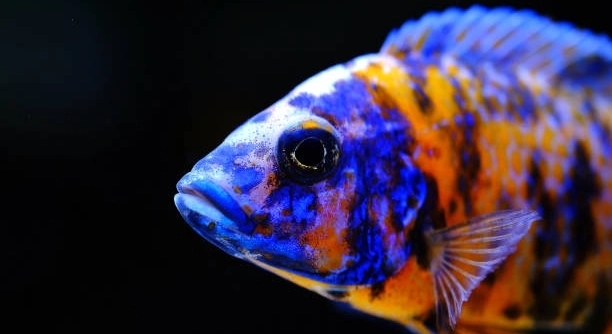
Convict cichlids are colorful and lively fish that many aquarium owners enjoy keeping. These freshwater fish thrive best when their tank environment closely matches their natural habitat, including water conditions like temperature and pH.
The ideal pH for convict cichlids ranges between 6.5 and 8.0. Maintaining this pH level ensures their health, supports proper digestion, and encourages breeding behavior, creating a stable environment that mimics their natural freshwater habitats.
Maintaining the right water conditions goes beyond just pH levels. Small changes can affect their behavior, growth, and overall well-being.
Understanding pH and Its Importance
Water pH measures how acidic or alkaline it is, which directly affects convict cichlids’ health. Fish are sensitive to sudden changes, and maintaining the right pH prevents stress and illness. In their natural habitats, these fish live in rivers and lakes with slightly alkaline to neutral water. A tank that is too acidic can damage their gills and weaken their immune system. Conversely, highly alkaline water can interfere with reproduction and overall activity. Regular testing helps you monitor fluctuations and take timely action. Using buffers or natural additives like crushed coral can stabilize pH. It is also important to avoid overcleaning the tank, which may disrupt natural water chemistry. Filtration and partial water changes keep the environment balanced. Observing the fish’s behavior can indicate if water conditions are off. Active, feeding, and colorful fish usually show that the pH and overall water conditions are appropriate.
Monitoring pH requires consistent testing at least once a week to ensure stability.
Consistent pH levels make convict cichlids more active and encourage breeding. Stable water chemistry helps them adapt better to the aquarium environment. Changes in pH can cause stress, reducing appetite or making fish more susceptible to disease. Proper management of tank water, along with regular observation, ensures convict cichlids remain healthy, vibrant, and behave naturally.
Adjusting pH in a Convict Cichlid Tank
Adjusting pH should be done slowly to avoid shocking the fish.
If the water is too acidic, adding crushed coral or baking soda gradually raises pH. For overly alkaline water, peat moss or reverse osmosis water can lower it safely. It is important to make changes incrementally, testing daily to track progress. Quick shifts can stress or harm fish. Proper filtration and aeration support natural chemical balance, while partial water changes prevent sudden swings. Patience and careful observation are key, as convict cichlids thrive in a consistent environment.
In addition to chemical adjustments, the tank setup can influence pH naturally. Using substrates like sand or gravel, and including driftwood or rocks, can subtly alter water chemistry over time. Feeding habits also play a role, as leftover food and waste can acidify the water if not removed promptly. Maintaining plants in the tank helps stabilize pH by absorbing excess nutrients and producing oxygen. Every small detail, from water source to tank decorations, contributes to a balanced environment. By combining careful monitoring, gradual adjustments, and thoughtful tank setup, you create a stable home that supports growth, breeding, and overall well-being of convict cichlids.
Signs of pH Stress in Convict Cichlids
Convict cichlids show stress when pH is off. Symptoms include hiding, loss of appetite, and dull coloration. Aggression can also increase, especially during breeding. Watching behavior closely helps detect problems early and maintain a healthy tank.
Stress from improper pH can lead to weakened immune systems and increased vulnerability to diseases. Fish may stop eating or swim erratically, which indicates discomfort in their environment. Repeated exposure to unstable pH can stunt growth and affect reproductive behavior. Observing changes in activity and appearance provides valuable insight into water conditions and helps prevent long-term health issues in the tank.
Behavioral changes are strong indicators of water problems. Convict cichlids that suddenly act lethargic or overly aggressive are often responding to chemical imbalances. Adjusting pH gradually while monitoring these behaviors ensures the fish return to normal activity levels. Regular observation complements testing equipment, giving a fuller picture of tank health and allowing you to respond before problems escalate.
Maintaining pH Stability Over Time
Regular testing and gradual adjustments prevent sudden pH swings. Small, consistent changes are better than large corrections.
Stable pH depends on careful tank management. Using buffers, partial water changes, and appropriate substrates helps maintain equilibrium. Avoid overfeeding, as leftover food can alter water chemistry. Keeping a consistent filtration system reduces fluctuations and supports overall water quality. Natural decorations like rocks or driftwood can slowly influence pH, providing a more stable environment. Tracking results over time allows you to notice trends and address minor shifts before they become harmful.
Long-term stability comes from combining monitoring, careful feeding, and incremental chemical adjustments. Convict cichlids thrive in conditions that closely resemble their natural habitat. By creating predictable routines for water testing, tank maintenance, and observation, you reduce stress on the fish and support healthy growth, coloration, and reproduction. Paying attention to both subtle behavioral changes and chemical readings ensures the tank remains balanced. Over months, these small efforts establish a reliable environment, minimizing risk and promoting overall well-being of the fish.
Tools for Measuring pH
Reliable test kits are essential for monitoring pH accurately. Liquid test kits or digital meters provide clear readings, helping you keep the tank stable and avoid sudden chemical shifts.
Regular testing ensures convict cichlids remain healthy. Test at least once a week, more often during water changes or after adding new decorations or fish.
Common Factors That Affect pH
Substrates, decorations, and water source all influence pH levels. Natural rocks or driftwood can slowly raise or lower pH. Overfeeding and leftover food produce acids, while filtration and aeration help balance water chemistry. Temperature changes also cause minor pH shifts, requiring careful monitoring.
Safe Methods to Adjust pH
Gradual changes are safest for fish. Adding small amounts of baking soda raises pH, while peat moss or reverse osmosis water lowers it. Avoid rapid shifts to prevent stress and health issues in convict cichlids.
FAQ
What is the best pH range for convict cichlids?
The ideal pH range for convict cichlids is between 6.5 and 8.0. Staying within this range ensures their metabolism, digestion, and overall health function properly. Tanks outside this range can cause stress, reduce appetite, and affect breeding behavior. Consistent monitoring is key to maintaining stability.
How often should I test the pH of my tank?
Testing should be done at least once a week. More frequent checks are necessary after water changes, adding new fish, or introducing decorations that can influence pH. Regular testing helps prevent sudden shifts that could harm the fish. Using a reliable test kit or digital meter ensures accurate readings.
What causes pH fluctuations in a convict cichlid tank?
pH changes are caused by several factors. Substrates like sand, gravel, and rocks can alter water chemistry over time. Organic matter such as leftover food or decaying plants releases acids. Water source and temperature changes also contribute. Filtration, aeration, and gradual maintenance help reduce fluctuations.
Can I adjust pH quickly if it is too high or low?
Rapid adjustments are not safe. Quick changes can stress fish, cause illness, or even lead to death. Always adjust pH gradually using small amounts of buffers, baking soda, peat moss, or reverse osmosis water. Make changes over several hours or days while monitoring closely.
Do decorations and tank materials affect pH?
Yes. Driftwood tends to lower pH slightly, while limestone and certain rocks can raise it. Substrates can slowly alter water chemistry over time. Choosing natural materials and monitoring their impact ensures a more stable environment for convict cichlids.
Can diet influence pH levels?
Indirectly, yes. Overfeeding or allowing food to decay in the tank increases acidity. This can lower pH over time, creating an unbalanced environment. Feeding measured amounts and promptly removing leftovers helps maintain proper water chemistry.
What are signs of pH stress in convict cichlids?
Fish may hide more, lose appetite, or become aggressive. Colors can fade, and breeding behavior may stop. Erratic swimming or lethargy also signals stress. Observing behavior alongside regular water testing helps catch pH problems early.
Are water conditioners necessary for maintaining pH?
Water conditioners can help neutralize harmful chemicals and stabilize pH, especially in tap water. While not always required, they make it easier to maintain consistent levels. Combining conditioners with regular testing and careful water changes creates a safer environment for convict cichlids.
How can I keep pH stable long-term?
Consistency is essential. Use buffers, maintain proper filtration, avoid overfeeding, and monitor water chemistry weekly. Gradual adjustments are safer than large corrections. Substrates, decorations, and plants contribute to stability, so selecting them carefully supports long-term balance.
Can pH affect breeding in convict cichlids?
Yes. Stable pH within the ideal range encourages spawning and successful fry development. Sudden shifts or extremes in acidity or alkalinity can reduce fertility, affect egg viability, and stress breeding pairs. Maintaining consistent water conditions increases the likelihood of successful reproduction.
Is tap water safe for convict cichlids?
Tap water can be safe if treated properly. Chlorine or chloramine must be neutralized, and pH should be tested. Using conditioners or letting water sit before adding it to the tank helps protect the fish. Regular testing ensures pH remains in the ideal range.
What is the simplest way to raise or lower pH?
To raise pH, small amounts of baking soda or crushed coral work well. To lower pH, peat moss or reverse osmosis water is effective. Always make changes slowly and test daily to prevent stress. Combining these methods with proper tank management ensures stability.
How do temperature changes affect pH?
Higher temperatures can slightly increase pH, while cooler water may decrease it. Sudden shifts can stress fish, so maintaining consistent tank temperature supports stable water chemistry. Monitoring both temperature and pH together helps avoid unexpected problems.
Can plants help stabilize pH?
Yes. Live plants absorb excess nutrients and produce oxygen, which can reduce chemical fluctuations. They also provide shelter and reduce stress for convict cichlids. Choosing hardy, low-maintenance plants supports both water stability and fish health.
What should I do if pH suddenly drops or rises?
Identify the cause, such as new decorations, decaying food, or water source changes. Adjust slowly using appropriate methods, test frequently, and observe the fish. Maintaining a gradual approach prevents stress and ensures the convict cichlids recover safely.
Are digital meters better than liquid test kits?
Digital meters provide quick readings and can be more precise, but they require calibration and maintenance. Liquid test kits are affordable and reliable when used correctly. Using either method consistently ensures accurate monitoring of pH levels.
Can frequent water changes affect pH?
Yes, especially if the replacement water has a different pH. Always test new water before adding it to the tank. Gradual changes prevent stress, and partial water changes help maintain long-term stability without shocking the fish.
How long does it take for pH adjustments to stabilize?
It depends on the method used and tank size. Gradual adjustments can take hours to days. Constant monitoring is necessary until readings remain steady. Patience is critical, as convict cichlids are sensitive to sudden changes.
What is the relationship between hardness and pH?
Water hardness affects pH stability. Hard water resists pH changes, while soft water is more prone to fluctuations. Measuring both parameters helps maintain a balanced environment. Buffers and substrates can compensate for variations and keep convict cichlids healthy.
Can extreme pH levels kill convict cichlids?
Yes. pH below 6.0 or above 9.0 is dangerous and can cause organ damage, stress, and death. Maintaining the recommended range of 6.5 to 8.0 ensures safety and long-term health for the fish.
How do I combine pH management with other water parameters?
pH should be balanced alongside temperature, hardness, and ammonia levels. Filtration, aeration, and proper feeding all contribute to stable water conditions. Monitoring multiple parameters together provides a complete picture of tank health and helps prevent issues before they become serious.
What are safe natural ways to stabilize pH?
Crushed coral, limestone, driftwood, and peat moss are natural options. They adjust pH slowly and safely. Combining these with live plants, careful feeding, and proper filtration creates a balanced environment without relying solely on chemicals.
Can improper pH affect coloration?
Yes. Fish in unstable or extreme pH may lose brightness and appear dull. Stable water chemistry supports vibrant coloration, healthy skin, and normal behavior. Monitoring pH ensures convict cichlids maintain their natural, striking appearance.
Is it okay to mix convict cichlids with other species if pH differs?
Only if all species share a compatible pH range. Differences in tolerance can cause stress, aggression, or illness. Careful research and testing are essential before introducing new fish to a shared tank.
How important is observation in pH management?
Observation is as important as testing. Changes in behavior, appetite, or color often indicate water issues. Combining visual cues with regular pH measurements ensures prompt action, keeping convict cichlids healthy and stress-free.
Can pH affect feeding habits?
Yes. Fish in unstable water may eat less or refuse food. Stable pH encourages normal appetite, growth, and energy levels. Maintaining consistent conditions ensures convict cichlids remain active and healthy.
Are there long-term effects of ignoring pH?
Ignoring pH can lead to chronic stress, weakened immunity, stunted growth, poor coloration, and reproductive issues. Over time, fish become more prone to disease and premature death. Regular management prevents these outcomes and ensures a thriving aquarium environment.
How do I choose the right test kit?
Select a kit suitable for freshwater tanks and easy to read. Accuracy, ease of use, and reliability are key factors. Comparing reviews and testing a small sample before full use ensures confidence in monitoring water quality.
Can using RO (reverse osmosis) water help with pH control?
Yes. RO water provides a neutral base that allows controlled pH adjustments. It is especially useful for soft water setups. Mixing with tap water or adding buffers helps achieve the ideal range safely.
What is the safest way to lower pH naturally?
Adding peat moss, driftwood, or using RO water gradually lowers pH. Changes should be small and monitored daily. Sudden adjustments can cause stress and health problems in convict cichlids.
How often should I clean the tank to maintain stable pH?
Partial cleaning and water changes should occur weekly or biweekly. Overcleaning can disrupt natural chemistry, while neglect allows acids to build up. Balance cleaning with observation and testing to maintain stability.
Do breeding pairs need different pH management?
Yes. Breeding pairs are more sensitive to fluctuations. Maintaining stable pH encourages spawning and fry survival. Sudden changes can prevent eggs from hatching or cause parents to become aggressive.
Can stress from pH changes be reversed?
Yes, if detected early. Gradual adjustments and stable conditions help fish recover. Observation and patience are essential to ensure full return to normal behavior, appetite, and coloration.
Are there any long-term benefits to maintaining proper pH?
Stable pH supports overall health, vibrant coloration, active behavior, successful breeding, and longevity. It reduces disease risk and creates a predictable, low-stress environment for convict cichlids, allowing them to thrive naturally over time.
How do I balance pH with other chemical additives?
Introduce additives gradually and test frequently. Some chemicals interact with pH, so understanding their effects is important. Combining careful observation, testing, and gradual adjustments ensures a safe and stable environment.
What mistakes should be avoided when managing pH?
Avoid sudden changes, overcorrecting, neglecting testing, overfeeding, and ignoring tank decorations’ effects. Consistency, patience, and careful monitoring are key to maintaining safe and healthy conditions for convict cichlids.
Can I use pH adjusters from other fish types?
Only if labeled safe for freshwater and compatible with convict cichlids. Some chemicals may harm sensitive species. Always follow instructions carefully and monitor fish behavior after use.
How can I prevent pH issues before they start?
Use stable substrates, maintain consistent feeding, perform regular water testing, and choose decorations wisely. Setting up the tank thoughtfully from the beginning reduces problems and supports long-term stability.
Is pH more important than other water parameters?
pH is one of several critical factors. Temperature, ammonia, nitrites, and hardness all impact fish health. Managing pH alongside these parameters provides a complete and balanced environment for convict cichlids to thrive.
Can pH swings cause aggression?
Yes. Unstable water chemistry increases stress, which often triggers aggression. Stable pH reduces tension, encourages normal social behavior, and supports healthy interactions between fish.
What is the easiest way to maintain pH consistency?
Regular testing, gradual adjustments, proper feeding, appropriate substrates, and stable filtration work together to keep pH consistent. Patience and observation are essential for creating a safe, balanced environment.
Are there signs that pH is ideal?
Fish appear active, feed normally, maintain bright coloration, and exhibit breeding behavior. Stable water conditions result in natural, healthy behavior and minimal stress.
Can small tanks affect pH more than large tanks?
Yes. Smaller volumes are more sensitive to changes from waste, water additions, or decorations. Frequent monitoring and careful adjustments are necessary to maintain stability.
Do I need separate tanks for pH-sensitive species?
It depends on compatibility. Mixing species with different pH requirements can stress fish. If ranges differ significantly, a separate tank ensures optimal conditions for all species.
How long does it take to notice improvements after stabilizing pH?
Behavioral changes, increased appetite, and brighter coloration can appear within days. Full recovery, including breeding readiness, may take weeks. Consistency ensures the best results.
Can stress from pH affect immune response?
Yes. Fish under stress from improper pH are more susceptible to disease. Maintaining stable conditions strengthens immunity and supports overall health.
Are natural methods safer than chemical pH adjusters?
Generally, yes. Driftwood, peat moss, and RO water adjust pH gradually. Chemicals work faster but require careful dosing and monitoring to prevent harm.
How do I handle sudden pH changes from tap water?
Test new water before adding it to the tank. Use conditioners or let it sit to neutralize chemicals. Gradual introduction prevents shock and maintains stability.
Can lighting or algae growth affect pH?
Yes. Photosynthesis during light cycles can slightly raise pH, while algae decay can lower it. Balancing light, plants, and cleaning helps maintain stable conditions.
What is the role of filtration in pH stability?
Filtration removes waste and toxins, helping maintain chemical balance. Proper circulation also distributes oxygen, preventing localized pH changes and keeping the tank environment consistent.
Do breeding fry need different pH levels?
Fry are sensitive to pH fluctuations. Maintaining stable water within the ideal range promotes survival, growth, and healthy development. Sudden changes can stunt growth or increase mortality.
How do I safely test pH with multiple fish species?
Test water before and after introducing new species. Ensure all species tolerate the same range. Observing behavior alongside test results confirms compatibility and tank stability.
Can untreated tap water cause long-term pH problems?
Yes. Chlorine, chloramine, and mineral content can alter pH over time. Treating water and monitoring levels prevent long-term chemical imbalances that affect fish health.
Are natural substrates always better for pH stability?
Not always. Some rocks or sand can raise or lower pH. Understanding their chemical impact is important. Using substrates with known properties ensures stability and safety.
Can using aquarium salt affect pH?
In small amounts, salt has minimal effect. Excessive use can slightly alter water chemistry and stress fish. Use only as recommended for freshwater species.
How do I know when pH is fully stabilized after adjustment?
When readings remain consistent over several days and fish behavior is normal, the pH is considered stable. Continue monitoring to ensure long-term balance.
Is it okay to rely only on digital meters?
Meters are convenient but should be calibrated and occasionally verified with liquid tests. Combining methods provides more accurate monitoring.
How do I prevent future pH swings after stabilizing?
Maintain consistent feeding, water changes, filtration, and careful decoration selection. Regular testing and observation prevent surprises and ensure a healthy, stable environment for convict cichlids.
Can stress from pH affect breeding success?
Yes. Fish under stress may delay spawning, abandon eggs, or eat fry. Stable pH encourages normal reproductive behavior and healthy fry development.
Are there signs that pH is too high?
Fish may become lethargic, swim erratically, or show aggression. Colors may dull, and appetite can decrease. Observing behavior alongside tests confirms high pH conditions.
Are there signs that pH is too low?
Hiding, reduced feeding, pale coloration, and stress behaviors indicate low pH. Prompt testing and gradual correction help prevent health problems.
Can long-term pH imbalance affect growth?
Yes. Chronic instability slows growth, reduces energy, and impacts overall development. Maintaining stable pH ensures normal growth rates and healthy adults.
Does water hardness interact with pH management?
Hard water buffers pH naturally, while soft water is more prone to shifts. Understanding both parameters allows better control and long-term stability for convict cichlids.
Are there pH ranges for different life stages of convict cichlids?
Adults, juveniles, and fry thrive within the same 6.5–8.0 range. Fry are more sensitive to fluctuations, so careful monitoring is especially important during early development.
Can tank size influence pH stability?
Larger tanks are more stable due to volume buffering, while small tanks respond quickly to waste, water changes, or additions. Frequent monitoring is essential in smaller setups.
Do water conditioners completely prevent pH problems?
No. Conditioners help neutralize harmful chemicals, but monitoring and gradual adjustments are still necessary to maintain optimal water conditions.
Can substrate layering affect pH?
Yes. Mixing acidic and alkaline substrates can cause slow pH shifts. Understanding material properties and testing water regularly prevents unexpected changes.
How important is patience in pH management?
Patience is critical. Gradual adjustments and consistent observation prevent stress, illness, and long-term health issues. Convict cichlids thrive in stable, predictable conditions created by careful, patient management.
Can natural driftwood or rocks completely replace chemical buffers?
They help but may not fully stabilize pH in all situations. Combining natural materials with careful monitoring and small chemical adjustments ensures optimal water conditions.
How do I know if my adjustments are too fast?
If fish show stress, hide, or stop eating, adjustments may be too rapid. Pause and allow the tank to stabilize before continuing.
Does pH affect territorial behavior?
Yes. Fish under stress from improper pH often become more aggressive and territorial. Maintaining stable conditions reduces conflict and supports normal social interactions.
How long can convict cichlids tolerate slightly off pH?
Short periods may cause minor stress, but prolonged exposure to extreme pH can harm health. Regular monitoring and gradual correction minimize risks.
Are commercial pH stabilizers safe for long-term use?
When used as directed, they are generally safe. Overuse can cause sudden shifts or chemical buildup. Combining with natural methods provides a balanced approach.
Can seasonal water changes affect pH?
Yes. Temperature and water source changes during seasons can slightly shift pH. Testing and gradual adjustments prevent stress and maintain stability year-round.
How do I balance multiple pH adjustment methods?
Use natural methods alongside chemical buffers, adjusting slowly and testing frequently. Observe fish behavior to confirm safety and effectiveness.
Can stress from pH affect color patterns?
Yes. Unstable pH can dull colors or cause uneven patterns. Stable conditions help maintain natural vibrancy and overall health.
How do I prevent overcorrection when adjusting pH?
Add chemicals or natural materials in small amounts, test daily, and stop once readings approach the desired range. Gradual changes prevent stress and long-term problems.
What is the safest daily routine for monitoring pH?
Check levels visually and with a test kit or meter, observe fish behavior, remove leftover food, and perform partial water changes as needed. Consistency ensures long-term stability.
**Can minor
Final Thoughts
Maintaining the proper pH for convict cichlids is essential for their overall health and well-being. These fish thrive in water that is slightly acidic to slightly alkaline, and staying within the recommended range of 6.5 to 8.0 helps support normal behavior, appetite, and coloration. Consistent monitoring of water conditions allows you to detect small changes before they become serious problems. Using reliable test kits or digital meters makes it easier to keep track of pH levels, while observing the fish’s behavior provides additional insight into the tank’s overall health. Fish that are active, eat well, and display vibrant colors generally indicate that the water conditions are stable and appropriate for their needs.
Adjustments to pH should always be done gradually to avoid causing stress or harm. Sudden changes can shock convict cichlids, affecting their immune system and reducing their ability to thrive. There are several ways to safely manage pH, including using natural materials like driftwood, peat moss, and substrates that influence water chemistry. Chemical buffers can also be used, but careful dosing and monitoring are important to avoid overcorrection. Consistency is key, as stable water conditions help the fish grow properly, support breeding behavior, and reduce the risk of illness. Over time, small, careful adjustments combined with regular observation create a healthy, balanced environment that allows convict cichlids to behave naturally and flourish in the aquarium.
Long-term success with convict cichlids depends on a combination of monitoring, tank management, and understanding their needs. Regular partial water changes, proper filtration, and avoiding overfeeding all contribute to maintaining a stable pH and overall water quality. Tank decorations, substrate choices, and plants can subtly influence pH, so selecting them carefully helps create a consistent environment. Observing fish for signs of stress, aggression, or color changes can provide early warnings of potential problems. By staying attentive and proactive, it is possible to maintain a balanced habitat where convict cichlids remain healthy, active, and visually striking. With patience and careful care, you can ensure that these freshwater fish thrive for years in your home aquarium.

Hello,
If you enjoy the content that we create, please consider saying a "Thank You!" by leaving a tip.
Every little bit helps us continue crafting quality advice that supports the health, happiness, and well-being of pets around the world, for pets of all shapes, sizes, and species.
We really appreciate the kindness and support that you show us!