
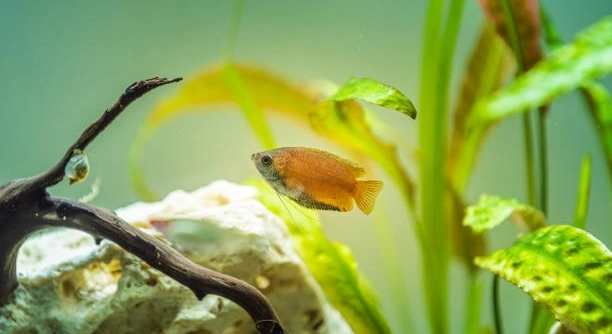
Gouramis are colorful and peaceful fish that many hobbyists enjoy keeping in home aquariums. Proper care is essential to ensure their health, growth, and overall happiness in a tank environment. Lighting plays an important role in their well-being.
The ideal light cycle for gouramis consists of 10 to 12 hours of light followed by 12 to 14 hours of darkness. Consistent lighting supports natural behavior, regulates biological rhythms, and prevents stress or health issues in these freshwater fish.
Maintaining the right lighting schedule helps gouramis thrive while keeping the aquarium environment balanced and healthy. This simple adjustment can make a significant difference in their daily life.
How Light Affects Gourami Behavior
Gouramis rely on light to maintain their daily routines, including feeding, swimming, and resting. Too much light can cause stress, making them hide or act skittish, while too little light can slow their activity and reduce appetite. Balanced lighting helps establish normal behavior patterns and encourages natural interactions with their environment. It also supports the growth of beneficial algae, which can be a minor food source and contribute to a stable ecosystem in the tank. Changes in lighting can be disruptive, so keeping a regular schedule is key. Gouramis may become more aggressive or lethargic if their light cycle is inconsistent, affecting overall health. Observing their reactions to lighting adjustments allows you to fine-tune the cycle to suit their needs, promoting a calm and active aquarium environment. Proper lighting complements temperature and water quality, ensuring gouramis thrive and display their natural colors more vividly.
Consistent light also helps gouramis establish a day-night rhythm, improving overall well-being and reducing stress.
Gradually adjusting the light period during seasonal changes or after moving the aquarium is important. Sudden changes can confuse gouramis, leading to irregular swimming patterns or disrupted feeding times. Using a timer can simplify this process, ensuring the light cycle remains steady. Positioning the aquarium away from direct sunlight can prevent overheating and excessive algae growth, which may harm water quality. Some aquarists add floating plants or shades to diffuse light and provide hiding spots, helping gouramis feel secure. Observing the fish daily allows you to notice subtle changes in behavior that indicate lighting is suitable or needs adjustment. Proper light management contributes not only to the health of the fish but also enhances the beauty of the tank, highlighting colors and creating a pleasant display.
Choosing the Right Lighting Equipment
Selecting the right type of light is essential for maintaining a healthy tank.
LED or fluorescent lights are recommended, providing even illumination without excessive heat. The brightness should be moderate, mimicking natural sunlight without overwhelming the fish.
Quality lighting affects not only gourami behavior but also the tank ecosystem. LED lights are energy-efficient and long-lasting, reducing the need for frequent replacements. Fluorescent lights can provide broader coverage but may require more careful placement. The spectrum of light matters: a balanced spectrum supports plant growth and highlights the natural colors of gouramis, making them appear more vibrant. Lights with adjustable intensity allow gradual changes in brightness, preventing sudden shifts that can stress the fish. Installing a timer ensures a consistent cycle, which is easier than manually turning lights on and off. Positioning lights at an appropriate distance prevents overheating and uneven light distribution. Overall, selecting proper lighting and maintaining consistency enhances both fish health and the aesthetic appeal of the aquarium.
Adjusting Light Based on Tank Size
Larger tanks may require stronger or multiple light sources to ensure even coverage. Small tanks can use a single, moderate light to maintain consistent illumination without stressing the fish.
Lighting in larger tanks should reach all corners to prevent dark spots where gouramis may hide excessively. Uneven lighting can disrupt their activity, leading to less visible swimming and reduced feeding behavior. Using adjustable or multiple fixtures helps distribute light evenly. In smaller tanks, excessive brightness can overwhelm gouramis, so choosing a moderate intensity light is important. Observing fish behavior after changes ensures the lighting suits the tank size and promotes healthy activity.
When adjusting lights, consider reflections, shadows, and the placement of decorations. Plants and ornaments can create shaded areas that mimic natural hiding spots, reducing stress while maintaining visibility. Using diffusers or floating plants can soften bright light in small tanks. Regularly checking the light coverage ensures that all fish receive consistent exposure, supporting natural rhythms and healthy behavior. Proper planning prevents areas of excessive brightness or darkness, making the tank comfortable for gouramis.
Seasonal Light Adjustments
Light duration may need minor changes with seasonal shifts. Adjusting gradually helps maintain consistent day-night cycles.
Shorter days in winter can be compensated by extending artificial light slightly, while longer summer days may require reducing light hours. Abrupt changes can confuse gouramis, affecting feeding and activity patterns.
Using a timer simplifies seasonal adjustments, ensuring light changes occur gradually over days or weeks. Observing fish during these transitions helps identify stress signs or behavioral changes. Seasonal light management supports breeding cycles and overall health, maintaining consistent routines despite changes in natural sunlight. Keeping notes on light adjustments allows precise control, preventing overexposure or insufficient light. Gradual changes also protect plants and algae growth, sustaining the tank’s ecosystem.
Managing Nighttime Darkness
Complete darkness at night is important for gouramis to rest properly. Lights should be turned off completely to simulate a natural night cycle.
Using a timer ensures a consistent night period, preventing accidental light exposure. Gouramis rely on this routine for stress reduction and overall health.
Effects of Inconsistent Lighting
Inconsistent lighting can cause stress, reduced appetite, and abnormal swimming patterns. Gouramis may become less active or hide more often, affecting their well-being. Maintaining a stable light schedule supports natural behavior and strengthens their immune system, helping prevent illness.
Combining Lighting with Tank Plants
Plants benefit from the same light cycle as gouramis. Proper lighting supports photosynthesis, promoting healthy growth.
Healthy plants improve water quality and create shaded areas, helping gouramis feel secure while enhancing the tank’s overall appearance.
FAQ
What is the best light duration for gouramis?
Gouramis do best with 10 to 12 hours of light daily. This mimics natural daylight and helps maintain their regular behavior. Too much light can stress them, while too little can make them less active and reduce their appetite. A timer helps keep this schedule consistent.
Can gouramis adapt to natural sunlight?
Yes, but direct sunlight should be avoided. It can overheat the water and encourage excessive algae growth. Indirect sunlight is fine, but it’s safer to rely on aquarium lights for a stable and predictable light cycle. Consistent artificial lighting is easier to control.
What type of light is safest for gouramis?
LED and fluorescent lights are ideal. They provide even illumination without producing too much heat. LED lights are energy-efficient and long-lasting, while fluorescent lights cover wider areas. Adjustable intensity or diffusers can prevent bright spots that might stress the fish.
Should the light intensity change during the day?
Gradual changes in intensity can simulate natural sunlight shifts, but sudden changes should be avoided. Abrupt brightness can confuse gouramis, leading to stress or hiding behavior. Timers with gradual on/off settings can help maintain a natural rhythm in the tank.
Do gouramis need darkness at night?
Yes, complete darkness is essential for rest. Lights should be fully off to allow proper sleep. Nighttime darkness reduces stress and helps regulate biological cycles. Partial lighting can disturb their resting pattern and affect health over time.
How do tank plants affect lighting needs?
Plants and gouramis share the same light schedule. Healthy plants improve water quality and provide shaded hiding areas. Proper lighting supports photosynthesis, keeping plants vibrant while creating a natural and comfortable environment for the fish.
What happens if lighting is inconsistent?
Irregular lighting can stress gouramis, reduce appetite, and cause abnormal swimming. Inconsistent light disrupts their internal clock, which can weaken immunity and make them more susceptible to disease. Maintaining a steady schedule is essential for long-term health.
Can gouramis tolerate dim lighting?
They can tolerate moderate dim lighting, but too little light may reduce activity and make them less visible in the tank. Dim light works better in tanks with plants that create natural shade. Observation ensures the fish remain active and healthy.
Is seasonal adjustment of light necessary?
Minor seasonal adjustments help mimic natural changes in daylight, but they should be gradual. Abrupt shifts can confuse the fish. Using a timer allows slow changes over several days or weeks, supporting natural rhythms and maintaining consistent feeding and activity patterns.
How can I tell if the lighting is suitable?
Healthy gouramis are active, feed regularly, and display vibrant colors. Hiding, lethargy, or erratic swimming may indicate improper lighting. Observing their behavior daily allows you to fine-tune light duration and intensity, ensuring a comfortable and stable environment.
Do gouramis require special lighting for breeding?
Yes, consistent and slightly extended light hours can encourage breeding behavior. Stable light cycles combined with proper water conditions create an environment conducive to spawning, helping both male and female gouramis perform natural reproductive behaviors.
Can I use colored lights for gouramis?
Colored lights can be used for aesthetic purposes but should not replace standard white or full-spectrum lighting. Too much colored light may stress gouramis or interfere with their natural behavior. White or natural spectrum lights are best for health and activity.
How often should I replace aquarium lights?
LED lights last longer and may need replacement every few years, while fluorescent lights require replacement every 12 to 18 months. Dimming or flickering indicates it’s time for a new bulb, ensuring consistent light for both fish and plants.
What are common signs of light stress?
Gouramis under stress may hide excessively, become aggressive, or show faded colors. Reduced appetite and unusual swimming patterns are also common signs. Adjusting light intensity, duration, and placement usually resolves these issues quickly.
Can lighting affect water temperature?
Yes, especially with fluorescent or incandescent lights. Excessive heat can raise water temperature, stressing gouramis. LED lights generate less heat, making them safer for stable water conditions. Monitoring temperature is essential when setting up lighting.
How do decorations influence lighting needs?
Ornaments and plants can create shaded areas that reduce direct light exposure, helping gouramis feel secure. Positioning decorations strategically can diffuse bright light, preventing stress while maintaining adequate illumination throughout the tank.
What is the role of timers in aquarium lighting?
Timers ensure consistent light cycles without manual adjustments. They reduce stress by maintaining regular day-night patterns and allow for gradual changes during seasonal adjustments. Reliable timers simplify care and improve the overall stability of the tank environment.
Are there lighting differences between gourami species?
Yes, some species prefer slightly dimmer or more diffused light. Observing species-specific behavior helps adjust intensity and placement. Following general light duration guidelines while monitoring activity ensures all gouramis thrive, regardless of species.
How does light interact with feeding schedules?
Gouramis feed more actively during daylight hours. Consistent lighting helps synchronize feeding routines, ensuring proper nutrition. Sudden light changes can disrupt appetite, so maintaining a predictable schedule benefits both the fish and the caretaker.
Can too much light harm gouramis long-term?
Prolonged exposure to high-intensity light can stress gouramis, weaken immunity, and cause color fading. Maintaining moderate brightness and a stable light cycle prevents long-term health problems and supports natural behavior patterns in the tank.
Final Thoughts
Proper lighting is a simple but crucial part of keeping gouramis healthy and active. Following a consistent light cycle helps maintain their natural rhythms, supporting normal feeding, swimming, and resting behaviors. Gouramis rely on these cycles to feel secure and reduce stress, so maintaining a predictable schedule can make a noticeable difference in their daily activity. Using timers or automated lighting systems makes it easy to keep the cycle steady without constant manual adjustment. Even small changes, such as adding plants or decorations that create shade, can improve comfort and make the tank environment feel more natural. Over time, you will notice that gouramis in well-lit, consistently timed tanks are more active, display vibrant colors, and are less prone to hiding or unusual behavior.
Choosing the right type of light is just as important as maintaining the schedule. LED and fluorescent lights are the most common options, providing even illumination without producing excess heat that could harm the fish. LED lights are energy-efficient and durable, while fluorescent lights offer broad coverage that works well in larger tanks. Brightness should be moderate, as overly intense light can cause stress or aggressive behavior, and too little light can reduce activity and appetite. Diffusers, floating plants, or decorations can help soften harsh lighting and create comfortable hiding areas. Observing gouramis closely after making lighting adjustments is important, as their behavior often reflects whether the environment is suitable. Healthy gouramis are active, feed well, and display natural colors, while signs like lethargy or hiding indicate that the lighting may need adjustment.
Seasonal adjustments and natural light exposure should also be considered carefully. While minor changes can mimic natural seasonal variations, abrupt shifts in light duration or intensity can confuse gouramis and disrupt their routine. Gradually increasing or decreasing light over several days helps maintain normal behavior patterns. Nighttime darkness is equally important, allowing gouramis to rest fully and recover from daytime activity. A combination of proper light duration, intensity, and consistency supports the growth of live plants, maintains water quality, and enhances the overall appearance of the tank. Paying attention to these factors ensures that gouramis thrive in a stable, healthy, and visually pleasing environment, making it easier to enjoy their beauty and natural behavior in the aquarium.

Hello,
If you enjoy the content that we create, please consider saying a "Thank You!" by leaving a tip.
Every little bit helps us continue crafting quality advice that supports the health, happiness, and well-being of pets around the world, for pets of all shapes, sizes, and species.
We really appreciate the kindness and support that you show us!