
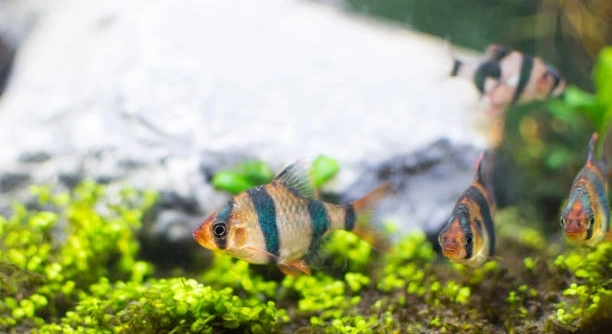
Are your tiger barbs swimming restlessly or showing less color than usual? Their diet might be playing a bigger role than you think. Feeding them correctly is key to keeping them active and healthy every day.
The best diet for tiger barbs includes a mix of high-quality flakes or pellets, supplemented with protein-rich foods like bloodworms, brine shrimp, and blanched vegetables. This varied approach supports their color, energy, and overall well-being.
Learning what to feed your tiger barbs, how often, and why it matters can make a real difference in their behavior and health.
What Tiger Barbs Need in Their Diet
Tiger barbs are active fish that need a well-rounded diet to stay healthy. A basic flake or pellet food made for tropical fish will give them the nutrients they need on a daily basis. But this should not be the only thing they eat. You can mix in live or frozen options like brine shrimp, daphnia, or bloodworms. These protein-rich foods help improve color and energy levels. Blanched vegetables like spinach or zucchini can also support digestion. Variety is important to prevent boredom and ensure they get all the necessary nutrients. Feed them twice a day in small amounts, enough for them to finish in about two minutes. If uneaten food is left behind, it could impact water quality. A balanced diet not only keeps tiger barbs physically strong but also improves their behavior and makes them more lively and colorful in the tank.
A poor diet often leads to faded colors, low energy, and more aggression between tank mates.
Try to switch up their meals every few days. Offer frozen or live treats two to three times a week. Always make sure the food is small enough for them to eat easily, as large pieces may go uneaten or cause stress.
Foods to Avoid and Feeding Tips
Avoid feeding tiger barbs fatty meats, large chunks, or food meant for other types of pets.
Overfeeding is a common issue in aquariums. Even though it may seem like your tiger barbs are always hungry, giving them too much can cause serious problems. Uneaten food sinks to the bottom and breaks down, affecting the water quality. This can lead to health issues for your fish, such as bloating or fin damage. Feeding should always be measured and consistent. Stick to a regular feeding schedule, offering food they can finish in about two minutes. If you’re unsure how much to give, it’s better to start with less and observe their behavior. Also, take note of how different foods affect their activity levels. Some fish respond better to protein-based foods while others do well with more plant matter. Pay attention to any changes in color or movement after feeding. This can help you fine-tune their diet and keep your tank stable.
How Often to Feed Tiger Barbs
Tiger barbs should be fed twice a day, once in the morning and once in the evening. Keep the portions small—only what they can finish in about two minutes. This keeps their digestion steady and the tank water clean.
Feeding them at regular times helps maintain their energy levels and behavior. Skipping meals or feeding them too much at once can cause stress or aggression. Tiger barbs are quick eaters and may seem hungry all the time, but this doesn’t mean they need more food. Overfeeding can lead to water quality issues and health problems like bloating. It’s helpful to observe them during feeding—if they lose interest quickly, you might be giving too much. Stick to a routine, and adjust portions slightly depending on how active they are or what types of food you’re using that day.
Keep a feeding schedule even on days when you’re offering treats. Live or frozen foods like bloodworms or brine shrimp should be given two to three times a week, not daily. These foods are high in protein and can lead to overfeeding if not balanced with flakes or vegetables. If you’re unsure, it’s better to feed a little less than too much. They can always eat again at the next scheduled time. Keeping track of how much they eat and how they behave afterward can also help you fine-tune your feeding routine. Their colors, swimming patterns, and general activity often reflect how well their diet is working.
Signs Your Tiger Barb’s Diet Needs Adjusting
Watch for faded colors, slowed swimming, or increased aggression—these may show your tiger barb isn’t getting the right food or enough of it. Sudden changes in behavior after meals can also mean it’s time to recheck their diet.
A diet that lacks variety can cause both physical and behavioral issues over time. If your tiger barbs are fighting more often or hiding frequently, they might be reacting to stress brought on by poor nutrition. Dull scales and slow movements also point to missing nutrients, especially if you’ve been feeding only flakes. Even overfeeding leads to problems—look for signs like bloating or waste buildup in the tank. Try reducing portion sizes and offering different food types each week. Add vegetables or live treats a few times and see how they respond. Often, you’ll notice improvements in just a few days. Small changes can have a big impact when it comes to feeding.
Feeding Tiger Barbs in a Community Tank
Feeding in a shared tank takes extra care. Some fish may eat faster than others, leaving your tiger barbs with less. Spread the food across the tank so everyone gets a chance to eat.
Keep an eye on their behavior during feeding time. If tiger barbs act overly aggressive, they may not be getting enough. Try offering food in small amounts more frequently to reduce competition and stress.
Best Feeding Tools and Methods
Using the right tools can make feeding easier and cleaner. A pinch feeder or small spoon helps measure portions more accurately. For frozen or live foods, use feeding tongs or a cone feeder to keep things organized. These methods prevent waste and help reduce mess in the tank. When feeding vegetables, blanch them and clip them near the bottom of the tank. This keeps the food in place and gives tiger barbs more time to nibble without rushing. Observing how your fish react to different tools or feeding spots can also guide you in adjusting your routine. Some fish prefer chasing food while others like it to stay still, so it helps to mix up methods until you find what works best.
Foods That Help Boost Color
Offer protein-rich foods like bloodworms and brine shrimp to help boost color. These support pigment development and make their stripes look brighter and more defined over time.
FAQ
What do tiger barbs eat in the wild?
In their natural habitat, tiger barbs mainly feed on small insects, larvae, and plant matter. They eat tiny crustaceans and algae found in streams and shallow waters. This natural diet is high in protein and fiber, which supports their active lifestyle and bright colors. Feeding them a similar mix in captivity helps mimic their wild nutrition needs.
Can tiger barbs eat only flakes or pellets?
While flakes or pellets designed for tropical fish provide basic nutrition, feeding only these is not ideal. Tiger barbs benefit from a varied diet that includes protein-rich live or frozen foods, such as bloodworms and brine shrimp, plus some vegetables. Variety ensures they get a full range of nutrients, preventing nutritional deficiencies and keeping them lively.
How much should I feed my tiger barbs daily?
Feed small amounts two times a day, enough for them to eat within about two minutes. Overfeeding can lead to health problems and dirty water. If there is leftover food, reduce the amount next time. It’s better to underfeed slightly than to overfeed, as tiger barbs can go a little longer without food if needed.
Can I feed tiger barbs vegetables?
Yes, vegetables like spinach, zucchini, and peas can be included in their diet. Blanch vegetables to soften them before feeding so tiger barbs can eat easily. Vegetables provide fiber and help digestion. Offer veggies a few times a week alongside their regular protein foods for a balanced diet.
Are live foods necessary for tiger barbs?
Live foods aren’t strictly necessary but they are highly beneficial. They provide essential nutrients and encourage natural hunting behavior, which keeps tiger barbs active and reduces boredom. If live foods are not available, frozen alternatives are a good substitute.
How often should I give treats like bloodworms or brine shrimp?
Treats like bloodworms and brine shrimp should be offered two to three times per week. These are high in protein and can upset balance if fed daily. Use treats to supplement their main diet and maintain variety.
What happens if tiger barbs are overfed?
Overfeeding can cause bloating, poor water quality, and increased aggression. Leftover food decays and pollutes the tank, which harms fish health. Overweight fish may also become lethargic and more prone to diseases. Stick to measured portions and observe their feeding habits carefully.
Can tiger barbs eat human food?
Avoid feeding human food to tiger barbs. Many foods contain harmful ingredients or are too rich for fish digestion. Sticking to fish-specific food ensures they get the right nutrients without risk.
How can I tell if my tiger barbs are getting the right diet?
Healthy tiger barbs display bright colors, active swimming, and social behavior. Dull colors, hiding, or sluggishness may indicate diet issues. Regularly observe your fish’s response to their food and adjust accordingly. Consistency in feeding times and diet variety help keep them in good condition.
Should I change their diet seasonally?
Tiger barbs do not require seasonal diet changes but varying their diet regularly helps prevent boredom and nutritional gaps. Rotate types of flakes, pellets, live, frozen, and vegetable foods throughout the year for best results.
Is fasting tiger barbs once a week helpful?
Fasting one day a week can help clear their digestive system and prevent overfeeding issues. It also gives you a chance to monitor their health. Just be sure fasting does not cause stress by observing their behavior closely.
Feeding tiger barbs the right diet is important to keep them healthy, active, and colorful. A mix of good-quality flakes or pellets, along with live or frozen protein-rich foods like bloodworms and brine shrimp, provides the nutrients they need. Adding some blanched vegetables a few times a week helps with digestion and adds variety. Feeding small amounts twice a day ensures they get enough without causing water problems. Paying attention to how much they eat and adjusting portions is key to avoiding overfeeding and keeping the tank clean.
Watching your tiger barbs closely can help you understand if their diet is working well. Healthy tiger barbs will have bright stripes, swim actively, and behave normally in the tank. If you notice fading colors, sluggishness, or unusual aggression, it might be time to change their food or feeding schedule. Overfeeding or feeding the wrong types of food can cause health issues, so it’s better to feed less and more often. Using feeding tools like a pinch feeder or feeding tongs can make feeding easier and reduce mess. Changing their food regularly prevents boredom and keeps their nutrition balanced.
A good diet goes beyond just feeding the right food. Keeping a regular feeding schedule and making sure all fish in a community tank get their share is important too. It is normal for tiger barbs to seem hungry often, but giving them food in controlled amounts prevents problems. Including treats like live or frozen foods two to three times a week supports their natural behavior and keeps them interested in their meals. With consistent care and attention to diet, your tiger barbs can stay healthy and vibrant for years.

Hello,
If you enjoy the content that we create, please consider saying a "Thank You!" by leaving a tip.
Every little bit helps us continue crafting quality advice that supports the health, happiness, and well-being of pets around the world, for pets of all shapes, sizes, and species.
We really appreciate the kindness and support that you show us!