
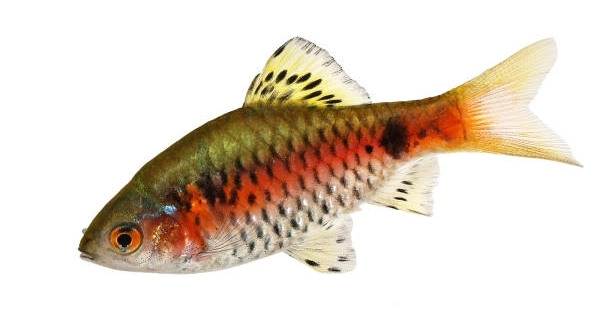
Have you ever found yourself watching your rosy barbs and wondering if their playful chasing and fast swimming is typical behavior?
Rosy barbs are naturally active, social fish that thrive in groups, often engaging in fast swimming, occasional chasing, and subtle fin-nipping as part of their normal behavior. These traits are more noticeable in well-balanced environments.
Learning how their behavior changes with mood, tank conditions, and social dynamics can help you better care for these energetic fish.
Common Behaviors You Can Expect
Rosy barbs are naturally active and thrive in a group setting. You’ll often see them swimming quickly, exploring every part of the tank, and interacting with one another. Their playful chasing may look aggressive at times, but it’s usually just part of their pecking order or mating behavior. Fin-nipping is also common, especially if they’re kept in small groups or feel stressed. To minimize this, it’s best to keep them in schools of at least five. Males may show off brighter colors and chase females more frequently during mating season. These actions are generally harmless if the tank is well-maintained and the fish are healthy. Aggressive or frantic behavior outside of these patterns could be a sign something’s wrong. Watching them often helps you learn what’s normal and what’s not. With the right setup, their energy and movement become a natural part of their daily rhythm.
Their need for space, movement, and social interaction makes a larger tank important for long-term comfort and balance.
Rosy barbs also enjoy slight currents and planted tanks. A mix of open swimming areas and hiding spots keeps them active and less stressed. When comfortable, they follow regular routines and display peaceful schooling behavior.
When Behavior Becomes a Concern
Unusual or sudden changes in behavior can be a sign of stress or discomfort.
If your rosy barbs start hiding more than usual, stop swimming actively, or begin showing faded colors, it could mean something is off in their environment. Aggressive behavior that escalates beyond normal chasing or frequent fin-nipping may also be a red flag. Poor water quality, an unbalanced diet, sudden temperature shifts, or the wrong tankmates can all contribute to stress. Overcrowding often leads to increased tension and more aggressive chasing. On the other hand, keeping too few rosy barbs can also cause anxiety, making them act skittish or withdrawn. If you notice these signs, checking the tank setup, water parameters, and feeding schedule can usually point you in the right direction. It helps to observe them regularly, as their normal patterns are easy to spot when you’re familiar with their routine. A few simple changes often bring their behavior back to normal.
How Tank Setup Affects Behavior
A well-planned tank can make a big difference in how rosy barbs behave. Clean water, steady temperature, and enough swimming space help reduce stress and keep them active. Poor conditions can cause hiding, aggression, or dull colors.
A tank of at least 30 gallons gives rosy barbs enough room to swim freely and interact without feeling crowded. Adding plants, driftwood, or rocks gives them hiding spaces and helps reduce tension. Keep the water temperature between 72°F and 78°F, and make sure the filter is strong enough to maintain gentle water movement. Rosy barbs enjoy moderate currents, which mimic their natural environment. It’s also important to avoid sharp decorations that could damage their fins during quick swimming. A balanced setup with both open space and structure supports healthier behavior and allows them to school comfortably.
Lighting and substrate also affect their behavior. A soft, sandy substrate encourages natural foraging, while moderate lighting helps bring out their color without causing stress. Avoid harsh or flickering lights, as this can make them uneasy or overly jumpy. When rosy barbs feel safe and secure, their behavior becomes more consistent and peaceful. They become more social, interact calmly with other fish, and stick to a predictable daily rhythm, which makes care easier.
Social Needs and Group Behavior
Rosy barbs are social fish and do best when kept in groups of five or more. Smaller groups can cause stress and lead to aggression or nervous behavior. Keeping them in a school helps them feel secure and act more naturally.
Balanced groups also reduce fin-nipping and chasing. When enough barbs are present, no single fish becomes a constant target. This keeps the group calm and active without unnecessary stress or injuries.
Feeding Habits and Activity Levels
Rosy barbs are fast eaters and should be fed small amounts two to three times a day. They enjoy a mix of flakes, pellets, and occasional treats like bloodworms or blanched vegetables. Active by nature, they often swim quickly to the surface during feeding. Watching them eat can help you spot changes in health—sluggish movement or loss of appetite may signal illness or poor water quality. Uneaten food should be removed to keep the tank clean. Feeding time also gives you a chance to observe their behavior up close and make sure each fish is eating well and staying active.
Signs Something May Be Wrong
Sudden aggression, clamped fins, or hiding during the day may signal that something is wrong. Checking water conditions and tank mates is a good first step.
FAQ
How many rosy barbs should I keep together?
Rosy barbs are schooling fish and do best in groups of at least five. Smaller groups can cause stress and increase aggressive behavior. Keeping them in larger groups helps spread out any chasing or fin-nipping, making the tank a calmer environment. A group of five or more allows natural social behavior and reduces anxiety.
What is normal chasing behavior?
Chasing is common among rosy barbs and usually part of their social interaction or mating behavior. It tends to be quick and doesn’t last long. If chasing turns into constant bullying or leads to injuries, it could mean the tank is too small or there aren’t enough hiding spots. In a well-balanced tank, chasing is natural and harmless.
Why do rosy barbs nip fins?
Fin-nipping is a typical behavior, especially in small groups or when fish are stressed. It often occurs during feeding or when establishing social order. To reduce fin-nipping, keep rosy barbs in groups of five or more, provide plenty of space, and add plants or decorations for hiding spots.
What tank size is best for rosy barbs?
A tank of at least 30 gallons is recommended for a small school of rosy barbs. They need enough space to swim freely and avoid overcrowding. Larger tanks help maintain water quality, reduce stress, and support their active lifestyle. A well-decorated tank with plants and open swimming areas encourages healthy behavior.
How do water conditions affect rosy barb behavior?
Water quality directly impacts behavior. Poor water conditions can cause stress, making fish hide, become aggressive, or lose color. Keep the water temperature between 72°F and 78°F, maintain stable pH around 6.5 to 7.5, and perform regular water changes to keep the environment healthy. Clean water helps keep rosy barbs active and peaceful.
Are rosy barbs aggressive towards other fish?
Rosy barbs can be moderately aggressive, especially when kept in small numbers or with slow-moving tankmates. They tend to nip fins, but aggression decreases when kept in proper groups with enough space. Avoid housing them with very slow or long-finned fish, as these are more likely to be targeted.
How often should I feed rosy barbs?
Feed rosy barbs two to three times daily with small portions they can finish within a few minutes. Use a balanced diet of flakes or pellets, supplemented with live or frozen foods like bloodworms and blanched vegetables. Remove uneaten food to keep water clean and prevent health issues.
What are signs of stress in rosy barbs?
Stress signs include hiding, clamped fins, loss of color, erratic swimming, or refusal to eat. These may indicate poor water quality, overcrowding, aggressive tankmates, or illness. Monitoring their behavior closely and maintaining good tank conditions can help prevent stress.
How can I reduce fin-nipping in my tank?
Increase the group size of rosy barbs, add plants or decorations for hiding spots, and ensure enough space to swim. A varied diet and good water quality also reduce stress that can cause fin-nipping. Avoid keeping them with slow-moving or long-finned fish that may provoke nipping.
Is it normal for rosy barbs to be active all the time?
Yes, rosy barbs are naturally energetic and enjoy swimming actively. Their activity level usually peaks during feeding or when interacting with other fish. Providing a suitable tank environment with space, plants, and good water flow helps them maintain healthy activity without stress.
Rosy barbs are lively and social fish that show many behaviors considered normal for their species. Their quick swimming, playful chasing, and occasional fin-nipping are natural parts of their daily life. These behaviors help them establish social order and interact with each other. When kept in proper groups of five or more, rosy barbs usually stay active and peaceful. Watching how they move and behave can give you clues about their health and happiness. A well-maintained tank with clean water, enough space, and hiding spots supports their natural habits and reduces stress.
The environment you provide plays a big role in how your rosy barbs behave. Tanks that are too small or overcrowded can cause aggression and anxiety. On the other hand, a balanced tank with plants, decorations, and moderate water flow encourages calm and natural schooling behavior. Proper feeding is also important, as rosy barbs need a mix of foods and regular feeding times to stay healthy. When their needs are met, they show bright colors and energetic behavior, which makes them enjoyable to watch.
Paying attention to changes in behavior can help you catch problems early. If your rosy barbs start hiding, stop eating, or become overly aggressive, these signs may point to stress or illness. Checking water quality and tank conditions is a good first step to solving these issues. Simple changes often bring behavior back to normal. With proper care and attention, rosy barbs will thrive and continue to display their unique and interesting behavior for a long time.

Hello,
If you enjoy the content that we create, please consider saying a "Thank You!" by leaving a tip.
Every little bit helps us continue crafting quality advice that supports the health, happiness, and well-being of pets around the world, for pets of all shapes, sizes, and species.
We really appreciate the kindness and support that you show us!