
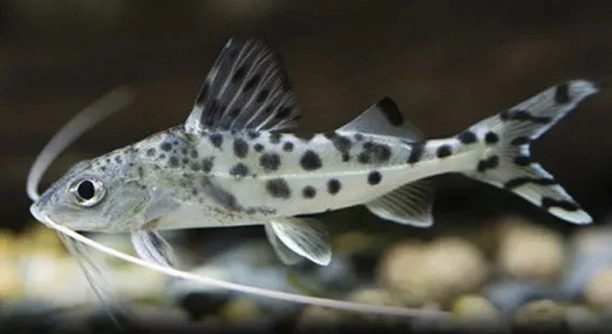
Pictus catfish are popular freshwater fish known for their peaceful nature and active behavior. Many people enjoy keeping them in home aquariums because of their interesting habits and calm temperament. Understanding what is normal behavior can help owners care for them better.
Normal behavior in pictus catfish includes active swimming mostly during the night, social interaction with other fish, and occasional hiding during the day. They display natural scavenging instincts and prefer a clean, well-oxygenated environment to thrive.
Recognizing these typical behaviors helps ensure your pictus catfish stay healthy and happy in their aquarium home.
Typical Activity Patterns of Pictus Catfish
Pictus catfish are mostly nocturnal, meaning they are more active at night. During the day, they tend to hide among plants, rocks, or decorations in the tank. This behavior helps them feel safe and secure. At night, they swim around the aquarium, exploring and looking for food. These fish are social and often prefer to live in groups of three or more. They communicate through body language and movement, showing curiosity and sometimes playfulness. Watching them interact can be calming and interesting. It is normal to see them resting during the day and becoming lively once the lights go out. They also like having places to hide because it reduces stress. Overall, their daily routine is balanced between rest and activity, which supports their well-being.
Pictus catfish will usually swim actively at night and seek shelter during the day. This pattern helps them stay safe and comfortable.
Understanding their natural activity can improve how you set up the aquarium. Providing hiding spots and a peaceful environment helps them feel secure. Their nighttime activity means feeding is best done in the evening. Keep the tank well-lit during the day but dim at night to mimic their natural habitat. Avoid sudden movements or loud noises, as these can stress the fish and disrupt their normal behavior. By respecting their patterns, you help maintain their health and happiness.
Social Behavior and Interaction
Pictus catfish are social animals and prefer being with others of their kind. They form loose groups and swim together.
In a tank, pictus catfish show gentle interactions such as swimming side by side and occasionally nudging each other. These behaviors are signs of social bonding and comfort. They do not show aggression unless stressed or overcrowded. Keeping them in small groups helps reduce loneliness and promotes natural behavior. When healthy and happy, they may explore the tank together and share hiding places. It’s important to avoid mixing them with overly aggressive fish, as this can cause fear or injury. Providing enough space and proper tank mates supports peaceful social interaction. Watching their gentle movements and group dynamics is rewarding and helps owners notice if something feels off. Social needs are key to their overall well-being and should be part of daily care.
Feeding Behavior of Pictus Catfish
Pictus catfish are bottom feeders that enjoy scavenging for food. They eat small insects, pellets, and sinking wafers designed for catfish.
They often search the substrate for leftover food, using their sensitive barbels to detect meals. Feeding should be done once or twice daily to prevent overfeeding and water pollution. They prefer varied diets including protein-rich foods like bloodworms or brine shrimp. Overfeeding can cause health problems, so it’s important to monitor portions carefully. These fish also appreciate occasional live or frozen treats to mimic natural feeding. Feeding at night aligns with their active hours, encouraging natural behavior and energy levels.
When feeding, pictus catfish may swim quickly to the bottom and gently pick at food. They often eat alongside tank mates without signs of aggression. Offering food in different spots helps stimulate their natural foraging instincts. Maintaining a balanced diet supports their growth, color, and overall health.
Signs of Stress and Abnormal Behavior
Stress in pictus catfish shows through hiding excessively, loss of appetite, or erratic swimming. These signs indicate discomfort or poor conditions.
Water quality is a common cause of stress; high ammonia or nitrite levels can harm them quickly. Temperature fluctuations or overcrowding also contribute. Stress weakens their immune system, making them vulnerable to disease. Lack of hiding places may increase fear and cause them to stay hidden all day. If you notice pale color or lethargy, it’s important to test the water and check tank mates for aggression. Addressing these issues early prevents long-term problems and keeps your catfish healthy.
Regular tank maintenance, stable water parameters, and a calm environment reduce stress. Observe your pictus catfish often to catch early signs of illness or distress. Proper care ensures they display their natural, active behavior and vibrant colors.
Interaction with Tank Mates
Pictus catfish generally get along well with peaceful fish. They prefer tank mates that are not too aggressive or territorial.
Avoid keeping them with very slow or long-finned fish, as pictus catfish may nip fins during play. Choosing compatible companions helps maintain harmony in the aquarium and reduces stress for everyone involved.
Importance of Clean Water
Clean water is vital for pictus catfish health. They are sensitive to ammonia, nitrites, and nitrates, which can build up quickly.
Regular water changes and good filtration keep water quality high. This helps prevent diseases and supports their natural behavior. A well-maintained tank means your catfish will stay active and healthy for years.
Resting Behavior
Pictus catfish rest during the day, often hiding under decorations or plants. This behavior is normal and helps them feel secure.
FAQ
How often should I feed my pictus catfish?
Feeding pictus catfish once or twice a day is enough. They do best with small amounts that they can eat quickly. Overfeeding can pollute the tank and harm their health. It’s good to offer a varied diet, including sinking pellets and occasional live or frozen foods like bloodworms. Feeding in the evening works well since they are more active at night.
Can pictus catfish live with other fish?
Yes, pictus catfish are social and peaceful, so they usually do well with other non-aggressive fish. Ideal tank mates include tetras, barbs, and other community fish that swim in the middle or upper tank levels. Avoid aggressive species or very slow-moving fish that could be stressed or fin-nipped.
Why is my pictus catfish hiding all the time?
Hiding is normal behavior, especially during the day since pictus catfish are nocturnal. However, if your fish hides constantly and stops eating, it could signal stress, illness, or poor water quality. Check tank conditions, water parameters, and look for aggressive tank mates.
What size tank is best for pictus catfish?
A tank of at least 30 gallons is recommended for pictus catfish. They are active swimmers and prefer space to explore, especially if you keep a small group. Providing plenty of hiding spots and open swimming areas helps keep them comfortable and less stressed.
How can I tell if my pictus catfish is healthy?
Healthy pictus catfish swim actively during the night, have clear eyes, smooth scales, and bright colors. They should respond to food and interact gently with tank mates. Watch for signs like lethargy, faded color, clamped fins, or unusual swimming, which may indicate illness.
Are pictus catfish aggressive?
No, pictus catfish are generally peaceful. They may chase or nip fins playfully but rarely show serious aggression. Stress or overcrowding can cause irritability, so proper tank size and compatible tank mates are important to prevent problems.
What water conditions do pictus catfish need?
Pictus catfish prefer clean, well-oxygenated water with temperatures between 72–79°F (22–26°C). pH should be neutral to slightly acidic, around 6.5 to 7.5. Regular water changes and good filtration keep the water safe and stable, supporting their natural behavior.
How long do pictus catfish live?
With proper care, pictus catfish can live up to 8 years or more. Their lifespan depends on good water quality, a balanced diet, and a stress-free environment. Monitoring their health and tank conditions helps them live a full life.
Do pictus catfish need a group to feel comfortable?
Yes, pictus catfish are social fish and feel more secure in groups of at least three. Being alone can make them shy or stressed. Group living encourages natural behavior, including swimming together and gentle interaction.
Can pictus catfish jump out of the tank?
Yes, pictus catfish are known to jump, especially if the tank environment feels unsafe or water quality is poor. A tight-fitting lid helps prevent escapes and keeps them safe. Regularly check water conditions and tank mates to reduce stress that might cause jumping.
Final Thoughts
Pictus catfish are interesting and active fish that can add life to a freshwater aquarium. Their behavior is mostly peaceful and social, making them a good choice for community tanks. Understanding what is normal for these fish helps owners provide the right care. They are nocturnal, meaning they are more active at night and often rest or hide during the day. Watching their natural routines can be enjoyable and helps owners know when something might be wrong. Providing hiding spots and a calm environment supports their well-being and reduces stress.
Feeding pictus catfish properly is important to keep them healthy. They are bottom feeders that enjoy a mix of sinking pellets, live foods, and occasional treats. Overfeeding can cause problems like poor water quality or obesity, so small, controlled portions work best. Feeding them in the evening suits their active time and encourages natural behavior. Maintaining clean water with regular changes and good filtration is key to preventing illness. These fish are sensitive to water conditions, so it is important to monitor parameters like temperature, pH, and ammonia levels regularly.
Social interaction also plays a big role in pictus catfish health. They feel most comfortable in groups of at least three because they are naturally social animals. Keeping them with peaceful tank mates helps avoid stress or aggression. Overcrowding and aggressive companions can cause unusual behavior or hiding. When properly cared for, pictus catfish can live for many years and display their lively, gentle personalities. Paying attention to their behavior and environment leads to a happy, thriving aquarium that benefits both the fish and the owner.

Hello,
If you enjoy the content that we create, please consider saying a "Thank You!" by leaving a tip.
Every little bit helps us continue crafting quality advice that supports the health, happiness, and well-being of pets around the world, for pets of all shapes, sizes, and species.
We really appreciate the kindness and support that you show us!