
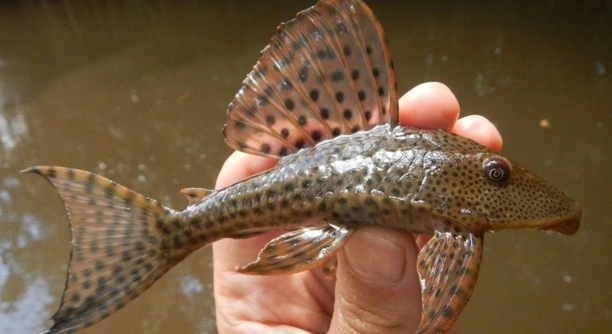
A Plecostomus cleaning crew is a popular addition to many aquariums, helping to maintain a clean and healthy environment. These fish are known for their algae-eating abilities and are often recommended for freshwater tanks.
The Plecostomus cleaning crew refers to a group of fish species, including the common pleco, that are known for consuming algae and debris in aquariums. They help keep the tank environment clean by feeding on leftover food, algae, and organic matter.
Understanding how the Plecostomus works can lead to a better aquarium experience, ensuring both a cleaner environment and healthier fish.
What Does a Plecostomus Do in an Aquarium?
The Plecostomus, commonly known as the pleco, plays an important role in maintaining a healthy aquarium. These fish are natural cleaners, often grazing on the sides of tanks and decorations to eat algae. They also help by consuming leftover food that sinks to the bottom. Their main job is to keep the tank clean by reducing the buildup of algae, making it easier for other fish to thrive in a clearer, healthier environment. While they are not a complete solution for tank cleanliness, plecos can significantly lower the amount of time spent on manual cleaning. Their presence can be especially helpful in community tanks where algae growth can become a concern.
Plecos contribute to keeping water quality in check by consuming organic matter. Their algae-eating abilities make them a popular choice for freshwater aquariums.
However, it is important to remember that plecos won’t completely eliminate the need for regular tank maintenance. They’re not a substitute for water changes or other cleaning methods. Plecos work best as a supplement to an overall aquarium care plan. Their cleaning habits can assist in controlling algae, but proper filtration, regular water changes, and monitoring other aspects of the tank’s environment are still necessary for a healthy setup. Additionally, it’s important to provide them with enough space and hiding spots. Plecos, especially as they grow, can be large fish, and they need proper care to remain healthy while doing their cleaning job.
Do Plecostomus Fish Need Special Care?
Although plecos are relatively low-maintenance, they do have specific needs that should be met for optimal health.
First, plecos prefer a tank with plenty of hiding places and structures, as they are nocturnal and tend to be shy. Offering caves, plants, or driftwood gives them a safe space to rest during the day. They also need enough room to swim freely, as many species of plecos can grow large over time. If the aquarium is too small, the pleco may become stressed, affecting its health and cleaning efficiency.
In addition to a proper tank environment, plecos require a varied diet. While they eat algae, they still need supplemental food like sinking pellets or vegetables. Vegetables such as zucchini, cucumber, and leafy greens can be offered to help with their nutrition. A balanced diet will ensure they stay healthy and active, enhancing their algae-eating capabilities. Regular monitoring of their water conditions is essential as well, as plecos are sensitive to poor water quality. Stable water temperature, proper filtration, and clean water are all factors that can help keep the pleco happy and healthy, contributing to the overall cleanliness of the aquarium.
How to Set Up the Ideal Tank for a Plecostomus
A pleco requires a tank with plenty of space to swim and hide. It’s essential to provide structures like caves, driftwood, or rocks. The more hiding spots you create, the more comfortable your pleco will feel.
The tank should be large enough to accommodate their growth, as plecos can grow up to 24 inches depending on the species. A tank of at least 50 gallons is recommended, especially for larger types. As they are nocturnal, having plenty of hiding places helps them feel safe and reduces stress. Plecos also enjoy tanks with plenty of surfaces to graze on, such as decorations, plants, or glass. This allows them to carry out their natural algae-eating behavior.
The water conditions should be stable and clean. Plecos thrive in slightly acidic to neutral water with temperatures between 72°F and 82°F. Proper filtration is essential to ensure the water stays clean, as plecos produce a fair amount of waste. Regular water changes will also help maintain optimal water quality.
What Do Plecostomus Fish Eat?
Plecos mainly eat algae but require a varied diet to stay healthy.
Algae is their main food source in the wild, but in captivity, they need more. You can feed them sinking pellets designed for bottom feeders, as well as fresh vegetables. Some of the best options are zucchini, cucumber, and spinach. You can also supplement with occasional protein-rich foods like shrimp or bloodworms. A diverse diet helps keep them active and boosts their algae-eating capabilities.
In addition to vegetables, it’s important to ensure they have access to high-quality algae wafers. These are easy to find in most pet stores and provide necessary nutrients. It’s important not to overfeed them, as leftover food can lead to water pollution. Monitor the amount of food they eat and remove any uneaten portions after a few hours to avoid contamination.
Common Plecostomus Care Problems
While plecos are hardy, there are a few common issues to watch for. Poor water quality, lack of hiding spots, and improper diet are frequent problems.
Poor water quality can cause stress and illness. Make sure your tank is well-filtered and regularly cleaned. If your pleco starts acting sluggish or develops lesions, it might be a sign of poor water conditions.
Inadequate hiding spaces can lead to stress and aggression. Ensure your pleco has plenty of caves or plants to rest in, especially since they are shy and prefer to stay hidden during the day.
Can Plecostomus Live with Other Fish?
Yes, plecos can live with many other species, but compatibility depends on the tank size and the other fish.
Plecos are peaceful and typically won’t harm other fish unless they feel threatened. In larger tanks, they can coexist with other peaceful fish, such as tetras, guppies, and mollies. However, avoid keeping them with aggressive species or fish that might nip at their fins. When introducing other fish, ensure that there’s plenty of space for everyone to thrive.
How to Recognize a Healthy Plecostomus
A healthy pleco will have clear eyes, smooth skin, and be actively swimming or grazing on surfaces.
If your pleco has dull skin or is hiding constantly, it could indicate stress or illness. Healthy plecos are typically active at night, slowly swimming or sticking to tank surfaces eating algae. Their body should be firm and not bloated.
FAQ
What is the lifespan of a Plecostomus?
Plecos typically live between 10 to 15 years when properly cared for. However, their lifespan can vary depending on the species and tank conditions. A pleco kept in a well-maintained tank with regular water changes, proper filtration, and a balanced diet can live much longer. The key to a long life is maintaining stable water quality and meeting their space and dietary needs.
How often should I feed my Plecostomus?
Feeding frequency depends on the age and size of your pleco. For young plecos, feeding them once a day is ideal. As they grow, you can reduce feeding to every other day or a few times a week. Offer a mix of algae wafers, vegetables, and sinking pellets, ensuring they have enough food to graze on. Always remove any uneaten food after a few hours to avoid water contamination.
Can a Plecostomus live alone?
Yes, a pleco can live alone, but it will need plenty of space and hiding places. Since plecos are nocturnal and prefer to stay hidden during the day, they won’t be lonely in the traditional sense. However, if you want to keep more than one pleco, ensure the tank is large enough and has enough hiding spots for each fish to feel secure.
What size tank does a Plecostomus need?
The size of the tank depends on the type of pleco. Smaller species may be fine in a 30-gallon tank, but larger species, such as the common pleco, need at least 50 gallons of water. Larger plecos can grow up to 24 inches, and they require space to swim and graze. Overcrowding can cause stress and health problems for the pleco.
Do Plecostomus fish need a heater?
Plecos are tropical fish, and they thrive in temperatures between 72°F and 82°F. If the room temperature where your tank is located fluctuates too much, a heater may be necessary to keep the water within this range. Consistent water temperature helps ensure your pleco stays healthy and active.
How can I tell if my Plecostomus is stressed?
Signs of stress in a pleco include excessive hiding, loss of appetite, dull coloration, and erratic swimming. Stress can be caused by poor water quality, improper tank mates, or insufficient space. If you notice these behaviors, check the water parameters, provide more hiding spots, and ensure the tank is not overcrowded.
Do Plecostomus fish require a filter?
Yes, plecos produce a significant amount of waste, and having a filter is essential to maintaining water quality. A good filter will help remove excess debris and prevent harmful toxins from building up in the water. Plecos benefit from a strong filtration system that mimics their natural environment by keeping the water clear and oxygenated.
Can Plecostomus fish live in cold water tanks?
Plecos are not suited for cold-water tanks. They are tropical fish and need warmer water to thrive. Cold water can stress them and lead to health problems. If you live in a region with cooler temperatures, it is essential to use a heater to maintain the right water temperature for your pleco.
How do I prevent algae growth in my tank if I have a Plecostomus?
Although plecos are excellent at eating algae, they might not be able to keep up with rapid algae growth, especially in new tanks or tanks with high light levels. To prevent algae overgrowth, reduce the amount of direct light your tank receives, keep the water clean, and maintain proper filtration. You can also help by manually cleaning the tank’s surfaces when algae begin to form.
Can Plecostomus fish be aggressive?
Plecos are generally peaceful fish, but they can become territorial when kept in overcrowded tanks or with other bottom-dwelling fish. Larger plecos may also exhibit some aggression as they mature, especially if they feel their space is being encroached upon. Provide plenty of hiding spots and make sure the tank is large enough to reduce stress and aggression.
What other fish can live with a Plecostomus?
Plecos are compatible with many other peaceful fish, such as tetras, mollies, danios, and guppies. However, avoid keeping them with aggressive or fin-nipping species, such as some cichlids. As plecos are bottom dwellers, ensure that other fish aren’t competing for the same space on the tank floor.
How often should I do water changes for my Plecostomus tank?
Regular water changes are crucial to keeping your pleco healthy. You should change about 25% of the water every two weeks. However, if you have multiple fish or if your pleco produces a lot of waste, you may need to change the water more frequently. Always check the water parameters before making changes to ensure stability.
Can I breed Plecostomus fish in my aquarium?
Breeding plecos in an aquarium is possible but can be challenging. Plecos require specific water conditions, including a slightly higher temperature, and a breeding cave or structure for the female to lay her eggs. The male will guard the eggs until they hatch, and both parents will care for the young. However, successful breeding typically requires a well-established tank and precise care.
Why is my Plecostomus not eating?
If your pleco isn’t eating, it could be due to stress, water quality issues, or illness. Check your water parameters to ensure they are within the ideal range. Stress from overcrowding or aggressive tank mates can also cause a loss of appetite. If the issue persists, it may be necessary to seek advice from a vet or experienced aquarium keeper.
Can I add a Plecostomus to a new tank?
It is best to wait until your tank is fully cycled before adding a pleco. A new tank typically has unstable water conditions that could harm your pleco. It’s crucial to ensure that the tank has a properly established filtration system, stable water parameters, and enough algae or other food for the pleco to eat.
Final Thoughts
Plecostomus fish can be a great addition to your aquarium if you’re looking for a natural way to help control algae and maintain water quality. These fish are known for their algae-eating habits and can help reduce the buildup of debris and organic matter in the tank. However, they are not a complete solution for tank cleanliness, and regular maintenance, including water changes and proper filtration, will still be necessary. While plecos are generally low-maintenance, it is important to understand their specific care requirements to ensure they stay healthy and thrive in your aquarium.
One of the most important things to consider when keeping a pleco is their tank size. Plecos, especially larger species, can grow quite big, and they require plenty of space to swim and graze. Overcrowding can lead to stress and health problems for the pleco. It’s essential to provide hiding spots and structures for them to feel secure. Keeping the tank clean and stable is also crucial. Plecos are sensitive to poor water quality, so regular water changes and good filtration are necessary to ensure the health of the fish and the overall environment.
Although plecos are often seen as an easy solution for cleaning an aquarium, they still need a balanced diet and proper care. While they mainly feed on algae, they also require additional food such as sinking pellets, vegetables, and occasional protein. By meeting their dietary and environmental needs, you can ensure your pleco stays active and healthy. Whether you’re a beginner or experienced fish keeper, understanding these basic care requirements will help you enjoy the benefits of having a pleco in your aquarium while keeping your tank clean and your fish happy.

Hello,
If you enjoy the content that we create, please consider saying a "Thank You!" by leaving a tip.
Every little bit helps us continue crafting quality advice that supports the health, happiness, and well-being of pets around the world, for pets of all shapes, sizes, and species.
We really appreciate the kindness and support that you show us!