
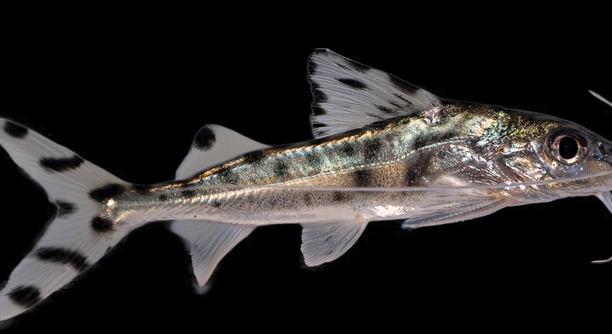
Your pictus catfish is usually eager during feeding times, swimming to the surface and taking food quickly. When it suddenly stops responding to food, it can be worrying and confusing for any owner. Understanding this change is important for their well-being.
When a pictus stops responding to food, it often indicates stress, illness, or environmental issues. Immediate observation of water quality, tank conditions, and physical symptoms is essential. Addressing these factors promptly supports recovery and prevents further health decline.
Recognizing the reasons behind a pictus’ feeding behavior is key to helping it recover and thrive. This article will explain the common causes and practical steps to take next.
Common Causes of a Pictus Not Eating
A pictus catfish may stop eating for several reasons. Poor water quality is one of the main issues. High levels of ammonia, nitrites, or nitrates can cause stress and illness, making fish lose appetite. Sudden changes in temperature or pH levels also affect feeding behavior. Another reason could be disease or parasites that cause discomfort or pain. Sometimes, the fish may be adjusting to a new environment or recovering from recent stress like handling or tank changes. Overfeeding can also lead to loss of appetite, as leftover food pollutes the water and harms fish health. Lastly, natural aging or individual temperament differences can influence how often they eat. Monitoring water conditions regularly and observing behavior will help identify the cause quickly and allow for timely action.
Keeping water clean and stable is essential to maintain a pictus’ health and encourage regular feeding.
Adjusting water parameters and performing regular tank maintenance will often restore appetite in pictus catfish.
Pictus catfish need stable, clean water to feel safe and comfortable enough to eat. Regular water tests and partial water changes can keep conditions ideal. Avoid sudden changes in temperature or chemistry. Observe your fish daily for signs of illness like spots, redness, or unusual swimming patterns. If disease is suspected, quarantining the fish and consulting a vet or aquatic specialist is best. Feeding small amounts of high-quality food and avoiding overfeeding help maintain appetite. Sometimes, changing food type or offering live or frozen options can stimulate interest. Patience is important because stress or illness recovery may take time. Creating a calm, stable environment is the most effective way to encourage your pictus to eat normally again.
How to Encourage Feeding Again
If your pictus is not eating, it is important to be patient and consistent with care.
Start by improving water quality and making sure the tank environment is ideal. Feed smaller portions several times a day, offering different types of food like sinking pellets, frozen bloodworms, or brine shrimp. Sometimes, the fish needs a change to become interested again. Avoid overfeeding to prevent water pollution. Reduce tank noise and avoid sudden movements to lower stress. Keep lighting gentle and maintain a stable temperature between 75-80°F (24-27°C). If the fish still refuses food after several days, consider consulting an aquatic veterinarian or specialist. They can diagnose illnesses or suggest treatments. Sometimes, a clean tank and consistent care are all it takes for a pictus catfish to regain its appetite and return to normal behavior.
Signs of Illness in Your Pictus
Loss of appetite is often accompanied by other signs of illness. Look for unusual swimming patterns, such as lethargy or hiding. Changes in color, spots, or visible wounds are also indicators. Gasping at the surface or clamped fins may signal distress or poor water conditions.
If your pictus shows signs of illness, it is important to act quickly. Check water parameters and perform partial water changes immediately. Observe for any external parasites or fungus. Avoid overfeeding and remove uneaten food promptly to prevent water contamination. If symptoms persist, quarantine the fish to stop potential spread. Consult a veterinarian or aquatic specialist for diagnosis and treatment advice. Early intervention improves chances of recovery.
Maintaining a clean, stable environment is key to preventing illness. Routine observation will help detect problems before they worsen. Prompt attention to symptoms and water quality keeps your pictus healthy and feeding normally.
Preventing Feeding Issues in Your Tank
Consistent tank maintenance prevents feeding problems. Regular water testing and changes keep conditions stable. Avoid overcrowding, which causes stress and competition for food. Use a balanced diet tailored to your pictus catfish’s needs. Feed appropriate amounts and remove excess food promptly.
Proper filtration and aeration ensure good water quality and oxygen levels. Avoid sudden changes in temperature or water chemistry by monitoring daily. Introduce new fish carefully, using quarantine procedures to prevent disease spread. Providing hiding spots and a calm environment reduces stress, encouraging natural feeding behavior. By maintaining these practices, you support your pictus’ health and appetite consistently.
Adjusting Feeding Habits
Changing feeding habits can help when your pictus stops eating. Try feeding smaller amounts more frequently throughout the day. This approach can reduce stress and prevent uneaten food from polluting the tank.
Offering a variety of foods may also stimulate interest. Include sinking pellets, frozen or live foods like bloodworms or brine shrimp to encourage feeding.
Tank Environment Checks
Regularly inspect the tank environment to ensure everything supports your pictus’ health. Check for stable temperature, proper filtration, and clean substrate. Remove any uneaten food or debris quickly to maintain water quality and reduce stress.
Using Medication Carefully
Medication should be used only when necessary. Incorrect treatment can harm your fish or tank balance. Always follow instructions and consult an aquatic specialist before starting any medication.
Recognizing Stress Signs
Stress can cause your pictus to stop eating. Watch for hiding, erratic swimming, or faded colors as signs your fish may be under stress.
Why has my pictus stopped eating suddenly?
A sudden loss of appetite in your pictus can be due to changes in water quality, temperature fluctuations, or stress caused by tank rearrangements or new tank mates. Illness or parasites might also be responsible. Sudden feeding refusal often signals that the fish is uncomfortable or unwell, so checking tank conditions and observing for other symptoms is important.
How long can a pictus go without eating?
Pictus catfish can survive several days without food, sometimes up to a week, depending on their overall health and tank environment. However, going too long without eating weakens their immune system and makes them more vulnerable to illness. It’s best to address feeding issues quickly to avoid long-term health problems.
Can poor water quality make my pictus stop eating?
Yes. Poor water quality is one of the leading causes of appetite loss in pictus catfish. Elevated ammonia, nitrite, or nitrate levels stress fish and damage their gills, reducing their ability to breathe and feed properly. Regular water testing and maintenance help prevent these problems and support healthy feeding behavior.
What foods are best to encourage a picky pictus to eat?
Offering a variety of foods can help stimulate appetite. Sinking pellets designed for bottom feeders are ideal. Adding frozen or live foods like bloodworms, brine shrimp, or daphnia can entice interest. Occasionally, switching to fresh options may encourage feeding. Avoid overfeeding, as this causes water pollution and worsens appetite problems.
Should I change my feeding schedule if my pictus stops eating?
Adjusting feeding times and portions can improve feeding response. Feeding smaller amounts multiple times a day is less stressful and reduces leftover food. Pictus may prefer feeding during low light periods or early morning. Observe your fish’s habits and adapt feeding to what works best for them.
How can I tell if my pictus is sick?
Look for signs such as lethargy, hiding, rapid gill movement, clamped fins, visible spots, or color changes. Unusual swimming patterns or gasping at the surface can also indicate illness or poor water conditions. Loss of appetite is often one of the first visible symptoms.
What should I do if I suspect illness?
Test your water immediately for ammonia, nitrites, and nitrates. Perform a partial water change if needed. Isolate the sick fish in a quarantine tank if possible. Consult an aquatic veterinarian or specialist for proper diagnosis and treatment options. Early action improves recovery chances.
Can stress cause my pictus to stop eating?
Stress from overcrowding, aggressive tank mates, or sudden environmental changes can lead to loss of appetite. Providing hiding places, stable water conditions, and avoiding unnecessary disturbances reduces stress and supports normal feeding behavior.
Is it normal for a pictus to occasionally refuse food?
Yes, occasional refusal may happen due to mild stress or changes in environment, but it should not last long. Extended refusal requires investigation into tank conditions, health, or feeding routine.
Can overfeeding affect my pictus’ appetite?
Overfeeding can pollute the water and cause digestive issues, leading to decreased appetite. Always feed small amounts that your pictus can consume quickly and remove any uneaten food promptly.
How do I improve water quality to help my pictus eat again?
Regular partial water changes, proper filtration, and avoiding overcrowding improve water quality. Test water frequently and maintain parameters suitable for pictus catfish, such as temperature around 75-80°F and neutral pH. Good water quality promotes health and appetite.
When should I seek professional help?
If your pictus stops eating for more than a week, shows signs of illness, or if water quality remains unstable despite maintenance, consult a veterinarian or aquatic specialist. They can provide a clear diagnosis and recommend appropriate treatment.
Can changing tank mates affect my pictus’ feeding?
Introducing new or aggressive fish can stress your pictus, causing it to hide and stop eating. Ensure compatibility and provide enough space and hiding spots to reduce stress and maintain healthy feeding.
Is fasting ever recommended for pictus catfish?
Occasional fasting, such as one day without food per week, can help prevent digestive issues. However, extended fasting due to refusal to eat is harmful and should be addressed by correcting underlying problems.
How do I prevent feeding problems in the future?
Maintain stable water conditions, feed a varied diet in proper amounts, avoid overcrowding, and monitor fish behavior regularly. Quick response to any signs of illness or stress keeps your pictus healthy and feeding well.
When a pictus catfish stops responding to food, it can be a sign that something in its environment or health has changed. This change often points to stress, poor water quality, illness, or other factors affecting the fish’s well-being. Taking time to observe your pictus and check tank conditions is essential. Consistent maintenance of water quality, stable temperature, and proper feeding habits play a major role in keeping your fish healthy and interested in food. Addressing problems early can prevent more serious health issues and help your pictus return to normal behavior faster.
Understanding your pictus’ needs means paying attention to both its physical health and its environment. Changes in behavior, such as refusal to eat, often come with other signs like unusual swimming, hiding, or color changes. These signs should never be ignored. Regular water tests and proper tank care reduce the risk of illness and stress, which are common causes of appetite loss. Sometimes, adjusting the type of food or feeding schedule can make a difference. Offering live or frozen foods alongside pellets may encourage feeding and add nutritional variety.
Patience is important when your pictus stops eating. Recovery may take time, especially if the problem is linked to stress or illness. Avoid rushing treatments or overfeeding, as these can worsen the situation. Instead, focus on creating a calm, stable tank environment and monitoring your fish closely. If the appetite loss continues or other symptoms appear, consulting an aquatic veterinarian or specialist is a wise step. With proper care and attention, your pictus catfish can regain its appetite and thrive in your tank again.

Hello,
If you enjoy the content that we create, please consider saying a "Thank You!" by leaving a tip.
Every little bit helps us continue crafting quality advice that supports the health, happiness, and well-being of pets around the world, for pets of all shapes, sizes, and species.
We really appreciate the kindness and support that you show us!