
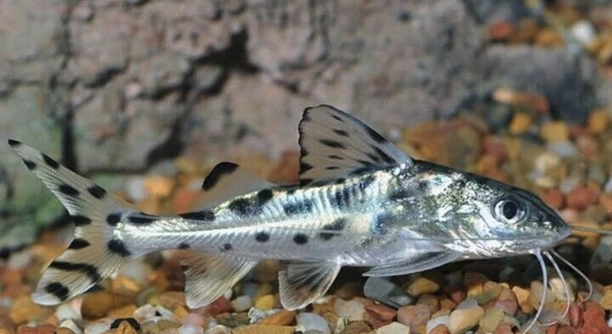
Is your pictus fish only coming out to eat but hiding the rest of the time? Many aquarium owners notice this behavior and wonder if it signals a problem. Understanding why pictus fish behave this way can help improve their care and comfort.
Pictus fish that only emerge to feed often feel stressed, insecure, or uncomfortable in their environment. Factors such as inadequate tank conditions, improper lighting, or lack of hiding spots can lead to this behavior. Ensuring stable water parameters and a suitable habitat encourages more natural activity.
This article explains the common causes behind this behavior and offers practical tips to create a better environment for your pictus fish.
Why Your Pictus Fish Hides Most of the Day
Pictus fish are naturally shy and nocturnal, which means they tend to be more active during the evening or at night. During the day, they often prefer to stay hidden in caves, under plants, or near the tank bottom. This behavior is part of their instinct to avoid predators in the wild. If your fish is only coming out to eat, it might simply be following its natural rhythm. However, other factors can contribute to this behavior. Bright lighting, loud noises, or sudden movements around the tank can cause stress and make your fish retreat. Also, an overcrowded tank or incompatible tank mates can make your pictus feel unsafe. Creating a calm, dimly lit environment with plenty of hiding places can help your fish feel more secure and encourage it to explore more during the day.
Stress and discomfort often cause pictus fish to hide, but natural nocturnal behavior plays a large role as well.
Providing dim lighting and quiet surroundings will help your pictus fish feel less threatened and more confident to swim freely.
Tank Conditions That Affect Pictus Activity
Tank conditions have a big impact on how your pictus fish behaves. If the water quality is poor or the temperature is not right, your fish will spend more time hiding. Pictus fish prefer temperatures between 72°F and 78°F and a pH level between 6.5 and 7.5. Regular water changes and proper filtration are essential to keep the water clean and safe. If the water is cloudy, dirty, or has high ammonia or nitrate levels, your fish will feel stressed and less likely to come out. In addition, having the right amount of space is important. A tank that is too small or overcrowded can make your pictus feel trapped and stressed. Make sure your tank has enough room for your fish to swim comfortably and includes plants, rocks, or decorations where your fish can hide and rest. When tank conditions are ideal, your pictus will be healthier and more active.
Unstable water parameters and small tanks limit your pictus fish’s activity and comfort.
Maintaining clean water, correct temperature, and enough space is key to keeping your pictus happy and active.
Feeding Habits of Pictus Fish
Pictus fish tend to be more active during feeding times, often emerging quickly to eat and then retreating. Their feeding behavior is natural but can also indicate how comfortable they feel in their environment.
Feeding pictus fish properly involves providing a diet rich in protein. They enjoy live or frozen foods like bloodworms, brine shrimp, and small insects, which help mimic their natural diet. High-quality sinking pellets are also a good option since pictus fish feed mostly at the bottom of the tank. Overfeeding should be avoided because leftover food can pollute the water, leading to poor tank conditions. Feeding them once or twice daily in small amounts is usually enough.
Pictus fish can also be sensitive to competition during feeding. If housed with aggressive or fast-eating fish, they might only come out briefly to grab food before retreating. Ensuring a peaceful feeding environment with enough food for all tank mates helps reduce this stress and encourages healthier feeding behavior.
Adjusting Lighting and Tank Setup
Lighting can greatly affect your pictus fish’s activity. Bright lights tend to make them hide more, while dim or natural lighting encourages them to explore. Using floating plants or shaded areas provides a softer light and more hiding spots. This helps your fish feel safer.
Besides lighting, the layout of the tank influences their behavior. Incorporating caves, driftwood, and dense plants mimics their natural habitat and offers places to retreat without stress. Rearranging the tank decorations occasionally can stimulate curiosity and reduce boredom. Open swimming spaces combined with hiding spots create a balanced environment that promotes natural activity. Careful attention to these details helps your pictus fish feel at ease and more likely to be visible during the day.
Tank Mates and Social Behavior
Pictus fish are generally peaceful but may become shy if housed with aggressive or overly active tank mates. Choosing compatible species helps reduce stress and encourages more natural behavior. Calm and similar-sized fish work best alongside pictus.
A crowded tank or aggressive fish can cause your pictus to hide more. Avoid housing them with large, territorial, or overly competitive species to maintain a peaceful environment.
Signs of Illness in Pictus Fish
When pictus fish hide excessively and show little interest in food, illness could be the reason. Common signs include lethargy, clamped fins, discoloration, or unusual swimming patterns. Early detection improves chances of recovery.
Creating a Comfortable Environment
A stable environment with clean water, proper temperature, and plenty of hiding places helps pictus fish feel safe. Regular tank maintenance and gentle lighting support their well-being and encourage natural activity.
Encouraging Your Pictus to Be More Active
Small changes like adjusting lighting, improving tank conditions, and choosing the right tank mates can help your pictus fish become more visible and active.
FAQ
Why does my pictus fish only come out to eat?
Pictus fish often hide because they are naturally shy and nocturnal. They feel safest when resting in dark or covered areas and usually come out mainly during feeding. Stress from bright lights, loud noises, or tank disturbances can increase hiding. Providing a calm environment with dim lighting and plenty of hiding spots helps reduce this behavior.
Is it normal for pictus fish to be inactive during the day?
Yes, pictus fish are more active at night or during low light conditions. Their natural behavior includes resting or hiding during daylight hours to avoid predators. If your fish is healthy and eating well, daytime inactivity is usually normal. However, if it stops eating or shows signs of illness, it may need attention.
How can I make my pictus fish feel more comfortable?
Creating a comfortable tank means stable water parameters, appropriate temperature (72-78°F), and good filtration. Include plants, caves, or driftwood for hiding places. Use soft lighting or floating plants to reduce brightness. Keep tank mates peaceful and avoid sudden movements near the tank to lower stress levels.
What should I feed my pictus fish?
Pictus fish prefer a protein-rich diet, including live or frozen foods like bloodworms and brine shrimp. High-quality sinking pellets also work well since they feed near the bottom. Feed small amounts once or twice daily, avoiding overfeeding to maintain good water quality.
Can tank mates cause my pictus fish to hide?
Yes, aggressive or overly active fish can intimidate pictus fish, causing them to stay hidden. It’s best to keep pictus with calm, compatible species of similar size. Avoid housing them with large or territorial fish that may stress them.
How often should I clean my pictus fish tank?
Regular maintenance is key. Change 20-30% of the water weekly to keep it clean and stable. Remove leftover food and waste to prevent poor water quality. Clean filters as recommended by the manufacturer, but avoid over-cleaning to preserve beneficial bacteria.
What signs indicate my pictus fish might be sick?
Watch for unusual hiding combined with loss of appetite, lethargy, clamped fins, discoloration, or erratic swimming. These signs suggest stress or illness. Early detection and treatment improve recovery chances, so monitoring your fish’s behavior regularly is important.
Will changing the tank setup help my pictus fish be more active?
Yes, rearranging decorations or adding new hiding spots can stimulate your fish and reduce boredom. A balanced tank setup with open swimming areas and shelters encourages exploration. Changes should be gradual to avoid stressing the fish.
Does lighting affect pictus fish behavior?
Lighting has a strong impact. Bright, direct light can make pictus fish retreat, while dim or natural lighting encourages activity. Providing shaded areas or floating plants helps create a comfortable environment that mimics their natural habitat.
Can stress cause pictus fish to hide excessively?
Stress from poor water quality, aggressive tank mates, bright lights, or frequent disturbances can lead pictus fish to hide more. Reducing these stress factors is essential to promote their well-being and encourage natural behavior.
How can I tell if my pictus fish is happy?
A happy pictus fish will swim calmly around the tank, feed well, and occasionally explore open areas. It will use hiding spots but also appear curious and active during feeding or low-light periods.
Are pictus fish social creatures?
Pictus fish are somewhat social and prefer to be in small groups of their own kind or peaceful tank mates. Grouping them properly can reduce stress and encourage more natural activity patterns.
What water parameters are best for pictus fish?
They thrive in water with a temperature of 72-78°F, pH between 6.5 and 7.5, and low ammonia and nitrate levels. Consistent monitoring and maintenance of these parameters keep your fish healthy and comfortable.
How long do pictus fish usually hide before coming out?
It depends on individual temperament and environment. Some pictus fish may hide most of the day and emerge only during feeding, while others become more active once they feel secure. Patience and proper tank conditions usually improve visibility over time.
Is it harmful if my pictus fish only eats and hides?
Not necessarily. This behavior can be normal if the fish is healthy and water conditions are good. However, it’s important to ensure the fish is eating enough and shows no signs of illness. If hiding becomes extreme or persistent, investigate tank conditions or possible health issues.
How can I reduce my pictus fish’s hiding behavior?
Improve tank conditions by stabilizing water parameters, providing hiding places, reducing bright light, and choosing peaceful tank mates. Regular feeding and gentle tank maintenance also help your fish feel safer and more confident to explore.
Final thoughts on pictus fish behavior emphasize the importance of understanding their natural tendencies and environmental needs. Pictus fish are naturally shy and nocturnal creatures, which means they prefer to stay hidden during the day and become more active in dimmer lighting or nighttime conditions. This instinctive behavior can sometimes make owners worry when their fish only comes out to eat, but it is often just a sign of the fish feeling safe and secure in its hiding spots. Creating a calm and comfortable environment that respects their natural rhythm can help your pictus fish thrive and show more of its natural behavior.
Providing the right tank conditions plays a critical role in the well-being of pictus fish. Clean water with stable temperature and proper filtration keeps stress levels low and prevents illness. The ideal temperature range for pictus fish is between 72°F and 78°F, and the water should have a neutral pH level, usually around 6.5 to 7.5. Adding plenty of hiding places such as plants, caves, and driftwood helps replicate their natural habitat and gives them spaces to feel safe. Avoiding overcrowding and choosing peaceful tank mates will also encourage your pictus to be more active and visible. Paying attention to these details can make a big difference in the overall health and behavior of your fish.
Lastly, feeding your pictus fish a balanced diet and managing stress factors will improve their activity and quality of life. Pictus fish enjoy protein-rich foods like bloodworms, brine shrimp, and sinking pellets that meet their bottom-feeding habits. Feeding them small portions once or twice daily helps maintain water quality and prevents overfeeding. Stress can come from bright lighting, aggressive tank mates, loud noises, or frequent disturbances near the tank, so reducing these factors supports your fish’s comfort. Over time, as your pictus fish feels more secure, it will begin to explore more and show natural behaviors beyond just coming out to eat. Understanding these aspects and making adjustments in care will create a healthier, happier environment for your pictus fish.

Hello,
If you enjoy the content that we create, please consider saying a "Thank You!" by leaving a tip.
Every little bit helps us continue crafting quality advice that supports the health, happiness, and well-being of pets around the world, for pets of all shapes, sizes, and species.
We really appreciate the kindness and support that you show us!