
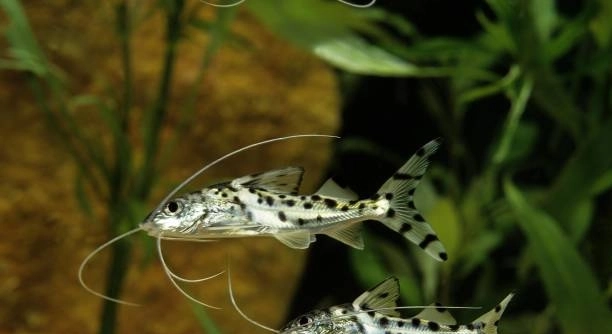
Is your Pictus catfish not growing as expected despite proper care? Many fish owners notice slower growth or stunted size in their aquatic pets. Understanding the reasons behind this can help ensure your catfish thrives in its environment.
Slow or halted growth in Pictus catfish commonly results from inadequate diet, poor water quality, or insufficient tank size. Each factor affects metabolism and health, directly influencing the fish’s development and overall wellbeing. Addressing these variables is key to promoting proper growth.
Knowing what impacts your catfish’s growth will help you create a healthier habitat. This article explains essential factors to watch and how to support your fish’s development.
Common Causes of Stunted Growth in Pictus Catfish
Pictus catfish require specific conditions to grow well. One common issue is an unbalanced diet lacking essential nutrients. These fish need a mix of protein and plant matter to develop properly. Another factor is water quality. High levels of ammonia, nitrites, or nitrates can stress the fish, slowing growth. Additionally, tank size plays a role; cramped spaces limit movement and can stunt growth. Overcrowding also increases competition for food, which impacts size. Temperature is important too—Pictus catfish thrive in temperatures between 75 and 80 degrees Fahrenheit. If the water is too cold or too warm, their metabolism slows, affecting development. Lastly, illness or parasites may contribute to poor growth. Regular monitoring and care can help identify these problems early and improve your catfish’s health.
Maintaining a stable environment with clean water and proper nutrition is essential for healthy growth in Pictus catfish.
Understanding these factors helps to pinpoint what might be holding back your catfish’s size and health.
Improving Diet and Tank Conditions
Adjusting diet is one of the easiest ways to support growth. Providing high-quality pellets, live or frozen foods like bloodworms, and occasional vegetables meets their nutritional needs. Consistent feeding schedules also matter, avoiding overfeeding that can harm water quality. Tank conditions must include regular water changes and a filtration system to maintain cleanliness. A tank size of at least 30 gallons is recommended to give Pictus catfish enough room to swim and grow. Keep water parameters stable by testing regularly and adjusting temperature, pH, and ammonia levels as needed. Prevent overcrowding by limiting the number of fish in the tank. These steps reduce stress and create an environment where growth is encouraged naturally, helping your catfish reach its potential size over time.
Monitoring Water Quality
Regular water testing is crucial for maintaining healthy Pictus catfish growth. Parameters like ammonia, nitrite, nitrate, and pH must stay within safe ranges. Poor water quality causes stress and slows growth.
Ammonia and nitrite should be at zero, while nitrate should remain below 20 ppm. Fluctuating pH can also harm fish. Use a reliable test kit weekly to check water conditions. If levels are off, perform partial water changes immediately to restore balance. Keeping the water clean reduces toxins that interfere with your catfish’s metabolism and overall health. Maintaining stable water parameters prevents illness and supports steady growth.
Water temperature also influences metabolism. Maintain it between 75 and 80 degrees Fahrenheit for optimal health. Sudden temperature changes can shock your fish, delaying growth and causing stress. Monitoring water consistently is a simple yet effective way to promote a healthy environment for your Pictus catfish.
Signs of Health Issues Affecting Growth
Pictus catfish may show symptoms like lethargy, loss of appetite, or abnormal swimming if health problems affect growth. These signs indicate possible infections or parasites.
Parasites and bacterial infections can stunt growth by draining nutrients and weakening the fish. Common illnesses include ich and fin rot. Early detection and treatment improve recovery chances. Quarantine new fish before adding them to your tank to prevent disease spread. Also, maintain clean water and proper nutrition to support the immune system. A healthy immune response helps the fish fight off infections that might slow growth. Promptly addressing health issues keeps your Pictus catfish active and growing steadily.
Tank Size and Space Requirements
Pictus catfish need enough space to swim freely. Small tanks restrict their growth and cause stress. A minimum of 30 gallons is recommended for one adult.
Crowded tanks increase competition for food and lower water quality. Providing sufficient space helps your catfish grow healthier and reduces aggressive behavior.
Feeding Frequency and Food Quality
Feeding your Pictus catfish two to three times daily with varied high-quality food supports consistent growth. Include protein-rich options like bloodworms and pellets designed for catfish.
Avoid overfeeding, as excess food pollutes the tank and stresses the fish. Balanced feeding schedules help maintain water quality and proper nutrition, promoting steady development.
Avoiding Stress Factors
Stress reduces your catfish’s growth rate and weakens its immune system. Avoid sudden changes in water conditions or aggressive tank mates.
Consistent routines and a calm environment help your fish stay healthy and grow at a normal pace.
Recognizing Growth Plateaus
Growth may slow as your Pictus catfish reaches maturity. This plateau is normal and shows your fish has reached its full size potential.
How long does it take for a Pictus catfish to grow fully?
Pictus catfish typically reach their full size in about one to two years. Growth rates depend on factors like diet, water quality, and tank conditions. Under optimal care, they can grow up to 5-6 inches long within this period. Poor conditions may slow growth significantly, so regular monitoring is important.
Why is my Pictus catfish not growing but seems healthy?
Even if your catfish looks healthy, slow growth may be caused by subtle issues such as insufficient nutrition or inadequate tank size. Sometimes water parameters are slightly off, creating stress that isn’t obvious. Check your feeding routine and tank conditions closely to identify hidden factors limiting growth.
Can genetics affect the size of my Pictus catfish?
Yes, genetics play a role in how large a Pictus catfish can grow. Some fish are naturally smaller due to their genetic makeup. While care influences growth, it cannot change the genetic potential. If your catfish remains small despite proper conditions, genetics may be a factor.
Is it normal for growth to slow down after a certain point?
Growth naturally slows as Pictus catfish mature. After reaching adult size, their growth rate decreases significantly. This slowdown is normal and does not indicate illness or poor conditions. Continued good care will keep your fish healthy even if growth is minimal.
How often should I change the water to support growth?
Regular water changes are essential for healthy growth. A 20-30% water change weekly helps remove toxins and maintain stable water quality. In heavily stocked tanks or if water tests show elevated ammonia or nitrates, more frequent changes may be necessary to keep conditions optimal.
What is the best diet to promote growth in Pictus catfish?
A varied diet rich in protein and nutrients promotes steady growth. Include high-quality pellets, frozen or live foods like bloodworms and brine shrimp, and occasional vegetables. Avoid feeding only flakes or low-quality foods, which lack necessary nutrients and slow development.
Can tank mates affect my catfish’s growth?
Yes, aggressive or overly active tank mates can stress your Pictus catfish, causing slower growth. Competition for food also impacts nutrition. Choose peaceful, compatible species and ensure enough space and food to minimize stress and promote healthy growth.
Are supplements necessary for Pictus catfish growth?
Supplements are generally not needed if you provide a balanced diet and good tank conditions. Occasionally, vitamins or minerals can help if a deficiency is suspected, but overuse may cause harm. Focus on proper feeding and water quality as the main growth support.
What should I do if my catfish stops eating?
Loss of appetite is often a sign of stress or illness, both of which affect growth. Check water parameters immediately and inspect the fish for signs of disease. Quarantine sick fish and treat appropriately. Maintaining clean water and a stable environment encourages regular feeding.
Can temperature fluctuations impact growth?
Temperature directly affects metabolism in Pictus catfish. Fluctuations outside their preferred range (75-80°F) can slow growth and cause stress. Consistent temperature helps maintain their health and supports normal development.
How can I tell if my catfish is sick or just growing slowly?
Sick fish usually show additional symptoms such as clamped fins, discoloration, or abnormal behavior. Slow growth alone without these signs often points to environmental or dietary issues. Observe your catfish carefully to differentiate between illness and slow growth.
Is it possible to speed up growth safely?
Growth speed depends largely on genetics and environment. Improving diet, water quality, and tank size can optimize growth but cannot force it to speed up unnaturally. Avoid overfeeding or rapid changes, as these can harm health rather than improve growth.
What role does tank decoration play in growth?
Tank decorations offer hiding spots that reduce stress, which can indirectly support growth. However, overcrowding the tank with decorations reduces swimming space, possibly limiting growth. Balance decorations with open areas for your catfish to swim freely.
How can I prevent stunted growth in young Pictus catfish?
Start with good water quality, adequate tank size, and proper nutrition from the beginning. Monitor water parameters and perform regular maintenance. Avoid overcrowding and stress from aggressive tank mates. Early care sets the foundation for healthy development.
Is feeding live food better than pellets for growth?
Live food can be more nutritious and stimulate natural hunting behavior, supporting growth. However, high-quality pellets formulated for catfish also provide balanced nutrition. A combination of both ensures variety and meets dietary needs for steady development.
What should I do if my Pictus catfish appears small for its age?
Review your tank conditions and feeding habits first. Test water quality, ensure the tank is large enough, and check for signs of stress or disease. Improving these factors often helps the fish resume normal growth. If the problem persists, consider genetics as a possible cause.
The growth of your Pictus catfish depends on several important factors. Ensuring a balanced diet, proper tank size, and clean water are the main steps to support healthy development. Nutrients from varied food like pellets, live, or frozen options provide the energy and materials your catfish needs. Along with nutrition, maintaining stable water quality is crucial. Regular testing and water changes keep harmful chemicals low and create a stress-free environment. Stress, caused by poor conditions or aggressive tank mates, can slow growth significantly. Providing enough space for swimming and hiding also helps reduce stress and supports better health. Paying attention to these basics goes a long way in helping your catfish grow steadily.
Monitoring your Pictus catfish for signs of illness is also part of good care. Slow growth may sometimes result from hidden health problems like parasites or infections. Watch for changes in behavior, appetite, or appearance. Prompt action when illness appears can prevent further health issues and promote recovery. Keeping your tank clean and avoiding overcrowding reduces the chance of disease. In many cases, consistent care and proper environment allow your catfish to reach its full potential size over time. Genetics do influence maximum size, but a healthy environment lets your fish show what it is capable of.
Growth does not happen quickly or without effort. It takes patience to see your Pictus catfish develop at a healthy rate. Changes in size may be gradual, and some periods of slower growth are normal, especially as the fish matures. By providing the right food, clean water, and adequate space, you create the best conditions possible. Maintaining this level of care ensures your catfish stays healthy and active throughout its life. Paying attention to the details will help you avoid common problems that can stunt growth. Your efforts in creating a balanced, stable habitat will make a positive difference for your fish’s wellbeing.

Hello,
If you enjoy the content that we create, please consider saying a "Thank You!" by leaving a tip.
Every little bit helps us continue crafting quality advice that supports the health, happiness, and well-being of pets around the world, for pets of all shapes, sizes, and species.
We really appreciate the kindness and support that you show us!