
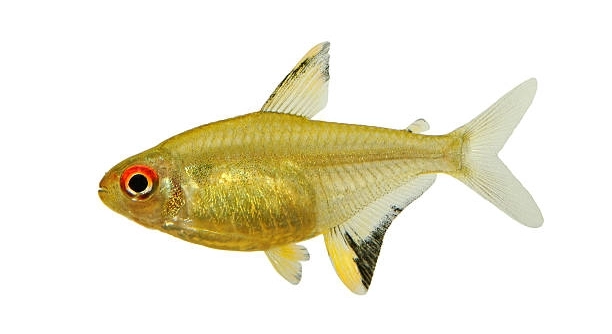
Do you ever notice your arowana swimming away when you try to look at it? Sometimes these fish avoid eye contact, leaving owners feeling puzzled or unsure about their pet’s behavior and mood in the tank.
Arowanas may avoid eye contact due to stress, illness, or environmental discomfort. Observing their behavior carefully, maintaining clean water, and ensuring proper tank conditions can help reduce avoidance and improve the fish’s overall well-being.
Understanding why your arowana behaves this way can improve your care routine and create a more comfortable environment for your fish.
Understanding Arowana Body Language
Arowanas communicate a lot through their body language. If your fish avoids eye contact, it could be showing signs of stress or discomfort. Changes in swimming patterns, hiding, or staying near the tank bottom are common indicators. The way your arowana moves can tell you whether it feels safe or threatened. Lighting, water quality, and tank companions all influence behavior. Even small shifts in temperature or water chemistry can make a noticeable difference. Observing these details daily helps you understand your fish better. Over time, you learn its normal patterns and can spot subtle changes early. Arowanas are sensitive creatures, so even minor disturbances in the tank can impact their mood.
Noticing these behaviors early allows you to adjust conditions before problems worsen, keeping your arowana healthier and calmer in its environment.
Watching your arowana closely over weeks can reveal patterns. Some fish naturally avoid direct eye contact, while others may respond to sudden movements or reflections. Adjusting decorations, maintaining clean water, and providing enough space can reduce stress. Ensuring a balanced diet and consistent feeding schedule also improves confidence.
Environmental Factors Affecting Eye Contact
Tank conditions greatly influence arowana behavior. Poor water quality or small tanks make them more likely to avoid interaction.
Temperature, pH levels, and filtration affect stress levels. Low oxygen or sudden changes in lighting can create discomfort. Arowanas need space to swim freely and hide when they feel threatened. Stress over time can lead to illness and affect feeding habits. Keeping the environment stable helps the fish feel secure. Decorations and floating plants can provide shelter, making them more willing to explore. Avoid overcrowding, as aggressive tank mates can further reduce eye contact. Regular water testing and timely changes ensure ideal conditions. Even slight disturbances in routine can trigger avoidance, so consistency is key. Observing your fish’s preferences, such as favorite swimming spots, lets you tailor the habitat. Over time, a calm, clean tank encourages the arowana to interact more naturally with its surroundings. Understanding these environmental factors is essential for long-term health and better observation.
Feeding and Interaction
Arowanas often avoid eye contact during feeding if they feel threatened or insecure. Feeding at consistent times and using calm movements can encourage them to be more responsive.
Offering food gently and observing their reaction helps build trust. Some arowanas prefer sinking pellets, while others like live or frozen options. Feeding in the same area of the tank reduces stress. Avoid sudden hand movements or tapping the glass, as these actions can startle them. Over time, a consistent routine can make your fish more comfortable and willing to approach during feeding.
Interaction should be gradual. Spending quiet time near the tank and allowing the fish to notice you without direct staring fosters trust. Some arowanas respond positively to hand signals or gentle motions, showing curiosity without fear. Avoid forcing interaction, as this can increase avoidance behavior. Patience and observation are key in understanding their preferences.
Health and Eye Contact
Changes in eye contact can indicate health issues. Cloudy eyes, unusual swimming patterns, or loss of appetite often appear alongside avoidance.
Arowanas are sensitive to waterborne infections, parasites, and nutritional deficiencies. Regularly monitoring their health is essential. If eye avoidance comes with other symptoms, it may signal illness. Quarantining new fish and maintaining optimal water conditions helps prevent disease. Observation of eating habits and behavior is critical; sudden changes can indicate stress or illness. Regular check-ups and water testing ensure early detection of potential problems. Identifying subtle signs allows timely intervention, reducing serious health risks and promoting overall well-being in your arowana.
Tank Companions
Arowanas may avoid eye contact if tank mates are aggressive or territorial. Observing interactions helps identify conflicts.
Choosing compatible fish and avoiding overcrowding reduces stress. Peaceful species allow your arowana to feel secure and maintain normal behavior in the tank.
Lighting and Reflection
Bright lights or reflections can make arowanas nervous, causing them to look away. Adjusting light intensity and positioning can help. Proper lighting should mimic natural day and night cycles, reducing stress and encouraging normal activity.
Stress Reduction Techniques
Providing hiding spots, gentle water flow, and consistent routines helps your arowana feel safer. Small changes in the environment can greatly impact comfort and eye contact.
FAQ
Why does my arowana avoid looking at me sometimes?
Arowanas avoid eye contact mainly due to stress or discomfort. Sudden movements, loud noises, or unfamiliar surroundings can make them shy away. Even reflections on the glass may confuse them. Observing their daily behavior helps determine if avoidance is normal or a sign of stress. Over time, consistent care and a calm environment can encourage your fish to become more confident and interactive.
Can poor water quality affect my arowana’s eye contact?
Yes, water quality has a big impact. High ammonia, nitrite, or nitrate levels can make arowanas feel unsafe and stressed. Cloudy water, sudden temperature changes, or improper pH can also discourage interaction. Maintaining clean water, using a reliable filtration system, and regular testing ensures your fish feels comfortable and healthy.
Does diet influence my arowana’s behavior?
A balanced diet helps your fish feel secure. Irregular feeding or low-quality food can make arowanas anxious, reducing eye contact. Providing high-protein pellets, live or frozen food, and feeding at the same time every day establishes routine and trust. A well-fed fish is more likely to display normal behaviors.
Are tank size and layout important?
Absolutely. Arowanas need space to swim freely. Small or cluttered tanks can make them feel cornered, leading to avoidance behavior. Decorations, hiding spots, and clear swimming areas allow the fish to feel safe and reduce stress. Overcrowding with incompatible species also increases avoidance.
Can illness cause avoidance?
Yes, sudden changes in eye contact can indicate health problems. Signs such as cloudy eyes, lethargy, or loss of appetite often appear alongside avoidance. Parasites, infections, and nutritional deficiencies can make your fish uneasy. Regular monitoring and timely intervention are essential to prevent serious health issues.
Does lighting affect eye contact?
Bright or flickering lights can make arowanas nervous. Sudden glare or strong reflections on the glass may cause them to look away. Adjusting light intensity, providing shaded areas, and maintaining natural day-night cycles helps your fish feel more secure. Proper lighting supports both behavior and overall health.
How do I encourage my arowana to interact more?
Consistency and patience are key. Quietly spending time near the tank, using gentle movements, and offering food in a predictable routine helps build trust. Avoid tapping the glass or forcing interaction. Over time, your fish will gradually become more comfortable and may start observing you without fear.
Are some arowanas naturally shy?
Yes, personality varies. Some fish are naturally cautious and prefer minimal interaction. Understanding your arowana’s temperament prevents unnecessary stress and helps tailor your care approach. Providing a calm environment, consistent routines, and plenty of space accommodates shy behavior without forcing change.
Can tank companions influence eye contact?
Definitely. Aggressive or territorial tank mates may cause your arowana to avoid interaction. Observing behavior carefully and choosing peaceful companions allows your fish to feel secure. Adequate space and hiding spots reduce tension and encourage natural movement, improving overall comfort.
How long does it take for an arowana to feel comfortable?
Adjustment periods vary. Some arowanas adapt in weeks, while others may take months. Consistent care, clean water, proper diet, and a stress-free environment gradually encourage trust and reduce avoidance. Observing patterns and making small environmental improvements accelerates the process.
Arowanas are fascinating fish that can show a lot through their behavior, especially how they react to people around their tank. When your arowana avoids eye contact, it is often a reflection of how comfortable or stressed it feels. Many factors contribute to this behavior, from water quality and tank conditions to diet and tank mates. By paying attention to these details, you can create a safe and calm environment for your fish. Observing the patterns of your arowana’s movements and reactions can help you understand its mood and needs. Even small changes in behavior can provide important clues about its well-being, so consistent observation is key.
Creating a stable and clean environment is one of the most important steps to help your arowana feel secure. Water quality, proper filtration, and regular testing are essential. Sudden changes in temperature or lighting can make your fish nervous, so consistency matters. Providing enough space for swimming and hiding spots allows the fish to feel safe. Tank companions should be chosen carefully, as aggressive or territorial species can increase stress and cause your arowana to avoid interaction. Feeding routines and a proper diet also contribute to comfort and confidence. A well-fed, healthy fish is naturally more relaxed and more likely to interact in its environment. Patience is required, as building trust with your arowana can take weeks or even months.
Behavioral changes like avoiding eye contact often improve once environmental, dietary, and health factors are addressed. Regular observation, gentle interaction, and gradual adjustments in the tank can encourage your arowana to feel more comfortable. Even naturally shy fish may become more confident over time when given consistent care and a secure habitat. Understanding your fish’s individual personality allows you to tailor your approach, supporting its overall well-being and reducing stress. By focusing on proper tank maintenance, diet, and a calm environment, you not only address avoidance behaviors but also promote long-term health. Your attention to these details strengthens the bond between you and your arowana while ensuring it thrives in its aquatic home.

Hello,
If you enjoy the content that we create, please consider saying a "Thank You!" by leaving a tip.
Every little bit helps us continue crafting quality advice that supports the health, happiness, and well-being of pets around the world, for pets of all shapes, sizes, and species.
We really appreciate the kindness and support that you show us!