
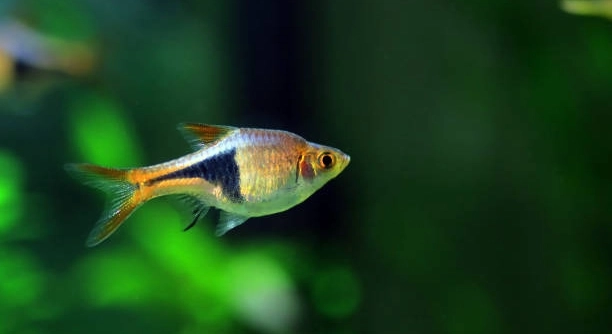
Do you ever notice your rasboras swimming rapidly around the tank and wonder why they suddenly seem so active? These small, peaceful fish can sometimes start chasing each other for reasons that may surprise you.
Rasboras often chase each other as part of natural social behavior or territorial display. This activity can indicate healthy interaction, stress levels, or environmental factors such as tank size, water quality, and the presence of other fish species.
Observing these interactions closely can help you understand their behavior and maintain a balanced, healthy aquarium environment.
Why Rasboras Chase Each Other
Rasboras are naturally active and social fish, and chasing behavior is often part of how they interact. In many cases, it is a sign of play or establishing hierarchy within the group. Watching them swim together, you might notice certain individuals leading while others follow closely. This can be more pronounced when the tank is small or overcrowded. Environmental factors like water temperature, pH, and oxygen levels also affect their energy. If conditions are ideal, chasing is usually harmless and temporary. However, prolonged or aggressive chasing may stress weaker fish or indicate a need for more hiding spaces. Adding plants, decorations, or more swimming room can help balance interactions. Observing how they behave during feeding or changes in tank conditions can give clues about why they chase. Often, small adjustments in their environment make a big difference in reducing tension. Rasboras thrive best when they feel secure and unstressed, allowing natural behaviors to appear without risk.
This chasing behavior is often normal and can reflect healthy interaction among your fish.
Even though chasing can look alarming, it usually does not harm the group if the tank is properly maintained. Careful monitoring and slight environmental changes can ensure everyone stays comfortable and active.
How to Manage Aggressive Chasing
Aggressive chasing usually appears when space is limited or certain fish dominate others.
If chasing becomes excessive, consider rearranging the tank to create hiding spots and open swimming areas. Dense plant clusters or small decorations give timid fish places to rest. Reducing overcrowding by keeping an appropriate number of rasboras also helps. Sometimes, adding more fish of the same species disperses attention and lowers aggression. Monitoring water quality is essential, as poor conditions can increase stress and provoke chasing. Even feeding habits play a role; ensure all fish get enough food so competition is minimal. Observing their behavior over time reveals patterns, helping you make informed changes to the tank. In most cases, small adjustments like adding plants, changing decorations, or slightly increasing tank size result in calmer interactions. Understanding the balance between natural activity and stress is key to maintaining a healthy aquarium where rasboras can swim freely without harm.
Recognizing Signs of Stress in Rasboras
Rapid, constant chasing can indicate stress in your rasboras. Fish may hide more often, lose color, or refuse food when overwhelmed.
Stress often results from overcrowding, poor water conditions, or sudden changes in the tank. Rasboras are sensitive to temperature fluctuations and chemical imbalances. Even minor disruptions, like moving decorations or adding new fish, can trigger prolonged chasing and tension. Observing which fish are constantly chased helps identify dominant or aggressive individuals. Maintaining stable water parameters, providing sufficient swimming space, and introducing hiding spots can reduce stress. Regular monitoring ensures that the fish stay active without showing signs of strain. Consistent care and attention to their environment prevent long-term health issues caused by chronic stress.
Providing plants, decorations, or open swimming space can help calm the group and reduce tension during interactions.
Adjusting Tank Environment for Better Behavior
Adding dense plants or hiding spaces can give shy fish relief and reduce constant chasing.
Adjusting the tank setup can make a big difference in rasbora behavior. Plants, rocks, or other decorations create boundaries and escape routes, which reduce dominance displays and allow weaker fish to rest. Proper tank size is crucial; small tanks limit movement, intensifying chasing. Even lighting and water flow affect energy levels—bright lights or strong currents can trigger fast swimming and chasing. Regularly checking water quality ensures healthy conditions, as poor water increases stress and aggression. Strategic rearrangement and environmental enrichment encourage natural swimming patterns while minimizing conflict. Over time, rasboras adapt to a more balanced environment, showing calmer interactions and improved overall health.
Monitoring their behavior after changes helps determine if the adjustments effectively reduce aggression and keep all fish comfortable.
Choosing Compatible Tank Mates
Rasboras do best with peaceful, similarly sized fish that won’t provoke aggression.
Avoid aggressive or overly large fish that may intimidate or chase them in return. Choosing calm companions reduces stress and allows rasboras to swim naturally without constant fleeing.
Feeding Habits and Chasing
Uneven feeding can trigger chasing, as dominant fish compete for food.
Providing multiple feeding spots ensures that all rasboras get enough food, lowering competition. Using high-quality flakes, frozen, or live foods helps maintain health and reduces stress. Observing feeding behavior can reveal which fish are more aggressive, allowing minor adjustments. Consistent feeding schedules and portions keep everyone balanced. Proper feeding management contributes to calmer interactions and healthier fish, preventing chasing driven by hunger or resource competition.
Observing Natural Behavior
Some chasing is simply playful or social interaction among rasboras.
Recognizing normal patterns helps distinguish between harmless activity and stress-induced aggression.
FAQ
Why do my rasboras chase each other constantly?
Constant chasing often relates to social hierarchy or environmental stress. Rasboras are active fish that establish pecking orders through brief chasing. If the tank is crowded, lacks hiding spaces, or water conditions are unstable, chasing can intensify and last longer than usual.
Is chasing always harmful for rasboras?
Not always. Brief, playful chasing is a normal social behavior. It helps establish group dynamics and exercise. However, prolonged or aggressive chasing can stress weaker fish, causing color loss, hiding, or reduced appetite. Monitoring interactions is important to prevent long-term harm.
How can I tell if chasing is due to stress?
Signs of stress include faded colors, lethargy, hiding, and refusal to eat. Aggressive or persistent chasing combined with these symptoms often indicates stress rather than normal social behavior. Checking water quality, temperature, and tank layout can identify potential stressors.
What tank size is ideal to prevent excessive chasing?
A tank of at least 20 gallons is recommended for a small school of rasboras. Larger tanks provide enough swimming space, reducing competition and dominance behavior. Overcrowding increases chasing, stress, and risk of injury. Proper spacing allows more natural movement and calmer interactions.
Can tank decorations reduce chasing?
Yes, plants, rocks, and hiding spots help weaker fish escape and lower tension. Dense plant clusters or decorations create boundaries and offer refuge during chasing. Rearranging the tank occasionally can prevent fish from establishing overly dominant territories and promote healthier interactions.
Should I change the group size of rasboras to manage chasing?
Group size matters. Rasboras are schooling fish and feel safer in groups of six or more. Too few can increase stress and aggression, while overcrowding can worsen chasing. Finding a balanced number allows natural social behavior without excessive competition.
Does feeding affect chasing behavior?
Feeding can trigger chasing if dominant fish compete for food. Providing multiple feeding spots ensures all fish eat without stress. Using high-quality flakes, frozen, or live food reduces aggression. Consistent feeding schedules prevent sudden bursts of chasing during meal times.
Can adding new fish increase chasing?
Introducing new fish often sparks temporary chasing as hierarchies are reestablished. Providing hiding spots, adjusting tank layout, and monitoring interactions helps reduce stress. Gradual introductions and keeping the water parameters stable can minimize aggressive behavior.
How do I know when chasing is dangerous?
Chasing becomes dangerous if weaker fish show injury, persistent hiding, or stress-related illness. Continuous aggressive behavior, torn fins, or pale coloration signals the need for intervention. Separating aggressive individuals or improving the tank environment is necessary in severe cases.
Are there signs of playful chasing to watch for?
Playful chasing is usually short, with fish quickly returning to normal swimming patterns. Both dominant and subordinate fish appear relaxed, without hiding or showing stress. This behavior promotes activity and social bonding, differing from aggressive chasing, which is prolonged and stressful.
Can water conditions influence chasing behavior?
Yes, poor water quality increases stress and encourages chasing. Unstable temperature, high ammonia, nitrite, or nitrate levels can make fish more irritable. Regular testing, water changes, and maintaining proper parameters keep rasboras healthy and calmer.
Is it necessary to separate chasing fish?
Separation is rarely needed unless aggression causes injury or extreme stress. Often, environmental adjustments like plants, decorations, or additional space resolve issues without removing fish. Separation should be a last resort for the most aggressive individuals.
Do all rasboras chase in the same way?
No, behavior varies by species, personality, and group dynamics. Some species are naturally more active or dominant, while others are shy and avoid conflict. Observing your specific group helps understand normal behavior patterns and prevent unnecessary worry.
How long does chasing usually last after changes in the tank?
Temporary chasing often subsides within hours to days as fish adjust to new tank mates, decorations, or layouts. Persistent chasing may indicate stress or environmental issues that require further attention, such as tank size, water quality, or hiding spots.
Can temperature affect chasing behavior?
Yes, higher temperatures can increase activity and chasing frequency, while cooler temperatures slow movement. Maintaining a stable range suitable for rasboras, usually 72-78°F (22-26°C), helps regulate behavior and reduces stress-related chasing.
What is the role of hiding spots in reducing stress?
Hiding spots give timid or weaker fish a safe place to rest and avoid confrontation. This reduces stress, prevents injuries, and allows dominant fish to establish their territory without constant aggression. Plants, caves, and decorations are all effective.
Does lighting influence chasing?
Bright or fluctuating lighting can increase activity and provoke chasing. Moderate, consistent lighting helps maintain calm behavior. Providing shaded areas or plants offers relief for fish that prefer dimmer spaces.
Are there behavioral signs to watch for after adjusting the tank?
After adjustments, watch for reduced chasing, normal swimming, healthy color, and regular feeding. Increased hiding, aggression, or lethargy indicates further changes are needed. Regular observation ensures a balanced, stress-free environment for your rasboras.
Can seasonal changes affect chasing behavior?
Seasonal temperature changes or light cycles may influence activity levels. Maintaining stable conditions, even during seasonal shifts, helps prevent unnecessary chasing or stress. Minor adjustments to heating, lighting, and feeding routines keep behavior consistent.
How can I encourage natural, non-aggressive chasing?
Provide ample space, consistent feeding, hiding spots, and a balanced group. This allows short bursts of playful chasing without stress. Observing behavior helps distinguish healthy social interaction from harmful aggression.
Final Thoughts
Rasboras are small, lively fish that show many different behaviors, and chasing is one of the most common. While it can look alarming at first, much of the chasing is a natural part of their social interactions. Fish often chase to establish a hierarchy within the school, exercise, or simply explore their environment. Observing your rasboras closely helps you understand whether the behavior is normal or a sign of stress. Over time, you learn to recognize patterns, such as when chasing happens more often during feeding or when the tank is disturbed. These subtle signs are useful in maintaining a healthy aquarium where the fish feel comfortable and safe.
Managing chasing effectively starts with the tank environment. Providing enough space is key, as cramped conditions can increase stress and trigger more frequent chasing. Decorations, plants, and hiding spots are also important, offering timid fish places to rest and escape if needed. Water quality cannot be overlooked, as poor conditions make fish more irritable and prone to aggressive behavior. Regular checks of temperature, pH, and chemical levels ensure the tank remains stable. Feeding habits play a role too, and having multiple feeding spots reduces competition for food. By adjusting these factors, chasing often becomes calmer and less stressful for all the fish.
Understanding your rasboras’ behavior also means paying attention to their group dynamics. Rasboras thrive in schools, and keeping the right number of fish allows natural social interactions to occur without excessive aggression. Observing how individual fish behave, which ones tend to dominate, and which ones are more passive helps in creating a balanced environment. Temporary chasing is usually harmless, but persistent aggressive chasing may require interventions like rearranging the tank or providing more hiding spots. Over time, a carefully maintained tank encourages natural behavior, helps reduce stress, and ensures the well-being of every fish. Watching them swim and interact can be rewarding, giving insight into their personalities while allowing them to live healthy, active lives.

Hello,
If you enjoy the content that we create, please consider saying a "Thank You!" by leaving a tip.
Every little bit helps us continue crafting quality advice that supports the health, happiness, and well-being of pets around the world, for pets of all shapes, sizes, and species.
We really appreciate the kindness and support that you show us!