
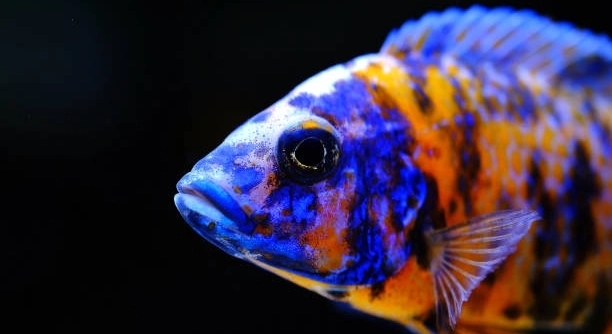
Do your convict cichlids usually eat without issue but suddenly one seems uninterested in food? This can feel concerning for any aquarist who cares about maintaining a healthy and balanced aquarium environment for their fish.
When a convict cichlid stops eating, it is often a sign of stress, illness, or environmental changes. Monitoring water parameters, observing behavior, and adjusting diet are essential steps to restore normal feeding patterns and ensure proper health.
Knowing the reasons behind this change will help you take action quickly and prevent further complications in your aquarium setup.
Common Reasons a Convict Cichlid Stops Eating
Stress is one of the main reasons a convict cichlid may stop eating. Changes in water temperature, aggressive tankmates, or recent tank rearrangements can make them anxious. Illness also affects appetite, with symptoms like lethargy, clamped fins, or unusual swimming patterns often appearing before feeding habits change. Parasites, bacterial infections, or internal issues can prevent them from eating normally. Diet also plays a role; feeding the wrong type or overfeeding can lead to disinterest in food. Ensuring a balanced diet with occasional variety helps maintain consistent appetite. Environmental factors, such as poor water quality, low oxygen, or incorrect pH, create conditions that discourage feeding. Observing your fish closely and noting any changes in behavior or appearance can help identify the problem early. By addressing these issues, you can often restore appetite and prevent long-term health problems, keeping your aquarium stable and your fish healthy.
Regular water testing and proper tank maintenance are key to preventing appetite loss.
Monitoring your cichlid carefully for changes in behavior, appetite, and interaction with tankmates provides clues for necessary adjustments. Consistent routines in feeding and environment can make a noticeable difference.
How to Encourage Eating
Start by offering foods your convict cichlid normally enjoys. Freeze-dried, live, or high-quality pellets can tempt them back to eating. Avoid overfeeding, which can further reduce interest. Maintaining stable water conditions and limiting stressors, such as aggressive tankmates or sudden changes, supports recovery.
If your cichlid still refuses food, consider gradual changes. Introduce new food slowly, and try feeding in quiet areas of the tank where the fish feels safe. Removing potential stressors like overly aggressive companions or sudden disturbances helps. Sometimes, separating the fish temporarily in a smaller quarantine tank can encourage eating while monitoring health closely. Check for signs of disease such as bloating, lesions, or abnormal swimming, and treat promptly if necessary. Providing a balanced diet rich in protein and vegetables supports recovery, while consistent tank maintenance ensures optimal conditions. Patience and careful observation are essential, as appetite can return gradually once stress and environmental factors are addressed. Regularly documenting behavior and feeding patterns allows you to notice improvements or setbacks quickly.
Monitoring Water Quality
Keeping water clean and stable is essential for a convict cichlid’s appetite. Regularly testing for ammonia, nitrites, and nitrates prevents toxic conditions. Temperature and pH stability also support healthy feeding habits. Small, consistent adjustments are better than sudden changes.
Even minor fluctuations in water quality can stress convict cichlids, leading to a refusal to eat. High ammonia or nitrite levels can irritate their gills and reduce energy, while improper pH levels can affect their metabolism. Frequent partial water changes, careful filtration, and avoiding overfeeding help maintain a safe environment. Observing behavior after water changes can indicate whether conditions are improving or still causing stress.
Proper filtration and aeration support consistent oxygen levels, which are crucial for maintaining appetite. Uneaten food should be removed promptly to prevent contamination. A stable, clean environment reduces stress and illness risk. Keeping a log of water tests and changes helps track patterns, ensuring your fish remain healthy and more willing to eat. Monitoring consistently allows for early detection of problems before they affect feeding.
Identifying Illness Early
Changes in appearance or behavior often signal illness before appetite loss becomes severe. Look for clamped fins, bloating, or unusual swimming patterns. Quick action can prevent worsening conditions.
Illness in convict cichlids can develop quickly and reduce feeding. Bacterial infections, parasites, and internal issues are common causes. Early signs may include lethargy, rubbing against objects, or faded coloration. Identifying symptoms promptly allows for targeted treatment, whether through medicated food, water treatments, or temporary isolation in a quarantine tank. Prompt action minimizes stress on other tank inhabitants and increases recovery chances.
Preventing illness involves more than treatment. Regular tank maintenance, proper nutrition, and observing social dynamics reduce disease risk. Isolation of new fish and monitoring for aggression also help. Keeping stress low supports the immune system, allowing cichlids to resist minor infections. By consistently observing behavior and appearance, you can catch problems early and take steps before appetite loss becomes severe, ensuring the overall health and stability of your aquarium.
Adjusting Diet
Offering a variety of foods can encourage a convict cichlid to eat again. Rotate between pellets, live, and frozen options to stimulate interest. Avoid overfeeding, as it can reduce appetite and cause water issues.
Introducing small portions several times a day helps the fish adjust gradually. Consistency in feeding times can restore routine and improve interest in food.
Reducing Stress in the Tank
Stress from tankmates, sudden changes, or environmental disturbances often leads to appetite loss. Creating hiding spots and maintaining a calm environment helps the cichlid feel secure. Stable routines and minimal disruption encourage normal feeding behavior.
Using Quarantine When Necessary
Separating the fish in a quarantine tank can help restore appetite. It allows close monitoring and reduces exposure to aggressive tankmates or illness.
FAQ
Why has my convict cichlid stopped eating suddenly?
A sudden loss of appetite is often related to stress, illness, or changes in the tank environment. Stress can come from aggressive tankmates, recent rearrangements, or fluctuating water conditions. Illness may include bacterial infections, parasites, or internal health issues. Observing behavior and checking water quality can help identify the cause.
How can I tell if my cichlid is sick?
Signs of illness include clamped fins, bloating, unusual swimming patterns, faded colors, or rubbing against tank objects. Lethargy and reduced interaction with tankmates are also common. Monitoring these behaviors early allows for timely intervention and increases recovery chances.
What foods are best to encourage eating?
High-quality pellets, frozen foods, and live foods are effective options. Rotating between types can stimulate appetite. Small, frequent portions work better than large amounts, which can overwhelm the fish and pollute the water. Balanced nutrition supports recovery and overall health.
Can water quality affect feeding habits?
Yes. High ammonia, nitrite, or nitrate levels, unstable pH, and temperature fluctuations can stress fish and reduce appetite. Regular water testing, consistent partial water changes, and proper filtration help maintain a stable environment, encouraging normal feeding behavior.
Is separating the fish helpful?
Quarantine or temporary separation can be beneficial, especially if tankmates are aggressive or if illness is suspected. Isolation reduces stress, allows closer monitoring, and prevents the spread of disease. A small, well-maintained tank can help the fish regain its appetite safely.
How long will it take for a convict cichlid to start eating again?
Recovery varies depending on the cause. With proper care, appetite can return within a few days, but stress or illness may take longer. Consistency in feeding routines, water quality, and stress reduction significantly improves the likelihood of faster recovery.
Can overfeeding cause appetite loss?
Yes, overfeeding can make cichlids disinterested in food. Excess food can pollute the water and create competition among tankmates. Offering controlled portions and removing uneaten food promptly prevents this problem. Small, frequent meals are more effective than one large feeding.
When should I use medicated food or treatments?
Medicated food or water treatments are appropriate if illness is suspected and signs are evident, such as bloating, sores, or lethargy. Use medications carefully according to instructions, and maintain water quality to reduce additional stress on the fish.
Do tankmates affect feeding behavior?
Aggressive or dominant tankmates can prevent a convict cichlid from eating. Observing interactions and creating hiding spaces helps the fish feel safe. In some cases, rearranging the tank or separating aggressive fish may be necessary to restore feeding habits.
Can environmental changes help restore appetite?
Yes. Providing hiding spots, consistent light cycles, and stable temperatures helps reduce stress. Avoid sudden changes in the tank, including decorations or substrate, as this can discourage feeding. Calm, predictable routines support recovery and improve overall well-being.
How can I prevent appetite loss in the future?
Regular water testing, proper feeding, maintaining a calm tank environment, and monitoring fish behavior consistently help prevent future feeding problems. Ensuring social compatibility among tankmates and avoiding sudden changes reduces stress, keeping your convict cichlid healthy and consistently eating.
What should I do if the fish still won’t eat?
If the fish refuses food after addressing stress, diet, and water quality, consult a veterinarian or experienced aquarist. They can help identify hidden illnesses or provide guidance for more advanced treatments, ensuring the health and safety of your cichlid.
How does temperature influence feeding?
Convict cichlids are sensitive to temperature changes. Too cold or too warm water slows metabolism and reduces appetite. Maintaining a stable, appropriate temperature range encourages normal feeding and overall activity. A reliable heater and thermometer are essential tools for consistent conditions.
Can I stimulate appetite with live foods?
Yes, live foods often trigger interest in feeding. Brine shrimp, daphnia, or bloodworms can encourage a reluctant fish to eat. Introduce live foods gradually, ensuring they are safe and disease-free to prevent additional health issues.
How important is observation in resolving feeding problems?
Careful, consistent observation is key. Noting behavior, appearance, and interactions with tankmates helps identify stressors or illness early. Keeping a simple log of feeding times and reactions allows for quick intervention, improving recovery chances and preventing future appetite loss.
How do I balance diet variety without causing issues?
Rotate between high-quality pellets, frozen, and live foods. Introduce new foods slowly to avoid digestive upset. Avoid overfeeding, and maintain proper tank hygiene. A balanced diet provides necessary nutrients, supports immune health, and encourages consistent appetite.
Are there signs that the fish is recovering?
Improved swimming activity, brighter coloration, normal interactions with tankmates, and gradual interest in food indicate recovery. Appetite may return slowly at first, but consistent monitoring ensures that positive changes are noted and adjustments can be made if needed.
Can stress from handling affect feeding?
Yes. Frequent handling, netting, or sudden disturbances can make a fish wary and reduce appetite. Minimize direct contact and approach the tank calmly to maintain a stress-free environment, which encourages normal feeding behavior.
What if more than one fish stops eating?
Multiple fish refusing food often signals a tank-wide issue, such as water quality or disease. Check parameters immediately, observe all fish for symptoms, and treat or adjust conditions as necessary. Quick action prevents escalation and keeps the tank healthy.
How do hiding spots help encourage feeding?
Providing shelters allows fish to feel safe while eating. Hiding spots reduce stress from aggressive tankmates or environmental changes, encouraging normal feeding patterns. Rocks, plants, or small caves create secure areas that promote confidence and appetite recovery.
Can appetite loss lead to long-term health issues?
Yes. Extended periods without food weaken the immune system, reduce energy, and make fish more vulnerable to disease. Prompt attention to feeding problems, proper nutrition, and stress reduction are essential to prevent lasting damage and maintain long-term health.
How often should I monitor my cichlid for appetite changes?
Daily observation is ideal. Watching feeding behavior, swimming patterns, and interactions ensures any issues are noticed quickly. Keeping a simple routine and record of feeding helps detect small changes before they become serious, supporting overall health and recovery.
Is it normal for convict cichlids to skip meals occasionally?
Occasional skipped meals are not unusual, especially during minor stress or environmental adjustments. However, prolonged refusal to eat signals a problem. Monitoring patterns over several days helps distinguish normal variation from concerning appetite loss.
What steps help restore appetite after illness?
Maintain clean water, reduce stress, provide balanced food, and isolate the fish if needed. Monitor behavior closely and adjust diet gradually. Consistency, patience, and careful observation are key to helping the cichlid regain normal eating habits safely.
How can I tell if a diet change is working?
Look for renewed interest in food, gradual weight gain, improved coloration, and normal activity. Track changes over several days, and continue adjustments if needed. Positive response indicates the new diet or feeding routine is supporting recovery effectively.
Should I consult a professional if appetite does not return?
Yes. Persistent refusal to eat despite adjustments and care may indicate underlying illness. A veterinarian or experienced aquarist can provide targeted solutions, proper medication, or guidance to restore health and appetite, preventing long-term complications.
How important is tank consistency in feeding habits?
Consistency is critical. Stable water parameters, feeding schedules, and minimal disturbances create a secure environment. Fish are more likely to eat regularly when their surroundings are predictable, reducing stress and supporting healthy, long-term feeding behavior.
Can seasonal changes affect appetite?
Temperature and light changes across seasons can influence metabolism and feeding. Maintaining stable indoor tank conditions helps mitigate these effects. Adjusting feeding slightly during seasonal shifts may be necessary, but dramatic changes should be avoided to prevent stress.
How does aggression in the tank influence feeding?
Dominant or territorial fish can intimidate others, preventing access to food. Separating aggressive individuals or providing multiple feeding spots ensures all fish can eat safely, reducing stress and encouraging normal appetite recovery.
Is it normal for appetite to return gradually?
Yes. After stress or illness, fish often resume eating slowly. Initial interest may be limited, and it can take several days for appetite to normalize fully. Patience and consistent care are essential during this recovery phase.
What role does water temperature play in appetite recovery?
Stable, appropriate water temperature supports metabolism and encourages feeding. Sudden drops or rises can delay appetite restoration. Using a reliable heater and thermometer ensures consistent conditions, making it easier for the cichlid to regain normal feeding habits.
How do I safely introduce new foods?
Offer small amounts at first, mixing with familiar foods if needed. Observe for acceptance and digestion. Gradual introduction prevents stress and digestive upset, helping the fish adapt and maintain interest in eating.
Can appetite loss indicate environmental imbalance rather than illness?
Yes. Poor water quality, inadequate hiding spaces, or incompatible tankmates often reduce feeding. Addressing these factors before assuming disease can restore appetite quickly, preventing unnecessary treatments and supporting long-term fish health.
Are supplements necessary to restore appetite?
Supplements can help if dietary deficiencies are suspected, but they are secondary to proper diet, water quality, and stress reduction. Balanced nutrition and a stable environment are more important for sustained appetite recovery.
How do I know when intervention is urgent?
Persistent refusal to eat beyond a few days, visible signs of illness, or sudden behavioral changes require prompt attention. Quick action improves recovery chances and prevents further health decline in your cichlid.
How can I track feeding progress effectively?
Keep a simple log of food offered, quantity eaten, and behavior observed. Daily notes highlight patterns and help identify improvements or setbacks. This record is useful for adjusting diet, monitoring health, and communicating with a professional if needed.
Does tank size impact appetite?
Overcrowding increases stress and competition, often reducing feeding. Providing adequate space, hiding spots, and separate feeding areas ensures all fish can eat comfortably, supporting recovery and overall well-being.
Can sudden water changes cause appetite loss?
Yes. Large or rapid water changes can shock fish, temporarily reducing feeding. Gradual adjustments and maintaining stable conditions prevent stress and help the cichlid resume normal eating habits more quickly.
How do I know if feeding issues are temporary?
Observe for gradual improvement in appetite and behavior over several days. Temporary issues often resolve with minor adjustments, while persistent refusal may indicate illness or chronic stress requiring intervention.
What is the best way to resume feeding after illness?
Start with small, high-quality portions, offer familiar foods first, and reduce stress. Gradually reintroduce variety as appetite returns. Monitoring progress ensures the fish eats consistently without overloading the digestive system.
Can environmental enrichment influence feeding?
Yes. Providing hiding spots, plants, and structured tank layouts reduces stress and promotes confidence, making fish more willing to eat. A secure environment encourages normal feeding patterns and improves overall health.
How do I balance multiple factors affecting appetite?
Address water quality, stress, diet, and social dynamics together. Focusing on one area may not be enough. Regular observation, consistent maintenance, and gradual adjustments create conditions that support recovery and prevent future appetite loss.
How important is patience in restoring feeding habits?
Patience is crucial. Appetite recovery can be slow, and rushing interventions may worsen stress. Consistency, observation, and gradual adjustments are key to helping a convict cichlid resume normal feeding safely and effectively.
What role does observation of tankmates play?
Watching how other fish interact helps identify stress sources. Aggression or territorial behavior can prevent feeding. Adjusting tank layout or separating aggressive individuals ensures a calm environment, encouraging normal appetite restoration.
Can skipped meals indicate a long-term problem?
Occasional skipped meals are normal, but persistent refusal signals stress, illness, or environmental imbalance. Monitoring patterns over time helps determine if intervention is necessary to restore health and feeding habits.
Is it normal for appetite to fluctuate with breeding cycles?
Yes. Convict cichlids may eat less during spawning or guarding eggs. Temporary appetite reduction is expected, but consistent monitoring ensures the fish stays healthy during these periods.
How do I create a feeding-friendly environment?
Maintain stable water, provide hiding spots, avoid overcrowding, and feed small, regular portions. Minimize stress from handling or disturbances, creating a predictable and safe environment that encourages consistent feeding behavior.
Can I rely on visual cues alone to assess feeding problems?
Visual observation is essential, but water testing and monitoring behavior provide a complete picture. Combining both ensures you detect subtle issues early, preventing appetite loss from becoming a serious health problem.
How do I adjust care for a recovering fish?
Maintain clean water, provide stress-free conditions, feed small, balanced meals, and monitor closely. Gradual reintroduction of normal routines supports full recovery and prevents relapse, ensuring the fish regains appetite safely and consistently.
What signs show full recovery of appetite?
Regular interest in food, consistent consumption, normal activity levels, and healthy coloration indicate recovery. Appetite should stabilize, and the fish interacts normally with tankmates, showing that environmental and health factors are balanced.
How often should I review tank conditions for feeding issues?
Frequent checks, ideally daily, allow early detection of problems. Testing water, observing fish, and maintaining feeding logs ensure that issues are addressed promptly, supporting consistent appetite and overall health.
Can diet alone fix feeding problems?
Diet is important but must be combined with stable water, low stress, and disease management. Addressing all factors together provides the best chance of restoring normal feeding habits and maintaining long-term health.
What role does tank layout play in feeding recovery?
Hiding spots, clear swimming space, and well-placed feeding areas reduce stress and competition. Thoughtful layout supports a calm environment where the fish feels safe to eat, improving appetite recovery.
Are there signs that intervention is not working?
Persistent refusal to eat, worsening health, or increased stress despite adjustments indicates further action is needed. Consulting a professional or adjusting environmental factors more significantly may be necessary to restore appetite.
How do I prevent future appetite issues?
Maintain stable water, monitor health, provide varied and balanced diet, and reduce stress from tankmates or environment. Regular observation, consistent routines, and preventive measures help ensure a convict cichlid eats consistently and remains healthy.
Can stress from lighting affect feeding?
Harsh or inconsistent lighting can make fish wary and reduce appetite. Maintaining a regular light schedule and avoiding overly bright or flickering lights helps create a comfortable environment conducive to normal feeding.
What is the safest way to reintroduce foods?
Introduce new foods in small portions, combining them with familiar items. Observe for acceptance and digestion before offering more. Gradual introduction minimizes stress and supports appetite recovery.
Does tank temperature need adjustment during illness recovery?
Maintaining a stable, appropriate temperature supports metabolism and encourages eating. Avoid sudden changes, as fluctuations can delay recovery and appetite restoration. Consistent conditions are essential for regaining normal feeding habits.
How can I track subtle appetite changes?
Keep a log of food offered, amount eaten, and behavior observed. Even small reductions in interest indicate potential stress or illness, allowing for early intervention and adjustments to restore feeding.
Can feeding routines affect recovery speed?
Yes. Consistent, small, and frequent meals create predictable routines, encouraging eating. Abrupt changes in timing or portion size can stress fish and slow recovery, so maintaining regular schedules is important.
Is it normal for appetite to return gradually after stress?
Yes. Recovery may start with small bites, increasing over several days. Patience, consistent care, and a calm environment support gradual restoration of normal feeding behavior.
How can hiding spots improve recovery?
Secure areas reduce stress from tankmates or disturbances, allowing fish to eat without feeling threatened. Multiple hiding spots and well-placed decorations support confidence and appetite restoration.
Can water flow affect feeding habits?
Strong currents or uneven flow can discourage feeding. Adjusting flow to moderate levels ensures fish can eat comfortably without stress, supporting consistent appetite.
How do I know if illness is still present?
Ongoing lethargy, clamped fins, bloating, or refusal to eat indicates illness. Persistent signs require treatment or professional consultation to restore health and appetite.
What is the best way to maintain consistent appetite?
Stable water, balanced diet, low stress, predictable routines, and regular observation help ensure convict cichlids eat consistently and remain healthy over time.
How do I balance multiple recovery strategies?
Combine water quality maintenance, stress reduction, diet adjustments, observation, and quarantine if necessary. Addressing all factors together supports efficient and safe recovery, restoring normal feeding habits.
Can tank temperature fluctuations cause long-term appetite issues?
Yes. Repeated fluctuations can stress metabolism and reduce interest in food over time. Maintaining stable, appropriate temperatures prevents chronic feeding problems and supports overall health.
How do I prevent feeding issues during breeding?
Provide hiding spots, reduce stress, maintain stable water, and offer small, nutritious meals. Monitoring closely ensures adults eat properly while caring for eggs or fry.
Are supplements ever necessary?
Supplements can help if nutrient deficiencies are suspected but should be secondary to proper diet, water quality, and stress reduction. Balanced nutrition and a stable environment are more important for appetite recovery.
How do I adjust feeding for aggressive tankmates?
Feed in multiple locations, provide hiding spots, or separate aggressive individuals. Ensuring all fish have safe access to food encourages normal appetite and reduces stress-related feeding issues.
Can environmental enrichment prevent appetite loss?
Yes. Plants, hiding spots, and structured tank layouts reduce stress and encourage fish to eat. A secure and stimulating environment supports consistent feeding and overall well-being.
What are signs of successful recovery?
Interest in food, consistent consumption, normal swimming, interaction with tankmates, and healthy coloration indicate recovery. Appetite should normalize gradually with stable conditions and proper care.
How can I tell if a feeding problem is serious?
Persistent refusal to eat, visible signs of illness, sudden behavioral changes, or multiple affected fish indicate serious issues requiring prompt attention.
What steps ensure long-term feeding stability?
Maintain clean water, reduce stress, provide balanced diet, observe behavior, and ensure compatible tankmates. Consistency in environment and care prevents appetite problems and supports healthy growth and activity.
How important is patience during recovery?
Patience is essential. Appetite may return gradually. Consistent care, calm environment, and careful observation allow safe restoration of normal feeding habits over time.
Can skipped meals indicate stress or illness?
Occasional skipped meals are normal, but persistent loss of appetite signals stress, illness, or environmental imbalance. Monitoring patterns helps determine when intervention is necessary.
How do I safely test new foods?
Introduce small amounts, mix with familiar foods, and monitor for acceptance and digestion. Gradual introduction reduces stress
Convict cichlids are generally hardy fish, but appetite changes can signal important issues in the tank. When one stops eating, it is usually due to stress, illness, or environmental changes. These fish rely heavily on stable conditions to maintain their health, so even minor disruptions in water quality, tank layout, or interactions with other fish can affect feeding. Keeping a close eye on water parameters like temperature, pH, ammonia, and nitrites is essential. Regular testing and partial water changes help maintain a safe and consistent environment, which supports both appetite and overall health. Observing behavior daily provides early signs of stress or disease, allowing you to address problems before they become more serious. By taking these steps, you can often prevent prolonged feeding issues and support the long-term well-being of your cichlid.
Diet also plays a crucial role in maintaining appetite. A varied diet that includes high-quality pellets, frozen foods, and occasional live options can keep your fish interested in eating. Overfeeding should be avoided, as it can reduce appetite and pollute the water, creating additional stress. Offering small, frequent meals and observing how the fish responds allows you to adjust portions or food types if needed. When a fish stops eating, temporarily adjusting the diet to more enticing options or introducing new textures can help stimulate interest. For some fish, providing food in quieter areas of the tank or reducing disturbances during feeding time encourages normal eating habits. Maintaining consistent feeding routines combined with careful observation ensures that any appetite issues are identified quickly and addressed effectively.
Stress reduction and environmental management are just as important as diet and water quality. Aggressive tankmates, sudden changes to the tank layout, or even bright or inconsistent lighting can discourage a cichlid from eating. Providing hiding spots, secure areas, and a calm environment can make the fish feel safe and more willing to feed. In cases where illness or stress persists, temporary separation in a quarantine tank allows closer monitoring and prevents further complications. Recovery may take time, and patience is essential. Gradual improvements in appetite, behavior, and appearance are signs that your cichlid is returning to normal. By combining consistent water maintenance, careful feeding practices, and stress management, you can support a healthy, balanced environment that encourages regular eating and overall well-being for your convict cichlid.

Hello,
If you enjoy the content that we create, please consider saying a "Thank You!" by leaving a tip.
Every little bit helps us continue crafting quality advice that supports the health, happiness, and well-being of pets around the world, for pets of all shapes, sizes, and species.
We really appreciate the kindness and support that you show us!