
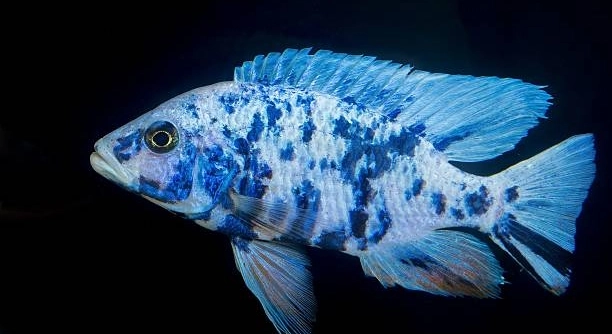
Have you ever noticed cichlid fry lingering near their parents, refusing independence within the aquarium environment, creating concern for caretakers managing space, feeding routines, and social balance in a growing community tank at home setups?
Cichlid fry often remain with parents due to strong parental care instincts, territorial safety, and continued feeding behaviors. This persistence occurs when environmental conditions favor protection, adequate resources, and stable hierarchy, reducing natural dispersal until maturity or external separation occurs.
Learning why fry stay close helps aquarists plan tank adjustments, reduce stress, and support healthy development over time consistently successfully.
Why Cichlid Fry Stay Close to Parents
Cichlid fry often remain close to their parents because survival is strongly linked to protection and structure. In many species, adults guard territories, fan eggs, and guide fry toward food sources. This behavior does not stop immediately after hatching. Fry learn feeding patterns, threat recognition, and spatial boundaries by staying nearby. When tanks provide stable water parameters, consistent feeding, and limited pressure from other fish, fry feel little need to separate. I have noticed this behavior becomes stronger in calm aquariums with predictable routines. Parental dominance also plays a role, as adults control movement within their territory. Fry respond by clustering near shelter and familiar figures. This prolonged association is not a defect but an adaptive response. It reflects an environment where safety outweighs the need for independence, especially during early growth stages. Observed patterns remain consistent across species, tank sizes, and breeding conditions when stress remains low overall stability.
Extended parental association can concern keepers, yet it usually signals a controlled environment. Fry delay dispersal when shelter, nutrition, and protection remain accessible. Separation often begins naturally as space tightens or social pressure increases with growth. This pattern is common in peaceful community tanks with attentive maintenance routines and consistency.
While staying close is normal, prolonged crowding may affect development if space becomes limited. Fry require room to explore, establish hierarchy, and access varied food sources. Monitoring growth rates and behavior helps determine when intervention is needed. I prefer gradual adjustments rather than sudden removal. Adding visual barriers, increasing feeding zones, or expanding tank space can encourage natural movement. These changes reduce reliance on parents without causing stress. The goal is balanced development, where fry gain independence while maintaining health. Observing daily interactions provides clear signals when conditions no longer support shared living arrangements during later juvenile growth phases safely.
When Intervention Becomes Necessary
Intervention becomes appropriate when fry show slowed growth, aggressive clustering, or limited access to food. Overcrowding increases waste and stress. At this stage, thoughtful separation supports healthier development and preserves stability within the aquarium. Timing matters, and action should align with observed behavior rather than fixed timelines used by keepers.
Separating cichlid fry does not require abrupt changes. A secondary grow out tank, breeder box, or partition allows controlled independence. Water parameters should match the original tank to prevent shock. Feeding frequency may need adjustment, as fry rely less on parental guidance. I have found that consistent lighting and gentle filtration help maintain calm behavior after separation. Space planning is essential, since cramped conditions recreate the same issues. Fry benefit from multiple hiding areas and evenly distributed food. Observation remains the most reliable tool. Signs of readiness include confident swimming, steady feeding, and reduced dependence on adult proximity. Some fry will adapt faster than others, which is expected. Separation should support natural development, not force it. With steady care and patience, fry transition smoothly into independent growth, allowing the main tank to regain balance and reducing long term stress for all fish involved. This approach respects biological instincts while giving keepers practical control. Regular monitoring of water quality, waste levels, and feeding response ensures continued success. Adjustments should remain gradual. Stability encourages confidence in young fish and supports predictable outcomes over time under consistent maintenance habits, clear observation, and calm environmental management practices within the system overall stability improves steadily.
How Tank Conditions Influence Fry Movement
Tank conditions strongly influence whether cichlid fry leave their parents. Stable water, low competition, and predictable feeding reduce movement. When space feels sufficient and threats remain minimal, fry conserve energy by staying close, delaying independent exploration until environmental pressure slowly increases within confined aquariums over time with careful routine management.
Water quality plays a central role in fry behavior. Consistent temperature, clean substrate, and balanced filtration create comfort zones parents defend aggressively. Fry respond by clustering near these safe areas. I notice that even slight fluctuations in parameters encourage movement. Increased waste, reduced oxygen, or irregular feeding schedules slowly push fry outward. Lighting also matters. Dim, steady lighting supports calm grouping, while harsh changes stimulate scattering. When tanks remain unchanged for long periods, fry associate stability with proximity to parents. Adjusting flow, cleaning schedules, or feeding locations subtly shifts these patterns without creating stress during normal long term aquarium care.
Tank size and layout further shape fry decisions. Limited swimming space reduces confidence to disperse. Dense rockwork and plants encourage lingering behavior by extending shelter zones. I tend to see more movement in open layouts with clear boundaries. Fry venture outward when visual contact with parents breaks naturally. Overstocking complicates this balance. Too many fish compress territories and limit safe exits. Providing multiple hiding points spreads activity more evenly. Rearranging decor carefully can reset spatial awareness. Fry then explore gradually, rather than clinging to familiar corners near adults over extended periods of consistent observation and routine tank maintenance practices applied.
Managing Space as Fry Mature
As fry grow, space management becomes more important. Increased body size raises competition for food and shelter. Parents may maintain control longer, limiting movement. I prefer monitoring daily interactions rather than relying on age alone. Subtle signs like nipping, crowding, or uneven growth signal adjustment needs. Responding early prevents stress and supports steady development without abrupt separation during later juvenile stages within shared aquarium environments under consistent care routines and stable conditions maintained carefully time.
Planning ahead reduces the need for reactive changes. Separate grow out tanks, dividers, or expanded displays offer flexibility. I usually prepare space before issues appear. Matching water parameters avoids setbacks. Feeding distribution matters more as fry mature. Multiple feeding points reduce clustering and encourage movement. Observation helps determine pacing. Some fry adapt quickly, others lag behind. This variation is normal. Gradual transitions protect confidence and appetite. Avoid sudden decor removal or aggressive netting. Calm handling preserves stability. Space should expand in response to behavior, not convenience. This approach maintains balance while allowing natural independence to form steadily as tanks evolve over time, supporting long term growth patterns and reducing stress during critical developmental periods with consistent maintenance habits and thoughtful planning applied gradually throughout ownership.
Adjusting Feeding to Encourage Independence
I monitor feeding behavior closely when fry remain near parents. Uneven growth often reflects limited access to food. When dominant adults intercept meals, smaller fry hesitate to venture out. Adjusting feeding frequency and spread encourages movement while maintaining calm routines. This approach reduces crowding without forcing separation during early stages.
I prefer using finely crushed foods dispersed across the tank. This method lowers competition and builds confidence. Fry begin exploring beyond parental zones as feeding becomes predictable. Consistency matters more than quantity, especially during transitional growth phases and supports steady development without stress for young fish over time consistently observed.
Understanding Social Signals in Shared Tanks
Social dynamics influence how long fry remain clustered. Parents maintain dominance through body positioning and rapid responses to movement. Fry read these signals and adjust accordingly. I notice that reduced parental aggression often precedes dispersal. Introducing mild visual barriers can soften control without disruption. Fry then test boundaries gradually. Community tank members also affect timing. Passive species allow longer dependence, while assertive fish increase movement sooner. Observation helps balance these pressures. Managing social flow requires patience and small changes rather than abrupt interference, which preserves stability and healthy behavior patterns within shared aquariums under consistent care routines over time overall.
Recognizing the Right Time to Separate
Fry separation timing varies by species and environment. Rushing the process often leads to stress and feeding setbacks. I rely on behavior cues rather than schedules. Confident swimming, even growth, and reduced clustering signal readiness for independence in controlled tank conditions observed over weeks with stable care routines applied consistently.
FAQ
Why do cichlid fry stay near their parents for so long?
Fry often remain close due to protection and feeding guidance. Parents guard territories and provide safe zones, so fry feel secure nearby. In calm, stable tanks with consistent food and low stress, fry delay exploring. I notice that even small changes in environment can encourage gradual movement, but stability generally keeps them clustered. This behavior is natural and adaptive, not a problem. Fry read social and spatial cues from adults, which helps them learn safe areas and feeding routines without immediate independence. Observing daily patterns gives clear insight into their readiness to disperse.
When should I separate the fry from the parents?
Separation is needed when fry show slowed growth, limited access to food, or crowding. I wait for signs like confident swimming, even feeding, and reduced clustering. Sudden separation can cause stress. Using a secondary tank or breeder box with similar water parameters avoids setbacks. Gradual introduction of new spaces helps fry explore independently while still feeling secure. Providing hiding spots in both tanks encourages natural movement. I find that spacing adjustments, rather than abrupt removal, maintain calm behavior and steady growth, supporting long-term health while reducing parental dominance issues in shared aquariums.
How can I encourage fry to leave their parents naturally?
Adjusting feeding distribution is key. Finely crushed food spread across the tank encourages exploration and reduces competition. I also rearrange rocks or plants to create small pathways and separate zones. Visual barriers like partial dividers help fry test boundaries safely. Consistent lighting and calm water flow further promote movement. Social signals matter too; passive tank mates allow longer clustering, while assertive species push fry outward. Gradual changes, rather than sudden disruptions, build confidence. Observing responses to these adjustments ensures fry adapt without stress, supporting natural independence over time in a stable environment.
What tank conditions support healthy dispersal of fry?
Stable water parameters, low waste, and adequate oxygen are essential. Temperature, pH, and filtration consistency reduce stress and encourage exploration. Open spaces with multiple hiding spots allow fry to venture away from parents while feeling secure. I maintain predictable feeding routines and gentle water flow to minimize disruption. Overcrowding or sudden changes can delay dispersal. Regular observation of fry behavior, growth, and positioning helps identify when adjustments are needed. Gradual modifications to space and decor, rather than abrupt interventions, create the right balance for independent activity without compromising health or increasing aggression among tank inhabitants.
Do all cichlid species show the same fry behavior?
Behavior varies by species. Some, like Mbuna cichlids, exhibit prolonged parental care, keeping fry nearby for extended periods. Others disperse sooner when environmental pressures encourage independence. I track behavior by observing clustering patterns, feeding access, and responses to adult presence. Even within a species, individual fry differ in confidence and growth rate. Tank setup, population density, and decor also influence timing. Recognizing these nuances allows tailored approaches to separation and space planning. Understanding species-specific tendencies ensures fry transition smoothly while maintaining proper growth, minimizing stress, and respecting natural instincts in controlled aquarium settings.
How can I manage social interactions while fry disperse?
Parental and community interactions affect fry confidence. Adults maintain control through movement and dominance displays. Passive tank mates allow slower dispersal, while assertive fish accelerate exploration. I use visual barriers and feeding distribution to reduce competition and tension. Gradual decor adjustments encourage movement without causing stress. Observing daily behavior helps decide when intervention is needed. Fry that adapt at different rates benefit from flexible separation timing. Managing interactions carefully maintains stable hierarchies, reduces aggression, and supports natural development in juveniles. Space planning, multiple feeding points, and calm handling ensure fry grow independently without disrupting tank balance.
What signs indicate fry are ready for full independence?
Confident swimming away from parents, even feeding patterns, and reduced clustering signal readiness. I monitor body condition and social interactions. Fry that explore new zones without hesitation show physical and behavioral maturity. Consistent water parameters and access to shelter help this transition. Fry that lag behind often need minor encouragement, like spaced feeding or visual cues, rather than forced separation. Patience is key. Gradual independence prevents stress, supports growth, and ensures continued health in shared tank conditions. Monitoring daily interactions allows timing separation to each fry’s readiness, creating a smoother, low-stress developmental process.
Can improper separation harm fry?
Yes. Abrupt removal can stress fry, reduce feeding, and cause injuries in crowded conditions. I avoid sudden transfers and ensure water parameters match between tanks. Gradual introduction and multiple hiding spaces reduce shock and aggression. Fry adapt better when movement feels natural rather than forced. Observing initial responses and adjusting space or decor prevents setbacks. Stress can also lower immunity, slow growth, and disrupt social hierarchies. A careful, patient approach ensures health and confidence. Consistent monitoring during and after separation minimizes risks while promoting smooth dispersal and long-term stability within the tank’s ecosystem.
How often should I monitor fry behavior during dispersal?
Daily observation is ideal. I watch feeding patterns, clustering, and interactions with adults and other tank mates. Minor adjustments in space, decor, or feeding distribution can improve outcomes. Monitoring ensures stress is minimized, and growth remains steady. Observing environmental changes and fry responses helps predict readiness for separation or additional interventions. Keeping notes or tracking patterns over weeks allows consistent decisions that support healthy development. Early detection of aggression, uneven growth, or inactivity allows corrections before problems escalate. Regular checks maintain balance, support independence, and protect overall health in a controlled aquarium environment.
What tools or equipment help manage fry movement effectively?
Breeder boxes, partitions, and secondary tanks provide controlled separation while maintaining stable water parameters. Fine mesh nets, visual barriers, and multiple feeding points reduce stress and competition. I use gentle filtration and steady lighting to preserve calm conditions. Rearranging plants or rocks can guide movement naturally. Observation remains the most effective tool. Combining these aids with patient, gradual adjustments supports natural dispersal, encourages exploration, and prevents overcrowding. Proper equipment ensures fry gain independence without harming growth or health, while keeping adults and tank balance stable over the long term.
Caring for cichlid fry requires patience, observation, and an understanding of their natural behaviors. Fry often stay close to parents for protection, feeding guidance, and social learning, and this is entirely normal. In many tanks, the combination of stable water conditions, safe hiding places, and consistent feeding routines encourages fry to remain clustered. While this can be concerning at first, it is usually a sign that the environment is secure and supportive. Observing daily behavior, including swimming patterns, feeding responses, and interactions with adults, gives clear insight into their readiness to move out. Adjustments to space, feeding, or tank layout should be gradual, allowing fry to adapt naturally rather than forcing independence too soon. By respecting their instincts, caretakers can support steady growth while maintaining calm, balanced conditions in the aquarium. Even small changes, like dispersing food more widely or adding visual barriers, can gently encourage fry to explore without causing stress.
Space management becomes increasingly important as fry grow. Limited room can lead to competition for food and shelter, slow growth, or increased stress. Gradual separation using grow-out tanks, dividers, or expanded displays allows fry to practice independence in a controlled environment. Matching water parameters and maintaining consistent lighting and filtration reduces the risk of shock or stress during transitions. Providing multiple hiding areas helps fry explore confidently and safely. Social dynamics also play a key role; passive tank mates allow fry to linger longer near parents, while assertive species encourage faster dispersal. Careful observation allows timing adjustments to meet the needs of individual fry. Some adapt quickly, while others take more time. Patience and attention to subtle behavioral cues, like confident swimming, even feeding, and reduced clustering, ensure that separation supports healthy development without compromising overall tank balance or parental behaviors.
Feeding practices also influence how fry move and grow. Evenly spreading finely crushed food across the tank encourages fry to leave parental zones and reduces competition. Maintaining predictable routines helps fry feel secure as they explore. Sudden changes in feeding or environment can create stress, slow growth, and disrupt social structures. Regular monitoring of water quality, space, and interactions is essential for long-term success. Fry development is a gradual process, and interventions should prioritize health and comfort over convenience. By combining stable tank conditions, careful space management, attentive feeding, and patient observation, fry can transition naturally to independence. Following these practices ensures their physical growth, mental well-being, and social stability, allowing aquarists to maintain a balanced, thriving aquarium over time while supporting each fish’s natural instincts and developmental needs.

Hello,
If you enjoy the content that we create, please consider saying a "Thank You!" by leaving a tip.
Every little bit helps us continue crafting quality advice that supports the health, happiness, and well-being of pets around the world, for pets of all shapes, sizes, and species.
We really appreciate the kindness and support that you show us!