
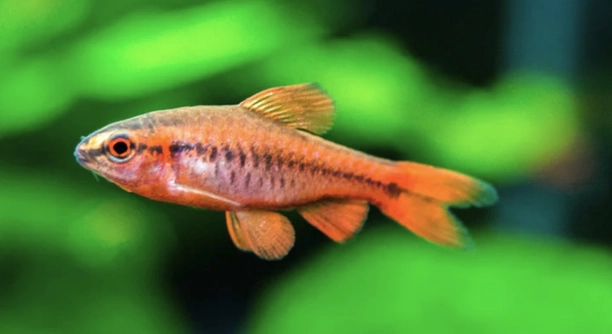
Cherry Barbs are a popular freshwater fish known for their vibrant colors and social nature. However, sometimes, these fish may not school together as expected. Understanding the reasons behind this behavior can help create a more harmonious environment for them.
If Cherry Barbs are not schooling with each other, it could be due to stress, inadequate tank conditions, or incompatible tank mates. They may also need a larger group to feel secure and exhibit natural schooling behavior.
There are a few simple ways to encourage your Cherry Barbs to school, and it all starts with making sure they feel safe and comfortable in their environment.
Why Aren’t Cherry Barbs Schooling Together?
If your Cherry Barbs aren’t schooling, it’s important to first check their tank environment. These fish naturally feel safer when in groups, but a lack of proper conditions can lead to isolation or aggression. They are also sensitive to water temperature and cleanliness. If the water quality is poor or fluctuates too much, the fish may avoid interacting with each other. Additionally, Cherry Barbs are generally social but require ample space to swim. A cramped tank can lead to stress, making them less likely to school together.
Cherry Barbs typically need a minimum of six individuals to feel secure. Without enough companions, they may not engage in the schooling behavior you’d expect. Ensuring there is adequate space and the right water parameters is essential for their well-being.
Another factor to consider is tank mates. If there are other, more aggressive fish in the tank, your Cherry Barbs may avoid schooling for safety reasons. Choose tank mates carefully to minimize stress.
Setting the Right Conditions for Cherry Barbs
Maintaining the right water conditions is key to getting your Cherry Barbs to school. Aim for a temperature between 74 and 79°F (23-26°C). A stable temperature will help them feel secure and promote natural schooling behavior. Regular water changes are also necessary to keep the water clean and healthy. Consider using a filter to help maintain a stable environment. If the water is too acidic or too alkaline, it can stress your fish and make them less likely to school. Keeping the pH level between 6.5 and 7.5 is ideal.
In addition to water quality, tank size plays a significant role. A larger tank allows the Cherry Barbs to swim freely, encouraging social behavior. For smaller tanks, it’s harder for them to feel comfortable, and schooling becomes less likely. A 20-gallon tank is recommended as a minimum for a small group of Cherry Barbs. This ensures they have room to explore and interact, promoting a peaceful atmosphere.
Proper care also involves feeding your Cherry Barbs a balanced diet. If they are underfed, they may become more territorial and less social. Ensure they are receiving the right nutrients to maintain both physical and mental health. Keep these factors in mind to encourage your Cherry Barbs to school with one another.
Stress and Overcrowding
Overcrowding can be a significant issue for Cherry Barbs. When too many fish are in the tank, the space becomes cramped, leading to stress. Stress is one of the main reasons why they may refuse to school, as they may feel the need to establish their own territory. This makes them less likely to interact with others.
When the tank is overcrowded, Cherry Barbs may feel overwhelmed and will start to isolate themselves. Even though they are social creatures, the lack of space causes them to retreat. This behavior often leads to less interaction between them, preventing the natural schooling behavior. To avoid this, make sure there is enough room for each fish to swim comfortably.
A good rule of thumb is to provide 1 inch of fish per gallon of water. This helps maintain a balance between the number of fish and the tank’s size. Keeping the tank spacious and well-maintained ensures a stress-free environment for your Cherry Barbs.
The Role of Tank Mates
Choosing the right tank mates is essential for maintaining a peaceful environment. Cherry Barbs can be intimidated by aggressive fish, causing them to shy away from schooling. Aggressive tank mates may cause stress, and your Cherry Barbs will likely prefer to avoid confrontation rather than swim together in groups.
When selecting tank mates, avoid large or overly aggressive species. Opt for peaceful fish that will not disrupt the Cherry Barbs’ natural behavior. Small, calm species like Corydoras or other peaceful barbs make ideal companions. These types of fish will coexist peacefully without threatening the Cherry Barbs, allowing them to form a stronger bond with each other.
In addition, keep the number of species in the tank low. Too many different types of fish can lead to confusion and increased stress for your Cherry Barbs, preventing them from schooling. By carefully selecting tank mates, you can create a harmonious environment that encourages your Cherry Barbs to feel safe and secure.
Tank Size and Schooling
Tank size plays a critical role in whether or not Cherry Barbs will school. A small tank can cause stress and limit their movement, leading to them not schooling together. A larger tank with more space encourages them to interact more freely with each other.
If the tank is too small, the fish may feel trapped or confined, leading to an unwillingness to engage with others. A minimum of 20 gallons is recommended for a small group of Cherry Barbs. A larger tank not only gives them more space to swim but also helps to maintain better water quality, which supports overall health and well-being.
More space encourages natural behavior and reduces the chance of aggression between the fish. In a larger tank, Cherry Barbs can establish groups and swim together without feeling crowded, promoting schooling.
Water Parameters
Maintaining stable water parameters is essential for Cherry Barbs to feel comfortable and school together. Keeping the water temperature, pH, and hardness consistent allows them to thrive. Regular water changes are important for maintaining these parameters.
If water conditions fluctuate too much, your Cherry Barbs may become stressed, which prevents them from schooling. It’s best to keep the water temperature between 74°F and 79°F, with a pH of 6.5 to 7.5. Consistency is key, as sudden changes can lead to illness or stress, both of which discourage schooling behavior.
Fish Health and Behavior
Unhealthy fish are unlikely to interact with their tank mates. If your Cherry Barbs are sick or showing signs of distress, they may isolate themselves. Ensuring that your fish are healthy is key to promoting social behavior and encouraging them to school.
Healthy Cherry Barbs are more likely to feel safe and comfortable with each other, leading to better interactions. Regularly monitor for signs of illness, such as unusual swimming patterns or loss of color. This will help prevent any issues that might affect schooling behavior.
FAQ
Why aren’t my Cherry Barbs schooling together?
There could be several reasons why Cherry Barbs aren’t schooling together. They may feel stressed due to poor water conditions, overcrowding, or aggressive tank mates. If the water temperature or pH isn’t suitable, they might avoid socializing. Additionally, Cherry Barbs need a group of at least six individuals to feel comfortable. If they are kept in smaller numbers or a cramped space, they may not exhibit their natural schooling behavior. Ensuring a larger tank and peaceful tank mates, along with optimal water conditions, can encourage them to school.
How many Cherry Barbs should I keep together to see schooling behavior?
To see Cherry Barbs schooling, it’s recommended to keep at least six individuals. They are social fish and feel more comfortable when in a group. A smaller group may result in less interaction or no schooling at all. When kept in larger groups, they are more likely to swim together as a natural behavior, which also reduces stress.
Can Cherry Barbs school with other species of fish?
While Cherry Barbs are generally peaceful and can school with other species, it’s best to pair them with similarly peaceful fish. Aggressive or overly active fish can cause stress, leading Cherry Barbs to avoid schooling. Fish like Corydoras, peaceful tetras, and other mild-mannered barbs are great companions. Avoid larger or territorial fish that may disrupt their schooling behavior.
What tank size is best for Cherry Barbs to school?
A minimum of 20 gallons is recommended for a small group of Cherry Barbs. While they are relatively small, they need space to swim freely, which encourages natural schooling behavior. The more space they have, the less likely they are to feel crowded or stressed. In larger tanks, you can maintain better water quality, which is crucial for their well-being.
What are the best water parameters for Cherry Barbs?
Cherry Barbs thrive in water with a temperature range between 74°F and 79°F (23-26°C). The pH level should be between 6.5 and 7.5, with water hardness being moderate. Stability in these parameters is crucial for their health and natural behavior. Consistently maintaining these conditions will reduce stress and help encourage schooling.
How can I reduce stress in my Cherry Barbs to encourage schooling?
To reduce stress, start by ensuring the water conditions are stable and clean. Regular water changes and filtration can help maintain healthy water quality. Avoid overcrowding the tank, as too many fish can cause stress. It’s also essential to choose tank mates carefully, avoiding aggressive species. Providing plenty of hiding spaces can make Cherry Barbs feel more secure, allowing them to relax and school.
What are common signs that my Cherry Barbs are stressed?
Cherry Barbs may show signs of stress through erratic swimming, faded colors, or hiding more than usual. They may also stop eating or swim in a corner of the tank. If your Cherry Barbs aren’t interacting with each other or appear lethargic, it’s a sign that something in their environment isn’t right. Check the water parameters, tank size, and tank mates to identify the cause.
Can Cherry Barbs be kept in a community tank?
Yes, Cherry Barbs are peaceful and can be kept in a community tank, provided the other fish are not aggressive. They do well with other mild-mannered species like tetras, rasboras, and peaceful catfish. However, avoid pairing them with large or territorial fish, as this may cause stress and prevent schooling.
How do I encourage my Cherry Barbs to school?
To encourage your Cherry Barbs to school, ensure they are in a group of at least six. Make sure their tank has ample space for swimming and that the water quality is optimal. Avoid any aggressive tank mates that may cause stress. Maintaining a peaceful environment with proper care will allow them to feel secure and exhibit natural schooling behavior.
Is it normal for Cherry Barbs to stop schooling at times?
Yes, it’s normal for Cherry Barbs to not school all the time, especially if they feel stressed or are in an unfamiliar environment. However, once they feel secure in their surroundings, they will usually return to their schooling behavior. Ensure that all conditions—such as water quality, temperature, tank size, and tank mates—are ideal to minimize stress.
Final Thoughts
Cherry Barbs are beautiful and peaceful fish that generally enjoy schooling with their own kind. However, when they are not schooling, it’s often a sign that something is wrong in their environment. Factors like water quality, tank size, and the number of fish in the group can significantly impact their behavior. If they feel stressed, overcrowded, or threatened, they might avoid interacting with other Cherry Barbs. Keeping them in a spacious, well-maintained tank with stable water conditions is key to encouraging their natural social behavior.
Ensuring that Cherry Barbs have enough tank mates is just as important as providing the right physical environment. Keeping at least six Cherry Barbs together helps them feel secure, as they naturally thrive in groups. A smaller group can lead to stress, and without enough companions, they may not display the schooling behavior you expect. Likewise, choosing compatible tank mates that won’t intimidate or compete with them for resources can help reduce any potential stressors. Peaceful species, like Corydoras or small tetras, are great companions for Cherry Barbs, as they won’t disturb their natural habits.
Ultimately, the key to helping your Cherry Barbs school with one another is creating a stable and stress-free environment. Regular water changes, proper filtration, and maintaining appropriate water parameters are all essential for their well-being. While it might take some time to adjust their setup, with the right conditions, your Cherry Barbs will likely return to their natural schooling behavior. By understanding their needs and providing the proper care, you can ensure they live a healthy, happy life while displaying their beautiful social behavior.

Hello,
If you enjoy the content that we create, please consider saying a "Thank You!" by leaving a tip.
Every little bit helps us continue crafting quality advice that supports the health, happiness, and well-being of pets around the world, for pets of all shapes, sizes, and species.
We really appreciate the kindness and support that you show us!