
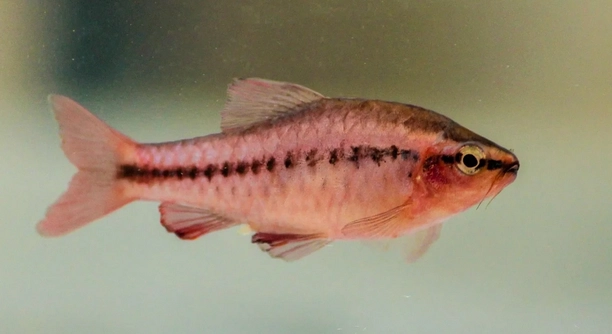
Cherry Barbs are known for their active nature and lively personalities. However, after a move, they may show signs of stress, such as not eating. This change in behavior can be concerning for any aquarium owner.
The most common reason Cherry Barbs may stop eating after a move is stress. Changes in water conditions, unfamiliar surroundings, or even transport can cause them to feel unsettled, leading to a temporary loss of appetite.
Helping your Cherry Barbs adjust to their new environment will ensure they return to their normal eating habits soon.
Stress from Relocation
After moving, your Cherry Barbs might experience a temporary period of stress. This stress can be caused by changes in their environment, including unfamiliar tank conditions, different water temperatures, or even the presence of new tank mates. The unfamiliarity of the new setup can make them anxious and affect their appetite. It’s important to monitor the water quality closely and ensure that the tank parameters are stable and similar to their previous environment.
When Cherry Barbs are stressed, they often hide more, which might make it hard to notice if they are eating or not. This behavior is normal in fish adjusting to a new tank. It’s crucial to give them time to settle in. If you notice that the water parameters are within safe levels, wait a few days to see if their eating habits return to normal. During this time, try to keep the tank quiet and avoid making any drastic changes to prevent adding to the stress.
If your Cherry Barbs continue to refuse food, consider adding aquarium plants or objects they can hide in to help them feel more secure. A calm environment is key to getting them back to eating regularly.
Water Quality
Water quality plays a significant role in the health of your Cherry Barbs. Any shifts in pH, temperature, or nitrate levels can negatively impact their appetite.
Ensuring that the tank is stable and the water parameters are similar to what they were used to can help prevent further stress. If the water has been tested and found suitable, the issue may be psychological rather than environmental.
Tank Mates
Cherry Barbs are social fish, and changes in their tank mates can affect their behavior. If new fish were introduced during the move, it’s possible that the Cherry Barbs are feeling intimidated or stressed. Fish hierarchy issues can also arise, leading to reduced eating.
In a new tank, the presence of dominant fish can cause Cherry Barbs to feel insecure, especially if they are still adjusting to the unfamiliar environment. In some cases, more territorial fish may bully or chase them, further discouraging eating. If this seems to be the case, consider rearranging the tank or adding more hiding spots to allow your Cherry Barbs to feel more secure.
If tank mates are causing stress, it’s best to monitor interactions closely. A more peaceful environment can encourage your Cherry Barbs to resume eating. In some situations, separating the more aggressive fish may be necessary for a while to reduce tension.
Tank Setup
The setup of your tank can make a big difference in how your Cherry Barbs adjust. After a move, they may be unsure of their surroundings if there are drastic changes. A familiar setup helps them settle in faster.
Consider keeping their favorite decorations or plants in the same positions as before, if possible. Fish thrive in an environment where they feel safe, and having familiar objects around them can provide a sense of security. If the tank has been completely re-arranged, try to give them time to adjust gradually. Over time, they should feel comfortable exploring again.
Proper lighting and the addition of some live plants can help your Cherry Barbs feel more at home. Having areas to hide or swim through provides them with a sense of security, which can promote eating. A stable, well-set-up tank offers the best chance for your Cherry Barbs to thrive.
Temperature Fluctuations
Cherry Barbs are sensitive to changes in temperature. A sudden shift in the tank’s temperature after moving can stress them out, leading to a loss of appetite. If the water is too hot or cold, it may discourage eating.
Maintaining a stable water temperature is essential for their health and comfort. Make sure to check the heater regularly to ensure it is working properly. Temperature fluctuations can also affect the metabolism of the fish, making them less likely to eat. A consistent, appropriate temperature will help them feel more comfortable and resume feeding.
Feeding Schedule
After a move, it’s important to stick to a regular feeding schedule. Disrupting the timing or type of food provided can add to the stress.
Offer the same food they were accustomed to, and try not to change anything for a while. Sticking to their old routine can help them adjust faster and feel more comfortable eating. A steady schedule will give them something familiar to look forward to each day.
Overcrowding
Overcrowding in the tank can cause stress, especially after a move. Too many fish in a small space can lead to competition for food, which may discourage eating.
If overcrowding is an issue, consider reducing the number of fish or increasing the size of the tank.
FAQ
Why won’t my Cherry Barbs eat after a move?
Stress from relocation is the most common reason Cherry Barbs may stop eating. Changes in water quality, temperature, and new tank mates can all contribute to their stress. Fish often need time to adjust to their new environment before they feel comfortable enough to eat. Keep the water conditions stable, provide hiding spots, and allow a few days for them to settle in.
How long should I wait before being concerned about my Cherry Barbs not eating?
If your Cherry Barbs haven’t eaten for 2 to 3 days after the move, it’s normal, but after that, you should begin to assess the situation. Ensure the water temperature is stable, check for aggressive tank mates, and evaluate whether the environment is too noisy or stressful. If they continue to refuse food for a week or more, consult an aquarium expert for advice.
What can I do to help my Cherry Barbs eat again?
First, check the water conditions, ensuring they are suitable for Cherry Barbs. Keep the tank quiet and avoid making any additional changes. Offer familiar food and maintain a regular feeding schedule. You may also try adding plants or decorations to provide hiding spaces, making them feel more secure.
Should I change the water after moving my Cherry Barbs?
It’s important to monitor the water quality after a move, but avoid making drastic changes right away. Sudden water changes can add to the stress. Instead, test the pH, ammonia, nitrite, and nitrate levels. If any of these parameters are out of the safe range, make gradual adjustments to ensure your Cherry Barbs stay comfortable.
Can Cherry Barbs stop eating because they’re lonely?
Yes, Cherry Barbs are social fish and may become stressed if they are isolated. They tend to feel more secure when kept in groups, and loneliness can cause them to become anxious. If you only have one Cherry Barb, consider adding more to provide company and reduce stress.
How do I know if my Cherry Barbs are stressed?
Stressed Cherry Barbs may display several signs, such as hiding more than usual, being lethargic, or swimming erratically. They may also stop eating or exhibit odd behavior like flicking their fins or rubbing against objects. Keep an eye out for these signs and try to reduce stressors in the tank.
Can I try different food if my Cherry Barbs are not eating?
Yes, but be careful when introducing new foods, especially during a period of adjustment. If you decide to try something new, make sure it’s appropriate for Cherry Barbs. Try offering live or frozen food like brine shrimp, which may entice them to eat. Always ensure that the food is safe for them and won’t upset their digestive system.
Is it okay to move my Cherry Barbs again if they are not eating?
It’s better to avoid moving them again unless absolutely necessary. Relocating the fish too often can prolong their stress and worsen the situation. Give them time to adjust to their new tank before considering another move. If you have to move them, make sure to keep water conditions as consistent as possible to minimize stress.
How can I tell if my Cherry Barbs are sick?
If your Cherry Barbs stop eating and display abnormal behavior for an extended period, they might be sick. Look for signs like clamped fins, discoloration, or swelling. If you notice any of these symptoms, it’s important to separate them from other fish to prevent the spread of illness and seek medical advice.
What water conditions do Cherry Barbs need to thrive?
Cherry Barbs prefer slightly acidic to neutral water with a pH between 6.5 and 7.5. The temperature should be between 72°F and 80°F (22°C to 27°C). Keep the water clean and free of toxins. A good filtration system will help maintain water quality. Regular water changes are important for keeping the tank environment stable.
Final Thoughts
Cherry Barbs are relatively hardy fish, but like any pet, they can experience stress, especially after a move. Their reluctance to eat may be a temporary response to their new environment. By ensuring the water quality is stable, providing hiding spaces, and allowing time for adjustment, you can help them feel secure again. While their lack of appetite can be concerning, it’s often a normal reaction that can resolve with patience.
If your Cherry Barbs continue to refuse food after a few days, it may be helpful to evaluate other factors like tank mates and tank setup. Aggressive fish or overcrowding can also lead to stress and loss of appetite. Adjusting the environment, offering familiar food, and monitoring interactions with other fish can improve their comfort and encourage them to eat. As with any change, consistency is key, and giving them a bit of time can often result in a full recovery.
In some cases, if they are still not eating after a week, it’s important to seek advice from an aquarium expert. There could be underlying issues such as illness or more serious environmental stress factors. Keeping your Cherry Barbs in a stable, peaceful environment, with appropriate tank conditions, will support their health in the long run. While it’s natural to be concerned when they don’t eat, most issues can be resolved with careful attention and a bit of patience.

Hello,
If you enjoy the content that we create, please consider saying a "Thank You!" by leaving a tip.
Every little bit helps us continue crafting quality advice that supports the health, happiness, and well-being of pets around the world, for pets of all shapes, sizes, and species.
We really appreciate the kindness and support that you show us!